Rhus Typhina Tiger Eyes� (‘Bailtiger’)
As a plant scientist, I have always been fascinated by the complex and diverse world of plant species. Today, I want to share with you my insights and.
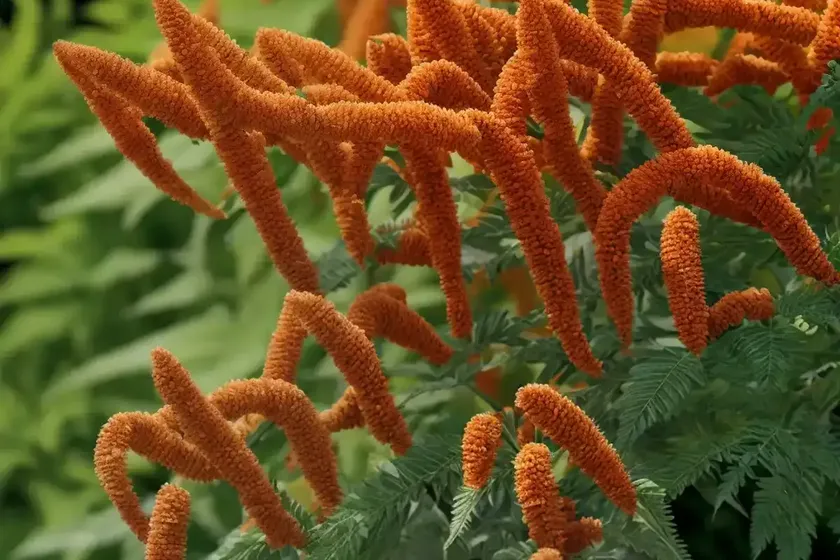
As a plant scientist, I have always been fascinated by the complex and diverse world of plant species. Today, I want to share with you my insights and knowledge about the exquisite Rhus typhina Tiger Eyes� (‘Bailtiger’). This stunning shrub, also known as the Tiger Eyes plant, embodies elegance and charm, making it a perfect addition to any landscape.
During our exploration, we will delve into the rich cultural significance, practical uses, key aspects of care, maintenance, and much more. By the end of this comprehensive guide, you will be equipped with a deep understanding of the Rhus typhina Tiger Eyes and how to cultivate and nurture it with care. So, let’s embark on this enlightening journey and discover the allure of the Tiger Eyes plant.
What is Rhus typhina Tiger Eyes� (‘Bailtiger’)?
Rhus typhina Tiger Eyes, known by its cultivar name ‘Bailtiger,’ is a captivating and ornamental shrub that belongs to the Anacardiaceae family. Native to North America, this deciduous plant is celebrated for its striking foliage and vibrant colors, making it a popular choice for landscaping and garden enthusiasts.
Key Takeaways – Rhus typhina Tiger Eyes� (‘Bailtiger’)
Before we delve deeper into the various aspects of the Tiger Eyes plant, it’s essential to highlight some key takeaways that will guide our exploration and understanding of this remarkable shrub.
- Plant Name: Rhus typhina Tiger Eyes� (‘Bailtiger’)
- Cultural significance: Ornamental and aesthetic appeal
- Practical uses: Landscaping, garden focal point, wildlife attraction
- Key Care Aspects: Water, sunlight, fertilizer, soil, pruning, propagation
- Resilience: Disease resistance, drought tolerance
- Distinctive features: Foliage, growth pattern, fall color
- Maintenance and propagation: Container cultivation, pruning, companion species
By focusing on these key takeaways, we can gain a comprehensive understanding of the Tiger Eyes plant and its unique characteristics.
Culture
Understanding the cultural significance and practical applications of the Rhus typhina Tiger Eyes is essential for appreciating its value in landscaping and horticulture.
Uses
The Tiger Eyes plant is revered for its ornamental value and practical applications in landscape design. Its vibrant foliage and attractive form make it a popular choice for:
-
Garden Focal Point: The Tiger Eyes shrub serves as a captivating centerpiece in gardens and landscape designs, adding visual interest and striking colors.
-
Wildlife Attraction: The plant’s berries and foliage attract birds and wildlife, contributing to the ecological balance of the environment.
Water
Proper watering is crucial for the health and vitality of Rhus typhina Tiger Eyes. Here are some key considerations for watering this shrub:
-
Established Plants: Once the plant is established, it demonstrates good drought tolerance. However, regular watering during prolonged dry spells is beneficial for optimal growth and foliage health.
-
Young Plants: Newly planted Tiger Eyes shrubs require regular watering to promote root establishment and initial growth. Adequate moisture is essential in the early stages of plant development.
Sunlight
The Tiger Eyes shrub thrives in abundant sunlight, which is essential for its vibrant foliage and overall health:
-
Full Sun: Ideally, the plant should be positioned in a location that receives full sun, ensuring maximum exposure to sunlight for robust growth and vivid foliage coloration.
-
Partial Shade: While the Tiger Eyes plant prefers full sun, it can tolerate partial shade. However, optimal sunlight exposure contributes to the best foliage display.
Fertilizer
Appropriate fertilization plays a significant role in enhancing the growth and vitality of Rhus typhina Tiger Eyes:
-
Fertilizer Type: A balanced fertilizer, preferably one formulated for woody shrubs, can be applied in spring to support healthy growth and vibrant foliage color.
-
Application: The fertilizer can be applied around the base of the shrub, following the manufacturer’s recommendations for dosage and frequency.
Soil
The soil composition and quality profoundly influence the health and vigor of the Tiger Eyes plant:
-
Well-Drained Soil: Rhus typhina Tiger Eyes thrives in well-drained soil, avoiding waterlogged conditions that can lead to root rot.
-
Soil pH: It prefers slightly acidic to neutral soil pH, typically in the range of 6.0 to 7.0, to support optimal nutrient uptake and overall health.
Pruning
Pruning is an essential practice for maintaining the form, size, and vigor of Rhus typhina Tiger Eyes. Proper pruning techniques contribute to the plant’s aesthetic appeal and long-term health.
Pruning Timing
- Late Winter to Early Spring: This period, before new growth emerges, is an ideal time for pruning the Tiger Eyes shrub. It allows for the removal of dead, damaged, or overgrown branches without inhibiting the plant’s growth potential.
Pruning Techniques
-
Selective Pruning: Targeted removal of specific branches to enhance the shrub’s form and structure, promoting a balanced and appealing silhouette.
-
Thinning: Removing excess growth and overcrowded branches to improve air circulation and light penetration within the canopy, supporting overall plant health.
Propagation
Understanding the propagation methods for Rhus typhina Tiger Eyes allows for the expansion of plant populations and the cultivation of new specimens.
Propagation Techniques
-
Seed Propagation: Collecting and sowing seeds from the Tiger Eyes plant can be an effective method of propagation, though it requires patience for the seedlings to develop into young shrubs.
-
Softwood Cuttings: Taking softwood cuttings from healthy, actively growing shoots in early summer can yield new plants with the genetic traits of the parent shrub.
Container Popularity
The Tiger Eyes plant’s adaptability to container cultivation makes it a popular choice for adding ornamental beauty to patios, balconies, and small gardens.
Container Requirements
-
Size: Select a container with sufficient depth and width to accommodate the development of the shrub’s root system and provide stability for the plant.
-
Drainage: Ensure that the container has adequate drainage holes to prevent waterlogging and maintain soil aeration.
Common Diseases
Despite its resilience, the Tiger Eyes plant can be susceptible to certain diseases, requiring vigilance and proper care to minimize the risk of infections.
Disease Resistance
-
Powdery Mildew: Rhus typhina Tiger Eyes demonstrates good resistance to powdery mildew, a common fungal disease affecting many plant species.
-
Preventive Measures: Promoting good air circulation, avoiding overhead watering, and maintaining overall plant health can help prevent powdery mildew and other fungal infections.
Common Pests
While generally robust, the Tiger Eyes plant may encounter pest pressures that necessitate proactive pest management strategies.
Pest Identification
-
Aphids: These soft-bodied insects can infest the foliage, sucking plant sap and potentially causing damage. Regular monitoring and early intervention can help control aphid populations.
-
Caterpillars: Certain caterpillar species may feed on the foliage of Rhus typhina Tiger Eyes, requiring careful inspection of the plant and appropriate pest control measures if infestations occur.
Botanist’s Tips
For enthusiasts and horticulturalists seeking to cultivate and appreciate the beauty of Rhus typhina Tiger Eyes, these practical tips can enhance the experience of growing and caring for the plant:
-
Mulching: Applying a layer of organic mulch around the base of the shrub can help retain moisture, suppress weeds, and enrich the soil as it decomposes.
-
Regular Observation: Monitoring the plant for changes in foliage color, growth patterns, and the presence of pests or diseases allows for early detection and intervention when necessary.
Fun Facts
-
The Rhus typhina Tiger Eyes is a cultivar of the species Rhus typhina, also known as staghorn sumac, distinguished by its vibrant golden foliage.
-
The vivid foliage of the Tiger Eyes plant intensifies in color during the autumn season, creating a spectacular display of golden and red hues.
-
Rhus typhina is known for its ecological importance, providing food and habitat for various bird species and supporting biodiversity.
As we conclude our exploration of the Rhus typhina Tiger Eyes, I hope that you have gained valuable insights into the cultivation, care, and appreciation of this exceptional shrub. By incorporating the key takeaways and practical recommendations provided, you can embark on a rewarding journey of nurturing and celebrating the beauty of the Tiger Eyes plant in your landscape.
For further information and resources on Rhus typhina Tiger Eyes, explore the links to external resources below for expert insights and additional guidance on plant care and cultivation.
Links to External Resources
-
American Horticultural Society. (n.d.). Plant Propagation: Seed Growing & Cutting Making.
-
Royal Horticultural Society. (n.d.). Pruning Shrubs.
-
University of California Statewide Integrated Pest Management Program. (n.d.). Aphids.
-
Penn State Extension. (n.d.). Powdery Mildew on Ornamentals.