Rhus Ovata (Sugar Sumac)
Rhus ovata, commonly known as Sugar Sumac, is a remarkable plant that offers a wide range of benefits in landscaping, horticulture, and ecological.
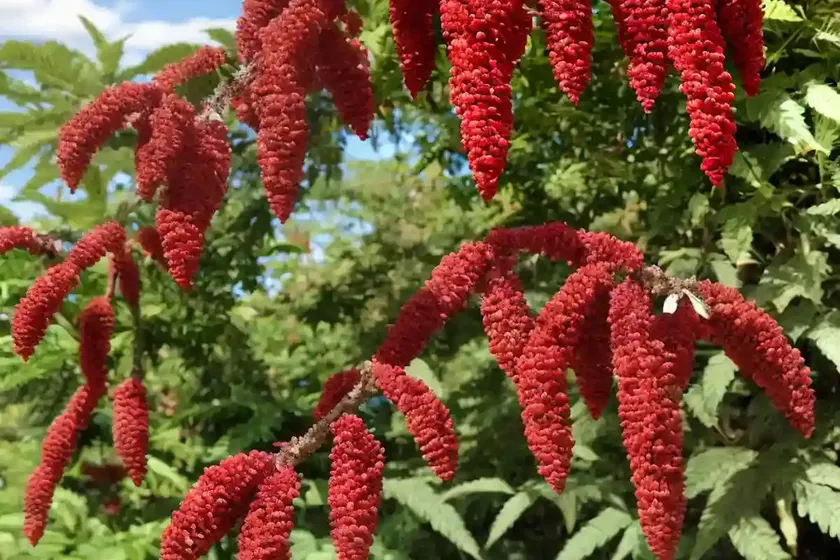
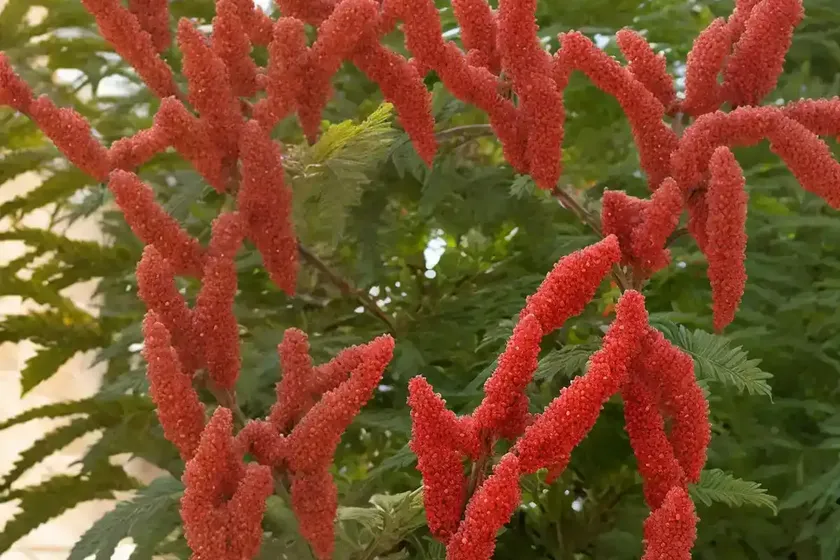
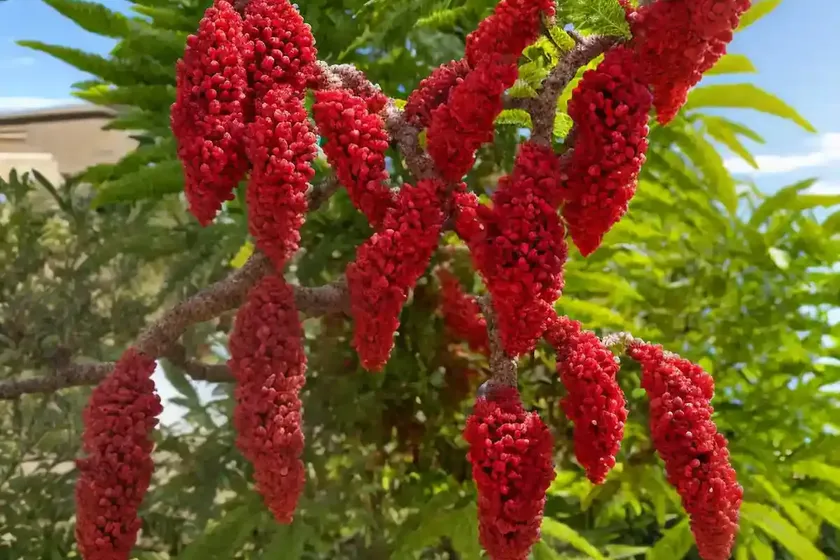
Rhus ovata, commonly known as Sugar Sumac, is a remarkable plant that offers a wide range of benefits in landscaping, horticulture, and ecological preservation. This guide aims to provide comprehensive insights for successfully cultivating Rhus ovata, encompassing its characteristics, cultural requirements, uses, propagation, and much more.
What is Rhus ovata (Sugar Sumac)?
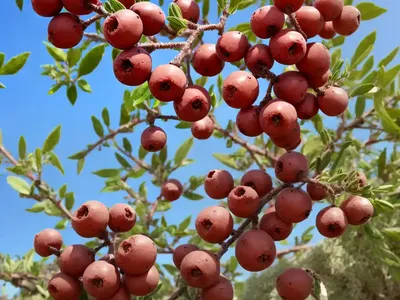
Rhus ovata, a member of the Anacardiaceae family, is a native plant to California and is prominent for its ornamental value and ecological significance. Commonly referred to as Sugar Sumac, it is an evergreen shrub that typically grows up to 8-10 feet in height and 6-10 feet in width. The plant is adorned with dark green, leathery, lance-shaped leaves and clusters of red to maroon berries, which add aesthetic appeal to the landscape.
Key Takeaways – Rhus ovata (Sugar Sumac)
Before delving into the details of cultivating Rhus ovata, let’s summarize the key takeaways regarding this extraordinary plant.
- Rhus ovata plant
- Native to California
- Evergreen shrub with dark green leaves
-
Berries add aesthetic appeal
-
Sugar Sumac characteristics
- Height: 8-10 feet
- Width: 6-10 feet
-
Ornamental and ecological significance
-
Growing Rhus ovata
- Well-drained soil
- Drought-tolerant once established
-
Suitable for xeriscaping
-
Rhus ovata care guide
- Low-maintenance plant
- Pruning for shaping and rejuvenation
-
Minimal water requirements
-
Sugar Sumac varieties
- Varied foliage coloration
- Adaptability to different soil types
- Wildlife-friendly attributes
Culture
Understanding the cultural requirements of Rhus ovata is fundamental to its successful cultivation. From water and sunlight needs to soil preferences and fertilizer applications, each aspect plays a crucial role in determining the health and vitality of the plant.
Uses
Rhus ovata, or Sugar Sumac, has multifaceted uses that range from ornamental landscaping to ecological restoration. Let’s explore the diverse applications of this versatile plant.
-
Landscaping: The ornamental value of Rhus ovata makes it a popular choice for landscaping in gardens, parks, and naturalized areas. Its evergreen nature and attractive berries contribute to its aesthetic appeal.
-
Ecological Restoration: In native habitats and restoration projects, Rhus ovata plays a vital role in providing habitat and food sources for wildlife, including birds and pollinators. Its ability to thrive in arid environments makes it a valuable addition to drought-tolerant landscapes.
-
Medicinal Properties: Indigenous tribes in California historically used various parts of Rhus ovata for medicinal purposes, including remedies for ailments such as respiratory issues and skin conditions.
Water
One of the defining characteristics of Rhus ovata is its remarkable tolerance to drought once established. Understanding its water requirements and optimal irrigation practices is essential for promoting its overall health and longevity.
Sunlight
As with many plants, sunlight plays a pivotal role in the growth and development of Rhus ovata. Understanding its sunlight requirements is crucial for optimizing its performance in various landscape settings.
Fertilizer
While Rhus ovata is renowned for its resilience and adaptability, providing appropriate nutrients through fertilization can further enhance its vigor and overall appearance. Understanding the timing and types of fertilizers suitable for this plant is essential for its successful cultivation.
Soil
The soil preferences of Rhus ovata have a direct impact on its growth, root development, and overall health. Understanding the ideal soil conditions and potential amendments is essential for ensuring the plant’s vitality and longevity.
Pruning
Pruning is a fundamental aspect of Rhus ovata care, enabling gardeners to shape the plant, remove damaged or overgrown branches, and rejuvenate its overall appearance. Understanding the pruning techniques and timing is crucial for maintaining the plant’s health and aesthetic appeal.
Propagation
The propagation methods of Rhus ovata encompass various techniques, including seed propagation and vegetative propagation. Understanding the most effective propagation methods is essential for expanding its presence in gardens and landscapes.
Container Popularity
Rhus ovata’s adaptability to container gardening makes it a popular choice for patio, balcony, and urban landscapes. Its low-maintenance nature and ornamental appeal contribute to its widespread popularity among container gardeners.
Container Common Diseases
While Rhus ovata is relatively resistant to diseases, it may be susceptible to certain issues when grown in containers. Understanding the common diseases and their diagnosis is crucial for maintaining the plant’s health in container settings.
Disease Diagnosis
Identifying and diagnosing diseases in Rhus ovata is essential for implementing effective treatment and preventive measures. Understanding the common diseases and their symptoms is pivotal for safeguarding the plant’s well-being.
Common Pests
While Rhus ovata exhibits resilience to many pests, it may encounter specific insect issues that can impact its vitality. Understanding the common pests and implementing appropriate pest control measures is crucial for preserving the plant’s health.
Botanist’s Tips
Botanical expertise offers valuable insights into the optimal care and maintenance of Rhus ovata. Let’s explore some expert tips that can enhance the cultivation and appreciation of this extraordinary plant.
Fun Facts
Uncover fascinating and insightful facts about Rhus ovata that showcase the plant’s unique characteristics, historical significance, and ecological contributions.
Links to External Resources
To further expand your knowledge and appreciation of Rhus ovata, explore the following external resources:
In conclusion, Rhus ovata, or Sugar Sumac, stands as a remarkable plant with diverse uses, ecological significance, and ornamental appeal. By understanding its cultural requirements, uses, propagation methods, and potential challenges, gardeners and landscape enthusiasts can cultivate and appreciate this exceptional plant to its fullest potential. Whether incorporated into native landscapes, ornamental gardens, or ecological restoration projects, Rhus ovata serves as a symbol of resilience, adaptability, and natural beauty.