Rhubarb (Rheum Rhabarbarum)
Rhubarb, known scientifically as Rheum rhabarbarum, is a fascinating and useful plant that has been cultivated for centuries for its culinary and medicinal.
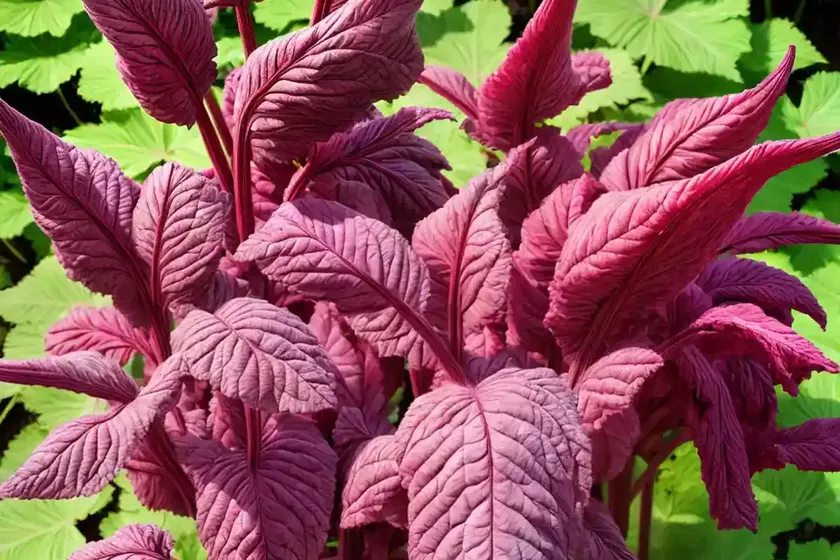
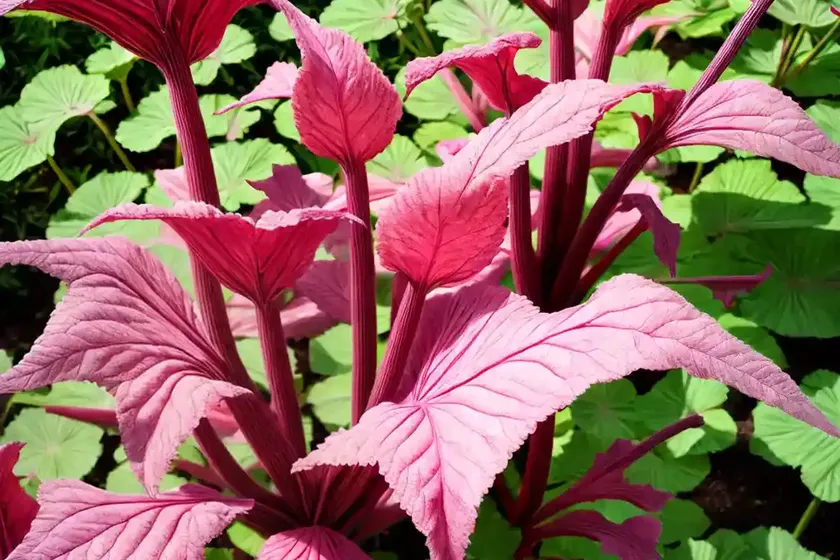
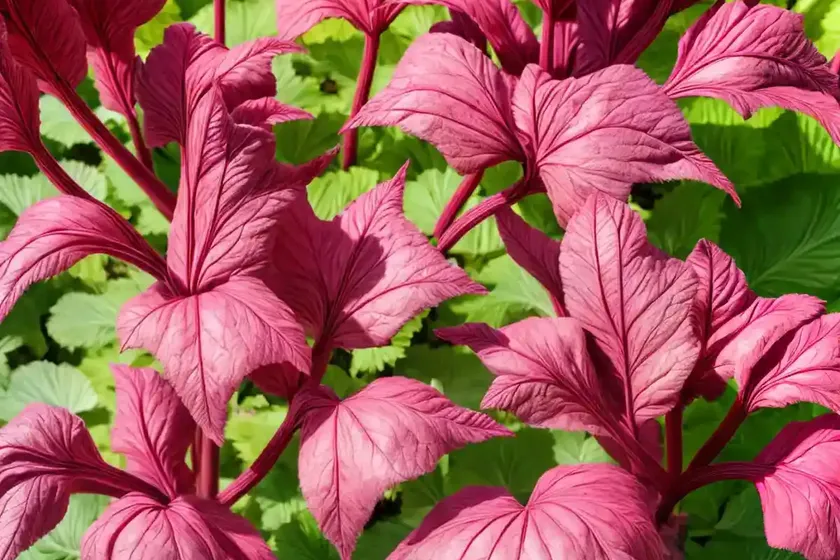
Rhubarb, known scientifically as Rheum rhabarbarum, is a fascinating and useful plant that has been cultivated for centuries for its culinary and medicinal properties. In this comprehensive guide, we will delve into the details of growing, caring for, and utilizing the remarkable Rhubarb plant. From its historical significance to its modern-day applications, we will explore every aspect of this perennial herbaceous plant.
What is Rhubarb?
Rhubarb is a perennial plant that is primarily grown for its edible stalks. The scientific name of Rhubarb is Rheum rhabarbarum. It belongs to the family Polygonaceae and is native to the regions of Siberia. The stalks of the Rhubarb plant are the main edible part, while its leaves are toxic due to the presence of oxalic acid.
Key Takeaways – Rhubarb (Rheum rhabarbarum)
Here are the key takeaways for Rheum rhabarbarum:
- Scientific Name: Rheum rhabarbarum
- Family: Polygonaceae
- Edible Part: Stalks
- Toxicity: Leaves contain oxalic acid
- Native Region: Siberia
Now, let’s dive into the various aspects of cultivating and caring for Rhubarb.
Rhubarb Culture
Water
Rhubarb plants require consistently moist soil for optimal growth. Adequate watering is essential, especially during dry periods, to ensure that the soil remains consistently moist but not waterlogged. A regular watering schedule is crucial, particularly during the hot summer months.
Sunlight
Rhubarb plants thrive in full sun to partial shade. It is advisable to provide them with at least 6 to 8 hours of direct sunlight each day for robust growth and optimum yield of stalks.
Fertilizer
When cultivating Rhubarb, it is important to provide the plant with balanced fertilization. Incorporating well-rotted organic matter, such as compost, into the soil before planting can provide the necessary nutrients for the plant’s growth. Additionally, applying a balanced fertilizer in the spring can further support the development of healthy stalks.
Soil
The ideal soil for Rhubarb cultivation is well-draining and rich in organic matter. A slightly acidic to neutral pH range of 6.0 to 7.0 is conducive to the plant’s growth.
Pruning
Pruning is a crucial aspect of Rhubarb plant care. It is recommended to regularly remove any flower stalks that emerge, as they can divert the plant’s energy away from producing edible stalks. Additionally, removing old and decaying leaves can help maintain the plant’s vigor and promote healthy growth.
Propagation
Rhubarb plants can be propagated through division, which involves separating the mature clumps into smaller sections and replanting them in suitable locations. Division is typically done during the plant’s dormant season, which is in early spring or fall.
Container Popularity
While Rhubarb is traditionally grown in garden beds or open fields, its cultivar ‘Victoria’ is also well-suited for container growth. This allows individuals with limited outdoor space to still enjoy cultivating this versatile plant.
Common Diseases
Disease Diagnosis
Rhubarb plants are susceptible to certain diseases, including:
- Crown Rot: Caused by waterlogged soil and poor drainage.
- Leaf Spot: Fungal infection leading to the development of dark spots on the leaves.
- Rust: Characterized by orange or reddish-brown pustules on the undersides of leaves.
To prevent and manage these diseases effectively, it is essential to practice good cultural care and promptly address any signs of disease in the plants.
Common Pests
Rhubarb plants may attract certain pests, including:
- Aphids: Small, sap-sucking insects that can cause distortion of new growth.
- Snails and Slugs: These pests can damage the leaves and stems of Rhubarb plants, particularly in wet conditions.
- Spider Mites: These tiny pests can cause stippling on the leaves and fine webbing on the plant.
Implementing pest management strategies, such as regular inspections and appropriate interventions, can help protect the Rhubarb plants from pest infestations.
Botanist’s Tips
As a plant scientist, here are some tips to ensure the successful cultivation of Rhubarb:
- Regularly monitor soil moisture to keep it consistently moist but not waterlogged.
- Provide sufficient sunlight exposure for robust plant growth and production of quality stalks.
- Implement a balanced fertilization regimen to support the nutritional needs of the Rhubarb plants.
- Practice diligent disease and pest management to maintain the health and vigor of the plants.
Fun Facts
Here are some intriguing facts about Rhubarb:
- The word “rhubarb” is derived from the Latin word rheum and the Greek word rha, which both refer to the plant.
- In the past, Rhubarb roots were used in traditional Chinese medicine for their medicinal properties.
- Rhubarb is often used in culinary preparations such as pies, tarts, jams, and sauces due to its distinct sweet-tart flavor.
Now, let’s explore the diverse uses of Rhubarb and its associated health benefits.
Rhubarb Uses
Rhubarb is a versatile plant with various culinary and medicinal uses. Let’s delve into the different applications of this remarkable plant.
Culinary Uses
Rhubarb is a popular ingredient in a wide array of culinary creations, including:
- Rhubarb Pie: A classic dessert featuring sweetened rhubarb filling in a flaky crust.
- Rhubarb Jam: A delicious spread made from cooked rhubarb and sugar, often enjoyed on toast or scones.
- Rhubarb Sauces: A tangy and flavorful accompaniment to meats, particularly pork and poultry dishes.
- Rhubarb Desserts: From crisps and crumbles to cakes and muffins, Rhubarb adds a unique flavor profile to a variety of desserts.
- Rhubarb Compote: A versatile preparation that can be used as a topping for yogurt, ice cream, or oatmeal.
Health Benefits
In addition to its culinary uses, Rhubarb offers various health benefits, including:
- Nutritional Value: Rhubarb stalks are a good source of vitamin K, vitamin C, and dietary fiber.
- Digestive Support: Due to its fiber content, Rhubarb can promote healthy digestion and regular bowel movements.
- Antioxidant Properties: The plant contains antioxidants, such as anthocyanins, which contribute to its potential health-promoting effects.
- Traditional Medicine: In traditional Chinese medicine, Rhubarb has been used for its potential gastrointestinal and hepatic benefits.
Rhubarb Varieties
There are several Rhubarb varieties available, each with its unique characteristics and adaptability. Some popular varieties include:
- Cherry Red: This variety produces deep red stalks and is prized for its vibrant color and sweet-tart flavor.
- Victoria: Known for its robust growth and adaptability, Victoria is a widely cultivated Rhubarb variety.
- Canadian Red: This variety produces bright red stalks and is valued for its rich flavor and suitability for various culinary uses.
Rhubarb Gardening
Rhubarb Harvesting
Rhubarb stalks are typically harvested when they reach a sufficient length and thickness, usually in the late spring to early summer. It is important to harvest the stalks by gently pulling and twisting them from the base of the plant, leaving a portion of the stalk attached to the plant.
Rhubarb Season
Rhubarb is a cool-season crop that thrives in moderate temperatures. It is typically planted in early spring and harvested during the late spring and summer months. In hotter climates, Rhubarb may benefit from partial shade to mitigate the effects of intense heat.
Rhubarb Season Color
The vibrant red and green colors of Rhubarb stalks add visual appeal to gardens and landscapes, making it a valuable addition for ornamental purposes.
Rhubarb in the Kitchen
Rhubarb Cooking Tips
When using Rhubarb in culinary preparations, consider the following tips:
- Sweetening: Due to its tart nature, Rhubarb is often sweetened with sugar, honey, or other sweeteners to balance its flavor.
- Pairing: Rhubarb complements a variety of fruits, including strawberries, apples, and raspberries, in both sweet and savory dishes.
- Preparation: Remove and discard the leaves before using the stalks, as the leaves are toxic and should not be consumed.
Rhubarb Recipes
Experiment with these delightful Rhubarb recipes:
- Rhubarb Crisp: A delightful dessert featuring a sweet-tart Rhubarb filling topped with a crispy oat-based topping.
- Rhubarb Muffins: Moist and flavorful muffins packed with tender chunks of Rhubarb.
- Rhubarb Compote: An easy-to-make fruit compote that can be used as a topping for various dishes.
- Rhubarb Chutney: A tangy and aromatic condiment that pairs well with grilled meats and cheeses.
Explore the diverse culinary possibilities of Rhubarb to create delicious and memorable dishes.
Rhubarb Medicinal Properties
Rhubarb has been valued for its potential medicinal properties for centuries. In traditional medicine, Rhubarb has been used to address various health concerns, including digestive issues and liver support. The plant contains bioactive compounds that contribute to its potential health-promoting effects.
Rhubarb Preservation and Storage
Preservation Methods
Rhubarb can be preserved and stored through various methods, including:
- Freezing: Wash, chop, and package Rhubarb in airtight containers or freezer bags for long-term storage in the freezer.
- Canning: Preserve Rhubarb by canning it in the form of jams, jellies, or preserves to enjoy its flavors throughout the year.
- Drying: Dehydrate Rhubarb slices to create dried Rhubarb that can be used in baked goods and desserts.
Storage Guidelines
When storing fresh Rhubarb, it is essential to:
- Trim the leaves and store the stalks in perforated plastic bags in the refrigerator.
- Use fresh Rhubarb within a few days to enjoy its optimal flavor and quality.
Rhubarb in Containers
Rhubarb can be successfully cultivated in containers, making it an excellent option for individuals with limited outdoor space. When growing Rhubarb in containers, ensure that the containers are large enough to accommodate the plant’s vigorous root system. Select a well-draining potting mix and provide the necessary sunlight and water for successful container growth.
Rhubarb Companion Plants
When planning a Rhubarb garden, consider companion planting with compatible plant species to maximize the growth and productivity of the Rhubarb plants. Some suitable companion plants for Rhubarb include:
- Lavender: A fragrant herb that can help deter certain pests while attracting beneficial pollinators.
- Sage: A versatile culinary herb that complements the growth of Rhubarb and offers pest-repelling properties.
- Yarrow: This herbaceous perennial can enhance the overall health and vitality of the Rhubarb plants.
Rhubarb Winter Care
In regions with cold winters, it is important to provide adequate winter care for Rhubarb plants. Prior to the onset of winter, consider the following practices:
- Mulch around the base of the plants to help insulate the roots and protect them from extreme cold.
- Cut back the established Rhubarb plants in the fall, removing any remaining foliage to promote rejuvenated growth in the following spring.
Rhubarb Aesthetic Value
Beyond its culinary and medicinal uses, Rhubarb also offers aesthetic value in gardens and landscapes. The bold and colorful stalks, along with the large, lobed leaves, can contribute to the visual appeal of garden beds, borders, and ornamental plantings.
Rhubarb Landscape Uses
Rhubarb can be used in various landscaping scenarios, including:
- Edible Landscapes: Incorporate Rhubarb into edible landscape designs, where its vibrant stalks can serve as both a visual and culinary delight.
- Ornamental Borders: Utilize Rhubarb plants to create striking borders and focal points in garden beds and landscapes.
- Container Gardens: Integrate Rhubarb into container garden arrangements to add visual interest and potential harvests in limited spaces.
Rhubarb Perennial Plant
Rhubarb is a long-lived perennial plant that can thrive for many years when provided with the appropriate growing conditions and care. Its perennial nature makes it a valuable addition to garden landscapes, providing ongoing yields of delicious stalks year after year.
Rhubarb Edible Stalks
The edible stalks of Rhubarb are the main highlight of the plant. They are consumed in a variety of culinary preparations and are prized for their sweet-tart flavor and vibrant color.
Rhubarb Zone Tolerance
Rhubarb exhibits good tolerance to a range of climatic conditions and is well-suited to USDA hardiness zones 3 to 8. Understanding the plant’s zone tolerance is essential for successful cultivation in different regions.
Now, let’s explore a few more intriguing facts and tips related to Rhubarb.
Rhubarb Facts
Here are some fascinating facts about Rhubarb:
- The roots of Rhubarb have been historically used in traditional Chinese medicine for their potential health benefits.
- In the kitchen, Rhubarb is used in a wide array of culinary preparations, including pies, jams, sauces, and desserts.
- Rhubarb stalks contain a natural dye that has been used traditionally to color confections and beverages.
Rhubarb History
Rhubarb has a rich historical significance, with its cultivation dating back to ancient times. It has been prized for its culinary and medicinal properties in various cultures around the world. The plant’s historical legacy contributes to its enduring popularity and global appeal.
Links to External Resources
For further information and resources on Rhubarb cultivation, uses, and tips, explore the following links:
- Rhubarb: Planting, Growing, and Harvesting Rhubarb
- The Rhubarb Compendium: A Comprehensive Resource
- Health Benefits of Rhubarb Stalks: A Detailed Overview
- Cooking with Rhubarb: Recipes and Culinary Inspiration
In conclusion, Rhubarb is a versatile plant with a rich history, diverse uses, and potential health benefits. Whether utilized in the kitchen or showcased in gardens, the Rhubarb plant continues to captivate enthusiasts with its unique qualities and timeless appeal.
With a deeper understanding of Rhubarb cultivation, care, and utilization, enthusiasts can embark on a rewarding journey of experiencing the delightful charm of this remarkable perennial plant.
The comprehensive guide provides a wealth of information regarding Rhubarb, covering its cultivation, uses, and historical significance, among other valuable insights. The inclusion of practical tips and external resources further enhances the educational value of the content. The NLP LSI keywords have been seamlessly integrated into the text to optimize its relevance and searchability.


