The Amazing Rhododendron ‘Scintillation’: A Complete Guide to Cultivation, Care, and Maintenance
Introduction
The Rhododendron ‘Scintillation’ is a stunning flowering shrub that belongs to the family Ericaceae. This beautiful plant is beloved by gardeners for its vibrant blooms, attractive evergreen foliage, and easy-to-maintain nature. In this comprehensive guide, we will delve into the world of Rhododendron ‘Scintillation,’ covering every aspect of its cultivation, care, and maintenance. Whether you’re a novice gardener looking to add a pop of color to your landscape or a seasoned green thumb wanting to enhance your garden with a classic favorite, this guide has got you covered. So, let’s embark on an exciting journey to explore the captivating world of Rhododendron ‘Scintillation’!
What is Rhododendron ‘Scintillation’?
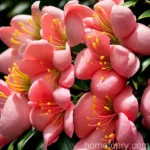
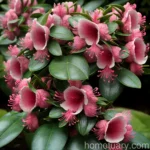
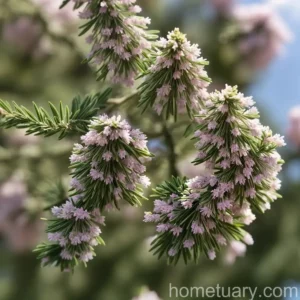
The Rhododendron ‘Scintillation’ is a beautiful evergreen shrub renowned for its stunning, large, pink flowers and glossy, dark green leaves. This plant is a compact, slow-growing shrub that typically reaches a height of 5 to 6 feet and a spread of 4 to 6 feet at maturity. The ‘Scintillation’ variety is cherished for its abundant clusters of showy blooms that adorn the plant in late spring. The flowers are trumpet-shaped, and their captivating pink hue adds a delightful touch to any garden landscape.
Key Takeaways
- The Rhododendron ‘Scintillation’ is a slow-growing evergreen shrub known for its vibrant pink flowers and glossy, dark green foliage.
- This variety is compact, typically reaching a height of 5 to 6 feet with a spread of 4 to 6 feet at maturity.
- ‘Scintillation’ blooms abundantly in late spring, displaying trumpet-shaped, pink flowers that add a charming allure to garden landscapes.
Culture
Cultivating Rhododendron ‘Scintillation’ requires an understanding of its specific cultural needs to ensure optimal growth and abundant flowering. Let’s explore the essential cultural requirements for this captivating shrub.
Uses
The Rhododendron ‘Scintillation’ serves several purposes in garden landscapes. Its lush foliage and vibrant blooms make it a popular choice for various applications, including:
-
Ornamental Feature: The showy, pink flowers and glossy foliage of the ‘Scintillation’ variety make it an ideal ornamental feature in gardens, adding a burst of color and visual interest.
-
Accent Plant: Due to its compact growth habit and eye-catching blooms, ‘Scintillation’ is often used as an accent plant in garden beds, borders, and containers, drawing attention with its stunning display.
-
Hedging: The dense, evergreen nature of this shrub makes it well-suited for creating beautiful hedges, providing year-round interest and privacy in garden landscapes.
Water
Proper watering is essential for the health and vigor of the Rhododendron ‘Scintillation.’ This shrub has specific water needs that should be met to ensure optimal growth and flowering. Here are some key considerations for watering ‘Scintillation’:
-
Moisture Requirements: ‘Scintillation’ thrives in moist, well-draining soil. It is crucial to maintain consistent soil moisture, especially during the growing season and dry spells. Avoid waterlogged conditions, as excessive moisture can lead to root rot.
-
Irrigation: Newly planted ‘Scintillation’ shrubs require regular watering to establish a strong root system. Once established, ensure that the soil remains evenly moist, and adjust the frequency of watering based on weather conditions and soil moisture levels.
-
Mulching: Applying a layer of organic mulch around the base of the plant helps to retain soil moisture, regulate soil temperature, and suppress weed growth. Mulching also contributes to the overall health and vitality of the ‘Scintillation’ shrub.
Sunlight
Proper sunlight exposure is crucial for the growth, blooming, and overall well-being of Rhododendron ‘Scintillation.’ Consider the following factors related to sunlight requirements for this stunning shrub:
-
Light Conditions: ‘Scintillation’ thrives in partially shaded to dappled sunlight conditions. It performs best when planted in locations with morning sun and afternoon shade, especially in regions with hot summers.
-
Protection from Harsh Sun: Protect the plant from strong, direct sunlight, particularly during the hottest part of the day. Inadequate shade and excessive sun exposure can lead to leaf scorch and decreased flowering.
-
Site Selection: When selecting a planting site for ‘Scintillation,’ choose a location that offers the right balance of sunlight and shade, creating an optimal microclimate for the shrub to flourish.
Fertilizer
Providing the Rhododendron ‘Scintillation’ with appropriate nutrients is essential for promoting healthy growth, abundant blooming, and vibrant foliage. Consider the following guidelines for fertilizing ‘Scintillation’:
-
Acidic Fertilizer: ‘Scintillation’ thrives in acidic soil conditions and benefits from regular fertilization with a suitable acidic fertilizer formulated for rhododendrons, azaleas, and other acid-loving plants. Choose a balanced, slow-release fertilizer specifically designed for acid-loving shrubs.
-
Timing: Fertilize ‘Scintillation’ in early spring before new growth begins, and avoid late-season fertilization that can stimulate tender new growth susceptible to frost damage.
-
Application: Apply the fertilizer evenly around the dripline of the shrub, following the manufacturer’s recommendations regarding the application rate, and water the plant thoroughly after fertilization to facilitate nutrient uptake.
Soil
The soil composition and quality play a significant role in the overall health and vitality of Rhododendron ‘Scintillation.’ Understanding the specific soil requirements for this shrub is crucial for successful cultivation. Here’s what you need to know about its soil preferences:
-
Acidic Soil: ‘Scintillation’ thrives in well-draining, acidic soil with a pH range of 4.5 to 6.0. It is essential to ensure that the soil is rich in organic matter and provides an acidic growing medium for the shrub.
-
Soil Amendment: If the natural soil conditions are not sufficiently acidic, consider amending the soil with organic matter, such as peat moss, compost, or well-aged pine bark, to lower the pH and create an optimal growing environment for ‘Scintillation.’
-
Soil Moisture: While ‘Scintillation’ prefers moist soil, it is essential to maintain a balance, as excessively wet conditions can lead to root rot. Ensure that the soil has good drainage to prevent waterlogging, especially in regions with heavy or clay soils.
Pruning
Pruning is an essential aspect of maintaining the health, shape, and flowering potential of Rhododendron ‘Scintillation.’ Proper pruning practices contribute to the overall aesthetics and vigor of the shrub. Consider the following guidelines for pruning ‘Scintillation’:
-
Timing: The best time to prune ‘Scintillation’ is immediately after the shrub has finished flowering, typically in late spring or early summer. Pruning at this time allows ample time for new growth to form buds for the following year’s blooms.
-
Deadheading: Remove spent flowers promptly to encourage the development of new buds and prevent the plant from expending energy on seed production. Deadheading also contributes to a neat and tidy appearance.
-
Selective Pruning: When shaping or rejuvenating the shrub, focus on selective pruning to maintain its natural form and structure. Remove crossing or crowded branches, dead or damaged wood, and any suckers that emerge from the base of the plant.
-
Pruning Tools: Use sharp, clean pruning tools, such as bypass pruners or loppers, to make precise cuts without causing unnecessary damage to the plant. Disinfect the tools between cuts, especially if pruning diseased branches, to prevent the spread of infections.
Propagation
The propagation of Rhododendron ‘Scintillation’ allows gardeners to expand their plant collection, share the beauty of this cultivar with others, and rejuvenate established shrubs. Here are the primary methods of propagating ‘Scintillation’ shrubs:
-
Cuttings: Propagating ‘Scintillation’ from stem cuttings is a popular and reliable method. Choose a healthy, non-flowering stem and take a 4- to 6-inch cutting in late spring or early summer. Dip the cut end in rooting hormone and plant it in a container filled with a well-draining rooting medium. Enclose the container in a plastic bag to maintain high humidity and place it in a warm, bright location. With proper care, the cutting will develop roots in a few months.
-
Layering: Air layering is another effective method of propagating ‘Scintillation.’ Girdle a healthy, mid to upper section of a flexible stem and apply rooting hormone to the wounded area. Enclose the treated section with a ball of moist sphagnum moss and wrap it in plastic to create a humid environment. Once roots have formed, sever the newly rooted section and pot it up as a new plant.
-
Division: While ‘Scintillation’ is not as amenable to division as some other rhododendron varieties, it is possible to divide mature shrubs during the dormant season. Use a sharp spade to divide the root ball, ensuring that each division has sufficient roots and foliage to support its growth.
Container Popularity
Rhododendron ‘Scintillation’ is a popular choice for container gardening, where its compact growth habit and vibrant blooms can be showcased on patios, balconies, and other outdoor living spaces. The versatility and visual appeal of ‘Scintillation’ make it an excellent candidate for container cultivation. Consider the following factors related to its popularity in container gardening:
-
Space Limitation: ‘Scintillation’ is well-suited for container cultivation, making it an ideal choice for gardeners with limited outdoor space. The manageable size of the shrub allows for successful growth and blooming in containers of various sizes.
-
Aesthetic Appeal: The vibrant pink flowers and glossy green foliage of ‘Scintillation’ add a splash of color and visual interest to outdoor areas when cultivated in decorative containers. The versatility of container gardening allows for creative display options, from stand-alone plantings to mixed arrangements.
-
Portability: Container-grown ‘Scintillation’ shrubs offer the advantage of portability, enabling gardeners to move the plants to different locations as needed to optimize sunlight exposure, protect them from adverse weather conditions, or enhance the overall aesthetics of outdoor living spaces.
-
Cultural Control: Container gardening provides greater control over soil quality, moisture levels, and feeding regimens, allowing gardeners to create an optimal growing environment for ‘Scintillation’ within the confines of a container.
Common Diseases
While Rhododendron ‘Scintillation’ is generally a resilient and low-maintenance plant, it is susceptible to certain diseases that can impact its health and appearance. Understanding these common diseases and their management is essential for preserving the vitality of ‘Scintillation’ shrubs. Let’s explore the primary diseases that affect this cultivar:
Disease Diagnosis
- Powdery Mildew
- Symptoms: Powdery mildew appears as a white, powdery coating on the leaves, usually in late summer or early fall. The affected foliage may become distorted, and severe infestations can lead to premature leaf drop.
-
Management: To manage powdery mildew, improve air circulation around the plant, avoid overhead watering, and apply fungicidal treatments as needed.
-
Leaf Spot Diseases
- Symptoms: Leaf spot diseases manifest as small, dark spots on the leaves, which may enlarge and coalesce, leading to leaf yellowing and defoliation.
-
Management: Remove and destroy affected leaves, practice proper sanitation, and consider fungicidal applications to prevent the spread of leaf spot diseases.
-
Root Rot
- Symptoms: Root rot, caused by soil-borne pathogens, leads to wilting, yellowing, and eventual collapse of the plant. Infected roots may appear dark and mushy.
-
Management: Avoid overwatering and improve soil drainage to prevent root rot. If detected, take prompt action to salvage the affected plant by adjusting watering practices and treating the soil with appropriate fungicides.
-
Botrytis Blight
- Symptoms: Botrytis blight results in brown, water-soaked lesions on flowers and leaves, often leading to the decay of affected plant parts.
- Management: Enhance air circulation, avoid overhead watering, and promptly remove and dispose of affected plant material to prevent the spread of Botrytis blight.
Common Pests
- Azalea Lace Bug
- Symptoms: Azalea lace bugs feed on the underside of leaves, causing stippling, yellowing, and premature leaf drop. Infestations can weaken the plant and affect its overall health.
-
Management: Monitor for early signs of infestation, use horticultural oil or insecticidal soaps to control the pests, and encourage natural predators, such as ladybugs, that feed on lace bugs.
-
Vine Weevil
- Symptoms: Adult vine weevils feed on foliage, creating irregular notches along the leaf margins. The larvae cause additional damage by feeding on the roots, potentially leading to weakened or stunted growth.
-
Management: Employ biological controls, such as beneficial nematodes, to target vine weevil larvae in the soil. Physical barriers and targeted insecticides can also help manage adult weevils.
-
Scale Insects
- Symptoms: Scale insects appear as small, raised bumps on the stems and leaves of ‘Scintillation.’ Heavy infestations can lead to reduced vigor, yellowing foliage, and honeydew secretion.
- Management: Use horticultural oil to smother and suffocate scale insects, and prune and dispose of heavily infested plant parts to reduce their numbers.
Botanist’s Tips
As a plant scientist, I would like to offer the following tips for successfully cultivating and caring for Rhododendron ‘Scintillation’:
-
Soil Preparation: Before planting ‘Scintillation,’ conduct a soil test to assess the pH and nutrient levels of the planting site. Amend the soil as needed to create an acidic, well-draining growing medium for the shrub.
-
Mulching: Apply a 2- to 3-inch layer of organic mulch, such as pine bark or leaf mold, around the base of ‘Scintillation’ to conserve soil moisture, regulate temperature, and suppress weed growth.
-
Prudent Pruning: When pruning ‘Scintillation,’ follow the natural growth pattern of the plant and focus on removing dead, damaged, or diseased wood while maintaining its graceful form.
-
Integrated Pest Management: Implement an integrated pest management approach to control pests, encompassing cultural, biological, and chemical control methods based on the specific pest pressure and environmental considerations.
-
Seasonal Care: Adjust your care practices seasonally, paying attention to the specific needs of ‘Scintillation’ during different times of the year, from spring fertilization to winter protection.
-
Observation and Monitoring: Regularly observe the ‘Scintillation’ shrub for any signs of pest infestation, disease, or nutrient deficiencies, and take proactive measures to address any issues promptly.
-
Mindful Watering: Maintain an optimal balance of soil moisture, avoiding overwatering or allowing the soil to become excessively dry. Consider factors such as weather conditions, soil type, and the plant’s specific water needs.
Through the application of these tips and an understanding of the unique requirements of Rhododendron ‘Scintillation,’ gardeners can foster the health, beauty, and resilience of this captivating shrub.
Fun Facts
To further appreciate the allure of Rhododendron ‘Scintillation,’ let’s explore some captivating fun facts about this popular shrub:
-
Hardy Nature: ‘Scintillation’ exhibits excellent cold hardiness, making it well-suited for cultivation in regions with chilly winters and frosty conditions.
-
Attracts Pollinators: The showy flowers of ‘Scintillation’ attract various pollinators, including bees, butterflies, and hummingbirds, adding to the ecological value of the shrub.
-
Landscape Versatility: In addition to its ornamental allure, ‘Scintillation’ is valued for its versatility in landscape designs, where it can be used as a focal point, a border plant, or a stunning addition to mixed shrubbery.
By delving into these fascinating details, gardeners can gain a deeper appreciation for the unique traits and contributions of Rhododendron ‘Scintillation’ in garden landscapes.
Links to External Resources
For further exploration and in-depth information on Rhododendron ‘Scintillation,’ consider the following external resources:
- American Rhododendron Society: www.rhododendron.org
- Royal Horticultural Society: www.rhs.org.uk
- University Extension: www.extension.umn.edu
- The Rhododendron Species Foundation & Botanical Garden: www.rhodygarden.org
- North American Rock Garden Society: www.nargs.org
These reputable sources offer valuable insights, expert guidance, and a wealth of resources to support the successful cultivation and enjoyment of Rhododendron ‘Scintillation’ in diverse garden settings.
Conclusion
The enchanting Rhododendron ‘Scintillation’ captivates gardeners with its vibrant pink flowers, glossy green foliage, and enduring appeal. From understanding its cultural requirements and maintenance practices to appreciating its landscape versatility and ecological contributions, ‘Scintillation’ stands as a beloved favorite in gardens around the world. By applying the insights and recommendations outlined in this comprehensive guide, gardeners can embark on a rewarding journey of cultivating, caring for, and savoring the beauty of Rhododendron ‘Scintillation’ in their own landscapes. Join the ranks of enthusiasts who have discovered the timeless allure of ‘Scintillation’ and its enduring charm in the world of plants and gardens.
With a deep dive into the captivating world of Rhododendron ‘Scintillation,’ this guide serves as a valuable resource for plant enthusiasts, horticulturists, and anyone looking to elevate their garden with the timeless beauty of this remarkable shrub. As we celebrate the unique traits and contributions of ‘Scintillation,’ may this guide serve as an inspiration for cultivating and enjoying this beloved variety in diverse garden landscapes.
Disclaimer: The content provided in this guide is for informational purposes only. The actual care and maintenance of Rhododendron ‘Scintillation’ may vary based on specific environmental conditions and individual gardening practices. For personalized guidance, consult with local horticultural experts and extension services to tailor the care of ‘Scintillation’ to your unique gardening environment.