The Amazing Rhododendron ‘Mount Saint Helens’
Introduction
Plants are fascinating living organisms that come in a multitude of shapes, sizes, and forms. They play a crucial role in our ecosystem by providing oxygen, food, and habitats for countless organisms. Among the diverse array of plants, the Rhododendron stands out as a beloved ornamental shrub, cherished for its vibrant flowers and adaptability to various environments.
In this comprehensive guide, we will delve deeply into the world of Rhododendron, focusing on the exquisite cultivar, ‘Mount Saint Helens.’ We will explore its culture, uses, optimal growing conditions, potential issues, and much more, providing valuable insights for enthusiasts and horticulturalists alike.
What is Rhododendron ‘Mount Saint Helens’?
Rhododendrons are a genus of flowering plants that belong to the family Ericaceae. These plants are admired for their stunning clusters of bell-shaped flowers that bloom in an array of colors, including pink, red, purple, white, and yellow. Rhododendrons are diverse, with over 1,000 species and a plethora of hybrids and cultivars, each offering unique characteristics.
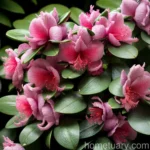
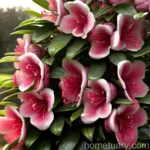
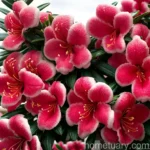
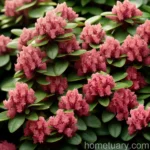
The Rhododendron ‘Mount Saint Helens’ is a captivating cultivar known for its striking, deep red blooms. Named after the famous stratovolcano in Washington state, this rhododendron variety boasts vibrant, showy flowers that make a bold statement in any landscape. With its noteworthy ornamental value and hardy nature, ‘Mount Saint Helens’ has secured a cherished spot in gardens and landscapes across the globe.
Key Takeaways
Before we delve into the specifics of caring for Rhododendron ‘Mount Saint Helens,’ let’s highlight some key takeaways regarding this remarkable plant:
- ‘Mount Saint Helens’ is a captivating Rhododendron cultivar known for its striking, deep red blooms.
- It is a hardy and adaptable shrub that thrives in various climates and soil conditions.
- Proper care and maintenance are essential for ensuring optimal growth and flowering.
- ‘Mount Saint Helens’ holds ornamental value and adds a vibrant touch to any garden or landscape.
Now, let’s explore the essential aspects of cultivating and caring for this beautiful plant.
Culture
Cultivating Rhododendron ‘Mount Saint Helens’ involves creating the ideal environment for its growth and ensuring proper care to promote healthy development and abundant flowering. Let’s delve into the key elements of the culture surrounding this captivating shrub.
Uses
The ‘Mount Saint Helens’ Rhododendron boasts various uses in landscaping and horticulture. Its striking red flowers make it an excellent choice for:
- Gardens: ‘Mount Saint Helens’ adds vibrant color and visual interest to garden landscapes, whether in beds, borders, or mixed plantings.
- Foundation Plantings: The shrub’s compact and attractive nature makes it well-suited for foundation plantings, where it can enhance the aesthetic appeal of buildings and structures.
- Containers: Due to its manageable size and showy blooms, ‘Mount Saint Helens’ can be cultivated in containers, making it an excellent choice for patio and balcony displays.
Water
Water is a crucial factor in the successful cultivation of Rhododendron ‘Mount Saint Helens.’ While these plants require moist conditions, they are susceptible to root rot if they are consistently waterlogged. To maintain optimal soil moisture for ‘Mount Saint Helens’:
- Watering Frequency: Ensure regular watering during dry periods to keep the soil consistently moist, especially during the plant’s growing season.
- Mulching: Apply a layer of organic mulch around the base of the plant to help retain soil moisture and regulate temperature.
Sunlight
Proper sunlight exposure is essential for the growth and flowering of Rhododendron ‘Mount Saint Helens.’ Consider the following guidelines for optimizing sunlight conditions:
- Light Requirements: ‘Mount Saint Helens’ thrives in partial shade to full sun, making it adaptable to a range of light conditions.
- Protection from Harsh Sunlight: While the shrub can tolerate direct sunlight, providing some protection during the hottest part of the day can prevent leaf scorch and ensure the best overall health.
Fertilizer
To support healthy growth and abundant flowering, it is important to provide appropriate fertilization for Rhododendron ‘Mount Saint Helens.’ Consider the following recommendations for fertilizing this striking shrub:
- Acidic Fertilizer: Rhododendrons, including ‘Mount Saint Helens,’ thrive in acidic soil conditions. Choose a fertilizer specifically formulated for acid-loving plants to provide essential nutrients while maintaining optimal soil pH.
- Timing: Apply fertilizer in the early spring before new growth begins, and avoid late-season fertilization, as it may stimulate new growth that is vulnerable to winter damage.
Soil
The right soil conditions are imperative for the healthy development of Rhododendron ‘Mount Saint Helens.’ Here are some key considerations for soil preparation and maintenance:
- Acidic Soil: Rhododendrons prefer acidic soil with a pH range of 4.5 to 6.0. Conduct a soil test and amend the soil with organic matter and sulfur if necessary to achieve the ideal pH level.
- Well-Drained Soil: Ensure the soil is well-drained to prevent waterlogging, which can lead to root rot. Consider amending heavy clay or compacted soils with organic matter to improve drainage.
Pruning
Proper pruning plays a pivotal role in maintaining the health, shape, and flowering potential of Rhododendron ‘Mount Saint Helens.’ To effectively prune this cultivar, consider the following guidelines:
- Pruning Timing: Perform pruning immediately after the shrub finishes flowering to avoid cutting off potential flower buds for the following season.
- Deadheading: Remove spent blossoms to encourage new growth and promote continued blooming.
Propagation
Propagation allows for the multiplication of Rhododendron ‘Mount Saint Helens,’ enabling enthusiasts and horticulturalists to cultivate new plants from existing ones. Consider the following methods for propagating this captivating cultivar:
- Cuttings: Propagate ‘Mount Saint Helens’ through softwood cuttings taken from healthy, vigorously growing stems in early summer. Root the cuttings in a well-draining medium, such as perlite or a mix of peat and perlite, to establish new plants.
Container Popularity
Rhododendron ‘Mount Saint Helens’ is well-suited for container cultivation, making it a popular choice for various outdoor and indoor settings. The compact size and vibrant blooms of ‘Mount Saint Helens’ contribute to its widespread container popularity.
Container Common Diseases
While Rhododendron ‘Mount Saint Helens’ is generally resilient, it can be susceptible to certain diseases, particularly when cultivated in containers. Common diseases to watch for include:
- Phytophthora Root Rot: This fungal disease can affect plants in poorly drained soil, leading to root damage and decline.
- Powdery Mildew: In conditions of high humidity, powdery mildew can develop on the foliage, resulting in a white, powdery residue and potential leaf distortion.
Disease Diagnosis
In the event of potential disease issues affecting Rhododendron ‘Mount Saint Helens’ in containers, prompt diagnosis and appropriate management are crucial. When observing signs of disease, consider the following diagnostic steps:
- Visual Symptoms: Look for visual indicators of disease, such as leaf spots, wilting, discoloration, or abnormal growth.
- Professional Consultation: If uncertain, seek the assistance of a plant health professional or local extension service to accurately diagnose and address the issue.
Common Pests
Like many plants, Rhododendron ‘Mount Saint Helens’ is susceptible to certain pests that can affect its health and appearance. Common pests that may target this cultivar include:
- Aphids: These small, sap-sucking insects can appear on the undersides of leaves, causing leaf distortion and, in severe cases, decreased plant vigor.
- Spider Mites: These pests feed on plant sap, leading to stippled foliage and webbing in severe infestations.
Botanist’s Tips
To further enhance the cultivation and enjoyment of Rhododendron ‘Mount Saint Helens,’ consider the following tips from botanists and seasoned horticulturalists:
- Garden Planning: Integrate ‘Mount Saint Helens’ into garden designs by strategically placing it to accentuate its vibrant blooms and complement surrounding plantings.
- Soil Amendments: Regularly amend the soil with organic matter to maintain optimal soil structure, moisture retention, and nutrient availability for ‘Mount Saint Helens.’
Fun Facts
Before we conclude our exploration of Rhododendron ‘Mount Saint Helens,’ here are some intriguing and fun facts about this captivating cultivar:
- Striking Color: The vibrant red blooms of ‘Mount Saint Helens’ make it a focal point in any garden or landscape, capturing the attention of admirers and enthusiasts alike.
- Hardy Nature: This cultivar exhibits resilience in various conditions, demonstrating its adaptability and strength as a garden plant.
Links to External Resources
If you’re eager to delve even deeper into the world of Rhododendron ‘Mount Saint Helens’ and expand your knowledge of rhododendron care, maintenance, and cultivation, the following external resources may be invaluable:
- American Rhododendron Society – https://www.rhododendron.org
- Royal Horticultural Society – https://www.rhs.org.uk
In conclusion, the Rhododendron ‘Mount Saint Helens’ stands as a testament to the allure and diversity of the plant kingdom. This captivating cultivar not only adds vibrant color and ornamental value to gardens and landscapes but also serves as a reminder of the remarkable beauty and resilience of plants in the natural world. With proper care, attention, and an appreciation for its exceptional attributes, ‘Mount Saint Helens’ can thrive and delight enthusiasts for years to come.
By delving into the culture, uses, optimal growing conditions, potential issues, and much more, we have provided valuable insights for enthusiasts and horticulturalists alike regarding Rhododendron ‘Mount Saint Helens’.