Rhododendron canescens (Mountain Azalea): A Complete Guide
Introduction
Plants are an essential part of our environment and play a crucial role in maintaining ecological balance. Among the diverse flora, the Rhododendron canescens, commonly known as Mountain Azalea, is a stunning flowering shrub that captivates with its beauty and versatility. In this comprehensive guide, we will delve into the various aspects of this remarkable plant.
What is Rhododendron canescens (Mountain Azalea)?
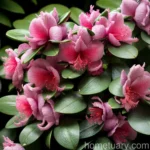
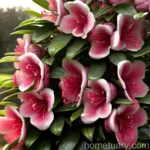
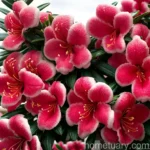
Also known as the Mountain Azalea, Rhododendron canescens is a deciduous flowering shrub that belongs to the Ericaceae family. This species is native to the southeastern United States, thriving in the acidic soils of the region. The plant is renowned for its delicate, trumpet-shaped blooms and is a popular choice for gardeners and landscaping enthusiasts.
Key Takeaways – Rhododendron canescens (Mountain Azalea)
Before we delve into the specifics of caring for Mountain Azaleas, let’s highlight some key takeaway points about this plant:
- Botanical Name: Rhododendron canescens
- Common Name: Mountain Azalea
- Plant Type: Deciduous flowering shrub
- Native Habitat: Southeastern United States
- Notable Features: Trumpet-shaped flowers, attractive foliage
- Cultivation: Garden beds, containers, landscaping
- Preferred Conditions: Acidic soil, partial shade
- Maintenance: Regular watering, light pruning
- Blooming Season: Spring to early summer
- Wildlife Habitat: Attracts pollinators and biodiversity
Now that we have an overview of the Mountain Azalea, let’s dive into the specific aspects of caring for this beautiful shrub.
Culture
Cultivating Rhododendron canescens requires attention to various cultural aspects to ensure its optimal growth and development. From soil conditions to pruning techniques, each cultural factor contributes to the overall health and vigor of the plant.
Uses
The Mountain Azalea holds numerous uses and can be incorporated in various settings and designs. Its applications include:
- Ornamental Shrub: Adorn garden beds, borders, and landscapes with its vibrant blooms.
- Container Planting: Ideal for containers and outdoor display, adding a touch of elegance to patios and decks.
- Native Gardens: Enhance native plant gardens, contributing to regional biodiversity.
- Woodland Settings: Thrives in semi-shaded woodland areas, imparting a natural charm.
Water
Proper watering is crucial for the health of Rhododendron canescens. The plant typically requires consistent moisture, especially during dry spells and periods of active growth.
- Watering Tips:
- Provide regular moisture to the plant, ensuring the soil remains evenly moist but not waterlogged.
- During dry conditions, increase watering frequency to prevent drought stress.
- Use mulch to retain soil moisture and reduce evaporation.
Sunlight
Mountain Azaleas prefer partial shade, making them well-suited for areas with filtered sunlight and dappled shade.
- Sunlight Needs:
- Position the plant in a location where it receives morning sun and filtered shade in the afternoon.
- Protect it from harsh, direct sunlight, especially during the peak hours of the day.
- Avoid placing it in deep shade, as this may inhibit flowering and overall growth.
Fertilizer
The appropriate fertilization of Rhododendron canescens contributes to its overall vitality and flowering potential. Here’s how to effectively nourish this beautiful shrub.
- Fertilization Schedule:
- Apply a balanced, slow-release fertilizer formulated for acid-loving plants.
- Feed the plant in early spring before new growth emerges, following the recommended dosage on the fertilizer label.
- Refrain from over-fertilizing, as this can lead to excessive foliage growth at the expense of flowers.
Soil
The soil requirements of Mountain Azaleas are of utmost importance, as they thrive in acidic, well-draining substrates.
- Soil Requirements:
- Plant in well-draining, acidic soil with a pH range of 4.5 to 6.0. Amending the soil with organic matter and peat moss can enhance its acidity.
- Ensure the soil is rich in nutrients, providing a favorable foundation for the plant’s growth.
- Mulch the soil surface to conserve moisture and regulate soil temperature.
Pruning
Proper pruning is essential for maintaining the form and vigor of Rhododendron canescens, as well as promoting prolific flowering.
- Pruning Techniques:
- Perform light pruning after the flowering period to maintain the plant’s shape and remove any dead or damaged branches.
- Avoid severe pruning, as it can diminish the following year’s bloom production.
- Remove spent flowers to encourage the development of new shoots and blooms.
Propagation
The propagation of Mountain Azaleas offers an opportunity to expand their presence in the garden or share their beauty with others.
- Propagation Methods:
- Propagate through stem cuttings taken during the active growth period, ensuring they have adequate moisture and warmth for successful rooting.
- Air layering is another effective propagation method, particularly for older, established plants.
- Dividing mature plants can also yield new specimens, each with the potential for abundant blooms.
Container Popularity
Rhododendron canescens is a popular choice for container gardening, allowing it to grace outdoor spaces with its stunning display, even in limited areas.
- Container Gardening Tips:
- Select a spacious container with adequate drainage holes to ensure proper moisture management.
- Use a well-draining, acidic potting mix to replicate the plant’s preferred soil conditions.
- Position the container in a partially shaded location, protecting it from harsh sunlight and wind exposure.
Common Diseases
While Mountain Azaleas are relatively low-maintenance, they are susceptible to certain diseases that can impact their health and appearance.
Disease Diagnosis
Identifying and addressing potential diseases promptly can prevent the spread of infections and mitigate their impact on the plant.
- Common Diseases:
- Phytophthora root rot
- Powdery mildew
- Leaf spot diseases
Common Pests
Several pests may pose a threat to Rhododendron canescens, requiring vigilance and integrated pest management strategies for effective control.
Insect Pests
Maintaining a watchful eye for common pests can safeguard the Mountain Azalea from potential infestations.
- Common Pests:
- Azalea lace bugs
- Spider mites
- Weevils
Botanist’s Tips
To further enhance the cultivation and enjoyment of Rhododendron canescens, consider the following expert tips and recommendations.
Fun Facts
Discovering intriguing details about this captivating plant adds an extra layer of appreciation for its unique characteristics.
- Did You Know?
- The Mountain Azalea emits a subtly sweet fragrance, enhancing its allure in the garden.
- Its delicate, trumpet-shaped flowers display shades of pink and white, creating a picturesque spectacle.
- Rhododendron canescens serves as an important nectar source for pollinators, supporting local ecosystems.
Links to External Resources
For additional insights and detailed information on Rhododendron canescens, explore the following external resources:
- American Rhododendron Society: Link
- University Extension Services: Link
- Plant Database (Missouri Botanical Garden): Link
With a comprehensive understanding of Rhododendron canescens and its cultivation, enthusiasts can appreciate its beauty in diverse settings, from backyard gardens to expansive landscapes. By implementing the recommended practices and considering its unique traits, the Mountain Azalea can thrive and enchant observers with its graceful presence.
Now that we have covered several aspects of Rhododendron canescens, including its care, characteristics, and cultivation, the insights shared in this guide aim to provide a thorough understanding of this remarkable plant. Whether you are a gardening enthusiast, a landscaping professional, or simply an admirer of botanical diversity, the appeal of the Mountain Azalea is undeniable. Its elegant blooms, adaptability to different environments, and contributions to local ecosystems underscore its significance in horticulture and regional biodiversity.
Through the integration of the provided insights and best practices, individuals can cultivate and appreciate Rhododendron canescens with confidence, unlocking its potential as a versatile and captivating addition to various outdoor spaces. As we continue to explore the captivating realm of plants and their influence on our surroundings, the resplendent charm of the Mountain Azalea serves as a compelling testament to the enduring allure of nature’s botanical wonders.