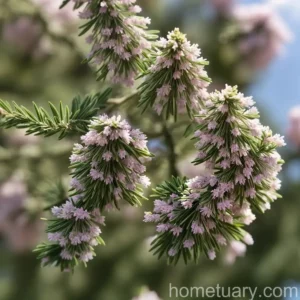
Rhododendron austrinum (Florida Flame Azalea): A Spectacular Native Plant of Florida
Rhododendron austrinum, commonly known as the Florida Flame Azalea, is a stunning and vibrant native plant of the southeastern United States, particularly prominent in Florida. This beautiful plant belongs to the azalea family and is renowned for its striking blooms, making it a popular choice for landscape design, gardening, and conservation efforts. In this comprehensive guide, we will delve into the cultivation, care, characteristics, uses, and much more regarding the Rhododendron austrinum, providing valuable insights for both enthusiasts and experts in the realm of plant science and horticulture.
Key Takeaways – Rhododendron austrinum (Florida Flame Azalea)
Cultivation
- Understanding the ideal habitat and climate preferences for optimal growth
- Planting tips and propagation methods for successful cultivation
- Water, sunlight, and soil preferences for sustaining a healthy Rhododendron austrinum
Uses
- Landscape and garden design ideas incorporating the Florida Flame Azalea
- Ornamental, wildlife habitat, and natural dye source applications
- Companion planting and pollinator attractant potential
Maintenance
- Pruning techniques and pest control measures
- Fertilization and care guide for long-term health and vigor
- Winter hardiness and blooming habits for year-round maintenance
Common Diseases and Pests
- Awareness of prevalent diseases and effective disease diagnosis
- Identification and management of common pests for disease prevention
- Conservation and native plant landscaping ideas for preserving the species
Fun Facts
- Uncovering interesting and captivating aspects of Rhododendron austrinum
- Exploring the significance and benefits of this native Florida plant
- Botanist’s tips and insights for a deeper understanding of its characteristics
External Resources
- Links to external sources and references for further exploration of the Florida Flame Azalea
Now, let’s embark on a fascinating journey to discover the remarkable world of Rhododendron austrinum, its unique features, cultivation requirements, and invaluable contributions to the natural landscape of Florida.
What is Rhododendron austrinum (Florida Flame Azalea)?
Rhododendron austrinum, commonly referred to as the Florida Flame Azalea, is an indigenous plant species to the southeastern United States, primarily thriving in the state of Florida. This captivating and vibrant plant is a member of the azalea family and is celebrated for its exquisite flowers, which display a radiant spectrum of colors, ranging from fiery oranges to delicate yellows. The Florida Flame Azalea is a deciduous shrub that adds a burst of color to its surroundings, contributing to the rich biodiversity of its native habitat.
The scientific name of Rhododendron austrinum reflects its origins, with “Rhododendron” signifying its membership in the Rhododendron genus, known for its diverse and visually striking species, and “austrinum” acknowledging its southern, or “austrian,” geographic range. This plant embodies not only natural beauty but also ecological significance, serving as a valuable resource for wildlife and as an integral component of the native landscape of Florida.
Culture
Habitat and Natural Range
Rhododendron austrinum thrives in a diverse range of habitats within its native region, showcasing its adaptability to different environmental conditions. The natural range of the Florida Flame Azalea encompasses various ecosystems, including upland forests, pine woodlands, and coastal plains. This resilience allows the plant to flourish in a multitude of settings, making it an appealing choice for landscaping and conservation efforts in Florida and beyond.
Climate Preferences
The Florida Flame Azalea exhibits a preference for mild to warm climates, thriving in the subtropical climate of Florida. Its adaptation to a range of temperatures and moisture levels makes it well-suited for the diverse microclimates found within the state. Understanding its climate preferences is crucial for successful cultivation and sustaining its vibrant blooms and foliage.
Landscape Design and Garden Ideas
Due to its stunning flowers and attractive foliage, Rhododendron austrinum is a prized addition to landscape designs and garden settings. Its vibrant colors and ornamental appeal make it an ideal choice for creating visually striking scenes within gardens, parks, and natural landscapes. Incorporating the Florida Flame Azalea into landscape designs can enhance the aesthetic appeal and ecological diversity of outdoor spaces, contributing to the overall beauty and sustainability of the environment.
Uses
Ornamental Beauty
The Florida Flame Azalea, with its dazzling display of colorful blooms, is cherished for its ornamental beauty. Its vibrant flowers, ranging from shades of golden yellow to deep orange, create a mesmerizing visual spectacle, attracting attention and admiration. The ornamental value of Rhododendron austrinum makes it a coveted addition to gardens, parks, and natural areas, enriching the surroundings with its radiant presence.
Wildlife Habitat
In addition to its visual appeal, Rhododendron austrinum serves as a vital component of wildlife habitats, providing shelter and forage for various animal species. The plant’s nectar-rich flowers attract pollinators such as bees, butterflies, and hummingbirds, contributing to the ecological balance and biodiversity of its native environment. Its role in supporting wildlife underscores the plant’s ecological importance and relevance in conservation and habitat restoration efforts.
Natural Dye Source
An intriguing aspect of Rhododendron austrinum is its potential as a natural dye source. The plant’s vibrant flowers possess pigments that can be utilized to create natural dyes, offering a sustainable and environmentally friendly alternative for coloring textiles and other materials. Exploring the traditional and contemporary applications of the plant as a natural dye source reveals its cultural and practical significance in various contexts.
Water
Water Requirements
Understanding the water requirements of Rhododendron austrinum is essential for maintaining its health and vitality. The Florida Flame Azalea thrives in moist, well-drained soils and benefits from consistent moisture, particularly during periods of dryness. However, it is important to avoid waterlogged conditions, as excessive moisture can lead to root rot and other water-related issues. Balancing the plant’s water needs is crucial for promoting optimal growth and flowering.
Container Gardening
For individuals interested in cultivating Rhododendron austrinum in containers, careful attention to watering practices is paramount. Container-grown plants necessitate regular monitoring of soil moisture, as the restricted root space can impact water retention and drainage. Implementing proper watering techniques, such as thorough but controlled watering sessions, ensures the well-being of the Florida Flame Azalea in a container gardening setting.
Sunlight
Sun Exposure
The sunlight preferences of Rhododendron austrinum play a significant role in its overall health and flowering potential. As a native species of Florida, the Florida Flame Azalea thrives in partial shade to filtered sunlight, particularly in the context of the state’s climate and environmental conditions. The plant’s sensitivity to intense sun exposure underscores the importance of providing adequate shading and protection from harsh sunlight, especially during the peak of the day.
Shade Tolerance
In areas with limited direct sunlight, the shade tolerance of Rhododendron austrinum becomes a defining attribute. The plant’s ability to flourish in shaded or partially shaded environments positions it as a versatile and adaptable species for diverse landscapes and garden settings. Understanding its shade tolerance is essential for identifying suitable locations for planting and ensuring its sustained well-being in varying light conditions.
Fertilizer
Nutrient Requirements
To support the vigorous growth and flowering of Rhododendron austrinum, it is important to address its nutrient requirements. The Florida Flame Azalea benefits from a well-balanced fertilizer regimen, incorporating essential nutrients such as nitrogen, phosphorus, and potassium, as well as micronutrients like iron and magnesium. Providing the necessary nutrients promotes robust foliage and vibrant blooms, contributing to the long-term health and vigor of the plant.
Soil
Soil Preferences
The soil preferences of Rhododendron austrinum are integral to its successful cultivation and sustainability. The Florida Flame Azalea thrives in acidic, well-drained soils with organic matter, reflecting its adaptation to the characteristic soil conditions of its native habitat. Understanding the specific soil preferences of the plant is crucial for creating an optimal growing environment, supporting root development, and mitigating soil-related challenges.
Landscape Design
In landscape design and gardening, consideration of the plant’s soil preferences guides the selection of suitable planting locations and informs soil amendment practices. Incorporating Rhododendron austrinum into landscape designs necessitates a thorough understanding of its soil requirements, enabling the creation of harmonious and conducive environments for the plant’s growth and establishment.
Pruning
Pruning Techniques
Pruning plays a pivotal role in maintaining the health, shape, and blooming potential of Rhododendron austrinum. Proper pruning techniques, such as deadheading spent blooms and selectively trimming overgrown or crossing branches, contribute to the plant’s overall aesthetic appeal and flowering performance. Additionally, strategic pruning supports air circulation and light penetration, reducing the risk of disease and promoting vigorous growth.
Garden Maintenance
In the context of garden maintenance, understanding the pruning requirements of the Florida Flame Azalea enhances the overall care and upkeep of outdoor spaces. Implementation of regular pruning practices, conducted at appropriate times and with precision, supports the plant’s resilience and contributes to the preservation of its ornamental value within garden settings.
Propagation
Propagation Methods
The propagation of Rhododendron austrinum involves a variety of methods, including but not limited to seed propagation, stem cuttings, and division. Each technique offers distinct advantages and considerations, serving as valuable options for expanding the presence of the Florida Flame Azalea in horticultural settings and native plant conservation efforts. Exploring the diverse propagation methods broadens the potential for cultivating and preserving this native species.
Conservation
The propagation of Rhododendron austrinum aligns with conservation objectives aimed at safeguarding native plant species and enhancing biodiversity. By applying propagation methods to cultivate and distribute the Florida Flame Azalea, conservationists and horticulturists contribute to the ongoing preservation of this valuable plant and its ecological significance within natural landscapes and protected areas.
Common Diseases
Disease Diagnosis
Recognizing common diseases that affect Rhododendron austrinum is crucial for timely intervention and disease management. Symptoms such as leaf spots, powdery mildew, and root rot may indicate the presence of specific diseases, necessitating accurate diagnosis and targeted treatment. Acquiring knowledge of disease symptoms and patterns equips plant enthusiasts and professionals to address health issues effectively and safeguard the well-being of the Florida Flame Azalea.
Disease Prevention
Implementing preventive measures, including proper sanitation, adequate air circulation, and vigilant monitoring, forms an essential component of disease management for Rhododendron austrinum. By adopting proactive strategies to mitigate disease risks and create unfavorable conditions for pathogens, individuals contribute to the overall health and resilience of the plant, promoting its sustained growth and flowering capabilities.
Common Pests
Pest Identification
The susceptibility of Rhododendron austrinum to common pests necessitates vigilant pest identification and monitoring. Pests such as aphids, scales, and azalea caterpillars pose potential threats to the plant’s foliage and overall health, requiring timely identification and targeted pest control measures. Awareness of common pests and their characteristic damage aids in early intervention and the preservation of the Florida Flame Azalea.
Pest Control
Effective pest control measures, encompassing integrated pest management techniques and environmentally conscious practices, are vital for mitigating pest pressures and minimizing damage to Rhododendron austrinum. By adopting sustainable and targeted pest control approaches, individuals contribute to the overall well-being and appearance of the plant, supporting its role as an ornamental species and wildlife habitat component.
Botanist’s Tips
Expert Insights
Botanist’s tips and insights offer valuable perspectives and expert guidance on the cultivation, care, and appreciation of Rhododendron austrinum. Leveraging the knowledge and experiences of botanists and horticultural professionals provides enthusiasts and practitioners with invaluable information and practical recommendations for nurturing and preserving the Florida Flame Azalea.
Botanical Education
Incorporating botanist’s tips and insights into educational initiatives and public outreach fosters a deeper understanding and appreciation of Rhododendron austrinum and its ecological significance. By disseminating expert knowledge and promoting botanical education, individuals and organizations contribute to the conservation and sustainable utilization of native plant species such as the Florida Flame Azalea.
Fun Facts
Fascinating Characteristics
Rhododendron austrinum boasts a range of fascinating characteristics and attributes that capture the imagination and curiosity of plant enthusiasts and nature lovers. From its vibrant flower colors and natural dye potential to its role as a wildlife habitat and ornamental centerpiece, the Florida Flame Azalea offers a wealth of intriguing and captivating elements that enrich the natural landscape and cultural heritage of Florida.
Significance and Benefits
Exploring the significance and benefits of Rhododendron austrinum reveals the multifaceted contributions of this native plant to the ecological, aesthetic, and utilitarian aspects of the environment. Recognition of the plant’s inherent value, both as an ornamental species and as an ecological resource, underscores its enduring importance and relevance in the realms of horticulture, conservation, and biodiversity preservation.
Conclusion
With its resplendent blooms, ecological significance, and diverse applications, Rhododendron austrinum, or the Florida Flame Azalea, occupies a special place in the natural landscape of Florida. Its cultivation, care, and uses encompass a wide array of considerations, from water and sunlight preferences to maintenance, diseases, and pests. By delving into the characteristics and requirements of this native plant, we gain a deeper understanding of its unique attributes and the measures essential for its preservation and sustainable utilization.
As we celebrate the vibrant colors, ornamental beauty, and ecological value of Rhododendron austrinum, we recognize the integral role it plays in enriching the natural environment and contributing to the visual splendor and biodiversity of Florida’s landscapes. From garden enthusiasts and horticulturists to conservationists and botanists, the Florida Flame Azalea captivates hearts and minds, inspiring a shared commitment to its continued appreciation, protection, and propagation.
In the spirit of honoring and safeguarding the botanical treasures of Florida, let us continue to cultivate, cherish, and advocate for the preservation of Rhododendron austrinum, ensuring its enduring legacy and perpetuation across generations.
External Resources
For further exploration of Rhododendron austrinum and related topics, refer to the following external resources: