The Allure of Rhododendron arborescens (Sweet Azalea) in Horticulture
Introduction
Rhododendron arborescens, commonly known as Sweet Azalea, is a captivating and versatile plant species that has found its way into the hearts and landscapes of many gardening enthusiasts. This blog post aims to acquaint readers with the ins and outs of this beautiful plant, covering various aspects such as cultivation, care, uses, and maintenance. Whether you are a beginner gardener or a seasoned horticulturist, this comprehensive guide will provide you with valuable insights to help you grow and appreciate Rhododendron arborescens in all its glory.
What is Rhododendron arborescens (Sweet Azalea)?
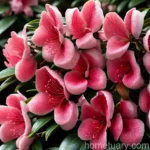
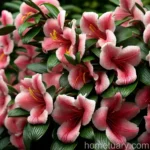
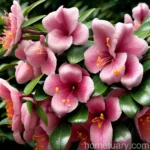
Rhododendron arborescens, a species from the Ericaceae family, is a deciduous shrub that is native to the eastern United States, particularly the Appalachian region. It is characterized by its lustrous, dark green foliage, and an abundance of fragrant, trumpet-shaped flowers that bloom in various shades of pink and white. The plant typically reaches a height of 6 to 8 feet and spreads to a width of about 4 to 6 feet, making it an ideal choice for borders, woodland gardens, and mixed shrub plantings.
Key Takeaways – Rhododendron arborescens (Sweet Azalea)
Culture
- Name: Rhododendron arborescens (Sweet Azalea)
- Family: Ericaceae
- Type: Deciduous Shrub
- Native Range: Eastern United States
Uses
- Landscaping: Borders, woodland gardens, mixed shrub plantings
- Aesthetics: Ornamental value due to fragrant flowers and attractive foliage
- Wildlife: Attracts pollinators and adds to the biodiversity of the garden
Water
- Watering Frequency: Regular, especially during dry spells
- Soil Moisture: Moist, well-draining soil
Sunlight
- Sun Exposure: Partial shade to full sun, prefers dappled sunlight
Fertilizer
- Fertilization: Apply a balanced slow-release fertilizer in spring
- Nutrient Needs: Benefits from a rich, acidic soil
Soil
- Soil Type: Well-draining, acidic soil
- pH Preferences: Acidic (pH 4.5 to 6.0)
- Composition: Organic matter-rich soil
Pruning
- Pruning Schedule: After flowering in late spring to early summer
- Purpose: Shape maintenance, removal of dead or damaged wood
Propagation
- Methods: Softwood cuttings, semi-hardwood cuttings
- Timing: Late spring to early summer
- Conditions: Warm, humid environment for successful rooting
Container Popularity
- Suitability: Grows well in containers
- Benefits: Allows for easy mobility and placement, especially on patios and balconies
Common Diseases
- Disease: Leaf Spot
- Control: Proper sanitation, removal of infected leaves, and fungicidal sprays if necessary
Common Pests
- Pests: Lace Bugs, Azalea Caterpillars
- Management: Insecticidal soaps, horticultural oils, and biological controls
Botanist’s Tips
- Species Preservation: Contribute to the conservation of native plant species by cultivating Rhododendron arborescens
- Companion Planting: Pair with other acid-loving plants such as ferns, hydrangeas, and woodland wildflowers
Fun Facts
- Fragrance: The flowers emit a delightful, sweet scent, hence the common name “Sweet Azalea”
- Wildlife Attraction: Beyond pollinators, the plant serves as a habitat and food source for various wildlife species
Links to External Resources
Rhododendron arborescens Care: A Closer Look
Sweet Azalea Plant
The Sweet Azalea, also referred to as Smooth Azalea, is a charming addition to garden landscapes, offering not only visual appeal but also a delightful fragrance that permeates the air when in bloom. Its botanical name, Rhododendron arborescens, reflects its membership in the Rhododendron genus, known for its diversity and ornamental significance in horticulture.
Rhododendron arborescens Varieties
While there are no cultivars or named varieties of Rhododendron arborescens widely available in the horticultural market, the species itself presents an array of natural variations in flower color, ranging from soft pink to pure white. These variations add to its allure, allowing for unique and enchanting displays in the garden.
Rhododendron arborescens Planting Guide
Soil Requirements
- Type: Well-draining, acidic soil
- Preparation: Incorporate organic matter such as peat moss or compost to improve soil structure and acidity
- pH: Aim for a pH range of 4.5 to 6.0 for optimal growth
- Amendments: Use sulfur or other acidifying agents if necessary to lower soil pH
Sun Exposure
- Preference: Partial shade to full sun
- Ideal Conditions: Dappled sunlight is particularly favorable, especially in regions with intense summer heat
Water Requirements
- Frequency: Regular watering, especially during extended dry periods
- Moisture Level: Consistently moist but not waterlogged soil
Climate Conditions
- Hardiness Zones: Zones 4 to 7
- Adaptability: Thrives in cool, temperate climates with adequate rainfall
Sweet Azalea Propagation
Methods
- Softwood Cuttings: Utilize young, actively growing shoots for propagation
- Semi-Hardwood Cuttings: Select partially matured stems with firmer growth for successful rooting
- Timing: Late spring to early summer is optimal for propagation efforts
Conditions
- Environment: Provide a warm, humid atmosphere to encourage root development
- Media: Use a well-draining rooting medium such as a mix of perlite and peat for cuttings
Pruning Tips for Rhododendron arborescens
Schedule
- Timing: Prune immediately after flowering, which typically occurs in late spring to early summer
- Purpose: Remove spent flower clusters and shape the plant as desired
- Tools: Use sharp, clean pruning shears to make precise cuts without causing unnecessary damage
Sweet Azalea Flowers
The bloom time of Rhododendron arborescens generally falls in the late spring to early summer period, yielding an impressive display of fragrant, tubular flowers. The blossoms, which may range from pale pink to pristine white, create a captivating spectacle that appeals to both human admirers and visiting pollinators, such as bees and butterflies.
Sweet Azalea Landscaping
The Sweet Azalea’s versatility in landscape design is underscored by its suitability for various settings, including:
- Borders: Create visually captivating borders and define garden spaces with the help of Rhododendron arborescens
- Woodland Gardens: Integrate the plant into naturalistic settings, capitalizing on its affinity for partial shade and organic-rich soils
- Mixed Shrub Plantings: Combine with other shrubs, such as evergreens and flowering species, to compose multi-dimensional garden compositions
Rhododendron arborescens Growth Habits
The growth habits of Rhododendron arborescens contribute to its appeal as a landscape plant. Understanding its growth characteristics facilitates proper placement and maintenance, ensuring optimal performance in the garden. Key growth aspects include:
- Size: Can reach a height of 6 to 8 feet and a spread of 4 to 6 feet over time
- Form: Upright, rounded habit with arching branches
- Texture: Smooth, glossy foliage adds an elegant touch to garden compositions
Sweet Azalea Maintenance
Maintaining Rhododendron arborescens in prime condition involves regular care and attention to its specific needs. Alongside routine watering and feeding, periodic assessments of the plant’s health and vigor are essential to address any emerging issues promptly.
Rhododendron arborescens Fertilization
Fertilizer Type
- Preference: Utilize a balanced, slow-release fertilizer formulated for acid-loving plants
- Application Time: Administer in early spring before the onset of active growth
- Quantity: Follow package instructions for the appropriate dosage based on the plant’s size and age
Sweet Azalea Pests and Diseases
Diseases
- Leaf Spot: Recognizable by the presence of circular or irregularly shaped spots on the foliage
- Control: Maintain good air circulation, remove and dispose of infected leaves, and consider fungicidal treatments in severe cases
Pests
- Lace Bugs: Potential pests that may cause stippling on the foliage
- Azalea Caterpillars: Feed on tender foliage and may necessitate control measures in case of extensive damage
Botanist’s Tips for Rhododendron arborescens
Species Preservation
- Conservation Efforts: Assist in preserving native plant species by including Rhododendron arborescens in garden landscapes
- Awareness: Educate fellow gardeners and enthusiasts about the importance of conserving native flora and their ecological roles
Companion Planting
- Synergy: Pair Sweet Azalea with compatible companion plants, such as ferns, heucheras, and other shade-loving perennials
- Aesthetic Complement: Create visually harmonious groupings that enhance the overall beauty of the garden
Fun Facts about Rhododendron arborescens
Fragrance
- Scent: The flowers of Rhododendron arborescens emit a sweet, captivating fragrance that permeates the surrounding environment
- Aromatic Appeal: The delightful scent enhances the sensory experience of the garden, attracting attention and admiration
Wildlife Attraction
- Pollinator Magnet: The fragrant flowers of the Sweet Azalea entice a variety of pollinators, including bees and butterflies
- Wildlife Haven: Beyond pollinators, the plant serves as a habitat and food source for various wildlife species, enriching the ecological diversity of the garden
With its captivating beauty, alluring fragrance, and versatility in various garden settings, Rhododendron arborescens stands as a captivating choice for both novice and veteran gardeners alike.
Rhododendron arborescens: Exploring External Resources
Additional Reading
- American Rhododendron Society: Explore a wealth of information about rhododendrons and azaleas, including cultural practices, regional events, and plant databases
- USDA Plants Database: Access an extensive collection of plant profiles, distribution maps, and ecological information to deepen your understanding of native flora
In conclusion, Rhododendron arborescens, or Sweet Azalea, presents an enchanting option for enhancing garden landscapes with its captivating blooms and alluring fragrance. By incorporating this native species into our horticultural endeavors, we contribute to the conservation of valuable plant diversity and create inviting spaces that appeal to both people and wildlife. With this comprehensive guide, you are equipped with the knowledge and insights to cultivate, appreciate, and cherish the captivating allure of Rhododendron arborescens.
Remember to share the charm of Sweet Azalea with fellow garden enthusiasts, and let the beauty of native flora enrich the fabric of our gardens and natural spaces.
Disclaimer: The information provided in this blog post is based on general knowledge and practices related to horticulture and plant care. Specific conditions and requirements may vary based on regional climates and individual plant health. Always consult local gardening experts or extension services for tailored guidance regarding plant care and management.