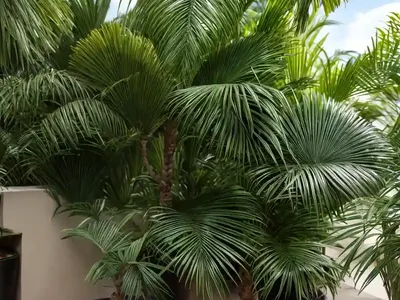
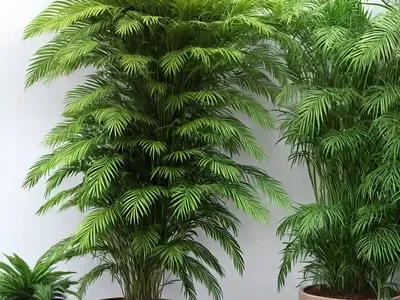
Rhapis Excelsa (Lady Palm)
Plants not only add beauty to our surroundings but also contribute to our well-being. Among the myriad of plant species, indoor palm plants are a popular.
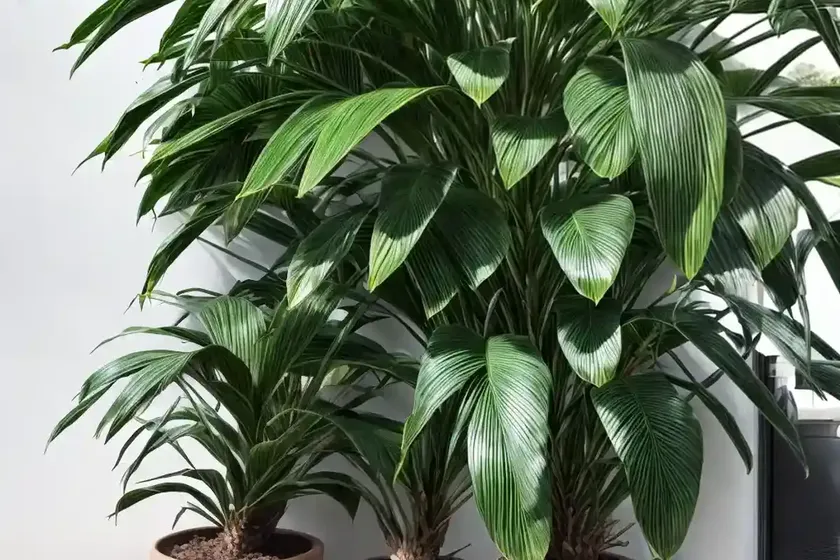
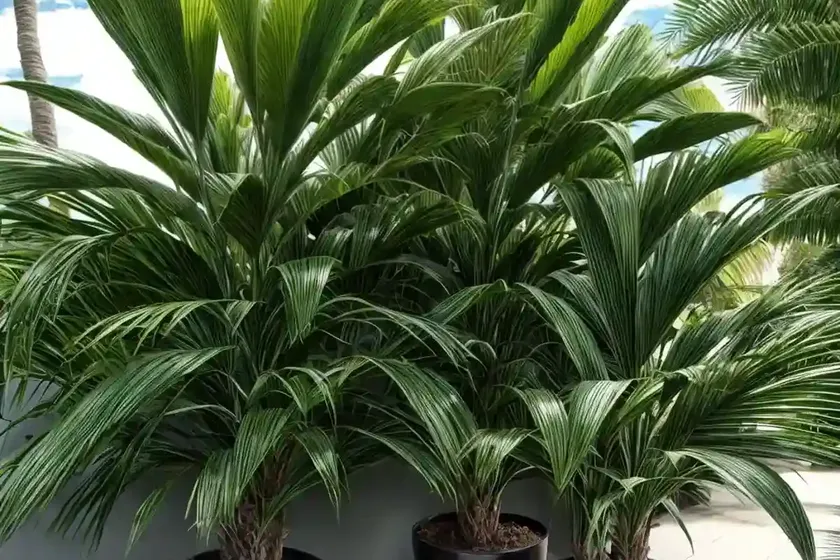
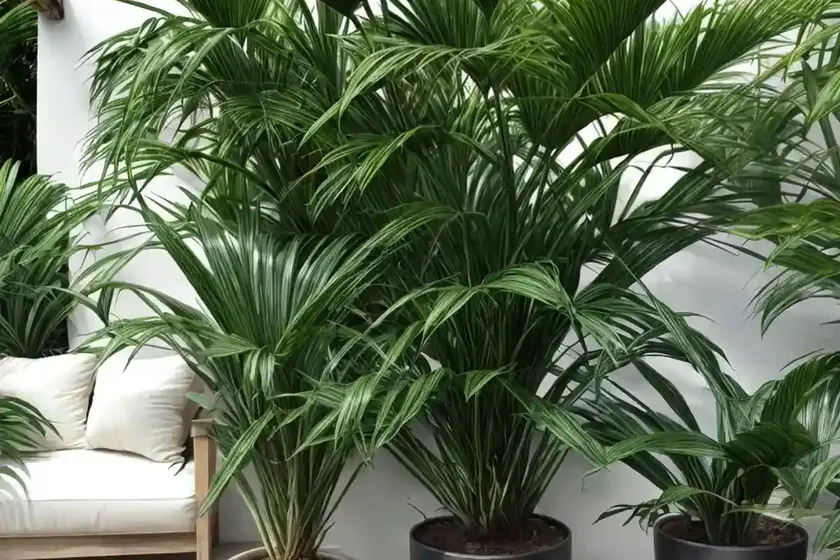
Plants not only add beauty to our surroundings but also contribute to our well-being. Among the myriad of plant species, indoor palm plants are a popular choice for bringing a touch of nature into our homes and offices. Rhapis excelsa, commonly known as the Lady Palm, is one such popular choice for indoor gardening enthusiasts. With its elegant foliage and relatively low maintenance requirements, the Lady Palm has gained a special place in the hearts of plant lovers.
In this comprehensive guide, we will delve into the world of Rhapis excelsa, exploring various aspects of its care, propagation, uses, and more. Whether you’re a seasoned plant enthusiast or a beginner looking to explore the realm of indoor gardening, this guide will equip you with the knowledge to nurture and appreciate this remarkable plant.
What is Rhapis excelsa (Lady Palm)?
Rhapis excelsa, a species of fan palm, is native to southeastern Asia, hailing from regions such as Taiwan and Southern China. Its elegant appearance and adaptability have made it a popular choice for both indoor and outdoor landscaping. The Lady Palm is characterized by its sturdy, cane-like stems and lush, dark green fronds, which give it a distinctly tropical and ornamental appeal.
Key Takeaways – Rhapis excelsa (Lady Palm)
Before we dive into the specifics of caring for the Lady Palm, let’s take a moment to highlight some key takeaways about this plant:
- Scientific Name: Rhapis excelsa
- Common Name: Lady Palm
- Plant Type: Perennial, evergreen palm
- Growth Habit: Clumping, multi-stemmed
- Uses: Ornamental plant for indoor and outdoor landscaping
- Notable Features: Fan-shaped palmate leaves, slow growth rate, air-purifying qualities
Now that we have a general understanding of what the Lady Palm is, let’s explore some critical aspects of its care and cultivation.
Culture
Water
Lady Palms thrive in consistently moist but well-draining soil. While they have a degree of drought tolerance, it’s essential to maintain proper moisture levels to ensure optimal growth and health. When watering, it’s crucial to avoid waterlogging the soil, as this can lead to root rot and other issues. A general rule of thumb is to water when the top inch of the soil feels dry, ensuring thorough but controlled watering sessions.
Sunlight
One of the reasons why Rhapis excelsa is a popular indoor plant is its tolerance for low light conditions. While it can adapt to various light intensities, it generally prefers bright, indirect light. Positioning your Lady Palm near a window with filtered sunlight can provide the ideal lighting conditions for robust growth.
Fertilizer
To support healthy growth, Lady Palms benefit from regular fertilization during the growing season. A balanced, water-soluble fertilizer formulated for indoor plants can be applied every 2-3 months, following the manufacturer’s instructions. It’s important not to over-fertilize, as this can result in nutrient imbalances and potential damage to the plant.
Soil
When it comes to soil requirements, Lady Palms prefer well-draining, slightly acidic to neutral soil. A high-quality potting mix designed for palms and other tropical plants can provide the appropriate growing medium. Adding perlite or sand to the soil mix can further enhance its drainage properties, promoting a healthy root system.
Pruning
Pruning is an essential aspect of Lady Palm care, primarily for aesthetic purposes and the removal of any damaged or yellowing fronds. Using clean, sharp pruning shears, any dead or discolored leaves can be carefully removed to maintain the plant’s appearance. For optimal results, pruning should be performed during the active growing season to minimize stress on the plant.
Propagation
While Rhapis excelsa can be propagated through division, it’s a relatively slow process due to its slow growth rate. However, for those interested in propagating Lady Palms, division can be carried out during repotting. The plant’s root ball can be carefully divided into sections, each containing a stem and root system, and then repotted into individual containers with suitable growing conditions.
Container Popularity
Due to its adaptability to indoor environments, Rhapis excelsa is a favored choice for container gardening. The elegant appearance of the Lady Palm makes it an ideal ornamental addition to home and office spaces, bringing a touch of tropical beauty to interior settings.
Container
When choosing a container for your Lady Palm, it’s important to select a pot with drainage holes to prevent water accumulation. This allows excess water to drain freely, reducing the risk of root rot. Additionally, a container with sufficient depth and width to accommodate the plant’s root system is essential for promoting healthy growth.
Common Diseases
As with any plant, Lady Palms are susceptible to certain diseases and issues that can impact their health. Being aware of common diseases and their potential causes is crucial for effective plant care.
Disease Diagnosis
Some common diseases that may affect Rhapis excelsa include:
- Root Rot: Caused by over-watering and waterlogged soil
- Leaf Spot: Fungal infection leading to the development of dark spots on the leaves
- Palm Scale: Infestation of scale insects, leading to yellowing and weakening of the plant
By closely monitoring the plant for any signs of discoloration, wilting, or unusual spots, early detection and treatment of potential diseases can be facilitated.
Common Pests
Lady Palms can also fall victim to various pests that can compromise their health and appearance. Being proactive in pest management is essential to maintain the well-being of the plant.
Botanist’s Tips
Some key tips from botanists for caring for Lady Palms include:
- Regular Inspection: Periodically inspect the plant for signs of pests, diseases, or nutrient deficiencies
- Moderate Watering: Practice controlled watering to maintain consistent moisture levels and prevent water-related issues
- Proper Pruning: Conduct regular pruning to remove any damaged or dead fronds and maintain the plant’s appearance
Fun Facts
In addition to its ornamental appeal and air-purifying qualities, Rhapis excelsa boasts a few fascinating characteristics:
- Traditional Uses: In traditional Asian cultures, Lady Palms are believed to bring good luck and prosperity, making them popular choices for interior décor and good fortune.
- Air-Purifying Qualities: Lady Palms are recognized for their ability to remove toxins from the air, contributing to improved air quality in indoor spaces.
- Longevity: When provided with proper care, Lady Palms can live for several decades, making them enduring companions in indoor environments.
Links to External Resources
For further information on Lady Palm care, propagation, and other related topics, consider exploring the following resources:
-
The American Phytopathological Society – Common Diseases of Palms
-
University of California Statewide Integrated Pest Management Program – Insect Pests of Palms
In conclusion, Rhapis excelsa (Lady Palm) stands as a captivating and resilient plant species that has won the hearts of indoor gardening enthusiasts worldwide. With its graceful fronds, air-purifying qualities, and adaptability to indoor environments, the Lady Palm is a testament to the inherent beauty and vitality of the plant kingdom. Whether adorning indoor spaces or gracing outdoor landscapes, the elegance and charm of the Lady Palm are sure to enrich any botanical setting. Through the valuable information provided in this guide, may your journey with Rhapis excelsa be filled with flourishing growth, natural tranquility, and a deeper appreciation for the marvels of plant life.