Rehmannia (Rehmannia Elata)
As a plant scientist specialized in horticulture and plant physiology, I am excited to share with you the beauty and benefits of the Rehmannia (Rehmannia.
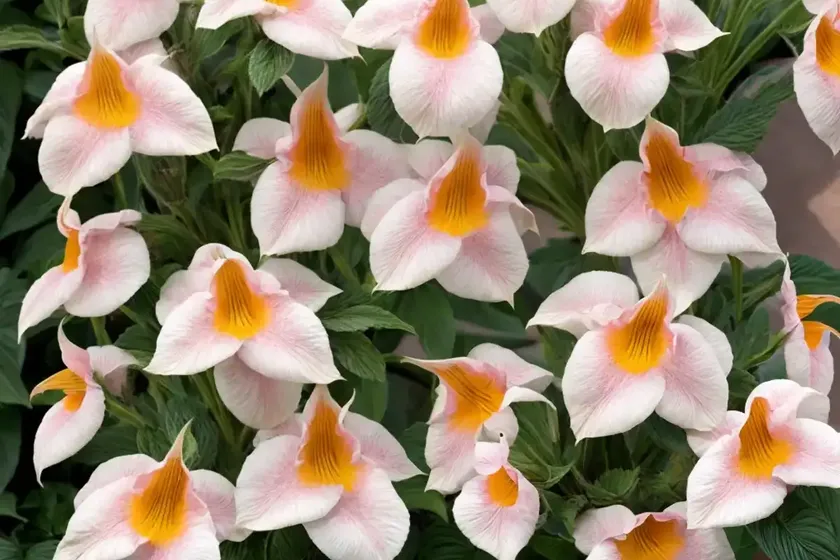
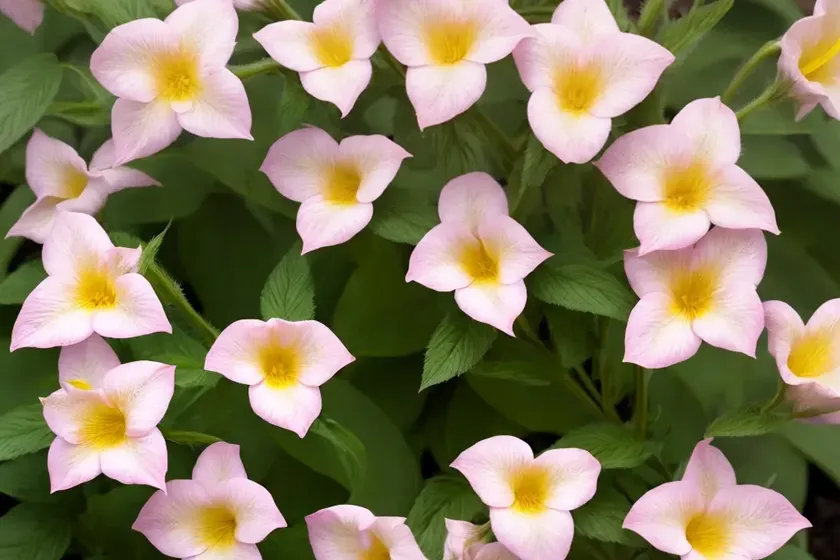
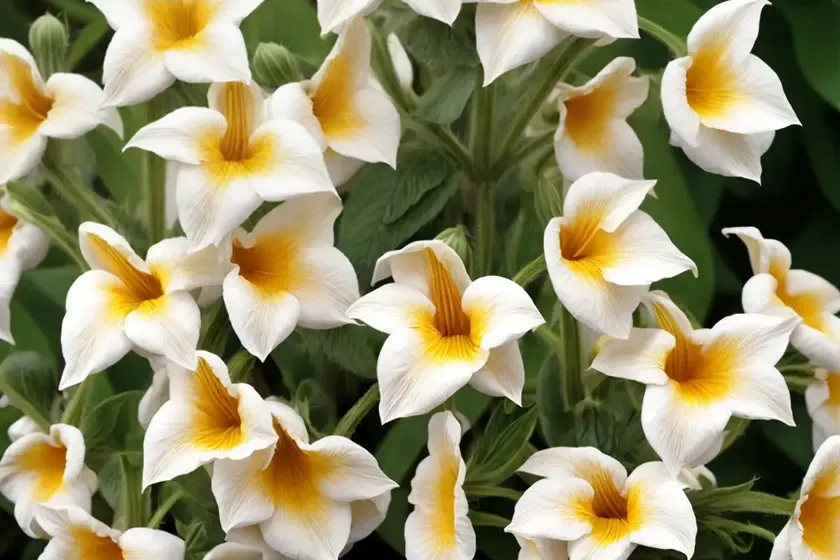
As a plant scientist specialized in horticulture and plant physiology, I am excited to share with you the beauty and benefits of the Rehmannia (Rehmannia elata) plant. In this comprehensive guide, we will explore the significance, growth requirements, uses, and care tips for Rehmannia elata. Whether you are a seasoned gardener or just starting your gardening journey, this article will equip you with valuable insights into this remarkable plant.
What is Rehmannia (Rehmannia elata)?
Rehmannia elata is a species of flowering plant in the family Orobanchaceae, native to China and is recognized for its ornamental and medicinal properties. As a herbaceous perennial, it produces clusters of vibrant flowers and displays attractive foliage, making it a popular choice for gardeners and landscape enthusiasts.
Key Takeaways – Rehmannia (Rehmannia elata)
Before diving into the details, let’s take a brief look at the key takeaways regarding Rehmannia (Rehmannia elata):
- Scientific Name: Rehmannia elata
- Common Name: Rehmannia
- Plant Type: Herbaceous Perennial
- Native Habitat: China
- Uses: Ornamental, Medicinal
- Growth Rate: Moderate
- Flowering Period: Late Spring to Early Summer
- Hardiness Zones: 5-9
- Sunlight Preferences: Part Shade to Full Sun
- Watering Needs: Moderate
- Soil Type: Well-Draining, Rich in Organic Matter
Now that we have a brief overview, let’s delve into the specific aspects of growing and caring for Rehmannia elata.
Culture
Rehmannia elata is deeply ingrained in the culture and traditions of China, where it has been revered for its medicinal properties for centuries. Culturally and historically, Rehmannia elata holds a significant place in traditional Chinese medicine, and its utilization extends to various health practices and herbal remedies.
Uses
Medicinal Uses
Rehmannia elata has been extensively utilized in traditional Chinese medicine for its potential health benefits. The plant is believed to possess properties that can support various aspects of health, including kidney function, immune system regulation, and overall wellness. Its roots and leaves are employed in the formulation of herbal remedies aimed at addressing specific health concerns.
Ornamental Purposes
In addition to its medicinal uses, Rehmannia elata is cultivated for its ornamental value. The striking flowers and lush foliage make it an attractive choice for landscape design, adding vibrant colors and visual interest to gardens and outdoor spaces.
Growth Requirements and Care Tips
Understanding the specific needs of Rehmannia elata is crucial for promoting its healthy growth and maximizing its ornamental and medicinal potential. Let’s delve into the key factors to consider when cultivating and caring for Rehmannia elata.
Water
The watering needs of Rehmannia elata can be described as moderate. It thrives in well-drained soil and benefits from consistent moisture, especially during periods of active growth. Adequate irrigation is essential for supporting healthy root development and ensuring the plant’s overall vigor.
Sunlight
Rehmannia elata exhibits a preference for part shade to full sun. When selecting a planting site or determining its placement in a garden or landscape, it is essential to consider the balance of sunlight and shade to meet the plant’s specific light requirements.
Fertilizer
Providing the appropriate nutrients is essential for promoting robust growth and abundant flowering in Rehmannia elata. A balanced, all-purpose fertilizer can be applied during the growing season to support the plant’s nutritional needs. It is recommended to follow the manufacturer’s instructions and apply the fertilizer at the appropriate rates to avoid over-fertilization.
Soil
The soil requirements for Rehmannia elata center around well-draining, rich, and fertile soil. Incorporating organic matter into the soil can enhance its texture and fertility, creating an optimal growing environment for the plant. Additionally, maintaining a slightly acidic to neutral soil pH is favorable for its growth and development.
Pruning
Pruning can play a role in shaping and maintaining the appearance of Rehmannia elata. Removing spent flowers and pruning back any damaged or overgrown foliage can contribute to the plant’s overall aesthetics. Additionally, regular pruning can help manage the plant’s size and shape, ensuring a tidy and well-maintained appearance.
Propagation
Rehmannia elata can be propagated through various methods, including division, cuttings, and seed propagation. Each approach offers unique benefits and considerations, and the choice of propagation method may depend on factors such as timing, available resources, and the specific goals of the gardener or horticulturist.
Container Popularity
The container gardening trend has led to an increased interest in cultivating Rehmannia elata in pots, planters, and other containers. Its ornamental value and moderate growth habits make it well-suited for container cultivation, allowing individuals to enjoy its beauty and benefits in a versatile and adaptable manner.
Common Diseases and Pest Management
To ensure the optimal health and vitality of Rehmannia elata, it is essential to be aware of potential diseases and pests that may affect the plant. Proactive measures and prompt interventions can help mitigate the impact of these issues and maintain the plant’s well-being.
Common Diseases
Leaf Spot
Leaf spot, caused by fungal pathogens, can manifest as dark spots or lesions on the foliage of Rehmannia elata. It is important to monitor the plant for any signs of leaf spot and implement appropriate measures to prevent its spread and minimize its impact on the plant’s overall health.
Root Rot
Prolonged periods of excessive moisture or poorly drained soil can create conditions conducive to root rot in Rehmannia elata. Monitoring the soil moisture levels and providing adequate drainage are essential strategies for preventing and managing the risk of root rot.
Disease Diagnosis
Diagnosing potential diseases requires careful observation and, if necessary, consulting with a plant health professional or diagnostic laboratory. Identifying the specific symptoms and signs of disease can aid in selecting the most effective management strategies and protecting the plant from further harm.
Common Pests
Aphids
Aphids are known to feed on the sap of plants, including Rehmannia elata, and can cause damage to the foliage and overall vigor of the plant. Implementing pest monitoring and control measures can help mitigate the impact of aphids and preserve the plant’s health.
Spider Mites
Spider mites can pose a threat to Rehmannia elata, especially in dry and warm conditions. Monitoring for signs of infestation and utilizing appropriate pest control methods can help address spider mite issues and safeguard the plant from their detrimental effects.
Botanist’s Tips
Soil Preparation
Prior to planting or transplanting Rehmannia elata, thorough soil preparation is crucial. Incorporating organic matter, such as compost or well-rotted manure, can enhance soil fertility and structure, creating an optimal foundation for the plant’s growth and establishment.
Water Management
Balanced and consistent moisture management is essential for Rehmannia elata. Monitoring soil moisture levels and adjusting watering practices based on environmental conditions and plant needs can contribute to the plant’s overall health and resilience.
Pruning Techniques
Pruning should be approached thoughtfully, with an emphasis on removing spent flowers, shaping the plant, and maintaining its overall appearance. Utilizing sanitized pruning tools and following best practices can ensure effective and precise pruning without compromising the plant’s vitality.
Planting Guide
When planting Rehmannia elata, it is important to consider factors such as spacing, planting depth, and soil amendments. Following a comprehensive planting guide can promote successful establishment and support the plant’s long-term growth and performance.
Fun Facts
- Rehmannia elata is revered for its role in traditional Chinese medicine, where its roots and leaves are utilized in the formulation of herbal remedies.
- The plant’s vibrant flowers and lush foliage make it an eye-catching addition to gardens and landscapes, adding visual appeal and botanical interest.
- Rehmannia elata’s adaptability to container gardening offers versatility in how it can be incorporated into outdoor spaces, including patios, balconies, and urban gardens.
- The plant’s potential health benefits and ornamental value underline its multifaceted appeal to gardening enthusiasts and health-conscious individuals alike.
Links to External Resources
Organizations and Research Institutions
- Royal Botanic Gardens, Kew – Rehmannia elata Information
- Missouri Botanical Garden – Rehmannia elata Profile
Horticultural Publications and Journals
- “The Journal of Horticultural Science & Biotechnology” – Investigating the Cultivation and Medicinal Uses of Rehmannia elata
Gardening and Landscape Design Resources
- RHS Gardening – Rehmannia elata Cultivation Tips
- Fine Gardening – Growing Rehmannia elata in Containers
Traditional Chinese Medicine and Herbal Medicine References
- National Center for Biotechnology Information – Rehmannia elata in Chinese Herbal Medicine
- The Journal of Traditional and Complementary Medicine – Traditional Uses and Phytochemical Analysis of Rehmannia elata
In conclusion, Rehmannia elata stands as a fascinating plant with a rich cultural history, significant medicinal potential, and captivating ornamental attributes. By understanding its growth requirements, care guidelines, and potential uses, individuals can explore the diverse benefits of this unique plant. Whether integrated into traditional Chinese medicine practices or cultivated for its beauty in garden settings, Rehmannia elata embodies a harmonious blend of horticultural and herbal interest, captivating enthusiasts and practitioners around the world.


