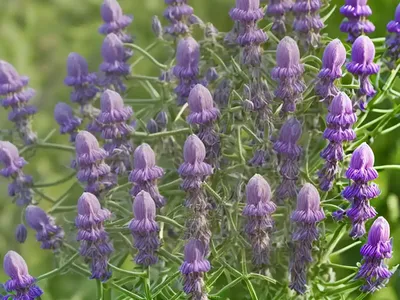
Reddish Tufted Vetch (Vicia Benghalensis)
Plants play a fundamental role in maintaining the balance of life on our planet. They provide us with food, medicine, oxygen, and contribute to the.
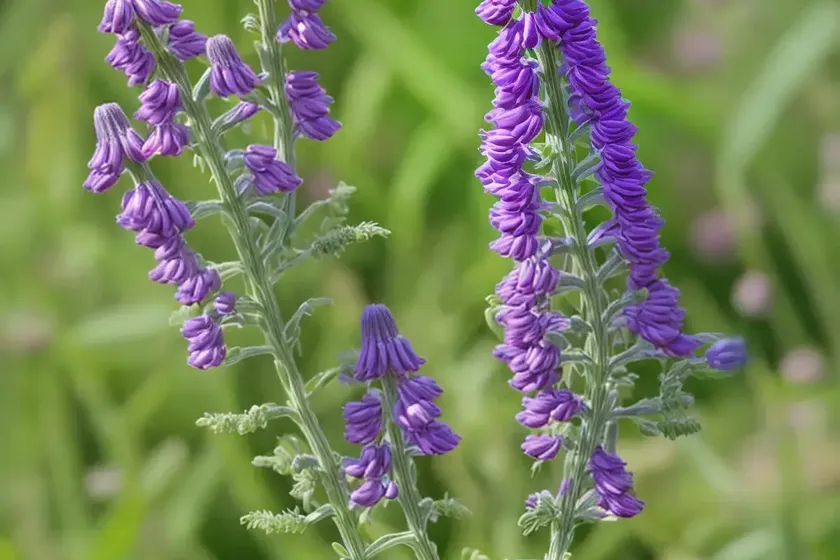
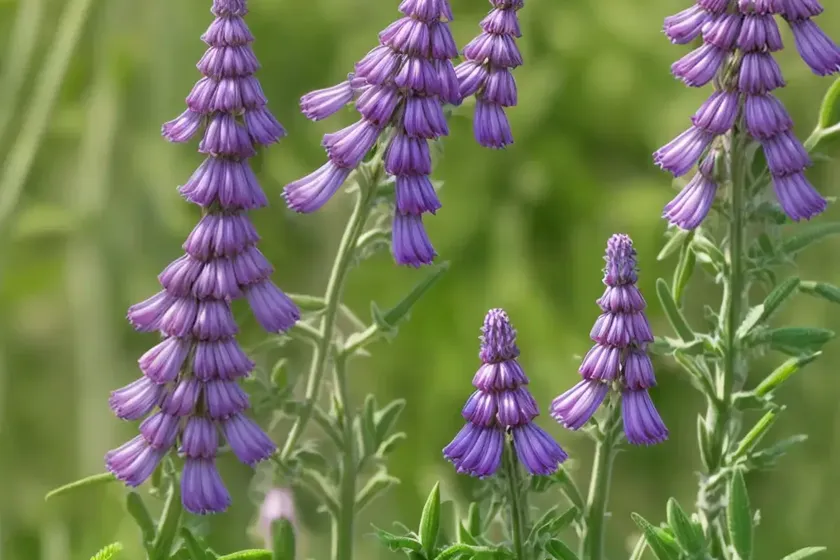
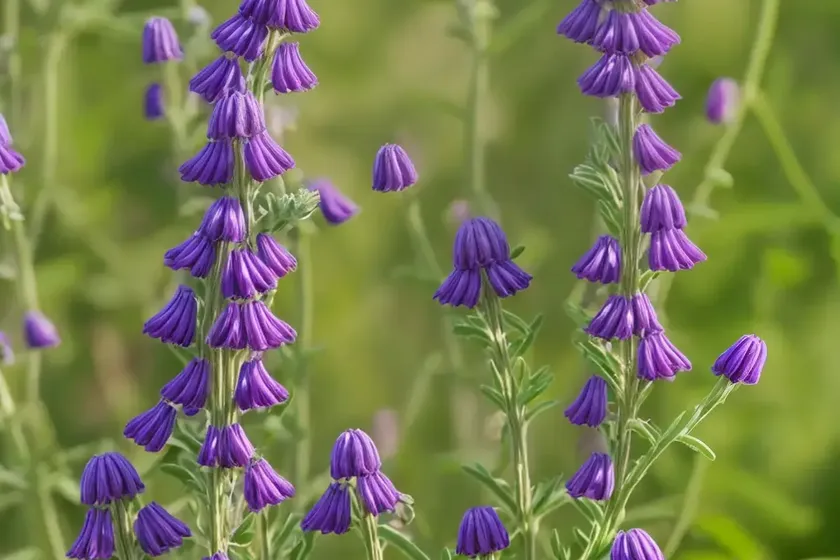
Plants play a fundamental role in maintaining the balance of life on our planet. They provide us with food, medicine, oxygen, and contribute to the aesthetics of our surroundings. One such fascinating plant is the Reddish Tufted Vetch, scientifically known as Vicia benghalensis. In this extensive guide, we will delve into the various aspects of this plant, including its culture, uses, care, common diseases, propagation, and much more.
What is Reddish Tufted Vetch (Vicia benghalensis)?
Vicia benghalensis, commonly referred to as Reddish Tufted Vetch, is a species of flowering plant in the legume family, Fabaceae. It is native to Asia, specifically to countries like India, Pakistan, and Nepal. This plant is known for its distinct reddish appearance and its ecological significance, making it a valuable addition to ecosystems and gardens alike.
Key Takeaways – Reddish Tufted Vetch (Vicia benghalensis)
Before we embark on our exploration of the Reddish Tufted Vetch, let’s briefly highlight the key takeaways related to this plant.
Culture
- Scientific Name: Vicia benghalensis
- Common Name: Reddish Tufted Vetch
- Family: Fabaceae
- Native Habitat: Asia, specifically India, Pakistan, and Nepal
Uses
- Soil improvement through nitrogen fixation
- Erosion control
- Forage for livestock
- Attracts pollinators and beneficial insects
- Medicinal uses in traditional medicine
Care
- Water: Moderate
- Sunlight: Full sun to partial shade
- Soil: Well-draining, fertile soil
- Fertilizer: Balanced fertilizer during the growing season
- Pruning: Minimal pruning required
- Propagation: Seeds or cuttings
Common Diseases
- Powdery mildew
- Root rot
Common Pests
- Aphids
- Leafhoppers
- Spider mites
Botanist’s Tips
- Encourage biodiversity by planting Reddish Tufted Vetch
- Utilize it as a cover crop to improve soil health
- Incorporate it into sustainable gardening practices
Fun Facts
- Vicia benghalensis is an excellent nitrogen-fixing plant, contributing to soil fertility.
- The plant’s vibrant reddish flowers make it an attractive addition to landscapes and gardens.
Links to External Resources
To deepen your understanding of the Reddish Tufted Vetch, consider exploring these external resources:
1. Flora of Pakistan Database
2. The Plant List
3. USDA PLANTS Database
Now that we have outlined the key takeaways, let’s delve deeper into the various aspects of this fascinating plant.
Reddish Tufted Vetch (Vicia benghalensis): Culture
Understanding the cultural requirements of the Reddish Tufted Vetch is crucial for its successful growth and cultivation. Let’s explore the essential cultural aspects of this plant.
Water
Proper watering is essential for the health and vigor of Reddish Tufted Vetch. While it is relatively drought-tolerant once established, consistent moisture is beneficial, especially during the growing season. However, it is important to avoid waterlogged conditions, as excessive moisture can lead to root rot and other detrimental effects.
Sunlight
Reddish Tufted Vetch thrives in full sun to partial shade. It can adapt to a range of light conditions, making it a versatile plant for various environments. However, providing adequate sunlight promotes robust growth and profuse flowering.
Fertilizer
As a leguminous plant, Reddish Tufted Vetch has the exceptional ability to fix atmospheric nitrogen with the help of symbiotic rhizobia bacteria present in its root nodules. This unique trait enables the plant to thrive in nitrogen-deficient soils and contribute to soil improvement. While additional fertilization may not be necessary in nitrogen-rich soils, applying a balanced fertilizer during the growing season can support healthy growth and flowering.
Soil
The soil requirements of Reddish Tufted Vetch include well-draining, fertile soil. It adapts well to various soil types, including sandy loam and clay loam, as long as the soil is not waterlogged. Additionally, the plant benefits from a slightly alkaline to neutral soil pH.
Reddish Tufted Vetch (Vicia benghalensis): Uses
The Reddish Tufted Vetch offers a multitude of uses, ranging from soil improvement to medicinal applications. Understanding its diverse uses can help in maximizing the benefits of this plant in different contexts.
Soil Improvement through Nitrogen Fixation
One of the most significant contributions of Reddish Tufted Vetch is its ability to enrich the soil through nitrogen fixation. By establishing a symbiotic relationship with nitrogen-fixing bacteria, the plant converts atmospheric nitrogen into a form that is readily available to other plants, thereby enhancing soil fertility.
Erosion Control
The sprawling growth habit and dense root system of Reddish Tufted Vetch make it an effective plant for erosion control. Its extensive root network helps bind the soil, reducing the risk of erosion in vulnerable areas such as slopes and embankments.
Forage for Livestock
In agricultural settings, Reddish Tufted Vetch serves as a valuable forage crop for livestock. Its nutrient-rich foliage is palatable to grazing animals, providing a source of protein and other essential nutrients.
Attracts Pollinators and Beneficial Insects
The vibrant reddish tufted flowers of Vicia benghalensis attract a variety of pollinators, including bees, butterflies, and other beneficial insects. Serving as a pollinator attractant, the plant contributes to the overall biodiversity and ecological balance in its habitat.
Medicinal Uses in Traditional Medicine
In traditional medicine systems, various parts of the Reddish Tufted Vetch plant are utilized for their medicinal properties. This includes the use of roots, leaves, and seeds in herbal remedies for addressing certain health conditions.
Reddish Tufted Vetch (Vicia benghalensis): Care
Providing the appropriate care is essential for the optimal growth and development of Reddish Tufted Vetch. Let’s explore the key elements of care that contribute to the well-being of this plant.
Water
Maintaining moderate soil moisture is essential for the health of Reddish Tufted Vetch. While it can tolerate short periods of drought once established, regular watering during dry spells supports robust growth and flowering.
Sunlight
Positioning the plant in an area with full sun to partial shade promotes vigorous growth and abundant flowering. Adequate sunlight exposure is particularly important for maximizing its ornamental value in a garden or landscape setting.
Fertilizer
As a nitrogen-fixing plant, Reddish Tufted Vetch has a unique nutritional requirement. While it can thrive in nitrogen-deficient soils, providing a balanced fertilizer during the growing season can support its overall health and performance.
Pruning
Minimal pruning is required for Reddish Tufted Vetch. Removal of any dead or diseased foliage, as well as light trimming to maintain its shape, can be carried out as needed. However, the plant generally maintains an attractive form with minimal intervention.
Propagation
Reddish Tufted Vetch can be propagated through seeds or cuttings. When propagating from seeds, it is important to scarify the seeds to break their hard coating, promoting germination. Stem cuttings can also be rooted to propagate new plants.
Common Diseases and Pests
Like any other plant, Reddish Tufted Vetch is susceptible to certain diseases and pests. Understanding these potential challenges is crucial for implementing effective management strategies.
Common Diseases
Powdery Mildew
Powdery mildew, caused by fungal pathogens, can affect the foliage of Reddish Tufted Vetch, leading to the development of a powdery white coating on the leaves. Proper air circulation and the use of disease-resistant varieties can help prevent and manage this fungal disease.
Root Rot
Excessive moisture and waterlogged conditions can predispose Reddish Tufted Vetch to root rot, which can negatively impact the plant’s health and vigor. Ensuring well-draining soil and avoiding overwatering are essential preventive measures.
Common Pests
Aphids
Aphids, small sap-sucking insects, can infest the foliage of Reddish Tufted Vetch, causing damage and distortion to the plant’s growth. Natural predators and insecticidal soaps can be used to manage aphid infestations.
Leafhoppers
Leafhoppers are another potential pest that can feed on the sap of Reddish Tufted Vetch, leading to stunted growth and damage to the foliage. Implementing cultural controls and using insecticides when necessary can help mitigate leafhopper populations.
Spider Mites
Spider mites, tiny arachnids that feed on plant sap, can cause stippling and discoloration of the leaves of Reddish Tufted Vetch. Regular monitoring and the application of horticultural oils can aid in managing spider mite infestations.
Botanist’s Tips
As a plant scientist, here are some valuable tips for incorporating Reddish Tufted Vetch into various gardening and ecological contexts.
Encourage Biodiversity by Planting Reddish Tufted Vetch
The presence of Reddish Tufted Vetch in a garden or natural habitat promotes biodiversity by attracting pollinators and beneficial insects. Consider integrating it into diverse planting schemes to enhance ecological balance.
Utilize It as a Cover Crop to Improve Soil Health
In agricultural settings, Reddish Tufted Vetch can be utilized as a cover crop to enhance soil fertility through nitrogen fixation. Its sprawling growth and ability to suppress weeds make it a valuable addition to crop rotation systems.
Incorporate It into Sustainable Gardening Practices
By incorporating Reddish Tufted Vetch into sustainable gardening practices such as permaculture and agroforestry, it is possible to derive multiple benefits, including soil improvement, erosion control, and the promotion of wildlife habitat.
Fun Facts
Delving into the realm of fun and intriguing facts about Reddish Tufted Vetch adds a deeper layer of appreciation for this remarkable plant.
- Vicia benghalensis is an excellent nitrogen-fixing plant, contributing to soil fertility and ecosystem sustainability.
- The vibrant reddish tufted flowers of the plant make it an attractive and visually appealing addition to natural landscapes and gardens.
Links to External Resources
For further exploration and in-depth research on Reddish Tufted Vetch, consider referring to the following external resources:
– Flora of Pakistan Database
– The Plant List
– USDA PLANTS Database
In conclusion, the Reddish Tufted Vetch (Vicia benghalensis) stands as a captivating plant with diverse uses, ecological significance, and ornamental value. Understanding its culture, uses, care requirements, potential challenges, and ecological contributions equips us to appreciate and harness the potential of this remarkable plant in various contexts.
By integrating Reddish Tufted Vetch into ecological restoration efforts, sustainable gardening practices, and agricultural systems, we can leverage its unique attributes to contribute to a healthier and more biodiverse environment.
Whether it’s serving as a nitrogen-fixing cover crop, enhancing wildlife habitat, or adding aesthetic appeal to landscapes, Reddish Tufted Vetch has the potential to play a meaningful role in our interactions with the natural world, securing its place as a valuable and multifaceted plant species.
Let’s continue to explore, appreciate, and harness the potential of plants like Reddish Tufted Vetch as we strive to cultivate resilient and sustainable ecosystems for the benefit of future generations.