Red Twig Dogwood (Cornus sericea ‘Cardinal’)
Red twig dogwood (Cornus sericea ‘Cardinal’) is a show-stopping shrub, known for its vibrant red twigs that add color and interest to the winter landscape. In this blog post, we will explore the key characteristics of this plant, its cultural requirements, uses in landscaping, and tips for care and maintenance. Whether you are considering adding this striking shrub to your garden or looking to enhance your existing red twig dogwood, this comprehensive guide will provide valuable insights.
What is Red Twig Dogwood?
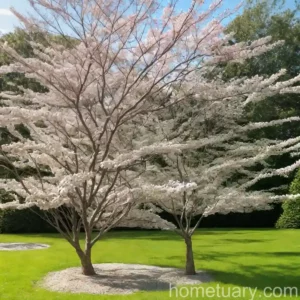
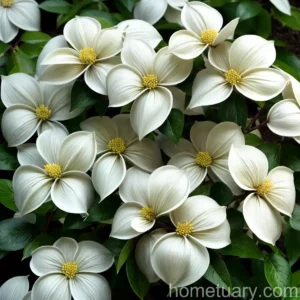
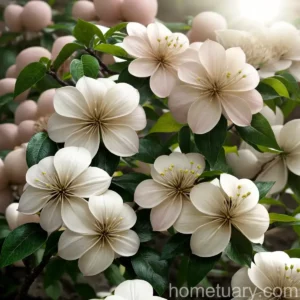
Red twig dogwood, scientifically known as Cornus sericea ‘Cardinal’, is a deciduous shrub that belongs to the Cornaceae family. It is native to North America and is commonly found in wetland areas, along stream banks, and in moist woodlands. This striking plant is prized for its year-round appeal, with its most notable feature being the brilliant red color of its young stems, particularly evident during the winter months. In addition to its striking winter display, red twig dogwood also produces clusters of white flowers in spring and attractive foliage that changes color in the fall.
Key Takeaways – Red Twig Dogwood (Cornus sericea ‘Cardinal’)
Before delving into the specifics of red twig dogwood care and cultivation, let’s outline the key takeaways that will be covered in this comprehensive guide:
- Culture
- Requirements for water, sunlight, fertilizer, soil, and pruning
- Uses
- Landscaping and decorative uses
- Propagation
- Techniques for propagating red twig dogwood
- Container
- Tips for growing red twig dogwood in containers
- Common Diseases
- Identification and management of diseases
- Common Pests
- Identification and control measures
- Botanist’s Tips
- Expert advice and recommendations
- Fun Facts
- Interesting and lesser-known facts about red twig dogwood
Now, let’s dive into each of these aspects in detail to gain a comprehensive understanding of cultivating and caring for red twig dogwood.
Culture
To ensure the health and vitality of red twig dogwood in your garden, it is crucial to understand its cultural requirements. From the type of soil it thrives in to its preferred sunlight exposure, addressing these aspects will contribute to the overall well-being of the plant.
Water
Red twig dogwood thrives in moist to wet soil conditions, making it an excellent choice for areas with poor drainage or near water features. Adequate moisture is essential for the plant’s growth and development, particularly during the establishment phase and periods of drought. However, it is important to avoid waterlogged soil, as excessive moisture can lead to root rot and other moisture-related issues.
Watering Tips:
– Establishment Phase: Provide regular watering to ensure the root system becomes established.
– Dry Periods: During dry spells, supplementary watering may be necessary to maintain soil moisture levels.
– Avoid Waterlogging: Ensure proper drainage to prevent waterlogging of the soil.
Sunlight
In terms of sunlight requirements, red twig dogwood thrives in partial to full sun exposure. While it can tolerate partial shade, it typically exhibits the best stem color and overall growth in full sun conditions. Selecting a suitable location that provides adequate sunlight will contribute to the plant’s vigor and enhance its visual appeal, particularly during the winter months when the red stems are most prominent.
Sunlight Guidelines:
– Full Sun: Aim to plant red twig dogwood in an area that receives at least 6 hours of direct sunlight per day for optimal growth and stem coloration.
– Partial Shade: While tolerant of partial shade, be mindful that it may result in slightly reduced stem color intensity.
Fertilizer
When it comes to fertilizing red twig dogwood, minimal intervention is generally recommended. This resilient shrub is adaptable to various soil conditions and thrives without the need for frequent or intensive fertilization. However, a well-balanced application of fertilizer can support the plant’s growth and overall health, particularly in instances where the soil quality is poor or deficient in essential nutrients.
Fertilization Tips:
– Minimal Fertilization: Red twig dogwood typically thrives without the need for intensive fertilization.
– Soil Test: Conduct a soil test to assess nutrient levels and determine if fertilization is necessary.
– Balanced Fertilizer: If fertilization is deemed necessary, opt for a balanced, slow-release fertilizer applied in early spring.
Soil
Red twig dogwood exhibits adaptability to a range of soil types, including moist, well-draining soils. It thrives in acidic to slightly alkaline soil pH levels and can tolerate wetter conditions, making it a suitable option for areas with periodic flooding or high soil moisture content. Understanding the soil preferences of red twig dogwood is essential for creating an environment conducive to its growth and vitality.
Soil Considerations:
– Moisture Retention: Opt for soil with good moisture retention properties to provide the plant with consistent access to moisture.
– Drainage: Ensure proper drainage to prevent waterlogged soil, particularly in areas prone to excessive moisture.
– Soil pH: Aim for slightly acidic to slightly alkaline soil pH levels within the range of 5.5 to 7.0 for optimal growth.
Pruning
Pruning is an essential aspect of red twig dogwood maintenance, contributing to the plant’s overall health, shape, and aesthetic appeal. Proper pruning techniques help to rejuvenate the plant, control its size, and stimulate vibrant stem growth. Understanding the timing and methods for pruning red twig dogwood is crucial for promoting robust growth and maintaining its distinctive red twig coloration.
Pruning Guidelines:
– Winter Pruning: Conduct pruning in late winter to early spring, before new growth emerges.
– Stem Color: To promote vibrant stem color, periodically remove older stems to encourage the growth of new, brightly colored ones.
– Sanitation: Practice proper pruning hygiene by removing dead or diseased wood, crossing branches, and maintaining an open, balanced structure.
Uses
Red twig dogwood is valued for its versatility and ornamental value, making it a popular choice for various landscaping and decorative applications. Whether used as a focal point in garden designs, incorporated into naturalized settings, or utilized for its wildlife and ecological benefits, red twig dogwood offers a range of uses that contribute to its appeal and practicality.
Landscaping Uses
Native Plantings: Incorporate red twig dogwood into native plantings, stream restoration projects, and wetland mitigation areas to support ecosystem health and biodiversity.
Erosion Control: Utilize red twig dogwood for erosion control along waterways, embankments, and sloped terrain, where its extensive root system helps stabilize the soil.
Winter Interest: Leverage the striking red stems of red twig dogwood to introduce visual interest and color into winter landscapes, providing a captivating focal point during the dormant season.
Wildlife Habitat: Create wildlife-friendly landscapes by incorporating red twig dogwood, which provides cover, nesting sites, and food sources for various bird species and small mammals.
Ornamental Appeal: Enhance the visual appeal of gardens and landscapes by incorporating red twig dogwood as a specimen shrub, hedge, or mass planting, especially in areas where its winter coloration can be prominently featured.
Propagation
Propagating red twig dogwood allows for the expansion of its presence in the landscape, providing an opportunity to create new plantings, share specimens with others, and preserve desirable cultivars. Various methods, such as stem cuttings and division, can be employed to successfully propagate red twig dogwood and produce healthy, genetically identical plants.
Stem Cuttings
Selecting Cuttings: Choose healthy, non-flowering stems in late spring to early summer, approximately 6 to 8 inches in length, and remove lower leaves to expose the nodes.
Rooting Medium: Dip the cut ends in rooting hormone and plant them in a well-draining rooting medium, maintaining consistent moisture and warmth to encourage root development.
Transplanting: Once rooted, carefully transplant the cuttings into individual containers and provide conducive growing conditions to support their establishment.
Division
Established Plants: Divide mature red twig dogwood specimens in early spring before the onset of new growth, ensuring each division possesses a portion of the root system and above-ground growth.
Planting Divisions: Plant the divisions in prepared soil, ensuring adequate moisture and protection from excessive sun exposure during the initial establishment phase.
Care and Maintenance: Provide regular monitoring, watering, and care to promote the growth and vitality of the divided plants.
Container
Growing red twig dogwood in containers presents a viable option for individuals with limited garden space, as well as those seeking to create portable, seasonal displays. When cultivated in containers, red twig dogwood can be featured on patios, decks, or other outdoor living spaces, enriching the surroundings with its distinctive color and visual appeal.
Container Considerations
Selection: Choose a large container with adequate drainage holes to accommodate the plant’s root system and allow excess water to escape.
Growing Medium: Utilize a well-draining, nutrient-rich growing medium to support the growth and development of red twig dogwood in containers.
Watering: Maintain consistent moisture levels by regularly watering the plant, ensuring that the container soil does not become excessively dry or waterlogged.
Sunlight: Position the container in a location that receives optimal sunlight, typically providing the plant with at least 6 to 8 hours of direct sun exposure daily.
Popularity
Red twig dogwood, particularly the ‘Cardinal’ cultivar, has gained widespread popularity among gardeners, landscapers, and enthusiasts due to its striking visual appeal and versatile characteristics. Its unique attributes, including vibrant winter stem color, wildlife benefits, and adaptability to various growing conditions, contribute to its desirability and relevance in both residential and commercial landscapes.
Landscape Applications
Residential Gardens: Enhance the beauty of residential gardens by incorporating red twig dogwood as a standalone specimen, hedge, or mass planting, accentuating its year-round appeal.
Public Spaces: Landscaping professionals utilize red twig dogwood in public parks, naturalized areas, and commercial landscapes to create visually captivating displays and promote ecological diversity.
Educational Settings: Educational institutions, botanical gardens, and arboreta often feature red twig dogwood in their landscapes to educate visitors about native plant species and their ecological significance.
Wildlife Gardens: Red twig dogwood is a popular choice for wildlife gardens, bird-friendly landscapes, and ecological restoration projects due to its significant wildlife habitat value.
Common Diseases
While red twig dogwood is generally resilient and low-maintenance, it is susceptible to certain diseases that can affect its health and appearance if left unmanaged. Understanding the symptoms, prevention strategies, and treatment options for common diseases is essential for preserving and protecting the plant from potential threats.
Disease Diagnosis
Anthracnose: Look for symptoms such as tan to brown lesions on leaves, stems, and flowers, often accompanied by leaf wilting and dieback. Proper sanitation and pruning can help manage anthracnose.
Powdery Mildew: Identify the presence of powdery, white fungal growth on the upper surfaces of leaves, typically occurring in warm, dry conditions. Selecting resistant cultivars and providing adequate air circulation can help prevent powdery mildew.
Leaf Spot: Monitor for circular, dark-colored spots on leaves, often surrounded by a yellow halo. Address leaf spot by promoting overall plant health and sanitation.
Cankers: Check for sunken, discolored areas on stems and branches, indicative of canker development. Prune affected areas and maintain proper irrigation to minimize canker incidence.
Disease Management
Cultural Practices: Implement cultural practices such as proper sanitation, adequate spacing, and optimal irrigation to minimize disease pressure and support the plant’s natural defense mechanisms.
Resistant Cultivars: Choose disease-resistant cultivars, such as ‘Cardinal’, known for their ability to withstand certain diseases and environmental stressors.
Fungicidal Treatments: In severe cases, consider utilizing fungicidal treatments following professional diagnosis and recommendations to address specific disease issues effectively.
Common Pests
Red twig dogwood can encounter certain pest problems that have the potential to impact its growth and overall vitality. Identifying common pests, implementing preventive measures, and addressing infestations in a timely manner are integral to maintaining the health and aesthetic appeal of the plant.
Pest Identification
Aphids: Monitor for the presence of aphids, particularly on new growth and undersides of leaves, and address infestations promptly to prevent damage.
Scale Insects: Check for scale insects on stems and branches, identifying their presence through the appearance of small, waxy coverings. Implement targeted control measures to manage scale populations effectively.
Borers: Watch for signs of borer infestation, such as entry holes in stems and the presence of sawdust-like frass, and take appropriate measures to manage and prevent further damage.
Spider Mites: Inspect for spider mite activity, indicated by stippling on leaves and fine webbing, and utilize effective control methods to mitigate their impact.
Pest Control Measures
Beneficial Insects: Encourage the presence of natural predators and beneficial insects, such as ladybugs and lacewings, to assist in managing pest populations.
Horticultural Oils: Apply horticultural oils as a non-toxic pest control measure to suffocate and disrupt the lifecycle of certain pests without harming beneficial organisms.
Pruning Practices: Maintain proper pruning hygiene and promptly remove infested plant parts to prevent the spread of pests and reduce their impact on the overall plant health.
Botanist’s Tips
From an expert botanist’s perspective, here are several tips and recommendations for successfully cultivating and caring for red twig dogwood:
-
Cultivar Selection: When selecting red twig dogwood cultivars, consider factors such as stem color intensity, growth habit, and disease resistance to ensure the chosen cultivar aligns with your specific landscape needs and objectives.
-
Winter Protection: In regions with harsh winter conditions, consider providing additional protection to young or vulnerable red twig dogwood plants to safeguard them from frost and extreme temperatures.
-
Eco-friendly Practices: Embrace eco-friendly gardening practices, such as utilizing organic fertilizers, promoting biodiversity, and minimizing pesticide usage, to support the ecological balance and health of the garden ecosystem.
-
Pruning Best Practices: Adhere to proper pruning techniques, particularly for promoting vibrant stem color, rejuvenating established plants, and maintaining an open, healthy plant structure.
-
Educational Outreach: Engage in educational initiatives and community outreach to promote the ecological and horticultural significance of red twig dogwood, fostering an appreciation for native plants and their ecological contributions.
Fun Facts
- The red stems of red twig dogwood are most vibrant during the winter months, providing a striking contrast against the snow-covered landscape.
- Red twig dogwood is a valuable source of food for various bird species, including robins, cedar waxwings, and thrushes, which feed on its berries.
- In addition to its ecological benefits, red twig dogwood is a popular choice for decorative arrangements and winter crafts, adding a festive touch to seasonal displays.
Links to External Resources
For further information on red twig dogwood (Cornus sericea ‘Cardinal’), explore the following external resources: