The Beauty of Mountain Dogwood (Cornus nuttallii)
Introduction to Mountain Dogwood
Mountain dogwood (Cornus nuttallii) is a species native to western North America. Also known as Pacific dogwood or western flowering dogwood, it is a breathtaking tree that graces the landscape with its mesmerizing white flowers in the spring. Its scientific name, Cornus nuttallii, pays homage to the English botanist Thomas Nuttall, who made significant contributions to the field of botany in the 19th century.
Key Takeaways – Mountain Dogwood (Cornus nuttallii)
- Cornus nuttallii is an exquisite native dogwood species with striking white flowers.
- It thrives in well-drained soil and moderate sunlight, making it an ideal addition to gardens and landscapes.
- Mountain dogwood is a valuable plant for wildlife habitats and holds medicinal and ornamental significance.
- Planted for its ecological importance and visual appeal, it requires care and attention to reach its full potential.
Culture
Habitat and Natural Range
Mountain dogwood is commonly found in the western regions of North America, including California, Oregon, and Washington. It thrives in diverse habitats, from lowland woodlands to mountain slopes. The tree’s natural range encompasses various elevations, making it adaptable to different environmental conditions.
Growth Habits and Identification
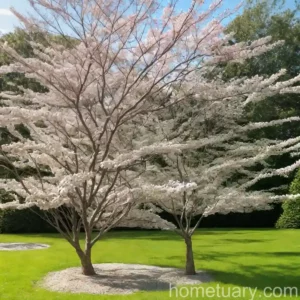
The growth habits of mountain dogwood are marked by its multi-stemmed, small tree form. It typically reaches heights of 20 to 50 feet, with a spread of around 20 to 25 feet. The tree’s distinctive leaves are oval-shaped and dark green, showcasing vibrant red fall foliage. Its blooming period, usually in late spring, is a sight to behold, as the delicate white flowers blanket the tree.
Flower Characteristics and Symbolism
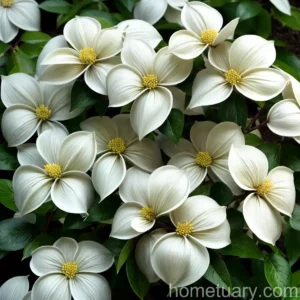
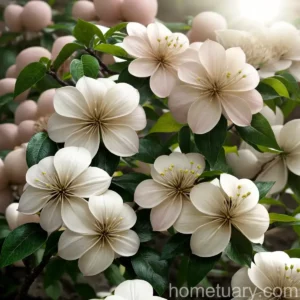
Dogwood flowers are known for their graceful beauty, with four distinct bracts surrounding a cluster of tiny yellow flowers at the center. The white or pink blooms symbolize rebirth, renewal, and purity, adding to the tree’s allure. In many cultures, the dogwood flower holds symbolic significance, representing themes of sacrifice, strength, and empathy.
Uses
Ecological Importance
Mountain dogwood serves as a key element in wildlife habitats, attracting birds, butterflies, and other pollinators. Its flowers provide a source of nectar for insects and bees, contributing to the biodiversity of its natural surroundings. The tree’s berries are also consumed by various bird species, further supporting the ecosystem.
Medicinal Properties
In traditional medicine, the bark of dogwood trees has been used to treat a variety of ailments. Its astringent properties have been utilized to address conditions such as fevers, diarrhea, and malaria. While modern medicine has evolved significantly, the historical uses of dogwood bark highlight its cultural and medicinal importance.
Ornamental Value
The ornamental appeal of mountain dogwood is unrivaled, making it a sought-after addition to landscapes and gardens. Its striking blooms and vibrant foliage provide a visual spectacle throughout the year, from the delicate spring flowers to the richly-hued fall leaves. This ornamental value contributes to its popularity in horticultural settings.
Landscape Uses and Design
The aesthetic appeal of mountain dogwood makes it an ideal choice for enhancing landscapes and garden designs. Whether used as a focal point, a border accent, or a standalone specimen, the tree’s graceful form and seasonal beauty complement various landscaping styles. Its versatility in design applications adds to its appeal for landscape architects and garden enthusiasts.
Plant Care
Water
Mountain dogwood thrives in well-drained soil and benefits from regular watering, especially during the drier months. While it is important to maintain soil moisture, it is equally crucial to avoid waterlogging, as excessively wet conditions can be detrimental to the tree’s health.
Sunlight
Moderate sunlight is optimal for the healthy growth of mountain dogwood. While it can tolerate partial shade, providing sufficient sunlight ensures robust flowering and foliage development, enhancing the tree’s overall appearance.
Fertilizer
Applying a balanced fertilizer in the early spring can support the tree’s growth and blooming process. Selecting a fertilizer specifically formulated for flowering trees can provide the essential nutrients for optimal performance.
Soil
Well-drained, loamy soil with a slightly acidic to neutral pH is well-suited for mountain dogwood. Amending the soil with organic matter can improve its texture and nutrient content, promoting healthy root development and overall vitality.
Pruning
Pruning mountain dogwood should be approached with care, focusing on the removal of dead or damaged branches, as well as any necessary shaping to maintain a balanced form. Pruning is best performed during the dormant season to minimize stress on the tree.
Propagation
Propagation of mountain dogwood can be achieved through various methods, including seeds, cuttings, and layering. Each approach requires specific techniques and timing, and successful propagation can yield new trees for landscaping or conservation purposes.
Container Planting
While mountain dogwood is primarily grown in outdoor settings, it can also thrive in large containers, provided that the soil, sunlight, and watering requirements are met. Container-grown dogwood trees can be positioned on patios, decks, or other outdoor spaces, adding beauty and charm to urban settings.
Common Diseases and Pests
Disease Diagnosis and Prevention
Mountain dogwood is susceptible to certain diseases, including powdery mildew, which manifests as a white powdery coating on the leaves, and dogwood anthracnose, characterized by irregular dead spots on the foliage. Proper care, including adequate air circulation, pruning, and disease-resistant cultivars, can help prevent and manage these conditions.
Common Pests
Pests such as aphids, scale insects, and dogwood borers can pose challenges to the health of mountain dogwood. Monitoring the tree for signs of pest infestation and implementing appropriate pest management strategies, including natural predators and insecticidal treatments, can help protect the tree from potential damage.
Botanist’s Tips
Gardening Tips and Conservation Efforts
Enthusiasts of mountain dogwood can contribute to its conservation by selecting native plants for landscaping, supporting wildlife habitats, and participating in reforestation initiatives. Additionally, practicing responsible gardening techniques, such as water conservation and integrated pest management, can help safeguard the tree’s natural environment.
Spring Blooms and Winter Care
The spring blooms of mountain dogwood are a highlight of the tree’s seasonal display. As gardening seasons transition, ensuring proper winter care, including mulching and protection from extreme temperatures, can support the tree’s resilience and vitality.
Fun Facts
- The wood of mountain dogwood has been used in the crafting of tools, bows, and other implements by indigenous communities.
- In folklore, the dogwood is associated with various legends and tales, adding to its cultural significance.
- The Pacific dogwood, another common name for Cornus nuttallii, reflects its regional presence in the Pacific Northwest.
Links to External Resources
For additional information on mountain dogwood and related topics, please refer to the following resources:
- Pacific Northwest Native Plants: Cornus nuttallii
- Gardening with Native Plants of the Pacific Northwest
- Washington Native Plant Society
- University of California Agriculture and Natural Resources: California Native Plants
- North American Plant Conservation Program
As we delve into the world of plants, the captivating nature of mountain dogwood (Cornus nuttallii) serves as a reminder of the intrinsic connection between flora, fauna, and human culture. By exploring the diverse facets of this native species, we gain a deeper appreciation for the beauty and significance of the natural world. Whether admired for its delicate blooms, utilized for its ecological contributions, or studied for its botanical characteristics, mountain dogwood continues to enchant and inspire those who encounter its timeless allure.