Red Twig Dogwood (Cornus sericea ‘Baileyi’)
What is Plant: Red Twig Dogwood (Cornus sericea ‘Baileyi’)
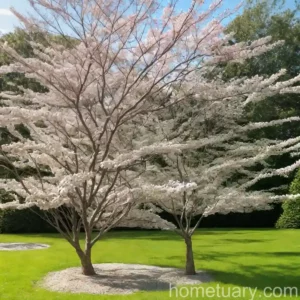
Red twig dogwood, scientifically known as Cornus sericea ‘Baileyi’, is a deciduous shrub that belongs to the dogwood family, Cornaceae. This plant is popular for its vibrant red to burgundy-colored twigs, which provide beautiful winter interest in the landscape. The botanical name Cornus is derived from the Latin word for horn, highlighting the toughness and density of the wood. This particular cultivar, ‘Baileyi’, is distinguished by its robust growth habit and stunning foliage, making it a sought-after ornamental plant in gardens and landscapes.
Key Takeaways – Red Twig Dogwood (Cornus sericea ‘Baileyi’)
Culture
- Hardy perennial shrub
- Deciduous foliage
- Distinguished by its red to burgundy-colored twigs
- Broad, mounding growth habit
Uses
- Ornamental shrub for landscaping
- Naturalistic gardens
- Erosion control along water bodies
- Wildlife habitat and forage
Water
- Moderate water needs
- Regular, consistent watering during the first year
- Tolerant of moist soils but prefers well-drained conditions
Sunlight
- Full sun to partial shade
- Foliage color tends to be more vibrant in full sun
Fertilizer
- Balanced, slow-release fertilizer in early spring
- Apply in accordance with soil test results
Soil
- Adaptable to various soil types
- Thrives in moist, well-drained soils
- Tolerant of periodic flooding
Pruning
- Best pruned in late winter to early spring
- Can be pruned to control size and shape
- Removal of old, unproductive canes
Propagation
- Softwood cuttings in late spring to early summer
- Division of root suckers in early spring
- Seed propagation
Container Popularity
- Adaptable to container gardening
- Provides winter interest to outdoor container displays
Common Diseases
- Anthracnose
- Leaf spot
- Powdery mildew
Disease Diagnosis
- Leaf discoloration and spotting
- Fungal growth on leaves and twigs
- Premature leaf drop
Common Pests
- Borers
- Aphids
- Scale insects
Botanist’s Tips
- Pruning is essential to maintain vibrant twig color
- Regular inspection for pests and diseases
- Ideal for naturalistic, wildlife-friendly landscapes
Fun Facts
- The red twigs of ‘Baileyi’ cultivar intensify in color during winter
- This plant is known to attract a variety of bird species
- In addition to the ornamental value, red twig dogwood provides crucial food and shelter for wildlife
Links to External Resources
Conclusion
Red twig dogwood is an enchanting plant that offers vibrant winter interest, making it a valuable addition to garden landscapes. With its striking red twigs and ornamental features, this perennial shrub brings beauty and ecological benefits to various outdoor settings.
As a plant scientist, I find the red twig dogwood to be an appealing subject for gardeners and nature enthusiasts alike. Its resilience, adaptability, and aesthetic value make it a standout choice for enhancing the beauty and biodiversity of outdoor spaces. Whether used for erosion control, wildlife habitat creation, or ornamental landscaping, the red twig dogwood (Cornus sericea ‘Baileyi’) holds a unique charm that truly distinguishes it in the world of plants.