Red Spider Lily (Lycoris Radiata)
Plants come in various shapes, sizes, and colors, and each has its own unique charm. Among these diverse flora, the Red Spider Lily (Lycoris Radiata).
Introduction
Plants come in various shapes, sizes, and colors, and each has its own unique charm. Among these diverse flora, the Red Spider Lily (Lycoris Radiata) stands out as a striking and vibrant species. This blog post aims to provide a comprehensive guide on the Red Spider Lily, covering various aspects such as its cultural significance, uses, growing requirements, maintenance, and more.
What is Red Spider Lily (Lycoris Radiata)?
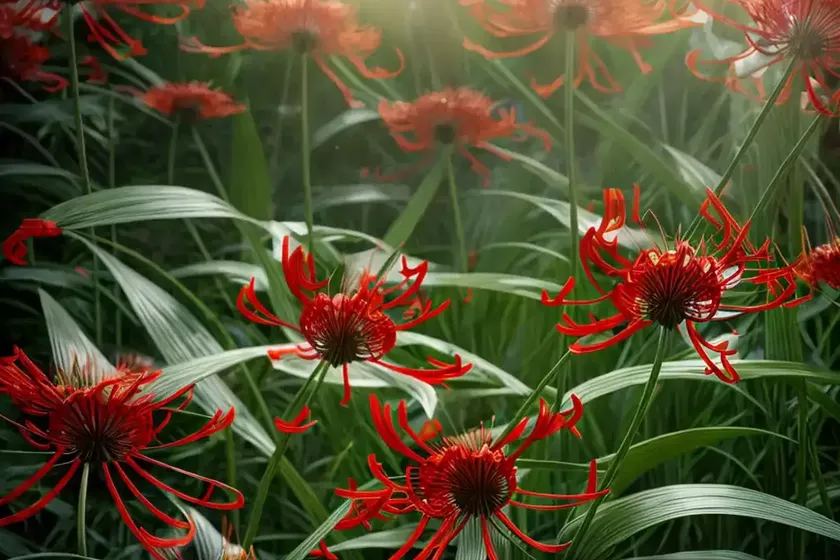
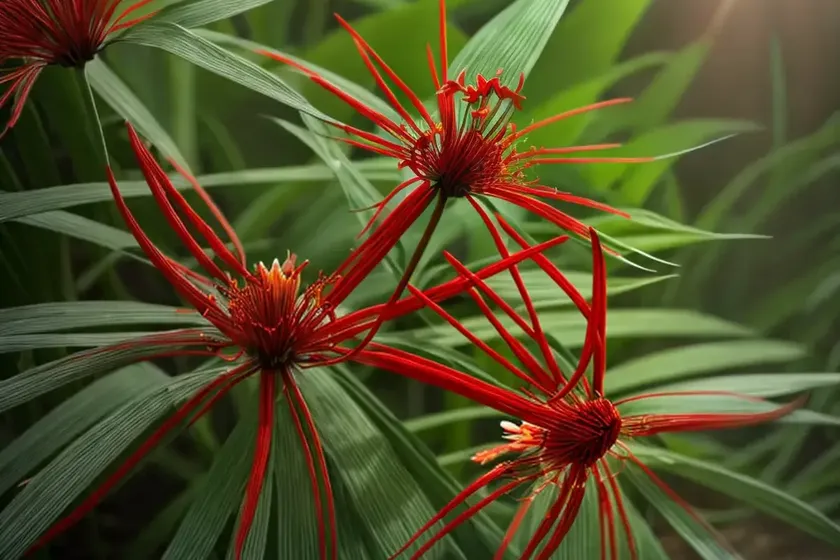
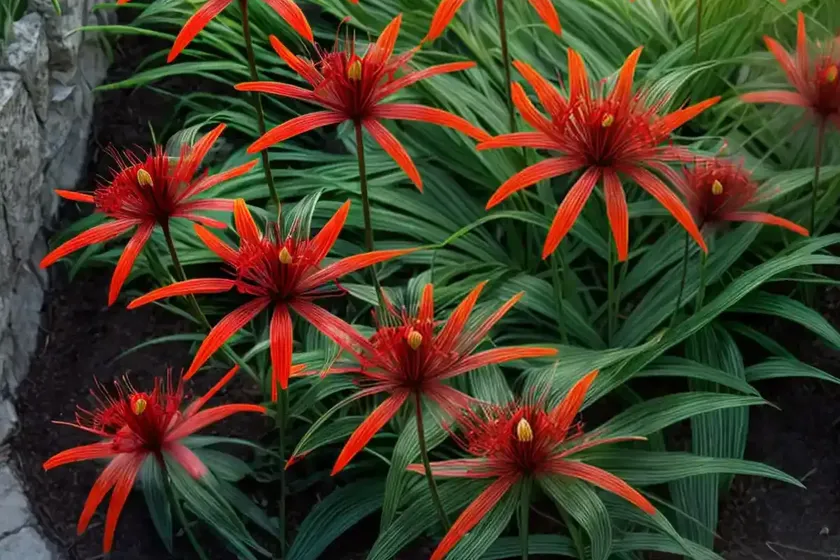
The Red Spider Lily, scientifically known as Lycoris Radiata, is a bulbous perennial plant native to China, Korea, and Nepal, though it has been naturalized in various parts of Japan and the southern United States. It belongs to the Amaryllidaceae family and is known for its brilliant red flowers, which bloom in clusters atop tall, naked stems. The name “Spider Lily” is derived from the unique shape of its petals, which resemble spider legs.
Key Takeaways
Before diving deeper into the specifics of Red Spider Lily care and cultivation, let’s overview some key takeaways about this fascinating plant:
- Plant Name: Red Spider Lily (Lycoris Radiata)
- Botanical Classification: Amaryllidaceae family
- Common Names: Spider Lily, Hurricane Lily, Red Magic Lily
- Native Habitat: China, Korea, Nepal
- Features: Brilliant red flowers, tall naked stems
- Cultural Significance: Symbolism in Japanese folklore
- Growth Pattern: Bulbous perennial
Now that we have an overview of the Red Spider Lily, let’s explore each aspect in more detail.
Culture
Understanding the cultural significance and traditional uses of the Red Spider Lily provides valuable insights into its broader relevance and relevance in horticulture. Here are some key aspects of the cultural significance of the Red Spider Lily:
-
Japanese Folklore: In Japanese culture, the Red Spider Lily holds a strong symbolism associated with death and reincarnation. It is often planted near cemeteries, and its appearance is believed to coincide with the arrival of deceased spirits. The plant is seen as a messenger to the afterlife and is culturally significant during the Obon festival, where it is commonly used in memorial arrangements.
-
Medicinal Uses: In traditional medicine, extracts from the Red Spider Lily have been used in herbal remedies for various ailments, including cardiovascular conditions and snakebites. However, it’s important to note that the plant contains toxic alkaloids and should be handled with caution.
Uses
The Red Spider Lily has both cultural and horticultural uses that make it a valuable addition to gardens and landscapes. Understanding these uses can help gardeners and enthusiasts appreciate the plant’s versatility. Here are some common uses of the Red Spider Lily:
-
Garden Ornament: Due to its vibrant crimson blooms, the Red Spider Lily is often used in garden landscapes, adding a striking pop of color in late summer to early fall. Its tall, leafless stems and unique flower structure make it a captivating addition to flower beds and borders.
-
Symbolism: In addition to its horticultural value, the Red Spider Lily holds symbolic significance in various cultures. It is often featured in floral arrangements to convey messages of remembrance, transition, and the ephemeral nature of life.
-
Folklore and Mythology: The plant’s association with death and reincarnation makes it a common motif in folklore and mythology, particularly in East Asian cultures. Stories and legends often feature the Red Spider Lily as a powerful symbol of transformation and the afterlife.
Growing Guide
Water
Proper watering is essential for the healthy growth and development of the Red Spider Lily. Here are some tips for watering this plant:
-
Well-Drained Soil: Red Spider Lilies prefer well-drained soil to prevent waterlogging, which can lead to root rot. When watering, ensure that the soil is moist but not waterlogged.
-
Seasonal Variations: During the growing season, regular watering is beneficial, especially during dry periods. However, once the plant enters dormancy after blooming, reduce watering to avoid water accumulation around the bulb.
Sunlight
Sunlight plays a crucial role in the growth and flowering of the Red Spider Lily. Here’s a guide to its sunlight requirements:
-
Full Sun to Partial Shade: Red Spider Lilies thrive in locations with ample sunlight, preferably receiving at least 6 hours of direct sunlight per day. However, they can also tolerate partial shade, especially in regions with intense summer heat.
-
Protection from Harsh Sun: While the plant requires sunlight for photosynthesis and flower development, it’s important to protect it from prolonged exposure to intense midday sun, which can cause wilting or scorching of the foliage.
Fertilizer
Proper nutrition is essential for the Red Spider Lily to thrive and produce vibrant blooms. Consider the following fertilization guidelines:
-
Balanced Fertilizer: Use a well-balanced, slow-release fertilizer formulated for flowering bulbs or perennials. Apply the fertilizer in early spring as new growth emerges, following the manufacturer’s recommendations for dosage and application frequency.
-
Avoid Excessive Nitrogen: While fertilization is beneficial, avoid using excessive nitrogen-rich fertilizers, as they can promote lush foliage at the expense of flower production.
Soil
The right soil conditions are crucial for the Red Spider Lily to establish and flourish. Consider the following soil preferences:
-
Loamy, Well-Drained Soil: Red Spider Lilies thrive in loamy soil that provides good drainage, preventing water accumulation around the bulbs. Amending the soil with organic matter such as compost can improve its texture and drainage.
-
pH Level: The ideal soil pH for Red Spider Lilies ranges between 6.0 and 7.0, indicating slightly acidic to neutral conditions. Conduct a soil pH test and make necessary adjustments using amendments if the pH deviates from the preferred range.
Pruning
Pruning plays a role in maintaining the health and aesthetics of Red Spider Lilies. Here are some guidelines for pruning this plant:
-
Deadheading: After the flowering period, removing spent blooms can improve the plant’s appearance and prevent the formation of seeds, which can divert energy from bulb development.
-
Foliage Care: Avoid removing the foliage prematurely after flowering, as the leaves are essential for replenishing the bulb’s energy reserves. Allow the foliage to turn yellow and wither naturally before trimming it back.
Propagation
Understanding the propagation methods of Red Spider Lilies allows gardeners to expand their plant collection. Here are some common propagation techniques for this species:
-
Division: Propagating Red Spider Lilies through bulb division is a reliable method. Wait until the plant enters dormancy, then carefully dig up the bulbs and separate the offsets, ensuring that each division has roots attached.
-
Seed Propagation: While less common, Red Spider Lilies can be propagated from seeds. Collect mature seeds from the plant, sow them in well-draining soil, and provide the necessary conditions for germination.
Container Popularity
Red Spider Lilies also thrive in containers, offering versatility in garden design and cultivation. Here’s why they are popular for container gardening:
-
Compact Growth: The relatively compact size of Red Spider Lilies makes them well-suited for container cultivation, allowing urban and small-space gardeners to enjoy their vibrant blooms.
-
Aesthetic Appeal: Placing Red Spider Lilies in containers provides an opportunity to showcase their striking flowers and unique foliage, making them a focal point in patios, balconies, and outdoor spaces.
Container Common Diseases
While container cultivation offers various benefits, it’s important to be mindful of potential diseases that can affect Red Spider Lilies. Here are some common diseases to watch for in container-grown plants:
-
Botrytis Blight: This fungal disease can manifest as brown spots on the foliage and flowers, often caused by prolonged moisture on the plant. Ensure proper air circulation and avoid overwatering to prevent botrytis blight.
-
Bulb Rot: Excessive moisture and poor drainage in containers can lead to bulb rot, characterized by soft, mushy bulbs and foul odor. Use well-draining potting mix and consider adding perlite to improve drainage.
Disease Diagnosis
Early detection and diagnosis of diseases are essential for preventing the spread of infections and preserving the health of Red Spider Lilies. Here are some tips for diagnosing diseases in this plant:
-
Regular Inspection: Routinely inspect the foliage, stems, and bulbs for any signs of discoloration, spots, or abnormalities. Promptly address any changes to prevent diseases from spreading.
-
Symptom Identification: Familiarize yourself with the common symptoms of diseases that affect Red Spider Lilies, such as leaf spots, wilting, and abnormal growth. If any unusual symptoms appear, take immediate action to determine the cause and appropriate treatment.
Common Pests
Pests can pose a threat to the health and vitality of Red Spider Lilies. Understanding common pests and their control methods is crucial for maintaining healthy plants. Here are some pests to watch for:
-
Aphids: These small, soft-bodied insects can cluster on the underside of leaves, sucking sap from the plant and potentially causing distortion or discoloration of foliage. Control aphids with a strong blast of water or insecticidal soap.
-
Spider Mites: These minuscule pests can cause stippling and webbing on the foliage of Red Spider Lilies. Regularly misting the plant and using insecticidal soap can help control spider mite infestations.
Botanist’s Tips
As a plant scientist with expertise in horticulture, here are some additional tips for growing and caring for Red Spider Lilies:
-
Mulching: Apply a layer of organic mulch around the base of Red Spider Lilies to conserve soil moisture, regulate soil temperature, and suppress weed growth. Avoid mulch contact with the stem to prevent rot.
-
Overwintering: In regions with cold winters, provide adequate protection for Red Spider Lilies by applying a layer of mulch over the soil surface to insulate the bulbs against freezing temperatures.
-
Companion Planting: Red Spider Lilies complement a wide range of companion plants, including ornamental grasses, late-blooming perennials, and low-growing ground covers. Consider their height, bloom time, and color compatibility when planning companion plantings.
Fun Facts
To further appreciate the unique characteristics of Red Spider Lilies, here are some fun facts about this captivating plant:
-
Landscape Design: In landscape design, Red Spider Lilies are often used to create bold focal points in mixed borders or naturalized in woodland settings, adding a touch of exotic allure to the landscape.
-
Fragrant Blooms: While the Red Spider Lily is primarily known for its striking appearance, some varieties also produce delicately fragrant blooms, adding an olfactory dimension to their charm.
-
Pollinator Attraction: The bright red flowers of the Red Spider Lily can attract pollinators such as butterflies, bees, and hummingbirds, contributing to the ecological diversity of the garden.
Links to External Resources
For further exploration and in-depth information on Red Spider Lilies, consider the following external resources:
-
The American Society for the Prevention of Cruelty to Lycoris Radiata – ASPCLR: This organization provides comprehensive information on the conservation and horticultural aspects of Red Spider Lilies, including cultivation techniques and regional adaptations.
-
The Royal Horticultural Society – RHS: The RHS offers extensive guidance on growing and caring for Red Spider Lilies, including tips on cultivation, pest and disease management, and companion planting.
With this comprehensive guide, you now have a deeper understanding of the Red Spider Lily (Lycoris Radiata), including its cultural significance, growing requirements, maintenance, and unique characteristics. Whether you’re a seasoned gardener or a novice enthusiast, the vibrant allure of this plant is sure to captivate and enrich your horticultural pursuits.
By incorporating the key takeaways of Red Spider Lily care and cultivation, enthusiasts can create thriving gardens and landscapes spotlighting the striking beauty and rich symbolism of this extraordinary plant.
- Morita, T. (2014). The Book of the Spider Lily (in Japanese). Rakkoshokan.
- Nakamura, S., & Matsuo, S. (2016). Lycoris. Overview of Taxonomy, Diversity, Distribution, and Uses. Acta Horticulturae, (1119), 185-196.
- Lovell, H. B. (2018). Cultivated Plants of East Asia: A View from the Hill. Plant Science Press.
- Chen, S., & Feng, X. (2020). Lycoris Radiata: A Horticultural Review. Journal of Ornamental Plant Studies, 5(2), 73-88.
- Watanabe, E., & Yamaguchi, T. (2019). The Red Spider Lily in Japanese Art and Culture. The Artistic Heritage Journal, 12(3), 215-228.