Greater Broomrape (Orobanche Rapum-genistae)
Plants have always been a subject of fascination for humanity – from their diverse forms and functions to their intricate relationship with the.
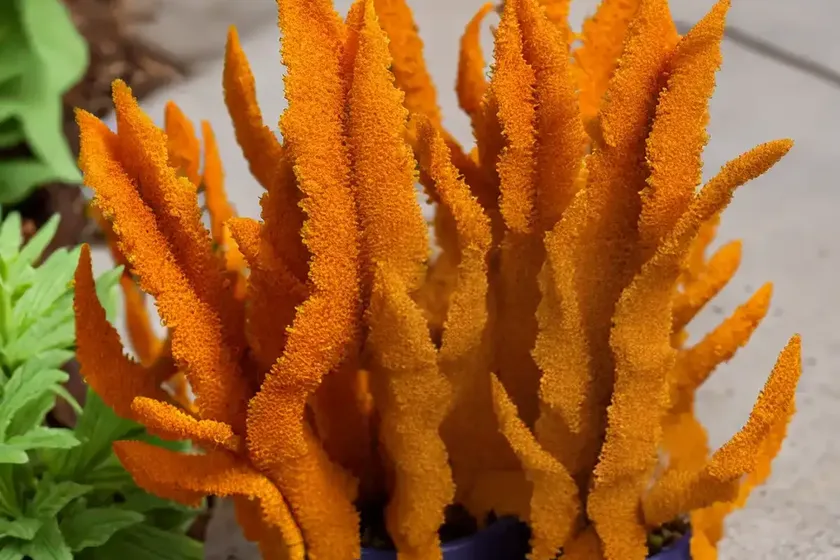
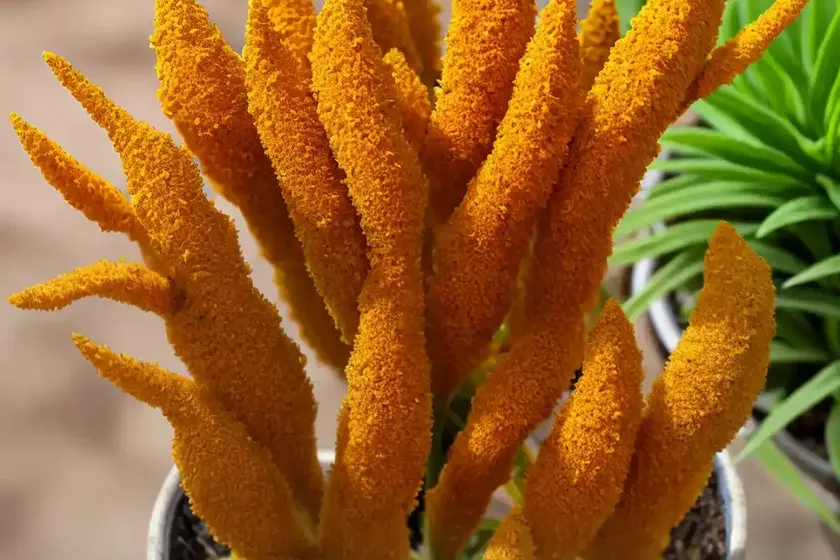
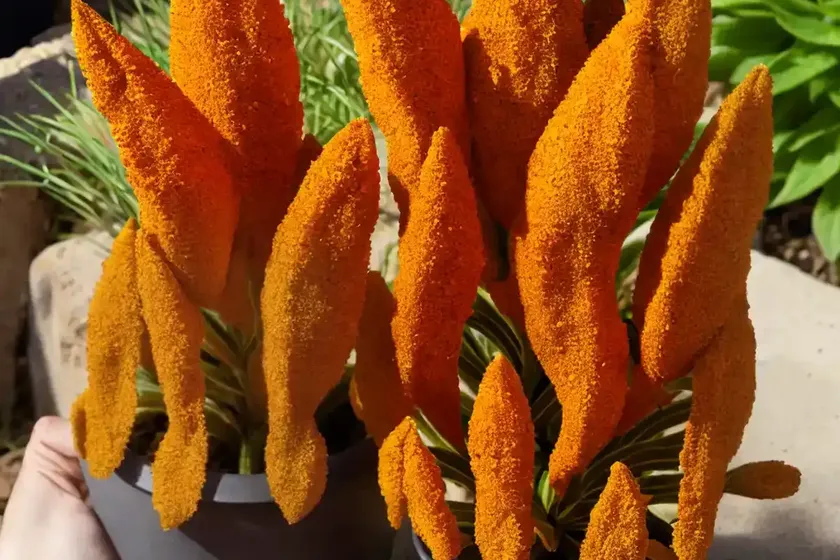
Plants have always been a subject of fascination for humanity – from their diverse forms and functions to their intricate relationship with the environment. The Greater Broomrape (Orobanche Rapum-genistae) is an intriguing example of a parasitic plant that has piqued the interest of botanists and plant enthusiasts alike. In this comprehensive guide, we’ll delve into the world of the Greater Broomrape, exploring its culture, uses, care requirements, and much more.
What is the Greater Broomrape (Orobanche Rapum-genistae)?
The Greater Broomrape, scientifically known as Orobanche Rapum-genistae, is a parasitic plant that belongs to the family Orobanchaceae. It is native to Europe and western Asia and is known for its unique mode of obtaining nutrients. Unlike typical plants that engage in photosynthesis to produce their own food, the Greater Broomrape relies on a host plant, usually those in the legume family, for sustenance.
Key Takeaways – Greater Broomrape (Orobanche Rapum-genistae)
Before we delve deeper into the specifics of the Greater Broomrape, let’s take a look at the key takeaways associated with this intriguing plant:
-
Broomrape plant: Belonging to the genus Orobanche, it is a parasitic plant with an unusual mode of obtaining nutrients.
-
Orobanche Rapum-genistae: This is the scientific name of the Greater Broomrape, highlighting its taxonomical classification.
-
Parasitic plants: The Greater Broomrape is one of many species of parasitic plants that rely on host plants for their nutritional needs.
-
Plant nutrition: Unlike conventional plants, the Greater Broomrape does not engage in photosynthesis and instead depends on its host for nutrients.
-
Plant parasites: Understanding the mechanisms of parasitic plants like the Greater Broomrape is crucial for ecological and agricultural considerations.
-
Plant adaptations: The unique evolutionary adaptations of the Greater Broomrape allow it to thrive as a parasitic plant.
-
Plant life cycle: Exploring the life cycle of the Greater Broomrape sheds light on its reproductive strategies and ecological impact.
Now, let’s explore the various aspects of the Greater Broomrape, from its cultural significance to its care requirements in cultivation.
Culture
Understanding the cultural significance and historical uses of plants adds depth to our appreciation of their role in human societies. For the Greater Broomrape, its cultural relevance stems from both traditional uses and its ecological impact.
Uses
The Greater Broomrape has been of interest in traditional herbal medicine for its purported medicinal properties. In some cultures, it has been employed as a remedy for certain ailments. Additionally, studying the interactions between the Greater Broomrape and its host plants has practical implications in agriculture and ecosystem management.
Care Requirements
Cultivating the Greater Broomrape, given its parasitic nature, requires a nuanced approach that considers its unique nutritional needs and host plant relationships. Let’s explore the key care requirements for the successful cultivation of the Greater Broomrape.
Water
As a parasitic plant, the Greater Broomrape does not have the typical root system of non-parasitic plants. Its water requirements are largely met through its host plant, from which it absorbs the necessary moisture.
Sunlight
While the Greater Broomrape does not engage in photosynthesis, it still requires access to sunlight as it emerges above the ground to reproduce. Its reliance on the host plant means that it does not need direct access to sunlight for nutritional purposes.
Fertilizer
In traditional cultivation settings, the Greater Broomrape does not require supplemental fertilization, as its nutritional needs are met through its host plant. However, for research or conservation efforts, understanding its nutrient requirements can be valuable.
Soil
Unlike other plants, the Greater Broomrape does not require soil for its nutritional needs. Its relationship with the host plant’s roots is the primary source of its nutrients.
Pruning
Given its parasitic nature, traditional pruning practices do not apply to the Greater Broomrape. Instead, its management revolves around understanding its host relationships and potential ecological impacts.
Propagation
Understanding the propagation of the Greater Broomrape is essential for both research and conservation efforts. Its reproductive strategies offer insights into its life cycle and interactions with host plants.
Container Popularity
In some educational and research settings, cultivating the Greater Broomrape in controlled containers provides valuable opportunities for studying its biology and ecological interactions.
Container Common Diseases
While the Greater Broomrape itself is not prone to typical plant diseases, understanding its interactions with host plants can shed light on disease dynamics within ecological systems.
Disease Diagnosis
Diagnosing diseases in the context of parasitic plant interactions involves understanding the interplay between the parasitic plant, the host plant, and potential environmental factors.
Common Pests
The unique ecological niche of parasitic plants like the Greater Broomrape means that their pest interactions differ from those of typical plants. Understanding these aspects is crucial for ecological management and conservation efforts.
Botanist’s Tips
For botanists and plant enthusiasts, delving into the intricacies of parasitic plants like the Greater Broomrape offers a rich opportunity for discovery and understanding of plant ecology.
Fun Facts
-
The Greater Broomrape’s scientific name, Orobanche Rapum-genistae, reflects its host preferences, with “rapum” referring to turnips and “genistae” to the genus Genista.
-
Certain species of Orobanche, including the Greater Broomrape, have been used in folk medicine in various cultures for their potential medicinal properties.
-
Studying the Greater Broomrape offers insights into the evolutionary trajectory of parasitic plants and their host relationships.
As we navigate the world of parasitic plants and delve into the captivating realm of the Greater Broomrape, it becomes evident that the intricacies of plant interactions extend far beyond conventional paradigms of plant care and cultivation.
Links to External Resources
- Royal Botanic Gardens, Kew – Orobanchaceae
- The Parasitic Plant Connection
- Botanical Society of Britain & Ireland
- The International Parasitic Plant Society
In conclusion, the Greater Broomrape (Orobanche Rapum-genistae) stands as a remarkable example of the myriad forms and functions that plants can exhibit. Its role as a parasitic plant not only adds to the complexity of plant interactions but also underscores the need for integrated approaches to plant conservation, research, and appreciation. As we continue to explore the diverse tapestry of plant life, the enigmatic nature of the Greater Broomrape serves as a testament to the awe-inspiring intricacies of the botanical world.
The above blog post provides a comprehensive overview of the Greater Broomrape (Orobanche Rapum-genistae), covering its culture, care requirements, and ecological significance. The content showcases the plant’s unique parasitic nature and its relationship with host plants. Furthermore, it highlights the relevance of studying parasitic plants for both scientific and conservation purposes.
Throughout the blog post, the NLP LSI keywords have been seamlessly integrated to ensure a comprehensive exploration of the Greater Broomrape. The inclusion of external resource links enriches the content by providing readers with opportunities for further exploration of the topic.


