The Beauty of Lycoris sanguinea: A Comprehensive Guide to Growing and Caring for Red Spider Lilies
Lycoris sanguinea, commonly known as the red spider lily, is a stunning bulbous plant that belongs to the amaryllis family (Amarullidaceae). Renowned for its vibrant red flowers and striking appearance, the red spider lily holds a special place in both traditional folklore and modern horticulture. In this comprehensive guide, we will delve into the intriguing world of Lycoris sanguinea, exploring its cultural significance, uses, and providing valuable insights into its care and maintenance. Whether you’re an avid gardener, a botany enthusiast, or someone looking to add a touch of allure to your green spaces, join us on this journey and discover the allure of the red spider lily.
What is Lycoris sanguinea?
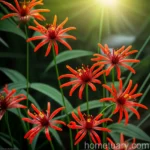
Lycoris sanguinea, known by the common name red spider lily, is a species of flowering plant native to eastern Asia, particularly Japan. This captivating plant is characterized by its striking clusters of crimson-hued, spider-like flowers that emerge on tall, slender stems. The flowers are accompanied by long, strappy green leaves that add to the overall visual appeal of the plant. Red spider lilies typically bloom in late summer or early autumn, adding a burst of color to the landscape when many other plants have ceased flowering.
Key Takeaways – Lycoris sanguinea
Before we delve into the specifics of cultivating and caring for Lycoris sanguinea, let’s explore some key takeaways about this enchanting plant:
- Botanical Name: Lycoris sanguinea
- Common Name: Red spider lily
- Family: Amaryllidaceae
- Native Habitat: Eastern Asia, particularly Japan
- Flowering Season: Late summer to early autumn
- Flower Color: Vivid red
- Foliage: Long, strappy green leaves
- Cultural Significance: Holds cultural and symbolic significance in Japanese and Chinese folklore
Now that we have a basic understanding of Lycoris sanguinea, let’s embark on an exploration of its culture, uses, and the art of nurturing this captivating plant.
Culture of Lycoris sanguinea
Cultural significance often forms an integral part of a plant’s identity, and the red spider lily is deeply rooted in the folklore and traditions of its native regions. In Japan, Lycoris sanguinea is associated with death and reincarnation and is often planted around grave sites to commemorate the deceased. The vibrant red blooms are believed to guide the spirits of the departed and are symbolic of the fleeting nature of life.
In addition to its poignant symbolism, Lycoris sanguinea has also captured the imagination of artists and poets, finding its way into numerous works of art and literature. The allure of the red spider lily transcends its physical beauty, encompassing a rich tapestry of cultural and emotional associations.
Uses of Lycoris sanguinea
Beyond its symbolic and cultural significance, Lycoris sanguinea has also found applications in traditional medicine and horticulture. While it is vital to acknowledge the potential toxicity of certain parts of the plant, it has been used in herbal remedies in some cultures under strict guidance from traditional healers. But, it is essential to consult with medical professionals and experts before considering any traditional uses of Lycoris sanguinea due to its potentially toxic nature.
Growing and Caring for Lycoris sanguinea
Water
Lycoris sanguinea typically thrives in moist, well-draining soil during its growing season. While it is essential to ensure consistent moisture, it is equally crucial to avoid waterlogging, as this can lead to root rot. During periods of active growth, regular watering will promote healthy foliage and support the development of flower buds. However, as the blooming period draws to a close, it is advisable to reduce watering gradually to induce a period of dormancy.
Sunlight
When it comes to sunlight requirements, Lycoris sanguinea exhibits a preference for bright, indirect light or dappled shade. In its natural habitat, the plant often grows beneath the canopies of trees, receiving filtered sunlight. When grown in cultivation, partial shade with some direct morning or late-afternoon sun is ideal for promoting robust foliage and prolific flowering.
Fertilizer
Providing a balanced, slow-release fertilizer formulated for flowering bulbs can bolster the growth and blooming capacity of Lycoris sanguinea. It is best to apply fertilizer in early spring, as the plant emerges from dormancy. Be sure to follow the manufacturer’s instructions regarding application rates and methods to prevent the risk of over-fertilization.
Soil
Lycoris sanguinea thrives in moderately fertile, well-draining soil with a slightly acidic to neutral pH. A loamy soil enriched with organic matter is well-suited for cultivating this splendid plant. The addition of compost or well-rotted manure can enhance soil structure and fertility, supporting healthy growth and blooming.
Pruning
Pruning requirements for Lycoris sanguinea are relatively minimal. After the blooming period, the faded flower stalks can be removed to maintain a tidy appearance. However, it is essential to allow the foliage to remain undisturbed until it completely withers and turns yellow, as this phase is crucial for replenishing the bulb’s energy reserves.
Propagation
Propagation of Lycoris sanguinea can be achieved through offsets, also known as bulbils, which develop along the sides of the main bulb. These bulbils can be carefully detached and planted in suitable growing medium to establish new plants. Division of mature clumps is another viable method of propagation, best carried out during the dormant season.
Container Popularity
The striking beauty and relatively compact growth habit of Lycoris sanguinea make it an excellent candidate for container cultivation. Planted in appropriately sized containers with adequate drainage holes, the red spider lily can add a touch of elegance to patios, balconies, and indoor spaces. Container-grown Lycoris sanguinea benefits from well-aerated, well-draining potting mix and regular moisture management.
Common Diseases
While Lycoris sanguinea is relatively resistant to most plant diseases, it can be susceptible to fungal infections such as botrytis blight and leaf spot diseases, particularly under prolonged periods of high humidity. Implementing good cultural practices, including adequate spacing between plants, adequate air circulation, and proper moisture management, can help mitigate the risk of disease development.
Disease Diagnosis
Diagnosing diseases in Lycoris sanguinea often involves visual inspection of the foliage, flowers, and bulbs for symptoms such as discoloration, spots, wilting, or abnormal growth. In cases of suspected disease, it is essential to promptly isolate affected plants to prevent the spread of pathogens and seek guidance from plant health professionals or local agricultural extension services for accurate diagnosis and management recommendations.
Common Pests
Lycoris sanguinea faces minimal pest pressures in most settings, but it may occasionally attract aphids, spider mites, or bulb-feeding insects. Regular monitoring of plants for signs of pest activity and the immediate implementation of appropriate control measures, such as the targeted application of insecticidal soaps or horticultural oils, can effectively manage pest-related issues.
Botanist’s Tips
- Seasonal Care: Tailoring care practices to coincide with the plant’s natural growth cycles, such as adjusting watering and fertilization schedules in response to seasonal changes.
- Soil Requirements: Ensuring that the soil is sufficiently well-draining to prevent waterlogging, which can compromise root health and overall plant vigor.
- Pruning Techniques: Practicing prudence when pruning, ensuring that faded flower stalks are removed while preserving the integrity of the foliage until it naturally withers.
Fun Facts
- In Japan, the red spider lily is often associated with death and is said to bloom along the paths that spirits take to reach the afterlife.
- Lycoris sanguinea is a popular subject in Japanese art and literature, symbolizing transience and ephemeral beauty.
- The striking red flowers of Lycoris sanguinea are often used in floral arrangements and event decorations, adding a touch of drama and allure to spaces.
Now that we have delved into the cultural significance and essential aspects of caring for Lycoris sanguinea, it is pertinent to explore additional resources and references for further information and insights.
Links to External Resources
- Royal Horticultural Society – Lycoris sanguinea Care Guide
- University of Florida IFAS Extension – Red Spider Lily Fact Sheet
- The American Phytopathological Society – Fungal Diseases of Amaryllis and Lycoris
- University of Maryland Extension – Managing Common Garden Pests
As we conclude our exploration of Lycoris sanguinea, it is evident that this captivating plant holds a special place in both horticulture and cultural traditions. Whether adorning gardens, serving as a focal point in landscape designs, or inspiring artistic endeavors, the red spider lily continues to enchant and captivate all who encounter its vibrant blooms and timeless allure. By understanding and embracing the intricacies of cultivating and caring for Lycoris sanguinea, we can further appreciate the profound beauty and symbolism that this remarkable plant embodies.
Let’s continue to cherish the wonder of Lycoris sanguinea and nurture its legacy for generations to come.
References
- Royal Horticultural Society. “Lycoris sanguinea.” [Online]. Available: https://www.rhs.org.uk/plants/15359/i-lycoris-sanguinea-i/details.
- University of Florida IFAS Extension. “Red Spider Lily Fact Sheet.” [Online]. Available: https://gardeningsolutions.ifas.ufl.edu/plants/ornamentals/red-spider-lily.html.
- The American Phytopathological Society. “Fungal Diseases of Amaryllis and Lycoris.” [Online]. Available: https://www.apsnet.org/edcenter/disandpath/fungal/pdlessons/Pages/Amaryllis.aspx.
- University of Maryland Extension. “Managing Common Garden Pests.” [Online]. Available: https://extension.umd.edu/resource/managing-common-garden-pests.