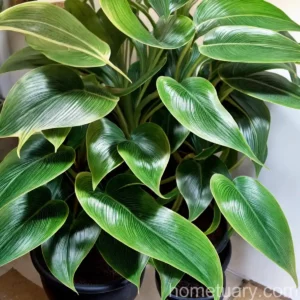
Red Philodendron (Philodendron ‘Imperial Red’)
Philodendron ‘Imperial Red’ is a stunning variety of the well-loved Philodendron species, loved for its vibrant foliage and easy-care nature. In this comprehensive guide, we will delve into the various aspects of the Red Philodendron, from its characteristics and care needs to its propagation and potential uses. Whether you’re a seasoned plant enthusiast or a beginner looking to add a touch of tropical elegance to your indoors, this guide will equip you with all the knowledge you need to cultivate and appreciate the alluring Red Philodendron.
What is Red Philodendron (Philodendron ‘Imperial Red’)
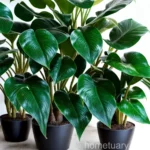
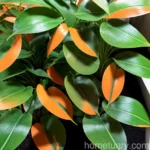
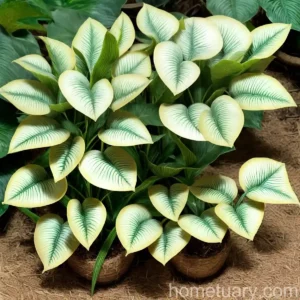
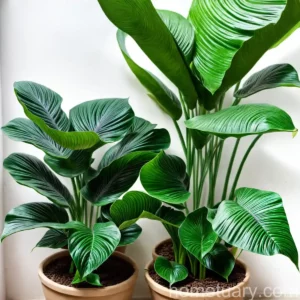
The Red Philodendron, scientifically known as Philodendron ‘Imperial Red’, is a cultivar of the Philodendron species. With its stunning reddish-purple leaves, this plant adds a pop of color and tropical flair to any indoor space. The foliage of the ‘Imperial Red’ variety is characterized by its large, glossy, heart-shaped leaves, making it a visually striking addition to any plant collection.
Key Takeaways
- Scientific Name: Philodendron ‘Imperial Red’
- Common Name: Red Philodendron
- Plant Type: Perennial, Tropical
- Mature Size: Up to 2-3 feet in height and width
- Sunlight: Indirect, bright light
- Watering: Moderate
- Soil Type: Well-draining, aerated
- Propagation: Stem cuttings, air layering
- Toxicity: Mildly toxic to humans and pets
- Hardiness Zone: 10-12
Now, let’s explore the various aspects of caring for and enjoying the Red Philodendron, including its cultural requirements, uses, and potential in different settings.
Culture
The cultural requirements for the Red Philodendron are essential to understand in order to create a thriving environment for this tropical beauty. Here’s a detailed overview of its cultural needs:
Water
Proper watering is crucial for the health and well-being of the Red Philodendron. While it’s important to keep the soil consistently moist, it’s equally crucial to prevent waterlogging, which can lead to root rot. The frequency of watering will depend on factors such as the environmental conditions, pot size, and the plant’s growth stage.
- Watering Frequency: Water when the top inch of the soil feels dry to the touch.
- Water Quality: Use room-temperature, filtered water to avoid the adverse effects of chlorine and other contaminants.
- Drainage: Ensure that the pot has drainage holes to allow excess water to escape.
Sunlight
Like many tropical plants, the Red Philodendron thrives in bright, indirect light. Excessive direct sunlight can scorch its leaves, while very low light conditions can lead to leggy growth and diminished vibrancy in the foliage.
- Light Exposure: Place the Red Philodendron in a location with bright, filtered sunlight. Avoid prolonged exposure to direct sunlight, especially during the peak intensity hours.
Fertilizer
Proper fertilization is essential for maintaining the Red Philodendron’s vibrant foliage and promoting healthy growth. A balanced, water-soluble fertilizer formulated for tropical foliage plants can be applied during the growing season.
- Fertilizer Schedule: Apply a diluted, balanced liquid fertilizer every 2-4 weeks during the growing season (spring and summer).
- Fertilizer Type: Look for a fertilizer with a balanced NPK ratio, such as 10-10-10 or 20-20-20, specifically formulated for tropical plants.
Soil
The Red Philodendron thrives in well-draining, aerated soil that retains moisture without becoming waterlogged. A high-quality potting mix with excellent drainage properties is ideal for promoting healthy root development and overall plant vitality.
- Soil Composition: Choose a well-draining potting mix rich in organic matter, such as peat moss, perlite, and vermiculite.
- pH Level: Aim for a slightly acidic to neutral soil pH, ideally within the range of 6.0-7.0.
Pruning
Regular pruning is beneficial for maintaining the Red Philodendron’s compact, bushy shape and removing any damaged or diseased foliage. Additionally, periodic pruning can help control its size and promote new growth.
- Pruning Tools: Use clean, sharp pruning shears or scissors to make precise cuts without causing unnecessary damage to the plant.
- Pruning Technique: Trim the Red Philodendron’s stems just above a node where new growth is emerging to encourage branching and fuller foliage.
Propagation
Propagation is an exciting way to expand your Red Philodendron collection and share the beauty of this plant with others. Stem cuttings and air layering are the two primary methods of propagating the ‘Imperial Red’ variety.
- Stem Cuttings: Snip a healthy stem segment with at least two nodes and place it in water or a moist, well-draining potting medium to encourage root development.
- Air Layering: Encourage root growth on a mature stem by wrapping a small section of the stem with sphagnum moss and keeping it consistently moist until roots form.
Container Popularity
The Red Philodendron is widely favored as a container plant, both indoors and in protected outdoor spaces. Its compact size and stunning foliage make it an ideal choice for adding a touch of tropical elegance to homes, offices, and other interior settings.
Common Diseases
Like many houseplants, the Red Philodendron is susceptible to certain diseases, especially when its cultural requirements are not met or when growing conditions are suboptimal. Understanding common diseases and their treatments is essential for maintaining the plant’s health and vitality.
Disease Diagnosis
- Root Rot: Caused by overwatering and poorly draining soil, leading to decay of the roots. Symptoms include wilting, yellowing, and mushy stems.
- Leaf Spot: Fungal disease resulting in dark, water-soaked spots on the leaves. Proper air circulation and avoiding overhead watering can help prevent this condition.
Common Pests
Pests can pose a threat to the Red Philodendron, potentially damaging its foliage and compromising its overall health. Vigilance and prompt intervention are crucial for managing and mitigating pest infestations.
- Spider Mites: These tiny arachnids can cause stippling and webbing on the foliage, leading to reduced plant vigor. Regularly misting the leaves and keeping the humidity levels moderate can deter spider mites.
- Mealybugs: Small, cottony insects that feed on the plant’s sap and can weaken its growth. Use a cotton swab dipped in rubbing alcohol to remove individual mealybugs, or consider introducing natural predators such as ladybugs to control the infestation.
Botanist’s Tips
To ensure the long-term health and beauty of the Red Philodendron, consider the following tips from experienced botanists and plant enthusiasts:
- Regular Inspection: Routinely inspect the plant for signs of pests, diseases, or nutrient deficiencies, addressing any issues promptly.
- Optimal Growing Conditions: Maintain consistent environmental conditions, including temperature, humidity, and light levels, to support the Red Philodendron’s well-being.
- Gentle Care: Handle the plant with care during transplanting, pruning, and other maintenance activities to minimize stress and potential damage.
Fun Facts
- The Red Philodendron is a member of the Araceae family, which includes many other popular houseplants such as Monsteras and Peace Lilies.
- In its native tropical habitats, Philodendrons often exhibit epiphytic growth, meaning they grow on other plants or surfaces without parasitizing them.
Links to External Resources
For further exploration and in-depth information on the Red Philodendron and its care, consider the following resources:
- The Spruce: Philodendron ‘Imperial Red’ Plant Care
- Gardening Know How: Red Philodendron Care Guide
- University of Florida IFAS Extension: Philodendron Diseases
In this comprehensive guide, we’ve covered the various aspects of the Red Philodendron (Philodendron ‘Imperial Red’), from its cultural requirements and propagation techniques to its potential uses and role in indoor and outdoor settings. With the insights shared in this guide, you’re well-equipped to cultivate and enjoy the vibrant beauty of the Red Philodendron, adding a touch of tropical allure to your living spaces.