Micans Philodendron (Philodendron Micans)
Plants have been an essential part of human life since time immemorial, providing us with food, medicine, and even aesthetics. One such plant that has.
Plants have been an essential part of human life since time immemorial, providing us with food, medicine, and even aesthetics. One such plant that has gained popularity for its striking foliage and low maintenance requirements is the Micans Philodendron, scientifically known as Philodendron micans. In this comprehensive guide, we will delve into the world of this stunning plant, exploring its care requirements, uses, and interesting facts, and equipping you with all the knowledge you need to grow and nurture the Micans Philodendron in your own indoor or outdoor space.
What is a Plant?
Before we embark on our journey to explore the Micans Philodendron, let’s take a moment to understand what a plant truly is. Generally, plants are multicellular organisms in the kingdom Plantae that use photosynthesis to produce their own food. They are essential to life on Earth, providing oxygen, food, and habitat for a vast array of organisms, including humans. From towering trees to delicate flowers, the diversity of plants is truly remarkable, offering a wide range of uses and benefits to the ecosystem and society.
Micans Philodendron (Philodendron micans)
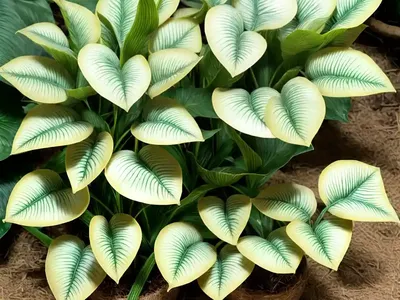
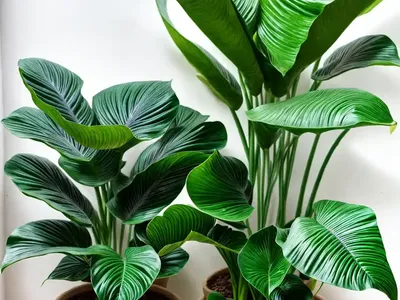
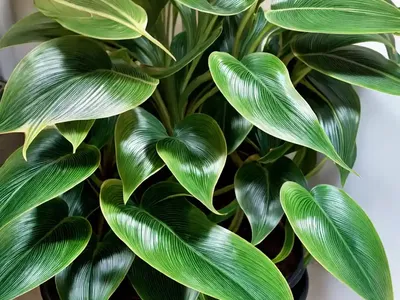
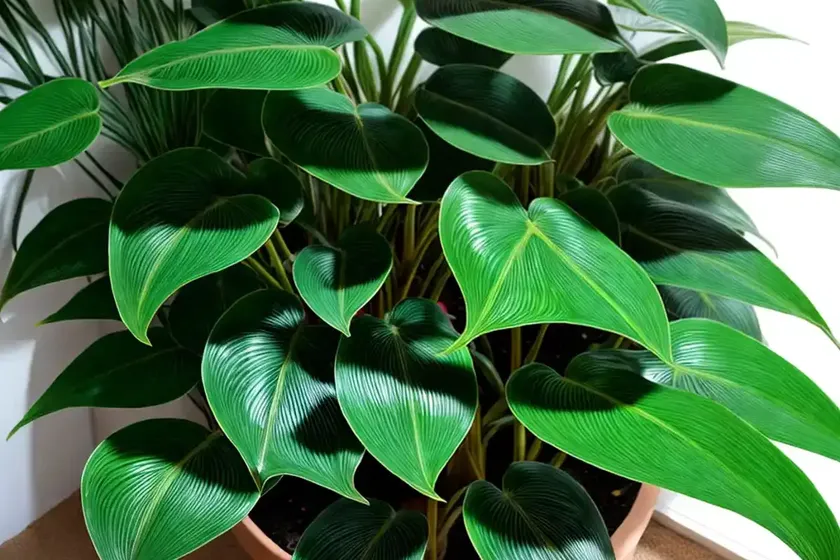
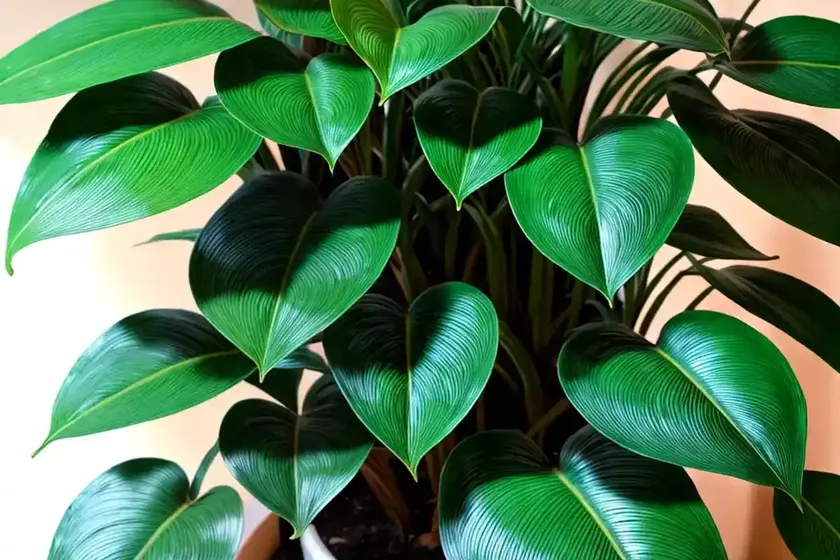
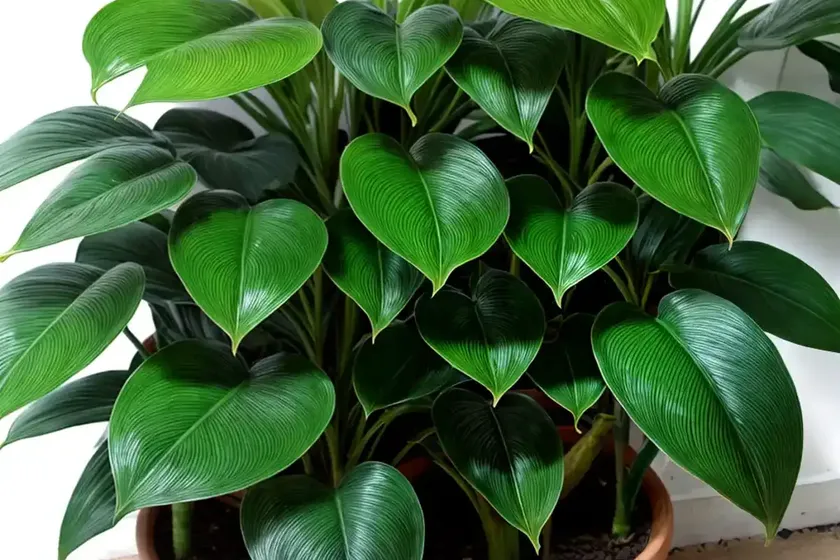
The Micans Philodendron, also known as Philodendron micans, is a stunning vining plant that belongs to the Araceae family. Originating from the tropical regions of Central and South America, this plant is celebrated for its heart-shaped leaves and trailing vines, which exhibit a velvety texture and iridescent, deep green color. Its captivating appearance and ease of care make it a popular choice for both indoor and outdoor settings, adding a touch of lush elegance to any space.
Key Takeaways
Let’s begin our exploration of the Micans Philodendron by highlighting some key takeaways about this remarkable plant:
- Common Name: Micans Philodendron
- Scientific Name: Philodendron micans
- Family: Araceae
- Native Habitat: Central and South America
- Foliage: Heart-shaped leaves with a velvety texture and iridescent, deep green color
- Growth Habit: Trailing vines, making it ideal for hanging or climbing
- Uses: Ornamental plant for indoor and outdoor spaces
- Popular for: Low maintenance and stunning foliage
Now that we have a foundational understanding of the Micans Philodendron, let’s delve deeper into its specific care requirements, including its cultural preferences, water and sunlight needs, fertilizer requirements, suitable soil conditions, pruning techniques, propagation methods, and more.
Culture
Understanding the cultural preferences of the Micans Philodendron is crucial in ensuring its optimal growth and overall well-being. By providing the right environment, you can help the plant thrive and flourish, exhibiting its stunning foliage to the fullest. Let’s explore the cultural aspects of caring for this remarkable plant.
Uses
The Micans Philodendron is primarily used as an ornamental plant for both indoor and outdoor settings. Its lush, trailing vines and captivating iridescent foliage make it a popular choice for adding a touch of greenery and elegance to various environments. Whether displayed in hanging pots, climbing up trellises, or adorning tabletops, this plant adds a touch of natural beauty to any space.
Water
Proper watering is crucial for the health of the Micans Philodendron. As a tropical plant, it thrives in moist conditions but does not tolerate overly soggy or waterlogged soil. It’s essential to find the right balance to prevent both underwatering and overwatering, which can lead to stress and potential health issues for the plant.
-
Watering Frequency: In general, water the Micans Philodendron when the top inch of the soil feels dry to the touch. This may translate to approximately once a week, but it’s important to monitor the soil moisture levels and adjust the watering frequency based on environmental conditions such as temperature and humidity.
-
Watering Technique: When watering, ensure that the water drains freely from the pot, preventing water from accumulating at the bottom. Allow excess water to escape, and avoid leaving the plant in standing water, as this can lead to root rot.
-
Water Quality: Use room temperature or slightly lukewarm water for watering, as extremely cold water can shock the plant’s roots. Additionally, water the plant in the morning, allowing any excess moisture to evaporate during the day and preventing potential issues associated with damp conditions at night.
Sunlight
Light is an essential element for the growth and vitality of the Micans Philodendron. While it thrives in bright, indirect light, it is also adaptable to lower light conditions, making it a versatile plant for various indoor settings.
-
Light Requirements: Ideally, provide the Micans Philodendron with bright, indirect light. Direct sunlight can scorch the delicate foliage, so it’s best to shield the plant from intense rays while ensuring it receives an ample amount of natural light. However, it can also tolerate lower light conditions, making it suitable for areas further away from windows or with limited natural light.
-
Light Adaptability: One of the remarkable qualities of this plant is its adaptability to various light conditions, making it suitable for different indoor environments. From well-lit living rooms to offices with minimal natural light, the Micans Philodendron can thrive and showcase its lush foliage.
Fertilizer
Fertilizing the Micans Philodendron is essential for providing it with the necessary nutrients to support healthy growth and vibrant foliage. Choosing the right type of fertilizer and adhering to a proper fertilization schedule can significantly impact the plant’s overall well-being.
-
Fertilization Frequency: During the growing season, which typically spans from spring to early fall, fertilize the Micans Philodendron approximately once a month. During the plant’s dormant period in winter, reduce fertilization to every six to eight weeks.
-
Fertilizer Type: Opt for a balanced, water-soluble fertilizer formulated for houseplants. A general-purpose fertilizer with an NPK ratio of 20-20-20 or similar can provide the essential nutrients for the plant’s growth and foliage development.
-
Application Method: Dilute the fertilizer to half the recommended strength and apply it to the plant’s soil, ensuring that the roots and surrounding substrate receive the nutrients. Be cautious of overfertilizing, as excessive nutrients can lead to salt buildup in the soil and potential damage to the plant.
Soil
The choice of soil for the Micans Philodendron is crucial, as it directly impacts the plant’s root health, moisture retention, and overall growth. Providing the right soil mix can create a supportive environment for the plant’s roots while ensuring proper drainage and aeration.
-
Soil Composition: A well-draining, peat-based potting mix with added perlite or vermiculite is suitable for the Micans Philodendron. This type of mix offers an ideal balance of moisture retention and aeration, preventing waterlogged conditions while allowing the roots to access oxygen.
-
pH Level: The soil pH for the Micans Philodendron should ideally fall within the slightly acidic to neutral range, typically between 6.0 and 7.0. This pH range supports nutrient uptake and overall root health, contributing to the plant’s vitality.
-
Aeration and Drainage: The soil should promote good drainage, preventing water from accumulating around the roots. Adequate aeration is also essential, as it allows the roots to breathe and access the necessary oxygen for respiration and nutrient absorption.
Pruning
Pruning the Micans Philodendron not only helps maintain its desired shape and size but also encourages healthy growth and addresses any maintenance needs. Proper pruning techniques can benefit the plant by removing damaged or overgrown foliage, promoting new growth, and shaping the overall appearance.
-
Pruning Frequency: Regularly inspect the plant for any yellowing, damaged, or discolored leaves, and trim them off at the base using clean, sharp scissors or pruning shears. Additionally, if the plant exhibits leggy growth or becomes too large for its space, prune back the vines to the desired length.
-
Encouraging Bushier Growth: To encourage the development of a bushier, more compact plant, consider pruning the tips of the vines. This prompts the plant to produce new growth at the nodes, resulting in a fuller and more robust appearance over time.
-
Sanitization: When conducting pruning or trimming, ensure that your tools are clean and sanitized to prevent the spread of diseases or pests. Wipe the blades with a disinfecting solution or rubbing alcohol before and after each use to maintain the plant’s health.
Propagation
Propagating the Micans Philodendron offers an opportunity to expand your plant collection or share the beauty of this species with friends and family. Whether through stem cuttings or other propagation methods, creating new plants from an existing specimen is an exciting and rewarding process.
-
Stem Cuttings: One of the most common and effective methods of propagating the Micans Philodendron is through stem cuttings. Select a healthy, mature vine and carefully cut it into sections, ensuring that each cutting contains at least one node. Place the cuttings in water or a rooting medium, and monitor them for the development of roots.
-
Node Propagation: The nodes along the vines of the Micans Philodendron are potential sites for new root growth. By carefully selecting a node and providing the right conditions, you can encourage the development of roots, ultimately leading to the establishment of a new plant.
-
Root Division: If the Micans Philodendron has developed multiple stems or clusters, you can consider dividing the root ball into separate sections, each with its own foliage and root system. This method allows you to create multiple plants from a single specimen, promoting the plant’s propagation and expansion.
Container Popularity
The Micans Philodendron’s remarkable trailing growth habit and vibrant foliage make it a popular choice for various types of containers. Whether suspended from the ceiling in a hanging basket, climbing up a trellis in a planter, or adorning a tabletop in a decorative pot, the plant’s versatile nature allows it to thrive in different container settings.
-
Hanging Baskets: The lush, trailing vines of the Micans Philodendron make it an ideal choice for hanging baskets, allowing the plant to cascade and create a visually stunning display. Hanging baskets with adequate drainage can support the plant’s growth while adding a touch of greenery to elevated spaces.
-
Climbing Planters: In settings where vertical growth is encouraged, such as against a trellis, wall, or pole, using a climbing planter or a container with a supporting structure can guide the plant’s growth and showcase its vining nature. Consider providing a sturdy support system for the vines to climb and thrive.
-
Decorative Pots: Displaying the Micans Philodendron in decorative pots or planters adds an element of visual appeal to its elegant foliage. Select a pot that complements the plant’s iridescent green leaves and consider the size and drainage capabilities of the container to provide a conducive environment for the plant’s growth.
Common Diseases
Like any living organism, the Micans Philodendron is susceptible to certain diseases and health issues. Recognizing common diseases and implementing preventive measures can help protect the plant and ensure its longevity and vitality.
Disease Diagnosis
-
Root Rot: Excessive moisture or waterlogged conditions can lead to root rot, causing the plant’s roots to decay and ultimately impacting its overall health. Symptoms include yellowing or wilting leaves, mushy stems, and a foul odor emanating from the soil.
-
Leaf Spot: Leaf spot diseases can manifest as dark or discolored spots on the plant’s foliage, indicating the presence of fungal or bacterial pathogens. Proper ventilation, watering practices, and cleanliness can help prevent the development and spread of leaf spot.
-
Powdery Mildew: A white, powdery coating on the leaves of the Micans Philodendron may indicate the presence of powdery mildew, a common fungal disease. Addressing issues related to humidity, air circulation, and plant spacing can help mitigate the risk of powdery mildew.
Common Pests
In addition to diseases, the Micans Philodendron can also attract certain pests that may pose a threat to its health and appearance. Identifying and addressing common pests promptly can prevent infestations and protect the plant from potential damage.
-
Spider Mites: These tiny arachnids can infest the undersides of the plant’s leaves, causing stippling, webbing, and overall decline in plant health. Regularly inspect the foliage for signs of spider mite activity and treat infestations promptly using appropriate methods.
-
Mealybugs: Mealybugs are small, soft-bodied insects that can feed on the plant’s sap, causing stunted growth and honeydew secretion. Targeted treatments such as manual removal or insecticidal soaps can help control mealybug populations and protect the plant.
-
Aphids: These small, pear-shaped insects can congregate on the new growth of the Micans Philodendron, affecting the plant’s vitality and causing deformities in the foliage. Implementing natural predators or using insecticidal sprays can help manage aphid infestations effectively.
Botanist’s Tips
As a plant scientist, I have had the privilege of studying and caring for a wide range of plant species, including the captivating Micans Philodendron. In my experience, I have gathered valuable insights and tips that can help plant enthusiasts cultivate and enjoy this remarkable species to the fullest.
-
Environmental Consistency: Strive to provide consistent environmental conditions for the Micans Philodendron, including stable temperatures, appropriate humidity levels, and suitable light exposure. Consistency in care can promote the plant’s growth and well-being.
-
Observation and Adjustments: Regularly observe the plant for any changes in growth, foliage condition, or general appearance. Adjust care practices as needed, addressing issues promptly to maintain the plant’s health.
-
Supportive Structure: If cultivating the Micans Philodendron as a climbing or trailing plant, ensure that it has a supportive structure such as a trellis, moss pole, or stakes to guide its growth and prevent potential damage.
-
Humidity Management: Consider methods for managing indoor humidity, especially during dry or arid conditions. Grouping plants together, using a humidifier, or misting the foliage can create a more conducive environment for the Micans Philodendron and other tropical species.
Fun Facts
To further immerse ourselves in the enchanting world of the Micans Philodendron, let’s explore some fascinating and fun facts about this captivating plant.
- The velvety texture of the Micans Philodendron’s foliage sets it apart from many other houseplants, giving it a luxurious and unique appeal.
- Philodendron micans is considered to be a highly adaptable and low-maintenance plant, making it an excellent choice for both novice and experienced plant enthusiasts.
- The iridescent green color of the Micans Philodendron’s leaves can exhibit a captivating play of light, creating a visually dynamic and engaging display.
Links to External Resources
To enhance your knowledge and understanding of the Micans Philodendron, I recommend exploring the following reputable external resources:
-
The American Philodendron Society: A comprehensive organization dedicated to the study, cultivation, and conservation of Philodendron species, offering valuable insights and resources for plant enthusiasts.
-
Royal Horticultural Society: The RHS website provides extensive information on gardening, plant care, and species profiles, including insightful articles on Philodendron micans and its care requirements.
-
University Horticulture Extension Services: Many university extension services offer valuable resources and publications on houseplants, including care guides and troubleshooting tips for popular species such as the Micans Philodendron.
By exploring these external resources, you can gain additional perspectives, scientific insights, and practical tips for cultivating and appreciating the beauty of the Micans Philodendron.
In conclusion, the Micans Philodendron (Philodendron micans) stands as a testament to the captivating diversity and beauty of the plant kingdom. With its iridescent foliage, adaptable nature, and low maintenance requirements, this species continues to enrich indoor and outdoor spaces, captivating enthusiasts and adding a touch of vibrant elegance wherever it grows. By embracing the cultural preferences, care techniques, and fascinating characteristics of the Micans Philodendron, we can celebrate the remarkable fusion of science and aesthetics embodied by this extraordinary plant.
Whether it graces a living room, office, or outdoor garden, the Micans Philodendron serves as a living testament to the intricate wonders of nature, inviting us to revel in its beauty and nurture its vitality. As we continue to explore the vast world of plants, let us embrace the remarkable qualities of species such as Philodendron micans, and cultivate a deeper appreciation for the countless wonders that the botanical realm has to offer.
As always, happy growing and green thumbs up!
This blog post is brought to you by The Botanist’s Corner. For more articles, plant care guides, and botanical insights, be sure to follow our blog and join our community of plant enthusiasts.