Philodendron Birkin (Philodendron ‘Birkin’)
Plants have the astonishing ability to bring life and beauty into any space they inhabit. They provide an enriching and peaceful environment that is.
Introduction
Plants have the astonishing ability to bring life and beauty into any space they inhabit. They provide an enriching and peaceful environment that is soothing to the mind and body. Among the wide array of plants available, philodendrons are a popular choice for indoor decoration and are cherished for their stunning foliage and ease of care. One philodendron variety that has gained significant attention is the Philodendron Birkin (Philodendron ‘Birkin’). In this comprehensive guide, we will explore the cultural aspects, uses, maintenance requirements, and interesting facts about the Philodendron Birkin. By the end of this article, you will have all the essential knowledge to effectively grow and care for this beautiful plant.
What is Plant: Philodendron Birkin (Philodendron ‘Birkin’)?
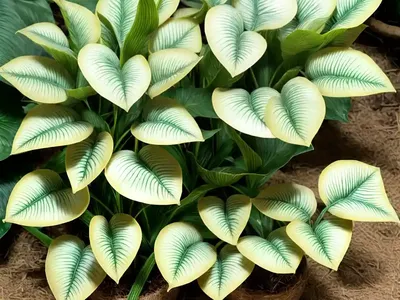
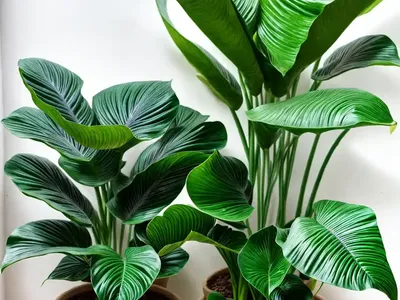
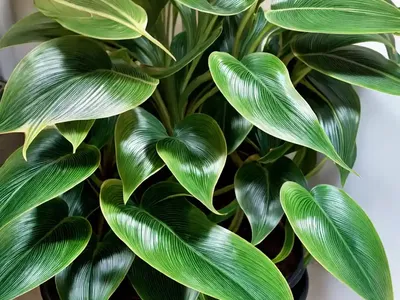
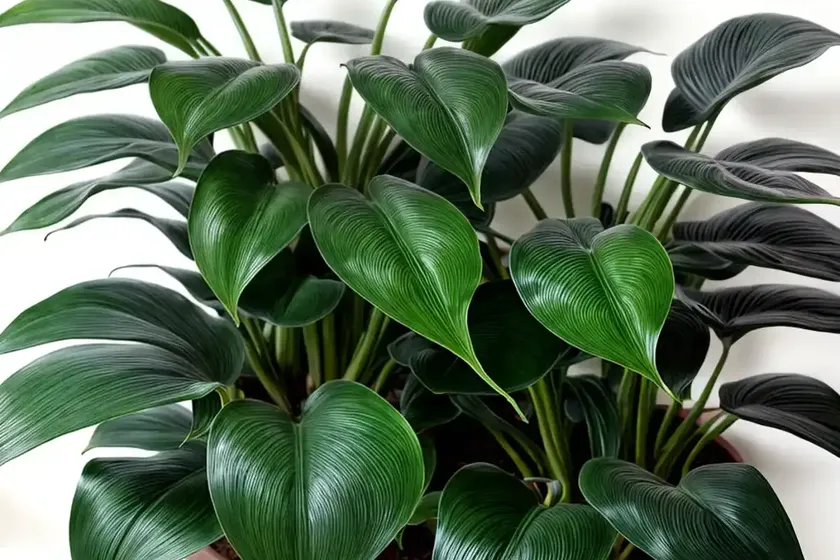
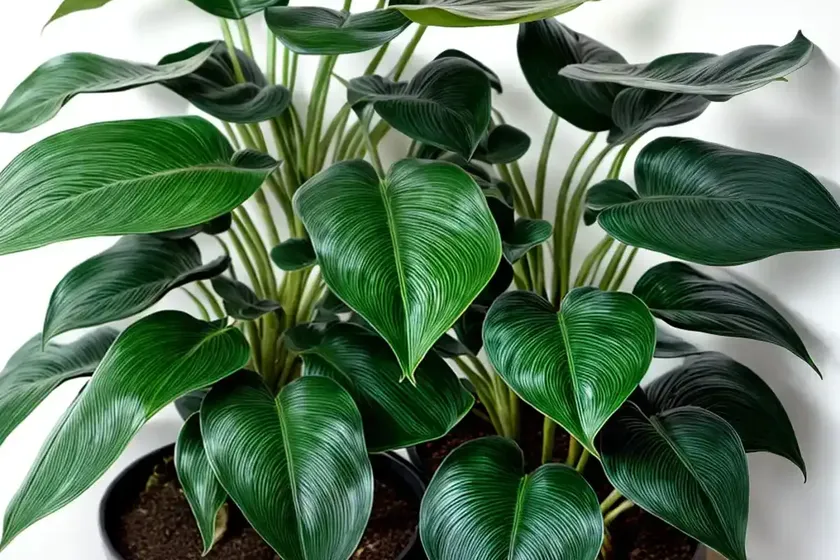
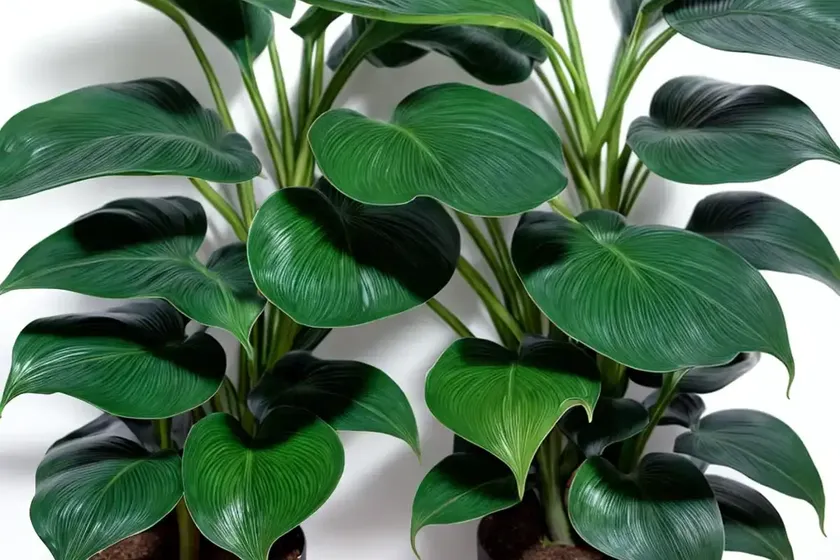
The Philodendron Birkin, scientifically referred to as Philodendron ‘Birkin’, is a tropical plant known for its striking variegated foliage. Belonging to the Araceae family, this evergreen perennial is an indigenous plant of South America. It is a hybrid plant, created through the crossbreeding of two philodendron species, resulting in its distinctive appearance.
Key Takeaways – Philodendron Birkin (Philodendron ‘Birkin’)
Culture
- Origin: South America
- Family: Araceae
- Common Names: Philodendron ‘Birkin’, Birkin
- Growth: Evergreen Perennial
- Hybrid: Yes
Uses
The Philodendron Birkin is primarily utilized for ornamental and decorative purposes, particularly as an indoor plant. Its captivating foliage makes it an ideal choice for beautifying homes, offices, and indoor spaces.
Water
- The Philodendron Birkin thrives well in a moderately moist environment.
- Water the plant conservatively, allowing the top layer of the soil to dry out before the next watering session.
- Overwatering should be avoided as it can lead to root rot and other complications.
Sunlight
- Indirect and filtered sunlight is ideal for the Philodendron Birkin.
- Direct sunlight can be harsh on its delicate leaves and may cause scorching.
Fertilizer
- A balanced liquid fertilizer can be applied to the Philodendron Birkin during the growing season.
- Fertilize the plant once a month to support healthy growth and vibrant foliage.
Soil
- A well-draining and nutrient-rich soil mix is recommended for the Philodendron Birkin.
- Consider using a mix of potting soil, perlite, and peat moss to provide optimal conditions for the plant’s roots.
Pruning
- Regular pruning helps maintain the shape and appearance of the Philodendron Birkin.
- Trim any yellowing or damaged leaves to encourage new growth and enhance the plant’s aesthetic appeal.
Propagation
- The Philodendron Birkin can be propagated through stem cuttings.
- Ensure that the cuttings have at least one aerial root or node to facilitate successful propagation.
Container
- Choose a well-draining container with sufficient drainage holes to prevent waterlogging.
- Repot the Philodendron Birkin every 1-2 years to provide ample space for root expansion and growth.
Popularity
The Philodendron Birkin has gained significant popularity in the world of indoor gardening and plant enthusiasts. Its unique variegated leaves and low-maintenance nature make it an attractive addition to any plant collection.
Common Diseases
- Proper watering and well-ventilated conditions can help prevent common plant diseases such as root rot and leaf spot.
- Treat any signs of disease promptly to safeguard the health of the Philodendron Birkin.
Disease Diagnosis
- Symptoms of diseases in the Philodendron Birkin include yellowing or browning of leaves, wilting, and unusual spots or discoloration.
- Promptly diagnose and treat the underlying cause to prevent further spread of the disease.
Common Pests
- The Philodendron Birkin may be susceptible to pests such as mealybugs and spider mites.
- Regularly inspect the plant for signs of infestation and use appropriate measures to eliminate pests.
Botanist’s Tips
- Ensure the Philodendron Birkin is placed in a location with adequate humidity to support its growth and overall health.
- Regularly wipe the leaves with a damp cloth to remove dust and enhance their luster.
- Support the climbing nature of the plant by providing a moss pole or trellis for it to cling to.
Fun Facts
- The Philodendron Birkin is a relatively low-maintenance plant suitable for both novice and experienced gardeners.
- Its variegated leaves make it a visually captivating addition to indoor spaces.
- The name “Birkin” is derived from its distinctive birch-like appearance on the leaves.
Links to External Resources
To further expand your knowledge and care for the Philodendron Birkin, here are some reliable external resources:
- Royal Horticultural Society – Philodendron Care Guide
- The Spruce – Philodendron Birkin Plant Profile
- University of Florida IFAS Extension – Philodendron Diseases
In conclusion, the Philodendron Birkin is an exceptional plant that offers beauty, elegance, and tranquility to any indoor environment. By understanding its care requirements and providing the necessary attention, you can witness the splendid growth and development of this remarkable tropical plant. With the information provided in this comprehensive guide, you are well-equipped to foster a thriving Philodendron Birkin and appreciate its magnificent foliage on a daily basis.
Remember, diligent care and attentive observation are key to maintaining a healthy and thriving Philodendron Birkin. May your journey with this captivating plant be filled with joy and fulfillment as you witness its growth and beauty.
Happy gardening!
Disclaimer: The information provided in this guide is for general knowledge and should not substitute for professional plant care advice. Always consult with a horticulturist or plant expert for specific concerns or issues related to plant care.
Keywords: Philodendron Birkin care, Philodendron Birkin plant, Philodendron Birkin care guide, Philodendron Birkin indoor plant, Philodendron Birkin plant care tips, How to grow Philodendron Birkin, Philodendron Birkin plant varieties, Philodendron Birkin propagation, Philodendron Birkin watering, Philodendron Birkin light requirements, Philodendron Birkin soil mix, Philodendron Birkin pruning, Philodendron Birkin repotting, Philodendron Birkin fertilizing, Philodendron Birkin pests and diseases, Philodendron Birkin temperature requirements, Philodendron Birkin humidity needs, Philodendron Birkin potting, Philodendron Birkin trailing plant, Philodendron Birkin variegated leaves, Philodendron Birkin leaf patterns, Philodendron Birkin plant size, Philodendron Birkin indoor decor, Philodendron Birkin natural habitat, Philodendron Birkin toxic to pets, Philodendron Birkin plant benefits, Philodendron Birkin plant nursery, Philodendron Birkin plant price, Philodendron Birkin plant origin, Philodendron Birkin plant family, Philodendron Birkin rare plant, Philodendron Birkin plant collectors, Philodendron Birkin unique foliage, Philodendron Birkin plant enthusiasts, Philodendron Birkin leaf variegation, Philodendron Birkin leaf care, Philodendron Birkin leaf spots, Philodendron Birkin leaf coloration, Philodendron Birkin leaf veins, Philodendron Birkin leaf size, Philodendron Birkin leaf shape, Philodendron Birkin leaf texture, Philodendron Birkin leaf patterns, Philodendron Birkin leaf curling, Philodendron Birkin leaf drooping, Philodendron Birkin leaf tips, Philodendron Birkin leaf propagation, Philodendron Birkin leaf cutting, Philodendron Birkin leaf arrangement, Philodendron Birkin leaf edges