Red Currant (Ribes Rubrum)
Red Currant, scientifically known as Ribes rubrum, is a species of flowering plant native to western Europe. The plant is a deciduous shrub that produces.
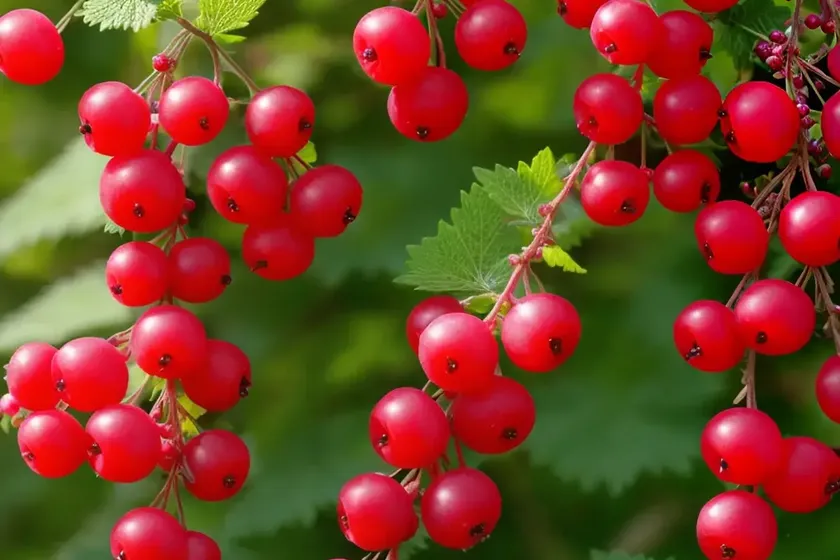
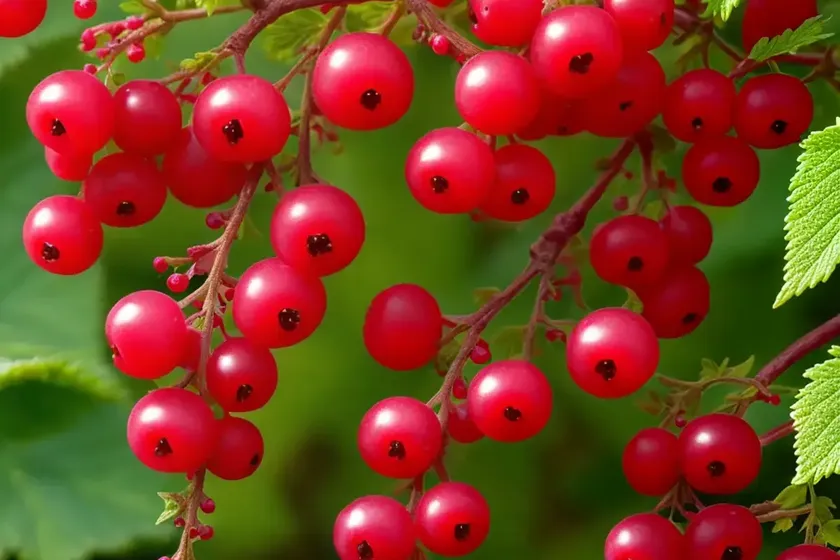
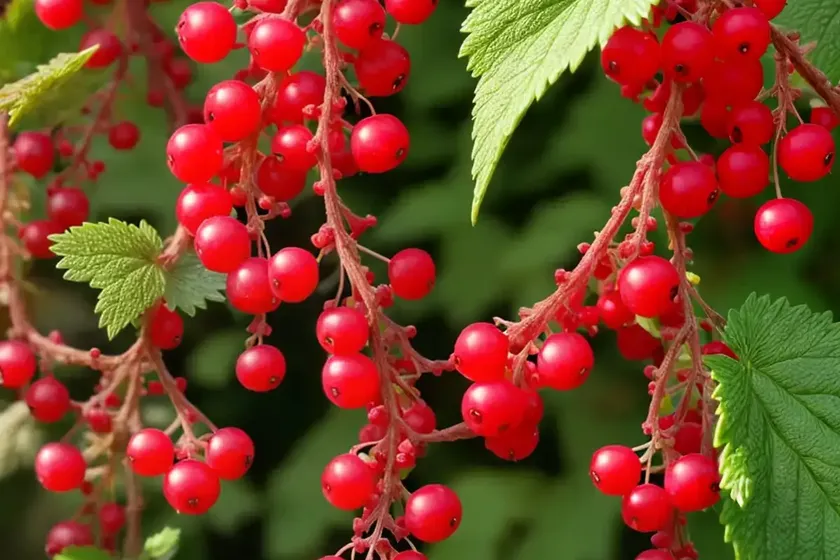
Red Currant, scientifically known as Ribes rubrum, is a species of flowering plant native to western Europe. The plant is a deciduous shrub that produces small, translucent, and edible red berries. Red Currant is a popular choice for home gardeners due to its delicious fruit, ornamental value, and relatively easy cultivation. In this guide, we will explore everything you need to know about Red Currant, including its cultivation, uses, care tips, diseases, pests, and much more.
What is Red Currant (Ribes rubrum)?
Red Currant (Ribes rubrum) is a deciduous shrub belonging to the Grossulariaceae family. It is native to certain parts of western Europe and is widely cultivated for its edible berries. The plant typically grows to a height of 1-1.5 meters and has a spreading habit. The berries of the Red Currant are small, round, and grow in clusters. They are known for their bright red color and slightly tart flavor.
Key Takeaways
Red Currant (Ribes rubrum) Characteristics:
– Plant Type: Deciduous shrub
– Height: 1-1.5 meters
– Berry Color: Red
– Flavor: Slightly tart
– Ornamental Value: Yes
– Edible: Yes
– Climate Preference: Temperate regions
– Sunlight: Partial to full sun
– Soil: Well-draining, slightly acidic
– Watering: Moderate
– Hardiness Zones: 3-8
Culture
Uses
Culinary Use:
– Red Currant berries are commonly used in jams, jellies, sauces, and desserts due to their tart flavor and vibrant color.
– They can also be used in baking, particularly in tarts, cakes, and muffins.
– Red Currant juice is often used for making beverages and cocktails.
Ornamental Use:
– The vibrant red berries make Red Currant an attractive addition to ornamental gardens and landscaping.
– The shrub’s deciduous nature adds visual interest, especially in autumn when the leaves change color.
Medicinal Use:
– Red Currant berries are high in Vitamin C and antioxidants, making them beneficial for overall health and immune support.
Water
Red Currant plants require moderate watering. The soil should be kept consistently moist but not waterlogged, especially during the fruiting season. Adequate moisture is essential for the development of juicy berries.
Sunlight
Red Currant plants thrive in partial to full sun. They perform best when they receive at least 6-8 hours of sunlight daily. Adequate sunlight promotes fruit production and overall plant vigor.
Fertilizer
Best Fertilizers for Red Currant:
– A balanced fertilizer with an NPK ratio of 10-10-10 or similar is suitable for Red Currant plants.
– Fertilize in early spring before new growth appears, and again in late spring to support fruit development.
– Organic options such as compost or well-rotted manure can also be beneficial for improving soil fertility.
Soil
Soil Requirements:
– Well-draining soil is crucial for Red Currant plants to prevent waterlogging and root rot.
– A slightly acidic to neutral soil pH ranging from 6.0 to 6.5 is ideal.
– Amending the soil with organic matter such as peat moss or compost can improve its texture and fertility.
Pruning
Pruning Techniques
Pruning is an essential practice for Red Currant plants to maintain their health and encourage vigorous growth and fruit production. Here are some pruning techniques for Red Currant:
- Annual Pruning: Conduct annual pruning during the dormant season, preferably in late winter or early spring before new growth begins.
- Removal of Old Wood: Remove any old or damaged wood to encourage the growth of new, productive stems.
- Thinning Out: Thin out the center of the plant to improve air circulation and light penetration.
- Height Control: Keep the plant at a manageable height by pruning any excessively tall or leggy growth.
Propagation
Propagation Methods
Red Currant plants can be propagated through several methods, including:
- Hardwood Cuttings: Take hardwood cuttings from healthy, mature stems during the dormant season. These cuttings can be rooted to establish new plants.
- Division: Divide established plants during the dormant season to create new plants.
- Layering: Encourage stem layering by bending a healthy stem to the ground and burying a portion of it. Roots will develop at the buried node, and the stem can be separated to form a new plant.
Container
Growing Red Currant in Containers
Red Currant can be successfully grown in containers, making it an excellent choice for gardeners with limited space. When growing Red Currant in containers, consider the following:
- Container Size: Choose a large container with a capacity of at least 10-15 gallons to accommodate the shrub’s root system.
- Well-Draining Soil: Use a high-quality potting mix that provides excellent drainage and aeration.
- Sunlight: Place the container in a location that receives adequate sunlight, preferably 6-8 hours per day.
- Watering: Ensure that the soil in the container remains consistently moist, but avoid waterlogging.
Popularity in Container Gardening
Red Currant’s compact size and ornamental value make it a popular choice for container gardening. Its ability to thrive in pots allows urban gardeners and individuals with limited outdoor space to enjoy homegrown berries and the beauty of the shrub’s foliage.
Common Diseases
Red Currant Diseases:
– Powdery Mildew: A fungal disease that appears as a powdery white coating on the leaves. It can weaken the plant and reduce fruit production.
– Anthracnose: Another fungal disease causing dark, sunken lesions on the berries and foliage.
– Leaf Spot: This bacterial disease leads to the development of brown spots on the leaves, impacting the plant’s overall health.
Disease Diagnosis
Diagnosing and treating diseases promptly is crucial for maintaining the health of Red Currant plants. Here are some common signs of disease in Red Currant:
- Abnormal Leaf Spots: Keep an eye out for unusual spots, discoloration, or powdery coatings on the leaves.
- Deformed or Discolored Berries: Inspect the berries for any signs of damage, discoloration, or unusual growths.
- Reduced Vigor: If the plant seems weak, stunted, or shows signs of poor growth, it may be a symptom of underlying disease.
Common Pests
Red Currant Pests:
– Aphids: These small, sap-sucking insects can infest the foliage and cause distortion of new growth.
– Caterpillars: Certain caterpillar species may feed on Red Currant leaves, potentially causing significant damage.
– Spider Mites: These tiny pests can create fine webbing on the plant and weaken its overall health.
Pest Control
Implementing pest control measures can help protect Red Currant plants from infestations and damage. Here are some effective pest control methods:
- Natural Predators: Encourage the presence of natural predators such as ladybugs and lacewings to keep aphid populations in check.
- Pruning: Regularly inspect the plant for signs of pests and promptly remove infested foliage.
- Organic Sprays: Use organic insecticidal soaps or neem oil to control aphids and spider mites without harming beneficial insects.
Botanist’s Tips
To ensure the successful cultivation and maintenance of Red Currant plants, consider the following botanist’s tips:
- Select disease-resistant varieties to minimize the risk of fungal and bacterial infections.
- Conduct regular inspections of the plant to detect and address any signs of disease or pest infestations early.
- As the plant matures, continue to adjust pruning techniques to maintain a balanced and productive growth habit.
Fun Facts
- Red Currant berries are highly nutritious and are known for their high Vitamin C content.
- The berries are also a favorite food source for birds, making Red Currant plants beneficial for attracting wildlife to the garden.
- While Red Currant is predominantly known for its culinary uses, it also holds ornamental value, especially in landscapes and gardens.
Links to External Resources
For additional information on growing and caring for Red Currant plants, check out the following resources:
- Red Currant Varieties
- Ribes Rubrum Cultivation Guide
- How to Grow Red Currant
- Red Currant Care Tips
- Red Currant Plants for Sale
- Red Currant Pruning Techniques
- Ribes Rubrum Diseases and Management
- Red Currant Harvesting Guide
- Best Fertilizers for Red Currant
- Red Currant Pests and Control Measures
- Red Currant Propagation Methods
Conclusion
In conclusion, Red Currant (Ribes rubrum) is a valuable addition to any garden, offering both delicious berries and ornamental beauty. By understanding its cultural requirements, including water, sunlight, soil, and pruning, as well as being aware of potential diseases and pests, gardeners can successfully cultivate and enjoy the benefits of this versatile plant. Whether grown in the ground or in containers, Red Currant adds aesthetic and culinary value, making it a highly rewarding choice for home gardeners and landscape enthusiasts.
Remember to explore the provided external resources for more in-depth information on Red Currant cultivation, care, and utilization.


