Plant Spotlight: Red Cedar (Juniperus virginiana)
In the world of plants, the red cedar, scientifically known as Juniperus virginiana, stands out with its striking appearance, aromatic wood, and diverse range of uses. This iconic evergreen conifer holds a special place in many ecosystems and human cultures, making it a fascinating subject for plant enthusiasts, landscapers, and ecologists alike.
What is Red Cedar?
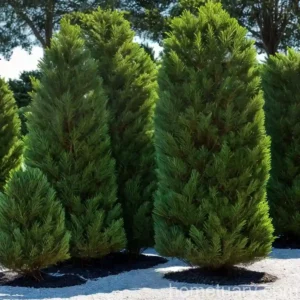
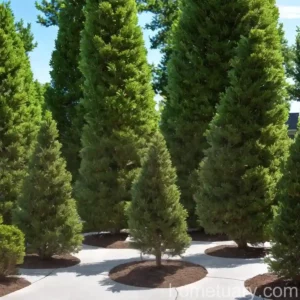
The red cedar, also commonly referred to as the Eastern red cedar or aromatic red cedar, is a species of juniper native to eastern North America. It is a slow-growing, long-lived tree that can reach heights of 40-50 feet and has a distinctive narrow, conical crown with a reddish-brown to gray-brown bark. The red cedar’s needle-like leaves and small, bluish berry-like cones add to its aesthetic appeal, making it a popular choice for landscaping and ornamental purposes.
Renowned for its fragrant, durable wood and various ecological roles, the red cedar has a rich history of traditional and contemporary uses, earning its status as a symbol of resilience and adaptability.
Key Takeaways – Red Cedar (Juniperus virginiana)
Before delving deeper into the diverse aspects of red cedar, let’s take a quick look at some key takeaways:
- Scientific Name: Juniperus virginiana
- Common Names: Red cedar, Eastern red cedar, Aromatic red cedar
- Height: 40-50 feet
- Bark Color: Reddish-brown to gray-brown
- Leaves: Needle-like
- Cones: Small, bluish, berry-like
- Notable Uses: Aromatic wood, landscaping, wildlife habitat
- Cultural Significance: Traditional crafts, folklore
Now, let’s explore the various facets of red cedar, including its cultural significance, horticultural uses, growth requirements, and more.
Culture
Understanding the cultural significance of red cedar sheds light on its importance in various traditions, crafts, and historical narratives. From Native American folklore to modern woodworking, the red cedar holds a cherished place in many cultural spheres.
Red Cedar in Native American Culture
For Native American tribes such as the Cherokee, red cedar holds a place of great respect and importance. The wood of the red cedar was used to craft various items, including canoes, totem poles, and ceremonial objects. In addition, the tree itself was considered sacred and played a significant role in various rituals and ceremonies. The distinctive aroma of the wood was also valued for its spiritual significance and was often used in purification and cleansing rituals.
Red Cedar in Folklore and Symbolism
In addition to its practical uses, red cedar has been associated with symbolism and mythology. In some cultures, the red cedar is believed to possess protective qualities, warding off evil spirits and negative energies. The tree’s resilience and longevity have also led to its symbolic representation of strength and endurance in the face of adversity.
Uses
The red cedar’s versatile nature extends to various applications, ranging from landscaping and woodworking to ecological conservation efforts. Understanding its diverse uses helps highlight the tree’s multifaceted value in both natural and human environments.
Red Cedar for Landscaping
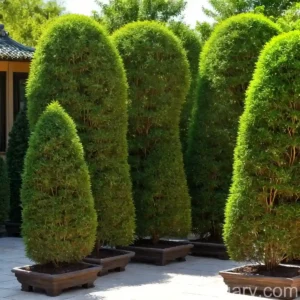
In the realm of landscaping, the red cedar is highly prized for its elegant appearance and aromatic foliage. Its dense, evergreen foliage and conical shape make it an ideal choice for privacy screens, windbreaks, and ornamental plantings. When strategically placed, red cedars can enhance the visual appeal of a landscape while providing shelter for wildlife and offering natural beauty year-round.
Red Cedar in Woodworking
One of the most renowned aspects of the red cedar is its fragrant, durable wood, which is highly valued for woodworking. The wood is often used to craft chests, closets, and other furniture, as well as decorative items such as carvings and paneling. Its distinct reddish color and natural resistance to decay and insect damage make it a preferred choice for indoor and outdoor wooden structures.
Red Cedar in Ecology
Beyond human uses, red cedar plays crucial ecological roles in its native habitats. The tree provides vital habitat and food sources for various wildlife species, including birds and small mammals. Its dense foliage and protective cover offer nesting sites and shelter, contributing to overall biodiversity and ecosystem resilience. Moreover, red cedar’s soil-stabilizing roots and drought tolerance make it valuable for erosion control and land restoration efforts.
Care
Caring for red cedar trees involves understanding their specific requirements for water, sunlight, soil, and other essential factors. By providing the optimal conditions, you can ensure the health and vigor of these iconic trees in both natural and cultivated settings.
Water
Red cedars are notably drought-tolerant once established, making them suitable for regions with limited water availability. However, during the initial establishment phase, regular watering is crucial to promote root development and overall tree health. After the first year, red cedars generally thrive with minimal supplemental watering, particularly in well-drained soil conditions.
Sunlight
As sun-loving trees, red cedars require ample sunlight to support their growth and maintain vibrant foliage. When planting red cedars, ensure they receive full to partial sun exposure, meaning at least 6-8 hours of direct sunlight per day. Proper sunlight exposure encourages dense, healthy foliage and promotes the tree’s natural form and structure.
Soil
Red cedar trees prefer well-drained soil with a slightly acidic to neutral pH range. Soil that retains excessive moisture can lead to root rot and other health issues, so it’s essential to plant red cedars in soil that promotes good drainage. Additionally, incorporating organic matter into the soil during planting can enhance nutrient availability and soil structure, supporting the tree’s long-term vitality.
Fertilizer
In most cases, mature red cedar trees growing in their native habitats do not require regular fertilization. However, in urban or landscaped settings where soil nutrients may be limited, a balanced, slow-release fertilizer can be applied in early spring to support healthy growth and foliage. It’s crucial to avoid excessive fertilization, which can lead to nutrient imbalances and potential harm to the tree.
Pruning
Pruning red cedar trees is an important aspect of maintenance, allowing for shaping, thinning out dense foliage, and promoting overall tree health. Understanding the best practices for pruning red cedars can help ensure aesthetic appeal and structural integrity.
Best Time for Pruning: Late winter to early spring is typically the best time for pruning red cedars, as this allows for the removal of dead or damaged branches before the active growing season begins. It’s essential to avoid pruning during hot, dry periods, as this can stress the tree and inhibit recovery.
Pruning Techniques: When pruning red cedar trees, focus on removing any dead, diseased, or crossing branches, as well as thinning out overly dense growth to improve air circulation and light penetration. Use sharp, clean pruning tools to make precise cuts, and avoid over-pruning, which can affect the tree’s natural form and vigor.
Safety Considerations: When pruning red cedars, take safety precautions to prevent injuries and bark damage. Wear protective gear, assess the surroundings for potential hazards, and ensure proper training or guidance for handling pruning equipment, particularly when dealing with larger trees.
Propagation
Propagating red cedar trees can be done through various methods, including seed propagation and cuttings. By understanding the principles of propagation, you can multiply red cedar trees for landscaping or conservation purposes.
Seed Propagation
Growing red cedar trees from seeds requires careful consideration of seed collection, storage, and germination conditions. Here are key steps for successful seed propagation:
- Seed Collection: Harvest red cedar seeds from mature cones in the fall, ensuring they are fully developed and viable.
- Seed Storage: Store the collected seeds in a cool, dry location until the following spring, ensuring proper air circulation and moisture control.
- Stratification: Prior to sowing, subject the seeds to a period of cold, moist stratification to break dormancy and promote germination.
- Sowing: Plant the stratified seeds in well-drained, prepared soil in the spring, covering them lightly with soil and maintaining consistent moisture.
Cutting Propagation
Using stem cuttings to propagate red cedar trees can yield genetic clones of desired parent trees. Key steps for successful cutting propagation include:
- Cutting Selection: Choose healthy, non-flowering lateral branches for the cuttings, typically in the early to mid-summer when the trees are actively growing.
- Preparation: Trim the selected cuttings to 4-6 inches in length, removing the lower leaves and making clean, diagonal cuts at the base.
- Rooting Medium: Dip the base of the cuttings in rooting hormone and place them in a well-draining, sterile rooting medium, such as perlite or a mix of peat and sand.
- Rooting Conditions: Maintain high humidity and moderate warmth for the cuttings, providing indirect sunlight and regular misting to promote root development.
- Transplanting: Once rooted, carefully transplant the cuttings into individual containers or a prepared outdoor site, ensuring proper acclimatization and ongoing care.
Container Popularity
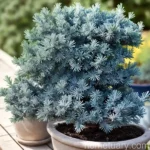
Red cedar trees are increasingly popular as container plants for both indoor and outdoor settings, offering unique aesthetics and aromatic charm. Their adaptability to container cultivation makes them versatile options for various design preferences and space constraints.
Indoor Container Cultivation
In indoor settings, red cedar trees in containers can serve as attractive ornamental accents, adding a touch of natural beauty and soothing fragrance to living spaces. Choosing a well-draining, appropriately sized container and providing ample sunlight can support healthy growth while enhancing interior décor.
Outdoor Container Planting
In outdoor spaces, red cedar trees in containers can serve multiple purposes, ranging from privacy screening to accentuating patio or garden areas. Container-grown red cedars offer flexibility in placement and can adapt to various microclimates, providing greenery and fragrance without the need for extensive ground planting.
Container Considerations
When cultivating red cedar trees in containers, it’s crucial to select a suitable potting mix, ensure adequate drainage, and provide regular watering and fertilization. Monitoring for root bound conditions and periodic repotting can help maintain the tree’s overall health and vitality in container environments.
Common Diseases
Like many plant species, red cedars are susceptible to certain diseases that can affect their overall health and appearance. Familiarizing yourself with common cedar tree diseases and their management can help minimize potential impacts and preserve the tree’s vigor.
Cedar Apple Rust
Cedar apple rust is a fungal disease that affects various juniper and apple tree species. It is characterized by orange to rust-colored gelatinous growths on cedar trees, particularly after rainy periods. To manage cedar apple rust, it’s important to remove and destroy infected plant material, promote good air circulation, and consider fungicidal treatments in severe cases.
Tip Blight
Tip blight is a fungal disease that causes browning and dieback of new growth, affecting the overall appearance and vitality of red cedar trees. Proper sanitation, balanced fertilization, and selective pruning of affected branches can help manage tip blight and reduce its impact on tree health.
Phytophthora Root Rot
Phytophthora root rot is a soil-borne disease that can affect red cedars growing in poorly drained or waterlogged soil. Symptoms include stunted growth, yellowing foliage, and dieback of branches. Improving soil drainage, avoiding overwatering, and maintaining overall tree vigor can help reduce the risk of phytophthora root rot.
Disease Diagnosis
Diagnosing diseases in red cedar trees involves careful observation of symptoms and consideration of environmental factors that may contribute to disease development. Utilizing diagnostic resources and seeking professional assistance can aid in accurately identifying and managing potential diseases.
Symptoms to Observe
When assessing red cedar trees for potential diseases, be on the lookout for symptoms such as:
- Discolored, distorted, or abnormal growth
- Lesions, cankers, or galls on branches or foliage
- Premature leaf drop or defoliation
- Unusual patterns or colors on the foliage and bark
Diagnostic Resources
For accurate disease diagnosis, consider consulting with local plant pathology experts, extension services, or arborists. These professionals can provide insights and guidance based on regional disease prevalence, environmental conditions, and specific red cedar tree characteristics. Additionally, utilizing online diagnostic tools and reputable plant health resources can aid in narrowing down potential disease issues and determining appropriate management strategies.
Common Pests
Red cedar trees can face challenges from various pests that may impact their growth and vitality. Understanding the common pest species, their feeding habits, and effective management approaches can help mitigate potential pest-related issues.
Cedar Bark Beetles
Cedar bark beetles are known pests that can infest stressed or damaged red cedar trees, causing damage to the inner bark and potentially leading to tree decline. Promoting overall tree health, addressing stress factors, and implementing preventive control measures can help reduce the risk of cedar bark beetle infestations.
Bagworms
Bagworms are caterpillar pests that construct protective bags from foliage and silk, often causing extensive defoliation of red cedar trees. Physical removal of the bags, application of targeted insecticides, and maintaining natural predator populations can aid in controlling bagworm infestations and protecting tree health.
Spider Mites
Spider mites are tiny arachnids that can infest red cedar trees, particularly in hot, dry conditions, causing stippling and discoloration of foliage. Regular monitoring, enhancing natural predator populations, and providing adequate moisture to mitigate dry conditions can help manage spider mite populations and minimize their impact on tree health.
Botanist’s Tips
As a botanist, understanding the botanical characteristics and growth habits of red cedar trees is essential for effectively studying, conserving, and utilizing this species. Consider the following tips for a comprehensive botanical perspective on red cedar (Juniperus virginiana):
Leaf Structure
Red cedar leaves are needle-like and arranged in whorls of three, a characteristic feature of many juniper species. The foliage’s waxy coating and compact arrangement contribute to its drought tolerance and ability to thrive in harsh environmental conditions.
Bark Characteristics
The bark of red cedar trees undergoes changes in color and texture as the tree matures. In younger trees, the bark is often smooth and reddish-brown, gradually developing furrows and scaling as the tree ages, resulting in a more rugged appearance.
Needle Structure
A key botanical feature of red cedar trees is the needle structure, which consists of sharp, pointed needles that provide a unique texture and visual appeal. The needle-like leaves not only contribute to the tree’s ornamental value but also play a role in its adaptation to various climate conditions.
Fun Facts
Exploring fascinating fun facts about the red cedar can provide intriguing insights into its ecological, cultural, and historical significance. Here are some captivating tidbits about this iconic tree:
- The wood of the red cedar is renowned for its distinctive aroma and resistance to decay, making it a favored choice for lining closets and crafting furniture.
- Red cedar foliage and berries are utilized by wildlife, including birds and small mammals, for food and shelter.
- Red cedar has been historically linked to traditional crafts and folklore, representing resilience and protection in various cultural narratives.
- The oil extracted from red cedar wood is valued for its aromatic and insect-repellent properties, often used in perfumery and natural pest control.
Links to External Resources
For further exploration of red cedar (Juniperus virginiana) and related topics, the following external resources offer valuable insights and information:
- The United States Department of Agriculture (USDA) – Plant Guide: Eastern Red Cedar
- North Carolina State University Extension – Redcedar: Juniperus virginiana
- Missouri Botanical Garden – Juniperus virginiana
- University of Florida IFAS Extension – Eastern Redcedar
These resources provide in-depth botanical descriptions, cultivation guidelines, ecological roles, and cultural significance of red cedar, offering a comprehensive perspective for enthusiasts, researchers, and horticulturalists.
Conclusion
The red cedar (Juniperus virginiana) stands as a captivating emblem of resilience, versatility, and intrinsic value in both natural and cultural contexts. From its aromatic wood and ecological contributions to its rich folklore and horticultural uses, this iconic tree embodies a wealth of knowledge and inspiration, inviting exploration and appreciation in various domains.
By delving into the diverse dimensions of red cedar, we gain a deeper understanding of its botanical intricacies, horticultural potential, and timeless significance, affirming its place as an enduring symbol of strength and adaptability. Whether admired for its striking silhouette in the landscape or cherished for its storied heritage, the red cedar continues to leave an indelible mark on the natural world and human imagination, beckoning us to embrace its enduring allure and timeless charm.
So, the next time you encounter a majestic red cedar tree, take a moment to ponder its storied past, its ecological essence, and its enduring legacy—a tree that embodies the very essence of cultural, ecological, and botanical intrigue.
In this comprehensive exploration of red cedar, we’ve covered a wide range of topics, from its cultural significance and horticultural uses to its botanical characteristics and ecological roles. I hope this blog post has provided valuable insights into the captivating world of red cedar, inspiring curiosity and appreciation for this remarkable tree. Whether in the realm of folklore, ecology, or horticulture, red cedar continues to captivate and inspire, bearing witness to the enduring allure of nature’s wonders.