red cedar (Juniperus virginiana ‘Hillspire’): A Comprehensive Guide for Plant Enthusiasts
As a plant scientist and enthusiast, I’m excited to delve into the fascinating world of the red cedar (Juniperus virginiana ‘Hillspire’). This evergreen tree, known for its stunning foliage and versatile uses, holds a special place in the realm of landscaping and gardening. In this comprehensive guide, we will explore the characteristics, cultivation, uses, maintenance, and fascinating facts about this captivating plant. Let’s embark on a journey to discover the many facets of the red cedar (Juniperus virginiana ‘Hillspire’).
What is red cedar (Juniperus virginiana ‘Hillspire’)?
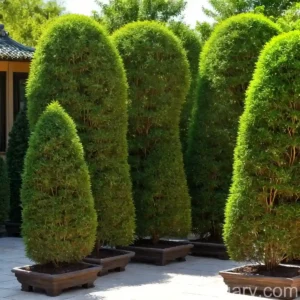
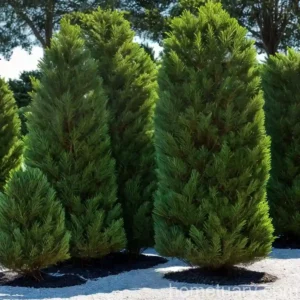
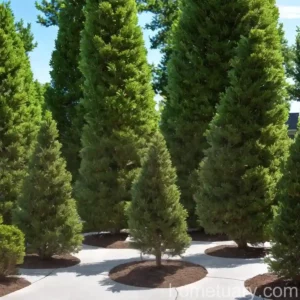
The red cedar (Juniperus virginiana ‘Hillspire’) is a variety of Juniperus virginiana, commonly known as eastern red cedar. This species is native to North America and is beloved for its evergreen nature, dense foliage, and attractive berry-like cones. The ‘Hillspire’ cultivar is particularly prized for its columnar growth habit and vibrant green foliage, making it an excellent choice for various landscaping and ornamental purposes.
Key Takeaways – red cedar (Juniperus virginiana ‘Hillspire’)
Before we delve deeper into the various aspects of the red cedar (Juniperus virginiana ‘Hillspire’), let’s take a moment to highlight the key takeaways that we’ll be exploring in this guide. These key points will serve as our roadmap as we navigate through the world of this captivating plant.
-
Plant Name: red cedar (Juniperus virginiana ‘Hillspire’)
-
Cultivar Type: Evergreen tree
-
Cultivar Characteristics: Columnar growth habit, vibrant green foliage
-
Landscape Uses: Ornamental planting, screening, hedging
Now that we have a brief overview, let’s delve into the specific aspects of this compelling plant.
Culture
Water
The red cedar (Juniperus virginiana ‘Hillspire’) is known for its adaptability to various moisture conditions, making it relatively low-maintenance in terms of watering. Once established, this tree exhibits good drought tolerance and can thrive in both dry and moderately wet soils. However, it’s essential to ensure proper moisture during the initial establishment phase and prolonged periods of drought to support optimal growth and health.
Sunlight
This cultivar thrives in full sunlight, displaying its best growth and foliage density when provided with ample light. When selecting a planting site, it’s crucial to choose a location that receives full sun exposure for the majority of the day to promote the red cedar’s robust and vigorous growth.
Fertilizer
In general, the red cedar (Juniperus virginiana ‘Hillspire’) does not have high fertilizer requirements. However, for young trees or those showing signs of nutrient deficiency, a balanced slow-release fertilizer specifically formulated for evergreen trees can be applied in early spring. It’s important to follow the manufacturer’s recommendations and avoid over-fertilization, which can lead to adverse effects on the tree’s health.
Soil
This cultivar is well-suited to a wide range of soil types, thriving in loamy, sandy, or rocky soils with good drainage. It can tolerate slightly acidic to slightly alkaline pH levels, making it adaptable to different soil conditions. When planting, it’s advisable to amend heavy clay soils with organic matter to improve drainage and soil structure, thereby creating a favorable environment for the red cedar’s root development.
Uses
The red cedar (Juniperus virginiana ‘Hillspire’) offers a multitude of practical and aesthetic uses, making it a valuable addition to various landscape and garden settings. Here are some of the primary uses for this versatile cultivar:
-
Ornamental Planting: The columnar form and vibrant green foliage of the red cedar make it an excellent choice for ornamental planting in residential and commercial landscapes. It can be used as a focal point in garden beds, borders, or as a standalone specimen to add vertical interest and visual appeal.
-
Screening and Privacy: Due to its dense growth habit, this cultivar serves as an effective natural screen or hedge, providing privacy and a green backdrop in outdoor spaces. It can be strategically planted to create visual barriers, block unsightly views, or delineate property lines, adding both beauty and functionality to the landscape.
-
Wildlife Habitat: The red cedar’s berry-like cones provide a valuable food source for various bird species, attracting wildlife to the garden and contributing to biodiversity. Additionally, the dense foliage offers nesting sites and shelter for birds, enhancing the ecological value of the plant.
Pruning
Proper pruning is essential for maintaining the desired form, density, and health of the red cedar (Juniperus virginiana ‘Hillspire’). Here are some key considerations for pruning this cultivar:
-
Pruning Timing: The best time to prune the red cedar is during the early spring or late winter before the onset of new growth. This timing allows the tree to recover quickly and minimizes the risk of damage to the newly emerging foliage.
-
Pruning Techniques: When pruning, it’s important to remove dead, damaged, or diseased branches to enhance the overall health of the tree. Additionally, light shaping and selective thinning can be performed to maintain the desired form and density, ensuring that the tree retains its columnar growth habit and natural elegance.
-
Tools and Safety: It’s crucial to use sharp, clean pruning tools to make precise cuts and minimize the risk of tearing or injuring the branches. Safety precautions, such as wearing protective gear and ensuring stable footing, should be observed when undertaking pruning tasks.
Propagation
The red cedar (Juniperus virginiana ‘Hillspire’) can be propagated through several methods, including seed propagation and vegetative propagation. Each approach has its own set of considerations and requirements, offering plant enthusiasts the flexibility to choose the most suitable method for their propagation endeavors.
Seed Propagation
Propagating the red cedar from seeds can be a rewarding and cost-effective way to cultivate new plants. Here’s a general overview of the seed propagation process:
-
Seed Collection: Collect mature cones from the parent tree, ensuring that the cones are fully ripe and have released their seeds.
-
Seed Preparation: Extract the seeds from the cones and clean them to remove any residual debris or pulp. Stratification, a cold treatment, may be necessary to break seed dormancy and promote germination.
-
Sowing Seeds: Plant the prepared seeds in containers or seedbeds filled with a well-draining propagation mix. Lightly cover the seeds with the growing medium and water gently to ensure adequate moisture.
-
Germination and Growth: Place the containers in a sheltered outdoor location or a cold frame to expose the seeds to natural temperature fluctuations. With proper care and favorable conditions, the seeds should germinate within several weeks to several months, after which the seedlings can be nurtured until they are ready for transplanting.
Vegetative Propagation
Vegetative propagation methods, such as cuttings and layering, offer an alternative to seed propagation and can be particularly useful for preserving the unique characteristics of the parent plant. Here’s an overview of the process:
-
Cutting Propagation: Select healthy, non-flowering stems from the parent tree and prepare cuttings of the desired length, typically 4 to 6 inches. Remove the lower leaves from the cuttings and treat the base with a rooting hormone to encourage root development.
-
Rooting Medium: Plant the cuttings in a well-draining rooting medium, such as a mix of peat moss and perlite, and keep them in a warm, humid environment to facilitate root initiation.
-
Layering: Another method of vegetative propagation, layering involves the encouragement of root formation on a stem that is still attached to the parent plant. A portion of the stem is wounded or girdled, and rooting hormone is applied before the wounded area is buried in the soil or a rooting medium.
-
Transplanting: Once the cuttings or layered stems have developed strong root systems, they can be carefully transplanted into individual containers or an outdoor growing site, where they can continue to mature and establish themselves as new plants.
Container Popularity
The red cedar (Juniperus virginiana ‘Hillspire’) is also valued for its adaptability to container cultivation, offering an attractive and space-saving option for those with limited garden space. When grown in containers, this cultivar can be strategically placed on patios, balconies, or outdoor living areas, adding a touch of greenery and vertical interest to urban and suburban environments. Additionally, container-grown red cedars can be moved or rearranged to suit changing design preferences, making them a versatile choice for mobile and temporary landscaping solutions.
Given the red cedar’s natural columnar form and moderate growth rate, it can thrive in appropriately sized containers, provided that the necessary care and maintenance practices are observed. When selecting containers for red cedar cultivation, it’s important to choose ones with adequate drainage holes to prevent waterlogging and ensure proper aeration for the roots. The use of high-quality potting mixes formulated for woody plants can further support the healthy growth and development of red cedars in containers.
Common Diseases
Disease Diagnosis
While the red cedar (Juniperus virginiana ‘Hillspire’) is generally resilient and low-maintenance, it can be susceptible to certain diseases, particularly when grown in less-than-ideal environmental conditions or subjected to stress. Understanding and identifying common diseases is crucial for implementing appropriate management strategies and safeguarding the health of the plant. Here are some common diseases that can affect the red cedar:
-
Cedar Apple Rust: This fungal disease, caused by Gymnosporangium juniperi-virginianae, typically affects junipers and apple or crabapple trees. The disease manifests as orange-yellow lesions on the foliage, which may eventually lead to defoliation and impact the overall health of the tree.
-
Phomopsis Blight: Phomopsis juniperovora, a fungal pathogen, causes this blight, which is characterized by the development of brown lesions on the foliage and stems, often leading to dieback and stunted growth. Proper pruning and sanitation practices can help manage and prevent the spread of this disease.
-
Root Rot: Excessive soil moisture, poor drainage, or fungal pathogens can contribute to root rot in red cedars, leading to symptoms such as wilting, yellowing foliage, and overall decline. Addressing underlying soil and drainage issues is essential for preventing and managing the occurrence of root rot.
Disease Management
To mitigate the impact of diseases and maintain the vitality of the red cedar (Juniperus virginiana ‘Hillspire’), several disease management practices can be implemented:
-
Cultural Practices: Encouraging good air circulation, proper spacing between plants, and maintaining overall plant health through appropriate watering and soil management can help minimize the risk of disease development.
-
Sanitation: Regularly removing and disposing of infected plant debris, fallen leaves, and pruned branches can reduce the presence of disease inoculum in the environment and prevent the spread of pathogens.
-
Fungicidal Treatments: In cases where diseases pose a significant threat to the plant, the application of fungicidal treatments, following manufacturer recommendations, may be considered to control the spread of fungal pathogens and protect the tree from further damage.
Common Pests
The resilience of the red cedar (Juniperus virginiana ‘Hillspire’) is often attributed to its natural resistance to many common pests. However, certain insect pests may still pose potential challenges to the overall health and appearance of the tree. Understanding the signs and symptoms of common pests is essential for prompt intervention and effective pest management. Here are some pests that can affect the red cedar:
-
Bagworms: The larvae of bagworm moths construct protective bags from silk and foliage fragments, blending seamlessly with the cedar’s foliage. Heavy infestations can lead to noticeable defoliation and aesthetic damage to the tree.
-
Spider Mites: These tiny arachnids can cause stippling and discoloration of the foliage as they feed on the plant’s sap, potentially weakening the tree over time.
-
Scale Insects: Scale insects, such as juniper scale (Carulaspis juniperi) and oystershell scale (Lepidosaphes ulmi), can infest red cedars, causing yellowing of the foliage, premature leaf drop, and reduced vigor.
Pest Control
Integrated pest management (IPM) strategies can be effectively employed to control and mitigate pest infestations while minimizing the environmental impact. Here are some key approaches to consider for pest control in red cedars:
-
Monitoring: Regularly inspecting the foliage and stems for signs of pests, such as webbing, stippling, or unusual growths, can help detect pest issues at an early stage, allowing for prompt intervention.
-
Cultural Methods: Practices such as maintaining plant vigor, promoting natural predators of pests, and removing heavily infested plant parts can help manage pest populations without the need for chemical interventions.
-
Selective Pesticide Use: When necessary, targeted applications of horticultural oils or insecticidal soaps can effectively control certain pest populations while minimizing harm to beneficial organisms and the environment.
Botanist’s Tips
Tip 1: Selecting the Planting Site
When choosing a location to plant the red cedar (Juniperus virginiana ‘Hillspire’), consider the mature size of the tree and ensure that it has sufficient space to grow. Additionally, factor in the sunlight exposure, soil quality, and potential environmental stressors to create an optimal growing environment for the tree.
Tip 2: Regular Monitoring
Consistent monitoring of the red cedar for signs of diseases, pests, and environmental stress can facilitate early intervention and proactive management, contributing to the overall health and vitality of the plant.
Tip 3: Pruning and Shaping
Periodic pruning and shaping of the red cedar can help maintain its desired form, remove diseased or damaged branches, and promote healthy growth. However, it’s important to exercise care and precision during pruning to avoid unnecessary stress to the tree.
Fun Facts
-
The red cedar (Juniperus virginiana ‘Hillspire’) is not a true cedar but belongs to the cypress family, Cupressaceae.
-
The aromatic wood of the red cedar is prized for its natural durability and insect-repelling properties, making it a popular choice for crafting cedar chests and closets.
-
As a symbol of longevity and resilience, the red cedar has been revered in various cultures and is often associated with wisdom and strength.
Links to External Resources
For further information and resources related to the red cedar (Juniperus virginiana ‘Hillspire’), consider exploring the following links:
- The American Society of Consulting Arborists
- The United States Department of Agriculture (USDA) Plant Database
- The Royal Horticultural Society (RHS) Plant Finder
In conclusion, the red cedar (Juniperus virginiana ‘Hillspire’) stands as a remarkable, versatile, and visually striking plant with an array of landscape and ornamental applications. From its adaptable culture to its resilience against pests and diseases, this cultivar embodies enduring beauty and practicality. Whether used as a stately accent tree, a living privacy screen, or a cherished component of native landscapes, the red cedar continues to captivate plant enthusiasts and contribute to the ecological and aesthetic tapestry of outdoor environments. As we continue to appreciate and cultivate this exceptional plant, let’s celebrate its enduring presence and the countless possibilities it offers for enhancing our natural surroundings.