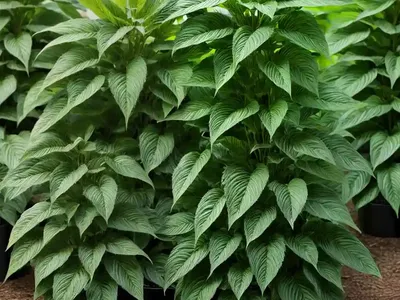
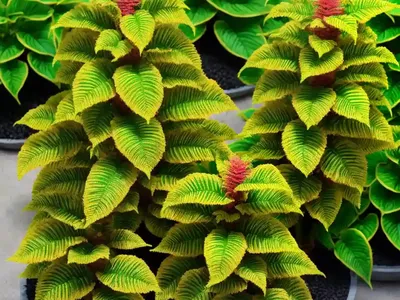
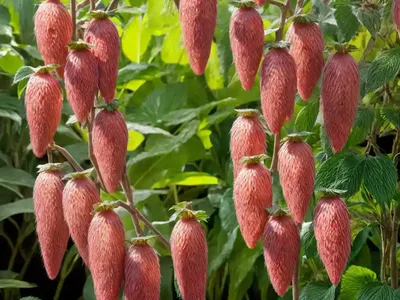
Red Cats Tail (Acalypha Hispida)
Plants play a vital role in our environment and bring beauty and tranquility to our surroundings. Red Cats Tail or Acalypha Hispida is a striking and.
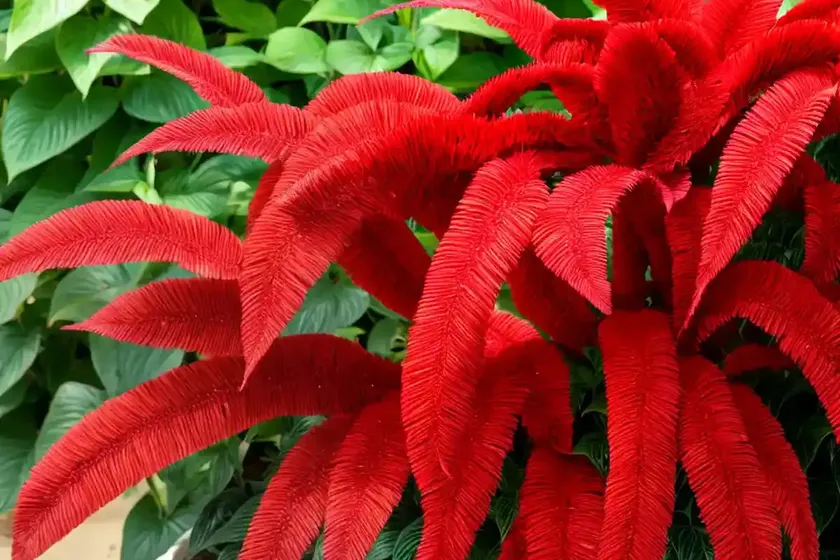
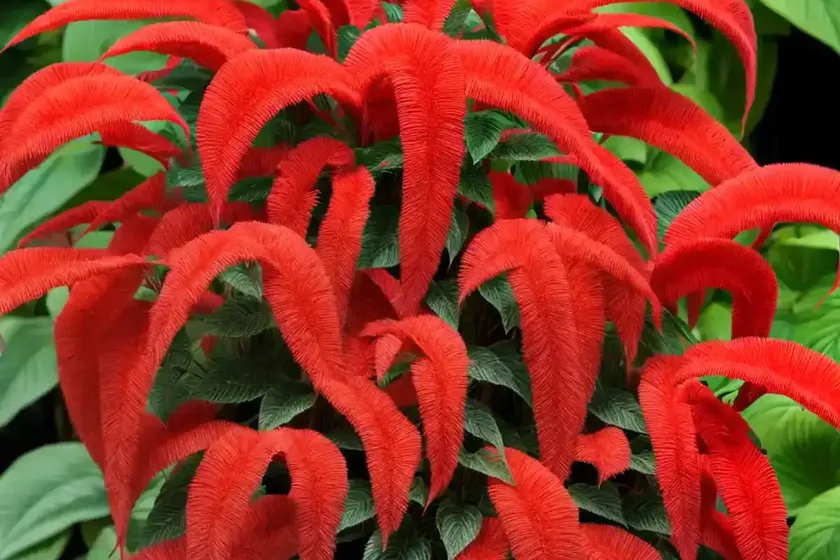
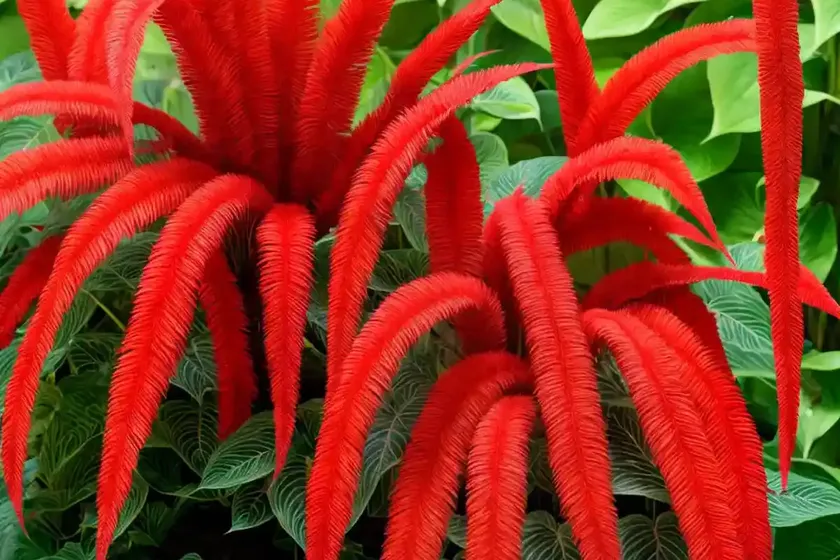
Plants play a vital role in our environment and bring beauty and tranquility to our surroundings. Red Cats Tail or Acalypha Hispida is a striking and unique plant that has gained popularity among plant enthusiasts for its vibrant and fuzzy foliage. In this comprehensive guide, we will delve into the fascinating world of Red Cats Tail, exploring its cultural significance, uses, maintenance, and more. Whether you are a seasoned gardener or a beginner plant parent, this guide will provide you with valuable insights into caring for this eye-catching plant.
What is Red Cats Tail (Acalypha Hispida)?
Red Cats Tail, scientifically known as Acalypha Hispida, is a species of flowering plant in the family Euphorbiaceae. This tropical shrub is native to the Pacific Islands, where it thrives in warm and humid climates. The plant is renowned for its unique appearance, characterized by long, fuzzy red spikes that resemble the tail of a cat.
Red Cats Tail has gained popularity as a decorative plant due to its unusual foliage and vibrant red color. It is often used in landscaping, gardens, and as a houseplant to add a touch of exotic beauty to indoor and outdoor spaces.
Key Takeaways – Red Cats Tail (Acalypha Hispida)
Culture
Red Cats Tail is deeply rooted in various cultures due to its distinctive appearance and symbolic significance. In some regions, the plant is associated with good luck, prosperity, and positive energy. Additionally, its vibrant red color is often considered auspicious and is used in traditional ceremonies and cultural rituals.
Uses
The unique appearance of Red Cats Tail makes it a popular choice for ornamental purposes. It is often used in landscaping to create striking visual displays and add texture to gardens. The plant’s vibrant red spikes make it an eye-catching addition to floral arrangements, adding a touch of exotic elegance to bouquets and centerpieces.
Water
The water requirements of Red Cats Tail are relatively moderate. It thrives in moist but well-drained soil and should be watered regularly to maintain adequate moisture levels. However, it is essential to avoid overwatering, as excessive moisture can lead to root rot and other water-related issues.
Sunlight
Red Cats Tail thrives in bright, indirect light. It should be placed in a location where it can receive filtered sunlight, as direct exposure to intense sunlight can scorch the delicate foliage. When grown indoors, placing the plant near a window that receives ample natural light is ideal for its growth and development.
Fertilizer
To promote healthy growth and vibrant foliage, Red Cats Tail can benefit from regular fertilization during the growing season. A balanced, all-purpose fertilizer can be applied every 4-6 weeks to provide the plant with essential nutrients. However, it is crucial to follow the recommended dosage and avoid over-fertilizing, as this can lead to nutrient imbalances and damage the plant.
Soil
Red Cats Tail thrives in well-drained, rich soil with a slightly acidic to neutral pH. A high-quality potting mix that offers excellent drainage is essential for the plant’s health and vitality. Additionally, adding organic matter to the soil can enhance its fertility and improve moisture retention, creating an optimal growing environment for Red Cats Tail.
Pruning
Pruning is an essential aspect of Red Cats Tail maintenance, as it helps promote healthy growth and maintain the plant’s shape and appearance. Regular pruning can also prevent the plant from becoming leggy and encourage the development of new foliage. When pruning Red Cats Tail, it is essential to use clean, sharp tools to make precise cuts and avoid causing damage to the plant.
Propagation
Propagating Red Cats Tail can be achieved through stem cuttings, making it an accessible and rewarding process for plant enthusiasts. By carefully selecting and rooting stem cuttings in a suitable growing medium, new plants can be produced, allowing for the expansion of Red Cats Tail populations and the sharing of its beauty with others.
Container Popularity
Due to its exotic appearance and compact growth habit, Red Cats Tail is a popular choice for container gardening. The plant thrives in containers, making it an ideal option for individuals with limited garden space or those looking to add a touch of tropical elegance to patios, balconies, and indoor environments.
Common Diseases
Red Cats Tail is generally resistant to many common plant diseases, thanks to its robust nature and resilience. However, it may be susceptible to issues such as root rot, powdery mildew, and fungal infections if grown in conditions of excessive moisture or poor air circulation. Regular monitoring and proper care can help prevent the onset of diseases and ensure the plant’s health.
Disease Diagnosis
Diagnosing and addressing potential diseases in Red Cats Tail requires keen observation and prompt action. By closely examining the plant for symptoms such as discolored foliage, wilting, or unusual growth patterns, early signs of disease can be identified. Once a potential issue is detected, appropriate measures, such as adjusting watering practices or applying targeted treatments, can be employed to mitigate the problem.
Common Pests
Red Cats Tail may attract certain pests, including aphids, mealybugs, and spider mites, particularly when grown in indoor environments. These pests can cause damage to the plant’s foliage and compromise its overall health if left unchecked. Implementing pest prevention measures and promptly addressing infestations can help protect Red Cats Tail from pest-related issues.
Botanist’s Tips
For enthusiasts eager to cultivate Red Cats Tail, incorporating botanist’s tips can be invaluable. The plant’s unique requirements, growth habits, and care preferences can be better understood through the expertise of botanists, providing valuable insights for successfully growing and nurturing Red Cats Tail in varied environments.
Fun Facts
Discovering the intriguing and captivating aspects of Red Cats Tail through fun facts can further enhance the appreciation for this remarkable plant. From its cultural significance to its ecological role, delving into the fun facts of Red Cats Tail can deepen one’s connection with the plant and its distinct qualities.
Links to External Resources
For additional information, resources, and expert insights on Red Cats Tail, exploring external links can be an enriching experience. Online platforms, botanical gardens, and horticultural publications can offer a wealth of knowledge and guidance for cultivating and caring for Red Cats Tail.
Conclusion
Red Cats Tail (Acalypha Hispida) stands out as a captivating and distinctive plant, celebrated for its vibrant red foliage and ornamental charm. Whether adorning gardens, interior spaces, or floral arrangements, this tropical beauty has secured a special place in the hearts of plant enthusiasts worldwide. By understanding its cultural significance, mastering its care requirements, and appreciating its unique attributes, individuals can enjoy the beauty and vitality of Red Cats Tail while creating inviting and visually stunning landscapes and indoor settings.
Embarking on the journey of growing and caring for Red Cats Tail offers an opportunity to immerse oneself in the fascinating world of plants, and through thoughtful cultivation and nurturing, the allure of this remarkable species can thrive, enriching the lives of those who cultivate it.
In a world where nature’s intrinsic beauty continues to inspire and captivate, Red Cats Tail (Acalypha Hispida) stands as a testament to the wondrous diversity and allure of botanical wonders, inviting individuals to embrace its elegance and celebrate its presence in our lives.
Keywords: Red fuzzy caterpillar plant, Acalypha hispida care tips,
Growing red cats tail plant, Acalypha hispida propagation methods, Red cats tail houseplant, Acalypha hispida plant features, Red cat’s tail plant facts, Acalypha hispida benefits, Red cats tail plant varieties, Acalypha hispida gardening tips, Red fuzzy tail plant information, Acalypha hispida pruning guide, Red cat’s tail plant care instructions, Acalypha hispida growing conditions, Red cats tail plant pests and diseases, Acalypha hispida indoor plant, Red fuzzy cat tail plant care, Acalypha hispida water requirements, Red cats tail plant maintenance, Acalypha hispida sunlight needs
Red cats tail plant soil preferences, Acalypha hispida potting tips, Red fuzzy caterpillar plant care, Acalypha hispida medicinal uses, Red cat’s tail plant propagation, Acalypha hispida natural habitat, Red cats tail plant aesthetic appeal, Acalypha hispida foliage characteristics, Red cats tail plant landscape ideas, Acalypha hispida versatile plant, Red fuzzy tail plant benefits, Acalypha hispida container gardening, Red cat’s tail plant placement options, Acalypha hispida unique plant species, Red cats tail plant for beginners, Acalypha hispida drought-tolerant plant, Red fluffy caterpillar plant care, Acalypha hispida Growth habits, Red cats tail plant natural remedies, Acalypha hispida eco-friendly plant, Red cats tail plant landscaping tips,
Acalypha hispida ornamental plant, Red cats tail plant pruning techniques, Acalypha hispida common problems, Red fuzzy tail plant propagation methods, Acalypha hispida unique foliage color, Red cat’s tail plant water retention abilities, Acalypha hispida low-maintenance plant, Red cats tail plant winter care, Acalypha hispida companion plants.