Strawberry Firetail (Acalypha Pendula)
Strawberry Firetail, scientifically known as Acalypha pendula, is a fascinating and visually striking plant that captivates gardening enthusiasts with its.
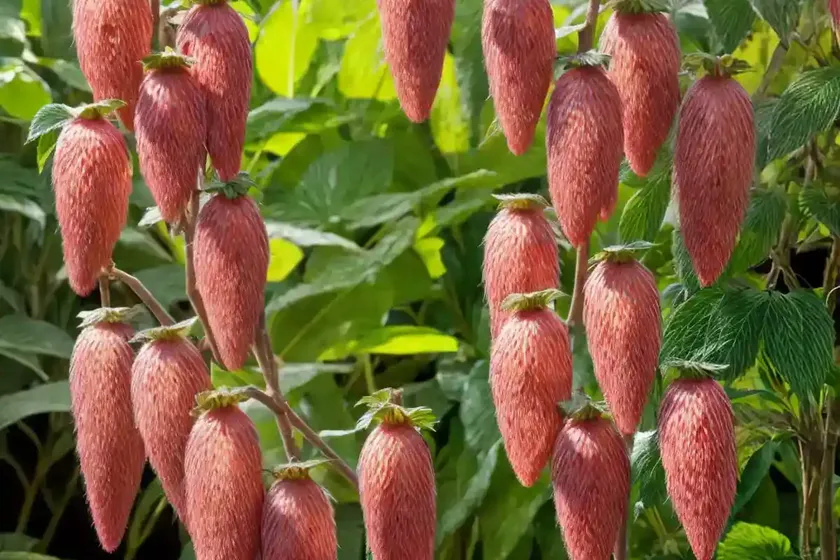
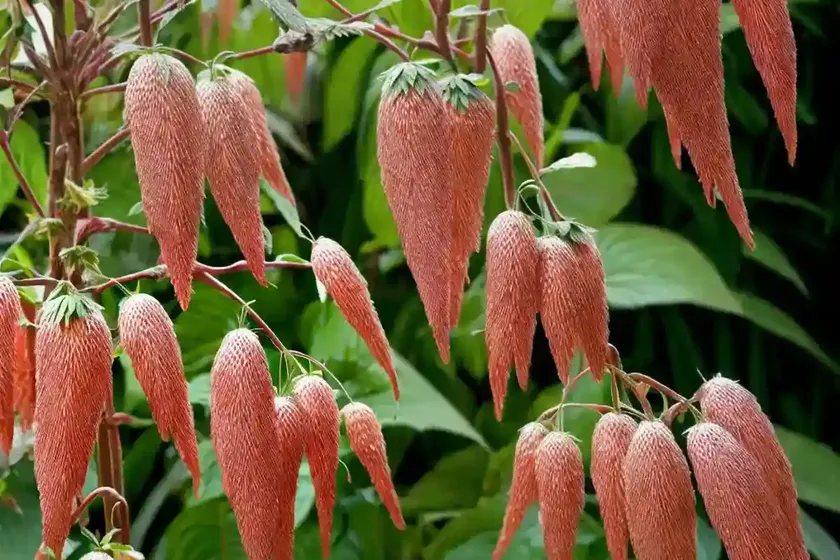
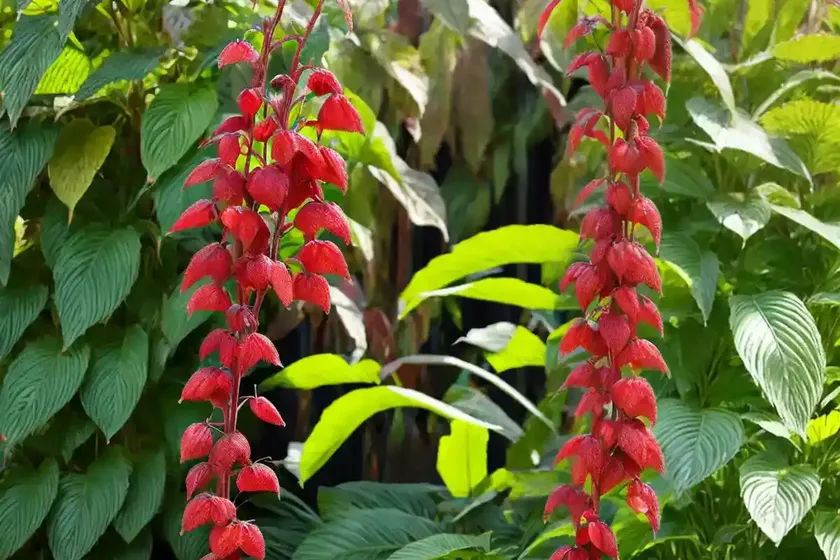
Strawberry Firetail, scientifically known as Acalypha pendula, is a fascinating and visually striking plant that captivates gardening enthusiasts with its vibrant leaves and unique growth pattern. This plant belongs to the Euphorbiaceae family and is an excellent choice for those looking to add a pop of color and texture to their indoor or outdoor spaces. In this comprehensive plant care guide, we will delve into the intricacies of nurturing the Strawberry Firetail, exploring its cultural requirements, uses, maintenance, popular varieties, propagation techniques, common diseases, and much more. Whether you’re a seasoned gardener or a novice plant parent, this guide will equip you with the knowledge and skills to cultivate and care for the Strawberry Firetail with confidence and success.
What is the Strawberry Firetail (Acalypha Pendula)?
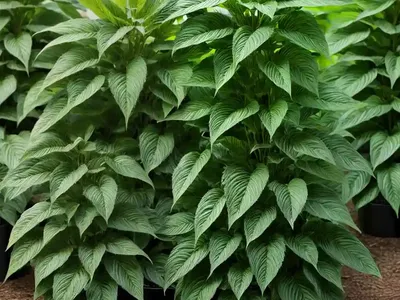
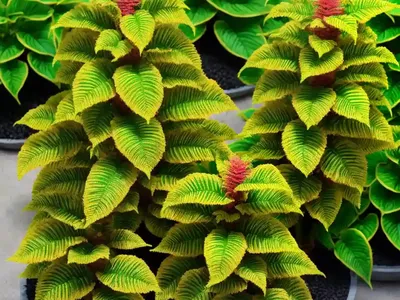
The Strawberry Firetail, or Acalypha pendula, is a striking perennial plant renowned for its distinctive foliage and graceful trailing habit. Originating from tropical regions, particularly in areas of Central and South America, this captivating plant boasts vibrant, lance-shaped leaves in shades of green and red, exuding an alluring aesthetic appeal. When grown under optimal conditions, the Strawberry Firetail produces cascading tassels of colorful foliage, creating a visually stunning display. This plant is an exceptional choice for hanging baskets, containers, or as a ground cover in suitable climates, adding a touch of exotic allure to any space.
Key Takeaways – Strawberry Firetail (Acalypha Pendula)
Before venturing into the specifics of caring for the Strawberry Firetail, let’s explore the key takeaways and essential aspects of this alluring plant:
Culture
- Origin: Central and South America
- Plant Type: Perennial
- Family: Euphorbiaceae
- Growth Habit: Trailing
- Foliage: Lance-shaped, vibrant green and red
Uses
- Ornamental Purposes: Ideal for hanging baskets, containers, and ground cover
- Aesthetic Appeal: Adds color and texture to indoor and outdoor spaces
Water
- Moderate Watering: Requires regular, moderate watering to maintain soil moisture
- Well-Draining Soil: Thrives in well-draining soil to prevent waterlogged conditions
Sunlight
- Bright Indirect Light: Flourishes in bright, indirect light conditions
- Partial Shade: Tolerates partial shade, particularly in hot climates
Fertilizer
- Balanced Fertilization: Benefits from regular, balanced fertilization during the growing season
- Organic Fertilizers: Prefers organic fertilizers for enhanced growth and vitality
Soil
- Well-Draining Soil: Thrives in well-draining, nutrient-rich soil
- Potting Mix: Requires a high-quality potting mix with good aeration and moisture retention
Pruning
- Maintenance Pruning: Regular pruning to control growth and maintain shape
- Pinching Back: Pinching back leggy growth to encourage bushier, fuller foliage
Propagation
- Stem Cuttings: Easily propagated from stem cuttings in suitable growing conditions
- Propagation Medium: Propagate in well-draining, moist propagation medium for optimal results
Container Popularity
- Ideal for Containers: Well-suited for hanging baskets, decorative pots, and container gardening
- Trailing Habit: Showcases its trailing beauty when grown in hanging containers
Common Diseases
- Powdery Mildew: Susceptible to powdery mildew in humid conditions
- Root Rot: Prone to root rot if overwatered or exposed to waterlogged soil
Disease Diagnosis
- Visual Symptoms: Monitor for white, powdery patches on foliage for powdery mildew
- Root Inspection: Check for yellowing or mushy roots as signs of root rot
Common Pests
- Aphids: Vulnerable to aphid infestations, particularly in sheltered outdoor locations
- Spider Mites: Prone to spider mite attacks, leading to stippled, discolored foliage
Botanist’s Tips
- Optimal Growing Conditions: Provide well-draining soil, bright indirect light, and moderate humidity
- Regular Maintenance: Engage in regular pruning, watering, and fertilization routines for healthy growth
- Vigilant Monitoring: Monitor for signs of pests and diseases to address issues promptly
Fun Facts
- Tropical Origin: Hails from tropical regions of Central and South America
- Attractive Foliage: Showcases striking green and red foliage with a cascading growth habit
- Versatile Placement: Well-suited for vertical and hanging displays, enhancing indoor and outdoor areas
Links to External Resources
- Royal Horticultural Society – Acalypha pendula
- University of Florida IFAS Extension – Acalypha pendula
Now that we have a comprehensive overview of the Strawberry Firetail’s key characteristics and requirements, let’s delve into the intricate details of cultivating and nurturing this captivating plant.
Acalypha Pendula Care
Caring for the Strawberry Firetail, also known as Acalypha pendula, entails providing the ideal growing conditions, regular maintenance, and attentive monitoring to ensure its flourishing growth and visual allure. From watering and sunlight needs to propagation and disease prevention, this section will elucidate the essential care guidelines for nurturing this tropical gem.
Acalypha Pendula Varieties
The Acalypha genus comprises a diverse array of species, offering a spectrum of foliage colors, growth habits, and ornamental characteristics. While Acalypha pendula is celebrated for its trailing growth and vibrant green and red leaves, other Acalypha varieties present a stunning variety of foliage and growth patterns. Some notable Acalypha species and cultivars include:
- Acalypha wilkesiana ‘Godseffiana’ (Copperleaf): Renowned for its brilliant variegated foliage in shades of green, yellow, and copper.
- Acalypha reptans (Dwarf Chenille Plant): Showcases drooping, fuzzy red inflorescences and compact growth.
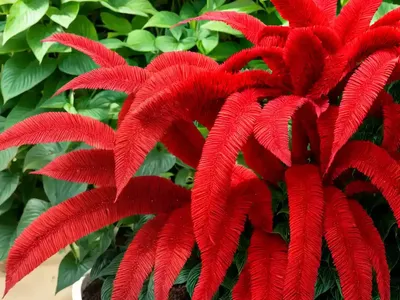
- Acalypha hispida (Chenille Plant): Famed for its eye-catching, pendulous red flower spikes resembling caterpillars.
Tips for Growing Acalypha Pendula
Water
The Strawberry Firetail thrives when provided with consistent and moderate watering to maintain adequate soil moisture levels. It is essential to allow the soil to partially dry out between watering sessions to prevent waterlogging and root suffocation. When watering, apply water evenly to the potting mix until it begins to drain from the container’s bottom, ensuring thorough hydration without causing water stagnation.
- Moderate Frequency: Water regularly, allowing the top inch of the soil to dry out between waterings.
- Avoid Waterlogging: Prevent water accumulation at the root zone to avert the risk of root rot.
Sunlight
Proper sunlight exposure plays a pivotal role in the growth and vibrancy of the Acalypha pendula. Siting the plant in a location with bright, indirect light or partial shade is optimal, particularly in regions with intense sunlight. Adequate sunlight levels contribute to robust growth, vibrant foliage coloration, and the development of the plant’s trailing habit.
- Bright, Indirect Light: Situate in a location receiving bright, indirect sunlight for lush, vigorous growth.
- Partial Shade Tolerance: Accommodates partial shade, especially in warm climates to shield from harsh afternoon sun.
Fertilization
Nourishing the Acalypha pendula with a balanced and organic fertilizer regimen promotes vigorous growth, vibrant foliage coloration, and overall plant vitality. During the active growing season, administering a regular fertilization schedule enriches the soil with essential nutrients, fostering the Strawberry Firetail’s health and aesthetic appeal.
- Balanced Fertilizer: Apply a balanced, water-soluble fertilizer at half-strength every four to six weeks during the growing season.
- Organic Options: Opt for organic fertilizers tailored for flowering and foliage plants to support the plant’s natural vigor.
Soil
The choice of soil and potting mix significantly influences the Acalypha pendula’s growth, moisture retention, and nutrient availability. Providing a well-draining potting mix enriched with organic matter promotes healthy root development, prevents waterlogging, and ensures optimal aeration for the plant’s vitality.
- Well-Draining Medium: Utilize a well-draining potting mix to prevent water accumulation around the roots.
- Organic Enrichment: Incorporate organic materials such as peat moss or compost to enhance soil fertility and texture.
Pruning
Regular pruning and maintenance are pivotal aspects of nurturing the Strawberry Firetail, contributing to controlled growth, a compact, bushy habit, and the promotion of new foliage. Pruning activities such as pinching back leggy growth and removing spent or discolored leaves aid in maintaining the plant’s aesthetic allure and overall health.
- Controlled Growth: Trim back excessive growth to maintain the desired plant size and shape.
- Stimulate Branching: Pinch back the stems to encourage branching and the development of lush, full foliage.
Strawberry Firetail Plant Care
The enchanting allure of the Strawberry Firetail, with its captivating foliage and graceful trailing habit, has made it a sought-after plant for indoor and outdoor cultivation. Understanding the intricacies of caring for this tropical gem equips gardening enthusiasts with the knowledge and expertise to ensure its robust growth and ornamental splendor.
Strawberry Firetail Plant Varieties
While Acalypha pendula is a captivating species known for its vibrant green and red foliage and trailing growth habit, there are other notable Acalypha varieties and cultivars that offer a diverse array of ornamental features. Some prominent Acalypha species and cultivars include:
- Acalypha godseffiana ‘Inferno’ (Copperleaf): Showcases variegated foliage in shades of bright green, pink, and cream, adorned with an intricate leaf pattern.
- Acalypha reptans ‘Mini Red’ (Dwarf Chenille Plant): Boasts diminutive, pendant red inflorescences and compact growth, ideal for containers and hanging displays.
- Acalypha wilkesiana ‘Louisiana Red’ (Beefsteak Plant): Renowned for its large, burgundy leaves with striking bronzy-gold markings, adding a dramatic touch to landscapes.
Acalypha Pendula Propagation
Propagating the Acalypha pendula allows gardening enthusiasts to expand their plant collection and propagate cherished specimens for propagation. The propagation process involves cultivating new plants from established specimens using stem cuttings, offering a straightforward and effective method for multiplying the Strawberry Firetail.
Stem Cuttings
- Selection: Choose healthy, non-flowering stems for propagation using clean, sharp pruning shears.
- Preparation: Cut 4- to 6-inch stem segments from the parent plant, ensuring each cutting possesses several nodes.
- Propagation Medium: Insert the cuttings into a moist, well-draining propagation medium, such as a mixture of perlite and peat moss.
- Optimal Conditions: Provide consistent moisture and warmth to encourage the development of roots, typically within 2 to 6 weeks.
- Transplanting: Once the cuttings establish roots, transplant them into individual pots filled with a well-draining potting mix to support further growth.
Strawberry Firetail Plant Diseases
The Acalypha pendula, like other ornamental plants, is susceptible to certain diseases that can affect its vigor and aesthetic appeal if left unaddressed. Familiarizing oneself with common plant diseases and their prevention empowers gardeners to safeguard their Strawberry Firetail against potential health issues.
Powdery Mildew
- Symptoms: Manifests as white, powdery patches on the foliage, compromising its visual appeal and vigor.
- Prevention: Maintain adequate air circulation, avoid overhead watering, and utilize fungicidal sprays if necessary.
Root Rot
- Signs: Exhibits yellowing, wilting foliage and mushy, discolored roots, indicating root suffocation and disease.
- Preventative Measures: Ensure well-draining soil, moderate watering, and prompt action against waterlogging issues.
Acalypha Pendula Soil Requirements
The choice of soil and potting mix plays a vital role in sustaining the Acalypha pendula’s health, root development, and overall vitality. Providing an ideal soil environment rich in nutrients, well-draining, and breathable facilitates the Strawberry Firetail’s flourishing growth and ornamental beauty.
Well-Draining Soil
- Necessity: Requires well-draining soil to prevent stagnation and suffocation of the root system.
- Enhanced Aeration: Facilitates air circulation around the roots, promoting gas exchange and nutrient uptake.
Strawberry Firetail Plant Pruning
Pruning is a fundamental aspect of Acalypha pendula maintenance, contributing to controlled growth, shape management, and the stimulation of new foliage and flowering. Engaging in regular pruning routines ensures the plant maintains its desired form and aesthetic allure.
Pruning Techniques
- Maintenance Pruning: Regularly trim back excess growth to maintain the plant’s size and shape.
- Pinching Back: Pinch back leggy stems to encourage branching and the development of denser, fuller foliage.
Acalypha Pendula Watering Needs
Understanding the Strawberry Firetail’s watering requirements is pivotal in maintaining optimal soil moisture levels, preventing waterlogging, and fostering healthy root development. Implementing a balanced watering regimen tailored to the plant’s needs ensures its vigorous growth and visual allure.
Moderate Watering
- Regular Hydration: Water consistently, allowing the top layer of the soil to partially dry out between waterings.
- Adequate Drainage: Utilize well-draining soil and containers to facilitate excess water removal and prevent root suffocation.
Strawberry Firetail Plant Pests
The Acalypha pendula is susceptible to certain insect pests that can compromise its health and aesthetic appeal if left unaddressed. Recognizing common plant pests and implementing preventive measures enables gardeners to protect their Strawberry Firetail from potential infestations.
Aphids
- Symptoms: Notable by the presence of small, soft-bodied insects clustering on new growth, leading to distorted foliage and stunted plant growth.
- Control Measures: Use insecticidal soaps or horticultural oils to deter and manage aphid populations effectively.
Spider Mites
- Indications: Manifests as stippled, discolored foliage and fine webbing on the undersides of leaves, indicating spider mite activity.
- Preventative Actions: Enhance air circulation, maintain adequate humidity, and employ neem oil or insecticidal soaps to mitigate spider mite issues.
Botanist’s Tips
Incorporating the insights and expertise of seasoned botanists and horticulturists can significantly enhance the cultivation and maintenance of the Acalypha pendula, allowing for the optimal growth and visual splendor of this captivating plant.
Optimal Growing Conditions
- Key Factors: Provide bright, indirect light, well-draining soil, and moderate humidity levels for robust growth.
- Environmental Considerations: Shield the plant from direct intense sunlight and protect it from extreme temperature fluctuations.
Regular Maintenance
- Pruning: Engage in regular pruning activities to control growth, stimulate new foliage, and maintain the plant’s desired shape.
- Monitoring: Vigilantly monitor for signs of pests, diseases, and nutrient deficiencies to address issues promptly.
Vigilant Monitoring
- Pest and Disease Awareness: Regularly inspect the plant for signs of pests, diseases, and physiological issues, intervening as necessary to restore the plant’s health.
Fun Facts
Uncovering intriguing and captivating facets of the Strawberry Firetail offers a deeper appreciation for this visually striking and alluring plant, enhancing the joy of cultivating and nurturing it.
Tropical Origin
- Natural Habitat: Hails from tropical regions of Central and South America, thriving in warm, humid environments.
- Exotic Allure: Exhibits exotic foliage and trailing growth, echoing its tropical heritage and allure.
Attractive Foliage
- Vibrant Coloration: Showcases distinctive green and red foliage, creating a striking visual impact in various settings.
- Trailing Habit: Develops cascading tassels of colorful foliage, enhancing its ornamental appeal in hanging displays.
Versatile Placement
- Adaptability: Well-suited for vertical and hanging displays, adding a touch of tropical allure to interior and exterior spaces.
- Container Gardening: Flourishes in containers, decorative pots, and hanging baskets, elevating garden and patio aesthetics.
Royal Horticultural Society – Acalypha pendula
University of Florida IFAS Extension – Acalypha pendula
In conclusion, the Strawberry Firetail, or Acalypha pendula, presents an enchanting fusion of vibrant foliage, graceful trailing growth, and tropical allure, making it a captivating addition to indoor and outdoor settings. This comprehensive care guide equips gardening enthusiasts with the fundamental knowledge and practical guidelines for cultivating and nurturing the Strawberry Firetail with confidence and expertise. By understanding its cultural requirements, maintenance practices, propagation techniques, and pest and disease management, individuals can savor the visual splendor and ornamental charm of this tropical gem, enriching their botanical pursuits and horticultural endeavors.
Plant enthusiasts and gardeners alike can celebrate the captivating allure of the Strawberry Firetail, integrating its vibrant foliage, mesmerizing growth habit, and tropical charm into their indoor and outdoor spaces. With this comprehensive care guide, the cultivation and maintenance of the Acalypha pendula are demystified, empowering individuals to foster healthy, lush growth and stunning ornamental displays of this tropical gem.