Chenille Plant (Ascalypha Hispida)
Plants are an essential part of our ecosystem, providing us with oxygen, food, and aesthetic pleasure. One such captivating plant is the Chenille Plant.
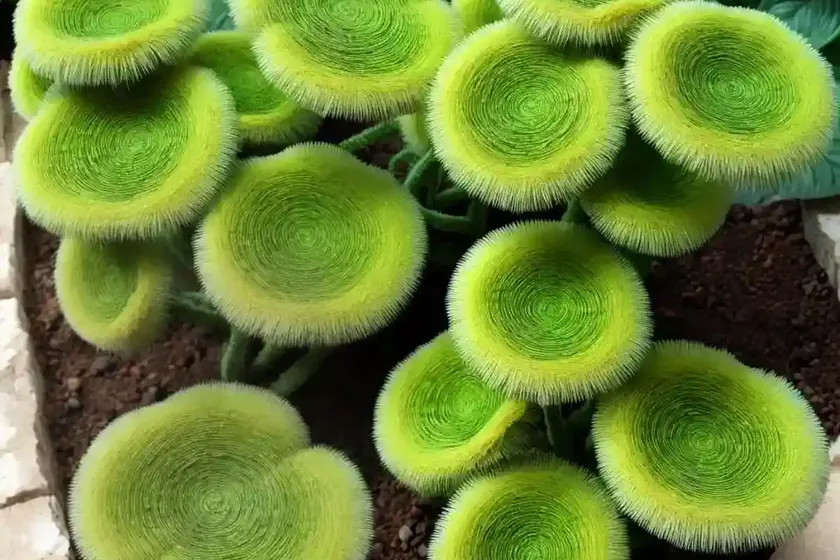
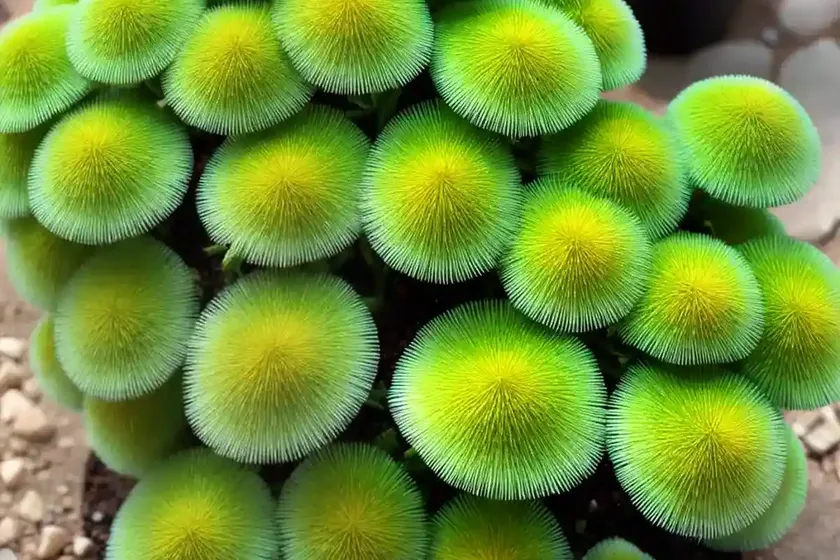
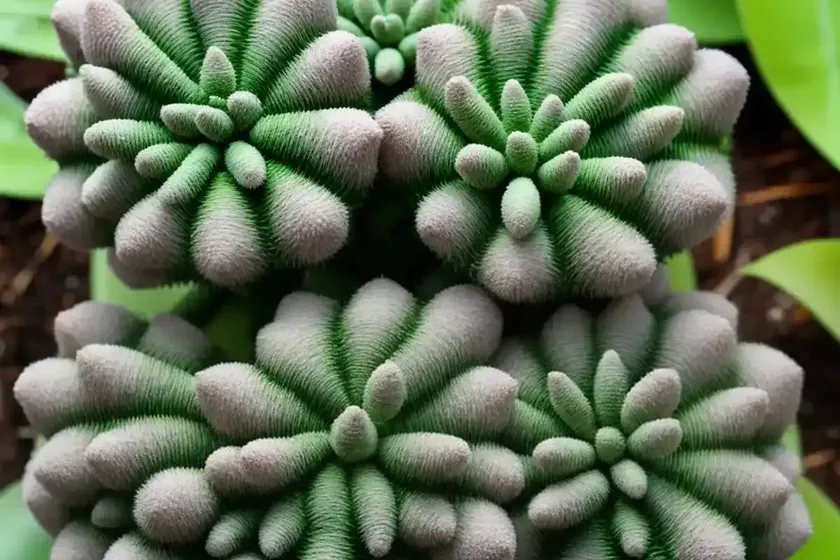
Plants are an essential part of our ecosystem, providing us with oxygen, food, and aesthetic pleasure. One such captivating plant is the Chenille Plant (Ascalypha hispida), which is known for its unique and attractive appearance. In this comprehensive guide, we will delve into the various aspects of the Chenille Plant, including its culture, uses, care requirements, and interesting facts.
What is the Chenille Plant (Ascalypha hispida)?
The Chenille Plant, scientifically known as Ascalypha hispida, is a tropical shrub native to Indonesia and Papua New Guinea. It belongs to the family Amaranthaceae and is characterized by its long, drooping, catkin-like red flowers, which resemble fuzzy caterpillars or the tail of a cat. This distinctive feature has earned the plant a range of common names, including the Red-hot cat’s tail plant, Flamingo plant, Foxtail plant, Velvet plant, and Wooly caterpillar plant.
The Chenille Plant is primarily grown for its ornamental value and is a popular choice for adding a touch of exotic and tropical flair to gardens, landscapes, and indoor spaces. Due to its striking appearance and low maintenance requirements, it has gained significant attention from horticulturists, gardeners, and plant enthusiasts around the world.
Key Takeaways – Chenille Plant (Ascalypha hispida)
Let’s explore the key aspects of the Chenille Plant, ranging from its cultural significance to horticultural practices and care requirements.
Culture
Culturally, the Chenille Plant holds significance as an ornamental plant in various regions. Its unique appearance and vibrant red flowers make it a sought-after choice for decorative purposes in gardens, parks, and indoor settings. The plant’s cultural significance extends to its symbolic representation in different traditions and folklore, often associated with attributes like vitality, resilience, and exotic beauty.
Uses
The uses of the Chenille Plant are predominantly ornamental, as it is valued for its visually appealing foliage and striking flowers. It is commonly used in landscaping to add color and texture to garden beds, borders, and tropical-themed settings. Additionally, the Chenille Plant has found its place in floral arrangements, adding a touch of unique charm to bouquets and decorative displays.
The plant’s exotic appearance also makes it a popular choice for indoor cultivation, where it can be showcased in containers, hanging baskets, and as a focal point in interior decor. Its versatility in terms of uses extends to horticultural exhibitions, public garden spaces, and botanical gardens, where it is admired for its intriguing aesthetics.
Water
When it comes to watering the Chenille Plant, it is essential to maintain a balance to ensure optimal growth and health. The plant generally requires regular watering to keep the soil consistently moist but not waterlogged. During the growing season, it is advisable to water the plant when the top inch of soil feels dry to the touch. In contrast, during the dormant winter months, the watering frequency can be reduced while still ensuring that the soil does not dry out completely.
Sunlight
Sunlight plays a crucial role in the growth and development of the Chenille Plant. It thrives in bright, indirect sunlight that mimics the conditions of its natural tropical habitat. When grown indoors, it is best placed in a location that receives ample natural light, such as near a window with filtered sunlight. Outdoors, the plant can be positioned in partially shaded areas, particularly in regions with intense heat or strong sunlight.
Fertilizer
To support the Chenille Plant’s lush growth and vibrant flowering, regular fertilization is beneficial. A balanced, water-soluble fertilizer formulated for flowering plants can be applied every 2-4 weeks during the growing season (spring and summer). It is crucial to follow the recommended dilution and application instructions provided on the fertilizer packaging to prevent over-fertilization, which can be detrimental to the plant’s health.
Soil
The Chenille Plant thrives in well-draining, slightly acidic to neutral soil with a rich organic content. A well-balanced potting mix designed for tropical ornamentals or flowering plants is suitable for container cultivation. When grown in the ground, the soil should be amended with organic matter such as compost or peat moss to improve its texture and nutrient content.
Pruning
Regular pruning is essential to maintain the Chenille Plant’s attractive form and encourage healthy growth. Pruning can be done to remove leggy or damaged growth, promote branching, and shape the plant as desired. It is recommended to prune the plant after its flowering period to encourage new growth and maintain its overall appearance.
Propagation
The Chenille Plant can be propagated through stem cuttings, which can be rooted in a well-draining rooting medium such as perlite or a mix of peat and sand. The cuttings should be taken from healthy, actively growing stems and placed in a warm, humid environment to encourage root formation. Once rooted, the new plants can be transitioned to individual pots or planted in the desired outdoor location.
Container Popularity
Due to its adaptability to container cultivation, the Chenille Plant has gained popularity as an indoor ornamental and a versatile addition to patio and balcony gardens. Its striking appearance and manageable size make it an ideal choice for adding a tropical touch to small spaces and urban settings.
Container Common Diseases
While the Chenille Plant is relatively resilient, it may be susceptible to common plant diseases such as powdery mildew and leaf spot. Proper cultural care, including adequate air circulation, watering practices, and monitoring for signs of disease, can help prevent and manage these issues. Additionally, avoiding overwatering and providing appropriate sunlight can contribute to the plant’s overall health and disease resistance.
Disease Diagnosis
Diagnosing plant diseases, such as powdery mildew or leaf spot, involves carefully examining the foliage and stems for abnormal symptoms. Powdery mildew appears as a white, powdery substance on the plant’s surfaces, while leaf spot manifests as brown or black spots on the leaves. Early detection and intervention, such as removing affected plant parts and adjusting environmental conditions, can aid in controlling and minimizing the impact of diseases.
Common Pests
The Chenille Plant may attract common garden pests such as aphids, spider mites, and whiteflies. Regular inspection of the plant for signs of pest infestations, including distorted growth, stippling on leaves, or the presence of tiny insects, is important for early pest management. Natural predators, such as ladybugs and lacewings, can help control pest populations in an outdoor setting.
Botanist’s Tips
Learning from the experiences of botanists and horticulturists can provide valuable insights into the successful cultivation and care of the Chenille Plant. Botanist-recommended tips include maintaining consistent soil moisture, providing sufficient but not excessive sunlight, and periodically fertilizing the plant to support its growth and flowering. Additionally, staying attentive to signs of pests and diseases and addressing them promptly contributes to the plant’s long-term health.
Fun Facts
- The Chenille Plant’s scientific name, “Ascalypha hispida,” references its genus, Ascalypha, and the species epithet, hispida, which denotes its characteristic hairy or bristly appearance.
- In some cultures, the Chenille Plant is associated with symbolism related to passion, creativity, and a vibrant zest for life, reflecting its vivid crimson flowers and unique form.
- The plant’s caterpillar-like inflorescences have inspired its common names, such as the “Wooly caterpillar plant” and “Red-hot cat’s tail plant,” highlighting its captivating resemblance to natural creatures.
Links to External Resources
For more in-depth information about the Chenille Plant, its care, and horticultural uses, you can explore the following external resources:
- The Chenille Plant: A Tropical Ornamental
- Growing Ascalypha Hispida Indoors
- Ornamental Plant Propagation: A Comprehensive Guide
In conclusion, the Chenille Plant (Ascalypha hispida) stands out as a captivating and visually stunning ornamental plant with an array of uses in horticulture and landscaping. Its unique appearance, cultural significance, and relatively manageable care requirements make it a popular choice for plant enthusiasts seeking a touch of tropical allure in their gardens and indoor spaces. Understanding the key aspects of its care and cultivation can enable individuals to appreciate and showcase the distinctive beauty of the Chenille Plant in various settings.