Red Campion (Silene Dioica)
Red Campion, scientifically known as Silene dioica, is a beautiful and versatile flowering plant that holds significance not only in horticulture but also.
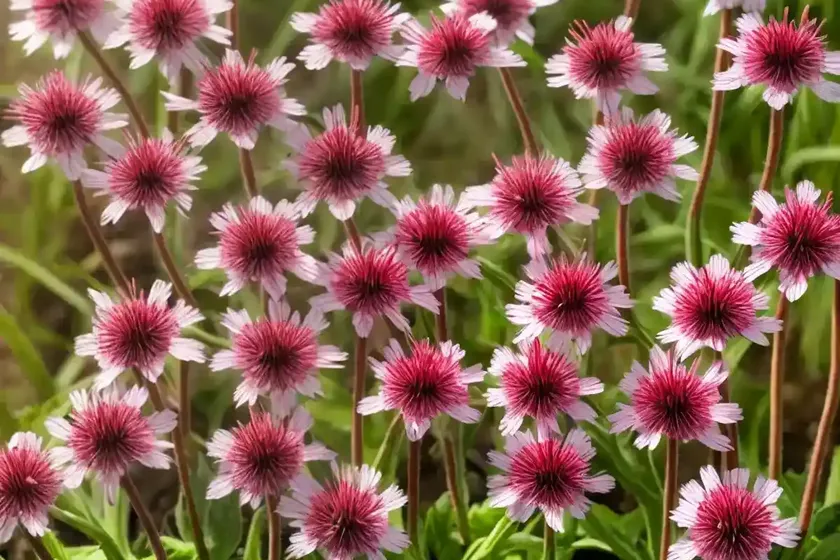
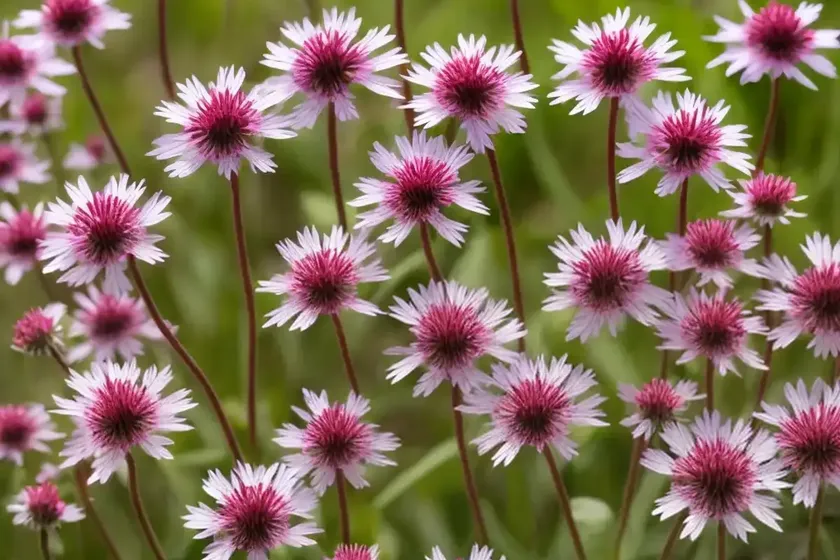
Red Campion, scientifically known as Silene dioica, is a beautiful and versatile flowering plant that holds significance not only in horticulture but also in traditional medicine, folklore, and ecological systems. In this comprehensive guide, we will delve into the various aspects of Red Campion – from its botanical characteristics to its cultivation, uses, and ecological importance. Whether you are a passionate gardener, a nature enthusiast, or a plant researcher, this guide aims to provide you with valuable insights into the world of Red Campion.
Understanding Red Campion (Silene dioica)
Red Campion, also known as Red Catchfly, is a herbaceous perennial plant belonging to the Caryophyllaceae family. The species name “dioica” signifies that the plant has separate male and female flowers on different individual plants, making it dioecious. This striking plant is native to Europe, where it can be found in woodlands, hedgerows, and along the banks of streams and rivers. It has also been introduced to parts of North America and is widely cultivated for its ornamental value.
Key Takeaways – Red Campion (Silene dioica)
Before we embark on our journey to understand Red Campion in detail, let’s take a quick look at the key takeaways that we will explore in this guide:
- Botanical Name: Silene dioica
- Common Names: Red Campion, Red Catchfly
- Plant Type: Herbaceous Perennial
- Native Habitat: Woodlands, Hedgerows, Riverbanks
- Characteristics: Dioecious, Bright Red Flowers
- Cultural Significance: Folklore, Ecological Value, Medicinal Uses
- Growth Habits: Clump-forming, Upright Stems
- Uses: Ornamental Plant, Wildlife Attraction, Herbal Medicine
Now, let’s delve into the fascinating world of Red Campion, exploring its cultural significance, uses, ecological roles, and essential care requirements for successful cultivation.
Botanical Information and Characteristics
To gain a comprehensive understanding of Red Campion, it’s essential to explore its botanical features, growth habits, and unique characteristics.
Silene dioica Facts
- Scientific Classification:
- Kingdom: Plantae
- Clade: Tracheophytes
- Clade: Angiosperms
- Clade: Eudicots
- Order: Caryophyllales
- Family: Caryophyllaceae
- Genus: Silene
-
Species: S. dioica
-
Appearance:
-
Red Campion is characterized by its clump-forming growth habit, with upright, branched stems reaching heights of around 60-90 cm (24-36 inches). The lance-shaped, dark green leaves are arranged oppositely along the stems, providing a lush backdrop for the vibrant red flowers.
-
Flowers:
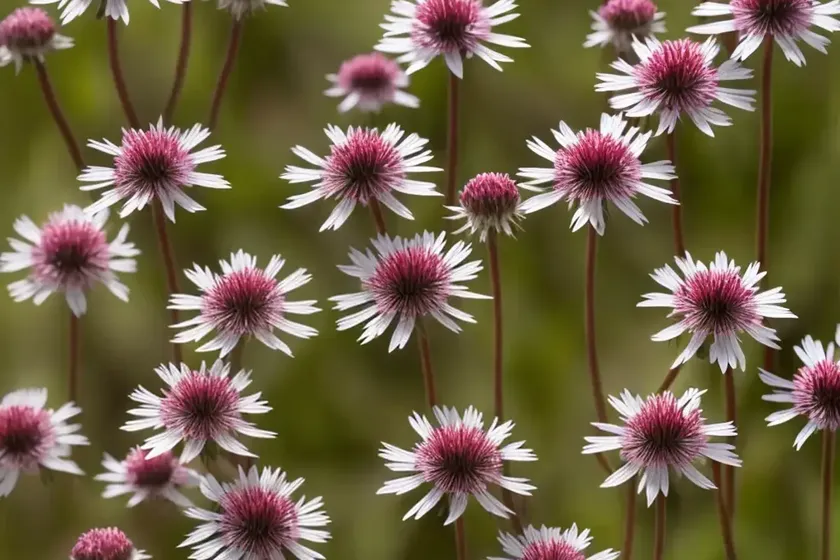
- The flowers of Red Campion are one of its most striking features, with each plant bearing numerous clusters of small, five-petaled blooms. The color of the flowers can range from deep pink to bright red, creating a captivating display in gardens and natural habitats.
Red Campion Plant Care
Now that we have gained insight into the botanical information and characteristics of Red Campion, it’s time to understand the essential care requirements for cultivating and nurturing this captivating plant.
Water
Red Campion thrives in moderately moist soil conditions, making it important to provide consistent watering, especially during dry spells. However, it is crucial to avoid waterlogging the soil, as excessive moisture can lead to root rot and other issues. As a general guideline, aim to water the plant when the top inch of the soil feels dry to the touch, ensuring that the water penetrates the root zone effectively.
Sunlight
When it comes to sunlight requirements, Red Campion flourishes in partial shade to full sun. In regions with warmer climates, providing some dappled shade during the hottest part of the day can help prevent sunscald and maintain the plant’s vibrant appearance. However, in cooler climates, full sun exposure is generally well-tolerated by Red Campion.
Fertilizer
While Red Campion is not particularly heavy feeders, providing a balanced, all-purpose fertilizer in early spring can promote healthy growth and abundant flowering. Look for a fertilizer with a balanced NPK ratio (nitrogen, phosphorus, potassium) and apply it according to the manufacturer’s recommendations. Over-fertilizing should be avoided, as excessive nutrients can lead to lush foliage at the expense of flower production.
Soil
Red Campion thrives in well-draining, fertile soil with a slightly acidic to neutral pH range. A loamy soil type with good organic matter content is ideal for supporting the plant’s growth. If your soil tends to be compacted or poor in quality, amending it with organic compost or well-rotted manure can significantly improve its texture and nutrient content, creating an optimal environment for Red Campion.
Pruning
Pruning can play a role in maintaining the overall health and appearance of Red Campion. As the flowers fade, deadheading them by removing the spent blooms can encourage the development of new flowers and prolong the blooming period. Additionally, removing any diseased or damaged foliage can help prevent the spread of diseases and promote the plant’s vigor.
Propagation
Red Campion can be propagated through various methods, including seed propagation and division. Let’s explore these propagation techniques in detail:
Seed Propagation
-
Seed Collection: Collect seeds from mature Red Campion plants once the seed pods have ripened and turned brown. It’s essential to ensure that the seeds are fully mature before harvesting them for propagation.
-
Seed Starting: Start the seeds indoors in early spring, sowing them in trays or pots filled with a well-draining seed starting mix. Press the seeds lightly into the soil surface and keep them consistently moist until germination occurs.
-
Transplanting: Once the seedlings have developed several sets of true leaves and are sturdy enough, they can be transplanted into individual pots or directly into the garden bed.
Division
-
Best Time for Division: Divide established Red Campion plants in early spring or early fall, as these periods provide favorable conditions for the plants to establish and grow.
-
Process: Carefully dig up the plant, ensuring that the root mass remains intact. Gently separate the clumps into smaller sections, each containing healthy roots and shoots. Replant the divided sections in prepared soil, ensuring that they receive adequate water and protection during the initial establishment phase.
Container Popularity
Red Campion can thrive in containers, making it a popular choice for adding color and vibrancy to patios, balconies, and small gardens. When selecting a container for Red Campion, opt for a spacious pot with good drainage holes to prevent waterlogging. Furthermore, choose a high-quality potting mix that provides adequate support and nutrients for the plant’s growth.
Common Diseases
Like many plants, Red Campion can be susceptible to certain diseases, particularly in conditions of poor air circulation and excessive moisture. Here are some common diseases that can affect Red Campion, along with their symptoms and management strategies:
Disease Diagnosis
-
Powdery Mildew: Powdery mildew is characterized by the development of a white, powdery coating on the leaves and stems of the plant. It can hinder photosynthesis and weaken the plant if left unchecked. To manage powdery mildew, improve air circulation, and consider applying a fungicidal treatment if the infestation is severe.
-
Leaf Spot: Leaf spot appears as small, dark spots on the foliage, eventually leading to leaf yellowing and defoliation. Proper sanitation and the removal of infected plant material can help prevent the spread of leaf spot. Additionally, applying a copper-based fungicide can aid in managing the disease.
-
Root Rot: Root rot, caused by fungal pathogens, can impact the roots of Red Campion, leading to wilting, yellowing, and stunted growth. Preventing waterlogged soil and ensuring proper drainage are crucial in managing and preventing root rot in Red Campion.
Common Pests
While Red Campion is relatively resistant to many pests, it can occasionally encounter pest pressure, particularly from aphids and spider mites. Here are some common pests that may affect Red Campion, along with effective management techniques:
-
Aphids: Aphids are small, soft-bodied insects that can cluster on the tender growth of Red Campion, sucking sap from the plant and causing distortion and discoloration of the leaves. To manage aphids, consider using insecticidal soap or horticultural oils and promoting natural predators, such as ladybugs and lacewings, to control the population.
-
Spider Mites: Spider mites are tiny arachnids that feed on the undersides of leaves, causing stippling, webbing, and overall decline in plant health. Regularly spraying the foliage with water can help deter spider mites, and introducing predatory mites can provide effective biological control.
Botanist’s Tips
As botanists, researchers, and plant enthusiasts, it’s important to take a holistic approach to understanding and conserving Red Campion. Here are some valuable tips for botanists and plant scientists:
-
Research Studies: Engage in research studies focusing on the ecological interactions, genetic diversity, and conservation status of Red Campion to contribute to the scientific understanding and conservation efforts surrounding this species.
-
Habitat Conservation: Advocate for the conservation of natural habitats, such as woodlands, hedgerows, and riverbanks, where Red Campion thrives. By preserving these ecosystems, we can safeguard the plant and its associated wildlife.
-
Ethnobotanical Uses: Explore the ethnobotanical uses of Red Campion in traditional medicine, folklore, and cultural practices. Documenting and preserving this knowledge can enrich our understanding of the plant and its cultural significance.
Fun Facts
To round off our exploration of Red Campion, here are some intriguing and lesser-known facts about this captivating plant:
- Red Campion is known for its ability to attract various pollinators, including bees, butterflies, and moths, due to the nectar-rich flowers.
- In traditional folklore, Red Campion has been associated with love and romance, earning it nicknames such as “Bachelor’s Buttons” and “Cuckoo-flower.”
- The vibrant red color of Red Campion flowers serves as a visual signal for pollinators, guiding them towards the rich nectar and pollen sources within the blooms.
Links to External Resources
For further exploration of Red Campion and related topics, we recommend the following external resources:
- Royal Horticultural Society – Silene dioica
- Botanical Society of Britain & Ireland – Red Campion
- Wildflower Research & Conservation Program – Silene dioica
- USDA Forest Service – Silene dioica
Conclusion
In conclusion, Red Campion (Silene dioica) stands as a remarkable plant, captivating enthusiasts with its vivid flowers, cultural significance, and ecological value. By understanding and appreciating the diverse aspects of Red Campion, from its botanical characteristics to its uses and conservation, we can foster a deeper connection with this species and contribute to its preservation in the natural world.
As we continue to explore the rich tapestry of plant life, Red Campion serves as a vibrant reminder of the beauty and significance found within our botanical landscapes, inspiring us to further unlock the mysteries and wonders of the natural world.
Remember to share your experiences with Red Campion and spread the knowledge of this remarkable plant with fellow enthusiasts, gardeners, and nature enthusiasts. Here’s to celebrating the allure of Red Campion and embracing the fascinating world of plants in all its splendor!