Rattlesnake-master (Eryngium Yuccifolium)
Plants are not just aesthetically pleasing additions to our surroundings; they play a crucial role in maintaining ecological balance and are a source of.
Plants are not just aesthetically pleasing additions to our surroundings; they play a crucial role in maintaining ecological balance and are a source of wonder with their many unique characteristics. In this blog post, we will delve into the intriguing world of the Rattlesnake-master plant (Eryngium Yuccifolium). From its distinctive features and cultivation requirements to its cultural significance and ecological benefits, we will explore the various facets of this captivating plant.
What is Rattlesnake-master (Eryngium Yuccifolium)?
Rattlesnake-master, scientifically known as Eryngium Yuccifolium, is a perennial herbaceous plant native to North America. This unique plant belongs to the carrot family, Apiaceae, and is characterized by its striking appearance and adaptability to diverse growing conditions.
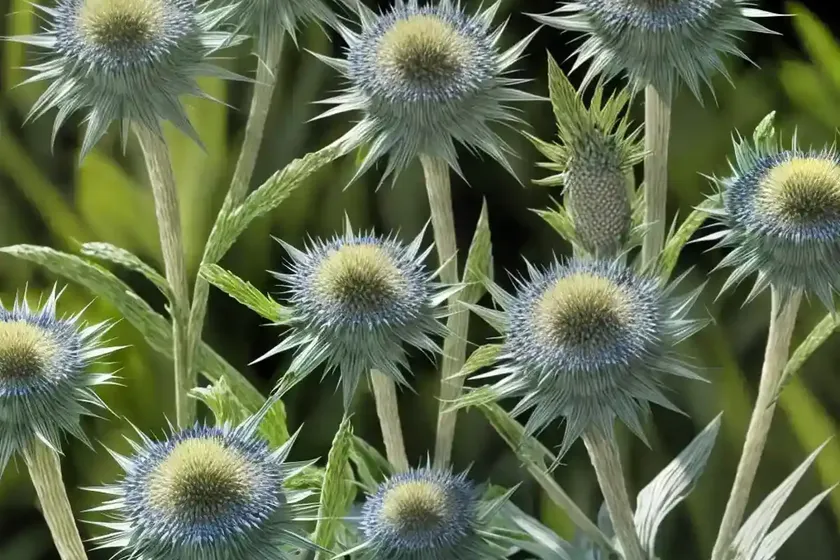
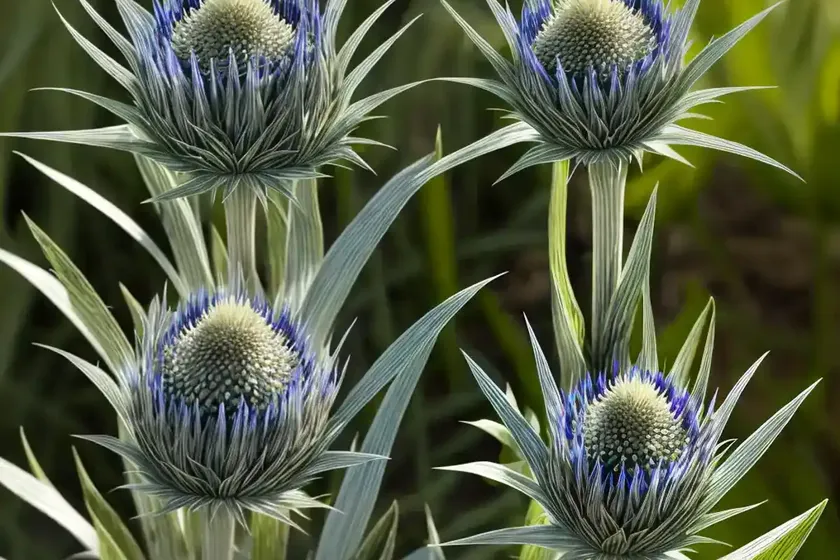
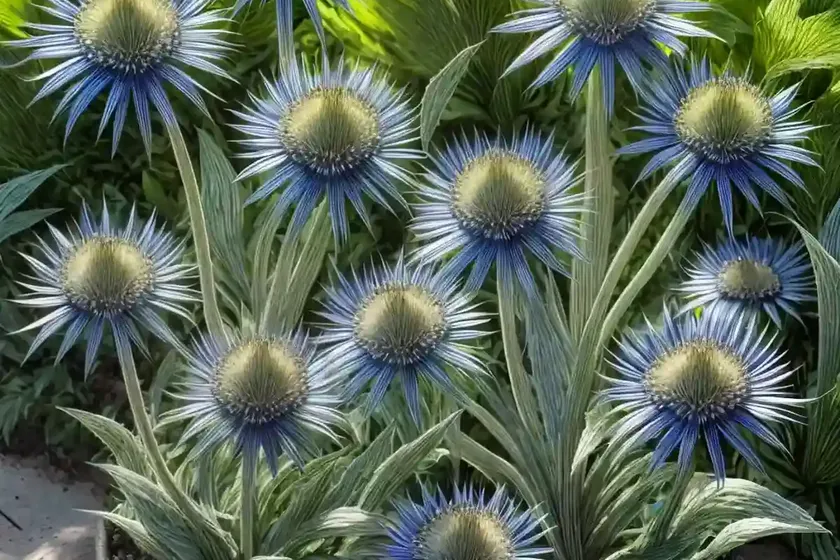
Rattlesnake-master plants are known for their spiky, spherical flower heads and basal rosettes of sword-shaped leaves. The plant’s name, “Rattlesnake-master,” is derived from the historical belief that the root was a remedy for rattlesnake bites. It has a rich history of traditional medicinal uses and is also valued for its ornamental and ecological significance.
Key Takeaways – Rattlesnake-master (Eryngium Yuccifolium)
Plant Characteristics
- Spiky spherical flower heads
- Basal rosettes of sword-shaped leaves
- Belongs to the carrot family, Apiaceae
Cultivation
- Perennial herbaceous plant
- Native to North America
- Thrives in diverse growing conditions
Uses
- Traditional medicinal applications
- Ornamental value in landscapes
- Ecological significance in supporting wildlife
Habitat
- Adaptable to various habitats
- Resilient in diverse environmental conditions
Varieties
- Diverse species and cultivars with unique features
- Valued for their ornamental and ecological attributes
Folklore and Legends
- Rich cultural significance in Native American folklore
- Associated with traditional medicinal beliefs
Wildlife Interactions
- Attracts pollinators and beneficial insects
- Provides habitat and food for wildlife
Growing Conditions
- Requires well-drained soil
- Tolerant of drought conditions
- Thrives in full sun to partial shade
Culture
The cultural significance of the Rattlesnake-master plant extends beyond its ecological and ornamental value. In Native American folklore, the plant is associated with traditional medicinal uses and is revered for its purported ability to treat venomous snake bites. It holds a prominent place in indigenous cultures as a symbol of resilience and healing, showcasing the deep-rooted connection between humans and plants.
Uses
Medicinal Properties
Rattlesnake-master has a long history of traditional medicinal uses, particularly in Native American cultures. The plant’s roots were believed to possess potent healing properties and were used to treat various ailments, including snake bites. While modern medicine has advanced significantly, the historical significance of this plant in traditional healing practices cannot be overlooked.
Ornamental Value
In addition to its cultural and medicinal significance, Rattlesnake-master is also valued for its ornamental appeal. The spiky, spherical flower heads add a unique texture to landscapes, making it a popular choice for gardens and naturalistic plantings. The striking form of the plant creates visual interest and can be incorporated into various design styles, from wildflower meadows to formal gardens.
Ecological Significance
From a ecological standpoint, Rattlesnake-master plays a crucial role in supporting biodiversity. The plant provides nectar and pollen for pollinators, attracting a diverse array of beneficial insects and butterflies. It also serves as a habitat and a food source for wildlife, contributing to the overall health of ecosystems where it grows.
Water
Rattlesnake-master plants demonstrate a good tolerance to drought once established. In general, they are well adapted to various moisture levels, making them relatively low-maintenance in terms of watering requirements. However, during the initial establishment period, it is essential to provide adequate moisture to promote healthy root development. Once the plants are established, they can thrive with minimal supplemental watering, particularly in regions with adequate natural rainfall.
Sunlight
When it comes to sunlight requirements, Rattlesnake-master plants prefer full sun to partial shade. They thrive in open sunny locations, where they can receive direct sunlight for a significant part of the day. However, they can also tolerate partial shade, especially in regions with intense summer heat. The plant’s adaptability to different light conditions makes it suitable for a wide range of landscapes and gardening environments.
Fertilizer
Rattlesnake-master plants are not heavy feeders and generally thrive in nutrient-poor soils. Excessive fertilization can lead to overly vigorous growth and may reduce the plant’s overall resilience. However, in poor or depleted soils, a light application of balanced fertilizer in the spring can support healthy growth and flowering. It is important to avoid high-nitrogen fertilizers, as they can promote excessive vegetative growth at the expense of the plant’s flowering and structural integrity.
Soil
The ideal soil for Rattlesnake-master plants is well-drained and slightly acidic to neutral. The plant is well adapted to various soil types, including sandy, loamy, or clay soils, as long as they offer good drainage. Heavy or waterlogged soils can lead to root rot and other issues, so it is crucial to ensure proper drainage, particularly in regions with prolonged periods of rain or high humidity. Additionally, incorporating organic matter into the soil can improve its structure and fertility, supporting healthy plant growth.
Pruning
Rattlesnake-master plants generally require minimal pruning, as they have a naturally tidy growth habit. However, removing spent flower heads can promote prolonged blooming and prevent self-seeding, particularly in landscapes where controlled spread is desired. As the plant has spiky foliage, it is advisable to wear gloves when pruning to avoid injury from the plant’s sharp leaves and stems. Additionally, the removal of damaged or diseased foliage can help maintain the plant’s overall health and appearance.
Propagation
Seed Propagation
Rattlesnake-master plants can be propagated from seeds, which can be collected from mature flower heads. Sow the seeds in well-drained seed-starting mix, keeping them consistently moist until germination occurs. Transplant the seedlings into individual containers once they have developed several sets of true leaves. It is important to provide adequate sunlight and moisture during the seedling stage to support healthy growth.
Division
The plants can also be propagated through division of established clumps. This method is best carried out in early spring or fall, when the plants are not actively growing. Divide the clumps into smaller sections, making sure that each division has a sufficient number of healthy roots and shoots. Transplant the divisions into their new locations and water them thoroughly to ensure good establishment.
Stem Cuttings
While less common, Rattlesnake-master plants can also be propagated from stem cuttings. Take cuttings from healthy, non-flowering stems and plant them in a well-draining propagation mix. Provide the cuttings with consistent moisture and indirect light to encourage root development. Once the cuttings have established roots, they can be transplanted into individual containers or garden beds.
Container Popularity
Rattlesnake-master plants have gained popularity in container gardening, particularly for their unique appearance and adaptability to diverse growing conditions. In containers, they can be showcased as focal points or used to create striking combinations with other plants. The plant’s spiky foliage and spherical flower heads add texture and visual interest to container gardens, making them an appealing choice for both novice and experienced gardeners.
Container Growing Tips
- Use well-draining potting mix tailored for perennial plants
- Select containers with adequate drainage holes to prevent waterlogging
- Provide consistent moisture without overwatering
- Choose container sizes that accommodate the plant’s mature growth
Common Diseases
Rattlesnake-master plants are relatively resistant to most common plant diseases, particularly when grown in well-drained soils and suitable environmental conditions. However, they may be susceptible to certain issues, including fungal diseases and root rot in poorly drained soils. It is essential to monitor the plants for any signs of disease and take appropriate measures to prevent the spread of infections.
Disease Diagnosis
- Check for symptoms such as wilting, yellowing foliage, or visible lesions
- Conduct a soil drainage assessment to ensure water is not pooling around the roots
- Collect samples and consult with a local extension service or plant health expert for accurate diagnosis
Common Pests
While Rattlesnake-master plants are not prone to severe pest infestations, they may occasionally encounter certain pests common to many garden plants. These may include aphids, caterpillars, or spider mites. Regular monitoring of the plants and prompt intervention can help prevent pest populations from reaching damaging levels. Additionally, promoting a diverse and balanced ecosystem in the garden can encourage natural predators to help control pest populations.
Botanist’s Tips
Environmental Adaptability
Rattlesnake-master plants exhibit impressive adaptability to various environmental conditions, making them suitable for a wide range of landscapes and gardening styles. Their resilience to drought and tolerance for different soil types enable them to thrive in challenging growing environments, making them a valuable addition to sustainable and low-maintenance landscapes.
Ecological Benefits
Beyond their ornamental value, Rattlesnake-master plants play a crucial ecological role in supporting pollinators and wildlife. By incorporating these plants into garden designs and naturalistic landscapes, gardeners can contribute to the conservation of biodiversity and create habitats for beneficial insects and native wildlife species.
Fun Facts
- Rattlesnake-master’s distinctive appearance and striking flower heads make it a captivating addition to garden landscapes.
- The plant’s name is derived from its historical association with traditional remedies for rattlesnake bites, showcasing its cultural and medicinal significance.
- Rattlesnake-master plants are resilient and adaptable, thriving in diverse environmental conditions and adding visual interest to gardens.
Links to External Resources
For more information about Rattlesnake-master (Eryngium Yuccifolium) and its cultivation, folklore, and ecological significance, please refer to the following resources:
- The Native Plant Society – A valuable source for information on native plants, including Rattlesnake-master, and their ecological role.
- Botanical Gardens – Explore botanical gardens and educational resources to learn about Rattlesnake-master and its ornamental and ecological value.
- Plant Conservation Organizations – Learn about conservation efforts and the importance of native plants, including Rattlesnake-master, in maintaining biodiversity.
In Conclusion
Rattlesnake-master (Eryngium Yuccifolium) is a plant of great significance, cherished for its unique characteristics, cultural importance, and ecological benefits. As a plant scientist, it is fascinating to explore the diverse facets of this plant, from its remarkable adaptability to its rich history of traditional uses. By understanding and appreciating the intricate relationships between plants and their cultural, ecological, and aesthetic value, we can cultivate a deeper connection with the natural world and promote the conservation of diverse plant species.
As gardeners, conservationists, and enthusiasts, we have the opportunity to celebrate and protect plants like Rattlesnake-master, ensuring their enduring presence in our landscapes and ecosystems. Whether through traditional medicinal practices, ornamental gardening, or ecological stewardship, the remarkable attributes of Rattlesnake-master plants continue to enrich our lives and our natural surroundings.
This blog post delves into the captivating world of the Rattlesnake-master plant (Eryngium Yuccifolium), exploring its unique characteristics, cultural significance, and ecological benefits. Through an in-depth exploration of its uses, growing conditions, and significance in naturalistic landscapes, the post offers valuable insights for plant enthusiasts, conservationists, and gardening enthusiasts.
The unique adaptability and ecological contributions of the Rattlesnake-master plant showcase the rich tapestry of plant diversity and its profound influence on culture and ecosystems. This comprehensive exploration of the Rattlesnake-master plant provides a holistic understanding of its importance, bridging the realms of botany, cultural history, and ecological stewardship.