Raspberry (Rubus Idaeus)
Raspberries, botanically known as Rubus idaeus, are beloved for their sweet, tangy flavor and vibrant red color. These delectable berries are not only a.
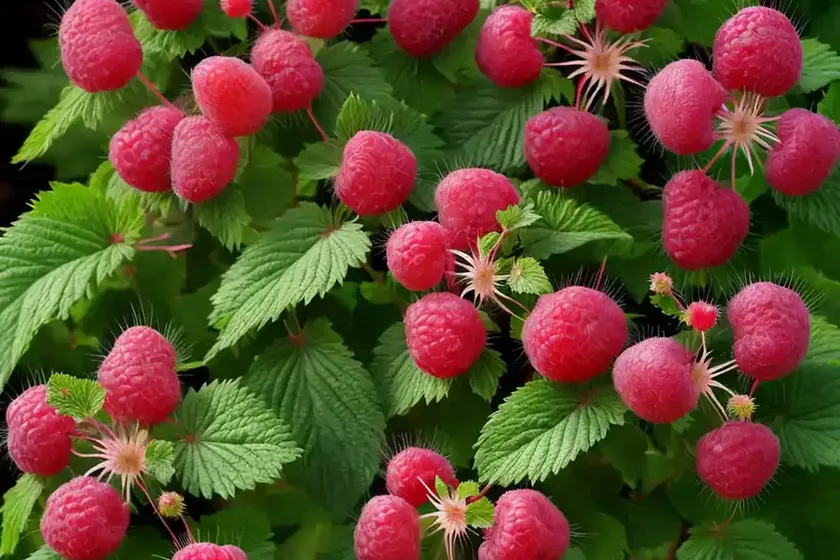
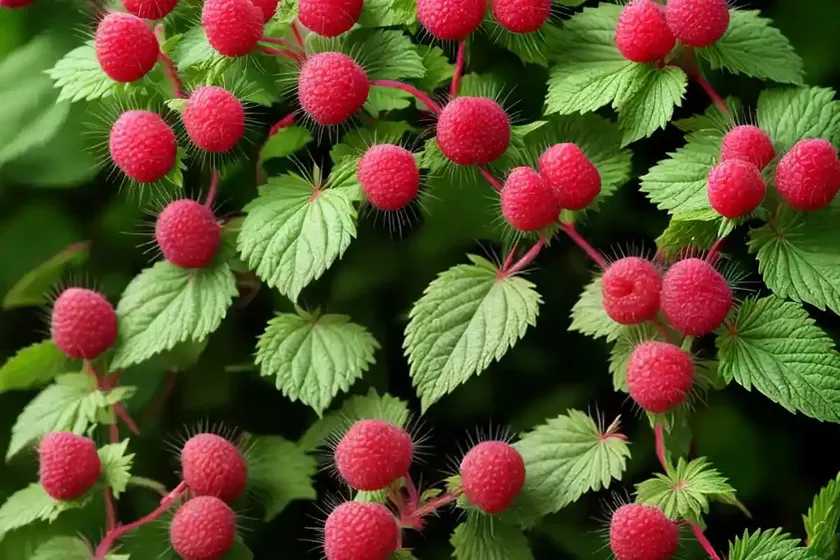
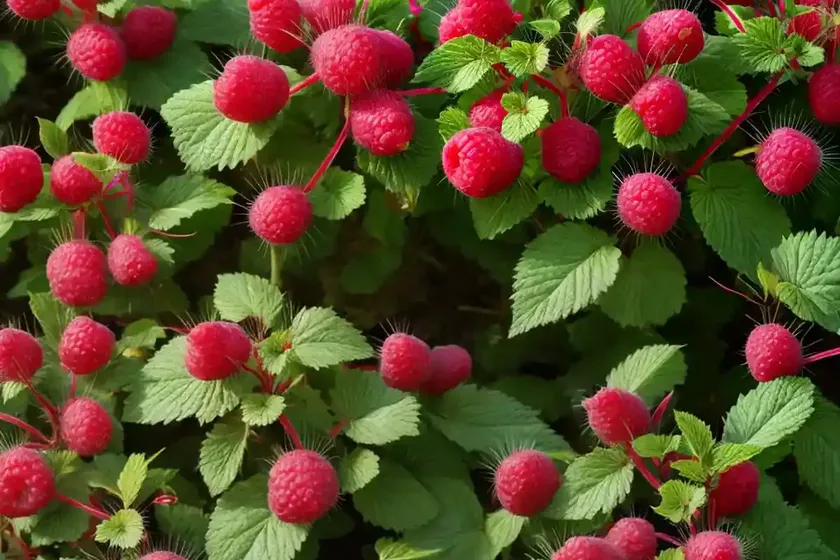
Raspberries, botanically known as Rubus idaeus, are beloved for their sweet, tangy flavor and vibrant red color. These delectable berries are not only a favorite for gardeners but also offer a plethora of nutritional and culinary benefits. In this extensive guide, we will delve into the nitty-gritty of raspberry cultivation, covering every aspect from culture and uses to common diseases and pests. So, let’s embark on an enlightening journey through the enchanting world of raspberries!
What is a Raspberry Plant?
Raspberry plants are perennial woody shrubs that belong to the Rubus genus of the Rosaceae family. Known for their delicious fruits, these plants are native to Europe, North America, and Asia. The raspberry plant is characterized by compound leaves, thorny stems, and delicate white flowers that give way to the iconic fruit. Raspberries come in a diverse array of varieties, offering different flavors, sizes, and growth habits to suit various cultivation environments.
Key Takeaways – Raspberry (Rubus idaeus)
Here are some key takeaways to provide an overview of the critical aspects of raspberry cultivation:
- Culture
- Raspberries thrive in temperate climates and require well-draining soil.
- Uses
- Apart from being a delightful addition to desserts and beverages, raspberries also hold medicinal properties and are used in herbal remedies.
- Water
- Adequate moisture is essential, especially during the fruiting season.
- Sunlight
- Full sun exposure is ideal for robust raspberry plant growth and fruit production.
- Fertilizer
- Nitrogen-rich fertilizers aid in healthy plant development.
- Soil
- The optimal soil pH for raspberries ranges between 5.5 to 6.5.
- Pruning
- Pruning is crucial for controlling plant growth and ensuring maximum fruit yield.
- Propagation
- Raspberries can be propagated through various methods such as division, suckers, and tissue culture.
- Container Popularity
- Container gardening is a viable option for growing raspberries, especially in limited garden spaces.
- Common Diseases
- Raspberry plants are susceptible to diseases like anthracnose, cane blight, and powdery mildew.
- Disease Diagnosis
- Timely diagnosis and appropriate treatment are crucial for combating raspberry plant diseases.
- Common Pests
- Pests like raspberry beetles and spider mites pose significant threats to raspberry plants.
- Botanist’s Tips
- Insights and techniques from botanists can greatly enhance the success of raspberry cultivation.
- Fun Facts
- Uncover some fascinating and little-known facts about the raspberry plant.
- Links to External Resources
- Explore reputable resources for further information on raspberry cultivation and care.
Now, let’s delve into the specifics of cultivating raspberries to unlock the secrets of nurturing these bountiful berries.
Raspberry (Rubus idaeus) Cultivation
Water
Water is a fundamental requirement for the healthy growth and development of raspberry plants. Adequate and consistent moisture levels are essential, particularly during the flowering and fruiting stages. However, it is crucial to strike a balance, as excessively wet conditions can lead to root rot and other issues. A well-designed irrigation system or regular watering schedule is invaluable in ensuring optimal water levels for raspberry plants.
Sunlight
Raspberry plants thrive in full sun, where they receive at least six to eight hours of direct sunlight daily. Ample sunlight is pivotal for robust growth, flower formation, and the development of plump, juicy berries. Insufficient sunlight can result in leggy, weak plants with decreased fruit production. Therefore, when selecting a site for planting raspberries, it is imperative to choose an area with ample sunlight exposure.
Fertilizer
Fertilization plays a crucial role in supporting the vigorous growth and fruiting capacity of raspberry plants. During the initial stages of growth, a balanced, slow-release fertilizer with a higher nitrogen content can be applied to promote robust vegetative growth. As the plants transition into the fruiting phase, a fertilizer with lower nitrogen and higher phosphorus and potassium content is recommended to support fruit development and overall plant health.
Soil
The soil composition and pH level are pivotal factors in successful raspberry cultivation. Raspberry plants thrive in well-draining, loamy soil with a pH range of 5.5 to 6.5. It is advisable to conduct a soil test before planting raspberries to assess the pH and nutrient levels. Organic matter, such as compost or well-rotted manure, can be incorporated into the soil to enhance its structure and fertility.
Pruning
Proper pruning is essential for maintaining the vigor, shape, and productivity of raspberry plants. Regular pruning helps in removing old canes, managing plant density, and promoting air circulation to minimize disease incidence. Pruning also aids in directing the plant’s energy towards productive growth and ensuring a bountiful harvest. Each raspberry variety may have specific pruning requirements, and it is vital to adhere to the recommended pruning techniques for optimal results.
Raspberry Plant Health
Raspberry plants are susceptible to various diseases and pests that can significantly impact their health and productivity. Understanding the common diseases and pests affecting raspberry plants is crucial for timely intervention and effective control measures.
Common Diseases
Raspberry plants are vulnerable to several diseases, including:
- Anthracnose (Elsinoe veneta)
-
Anthracnose is a fungal disease that manifests as dark, sunken lesions on the stems, leaves, and fruits of raspberry plants. It thrives in humid conditions and can lead to significant yield losses if left unchecked.
-
Cane Blight (Leptosphaeria coniothyrium)
-
Cane blight is characterized by purple to brown sunken areas on the canes, often accompanied by white fungal growth. This disease can weaken the canes and hinder fruit production.
-
Powdery Mildew (Sphaerotheca macularis)
- Powdery mildew presents as a white, powdery growth on the upper surfaces of raspberry leaves. It not only affects the plant’s overall health but also diminishes fruit quality.
Disease Diagnosis
Timely diagnosis of diseases is critical for implementing effective management strategies. Visually inspecting the plants for symptoms, conducting laboratory tests, and seeking professional assistance can aid in accurately identifying the specific diseases affecting raspberry plants. Once the disease is diagnosed, prompt action can be taken to mitigate its impact and prevent its spread to healthy plants.
Common Pests
Several pests pose significant threats to raspberry plants, including:
- Raspberry Beetles (Byturus tomentosus)
-
Both the adult beetles and their larvae can cause considerable damage to raspberry fruits by feeding on the developing berries. Monitoring and control measures are essential to manage raspberry beetle infestations.
-
Spider Mites (Tetranychus urticae)
- Spider mites are tiny arachnids that can infest raspberry plants, causing stippling on the leaves and reducing their photosynthetic capacity. Controlling spider mite populations is crucial to prevent widespread damage to the plants.
Understanding the lifecycle, behavior, and vulnerabilities of these pests is essential for implementing targeted pest management approaches that minimize the use of chemical interventions and promote ecological balance in the garden.
Raspberry Plant Propagation
Raspberry plants can be propagated through various methods, allowing gardeners to expand their raspberry patch or share these delightful berries with others. The primary propagation techniques for raspberry plants include:
- Division
-
By carefully dividing the root mass, new raspberry plants can be obtained. This method is especially useful for rejuvenating old raspberry patches and expanding the planting area.
-
Suckers
-
Raspberries produce runners or suckers, which are young shoots that emerge from the base of the plant. These can be carefully separated from the parent plant and transplanted to establish new raspberry plants.
-
Tissue Culture
- Tissue culture involves propagating raspberry plants from tiny pieces of plant tissue in a laboratory setting. This method allows for the rapid production of disease-free raspberry plants and the preservation of unique raspberry varieties.
Each propagation method offers its own set of advantages and challenges, allowing gardeners to choose the most suitable approach based on their requirements and circumstances.
Raspberry Plant Container Gardening
The popularity of container gardening has soared in recent years, offering a flexible and space-efficient way to cultivate a wide array of plants, including raspberries. When opting for container gardening with raspberries, several considerations must be taken into account to ensure the plants thrive and produce an abundant harvest.
Container Popularity
Raspberry plants are well-suited to container gardening, particularly when grown in varieties with a more compact growth habit. Containers offer the advantage of mobility, allowing gardeners to position the plants in the optimal sunlight and protect them from adverse weather conditions.
Common Diseases
While container gardening can provide a degree of protection against soil-borne diseases, it is essential to monitor the plants for signs of pests and diseases. Adequate drainage, proper watering, and regular inspection are crucial aspects of maintaining the health and vitality of raspberry plants grown in containers.
Disease Diagnosis
Diagnosing and addressing diseases in container-grown raspberry plants may differ from those in traditional garden beds due to differences in environmental conditions and cultural practices. Vigilant observation and swift action are essential in mitigating the impact of diseases on container-grown raspberries.
Common Pests
Pests can also target raspberry plants grown in containers, albeit with varying degrees of prevalence and impact. Regular monitoring, implementing integrated pest management (IPM) strategies, and providing favorable growing conditions are vital for preventing and managing pest infestations in container-grown raspberries.
Botanist’s Tips for Raspberry Plant Health
Harnessing the knowledge and insights of experienced botanists can greatly enhance the success and productivity of raspberry cultivation. Here are some expert tips for ensuring the robust health and vitality of raspberry plants:
- Site Selection
-
Choose a well-drained site with ample sunlight for planting raspberries. Avoid areas with poor air circulation or where raspberries, strawberries, or blackberries have previously been grown to minimize the risk of disease transmission.
-
Mulching
-
Apply a layer of organic mulch around raspberry plants to conserve soil moisture and suppress weed growth. Mulching also provides insulation during extreme temperatures and gradually enriches the soil as it decomposes.
-
Support Structures
-
Install trellises or support structures to train the raspberry canes, facilitate harvesting, and prevent the plants from sprawling on the ground. Proper support also promotes air circulation and minimizes the risk of disease development.
-
Integrated Pest Management
-
Adopt an integrated approach to pest management, combining cultural, biological, and mechanical strategies to control pest populations while minimizing reliance on synthetic pesticides.
-
Companion Planting
- Explore companion planting options to enhance the health and productivity of raspberry plants. Companion plants can attract beneficial insects, repel pests, and improve soil conditions, contributing to a thriving garden ecosystem.
Fun Facts about Raspberries
Uncover some intriguing and lesser-known facts about the delightful raspberry plant:
- Ancient Symbolism
-
Raspberries have been associated with various mythological and cultural symbols throughout history. They have been linked to love, protection, and even fertility in different folklore and traditions.
-
Nutritional Powerhouse
-
Raspberries are packed with essential vitamins, minerals, and antioxidants, making them a valuable addition to a healthful diet. They are particularly rich in vitamin C, fiber, and heart-healthy phytonutrients.
-
Thimbleberry Connection
-
Thimbleberries and raspberries are close botanical relatives, both belonging to the Rubus genus. Thimbleberries share similar growth habits and culinary uses, often found in the wild and cultivated in home gardens.
-
Bramble Beauty
-
The term “bramble” is often used to describe tangled thickets of raspberry and blackberry plants. While the dense growth can present challenges, it also sustains diverse wildlife and contributes to the ecological richness of a landscape.
-
Culinary Versatility
- Raspberries are incredibly versatile in the kitchen, lending their sweet-tart flavor to an array of dishes, from jams and pies to savory sauces and dressings. They are a staple ingredient in both sweet and savory culinary traditions worldwide.
Links to External Resources
Now that we have explored the myriad aspects of cultivating and caring for raspberry plants, it is essential to have access to reliable resources for further information and guidance. Here are some reputable external resources for delving deeper into the world of raspberry cultivation and care:
- National Raspberry & Blackberry Association
- University of Illinois Extension: Raspberry & Blackberry
- Raspberry Planting, Care, Pruning, and Harvesting
- Raspberry Diseases
- Raspberry Pests
- Raspberry Plant Care Guide
These resources offer a wealth of information, including best practices, troubleshooting guides, and the latest research findings to support your journey into the captivating realm of raspberry cultivation.
In conclusion, the raspberry plant, with its luscious fruits and charming blossoms, holds an irresistible allure for both seasoned gardeners and enthusiastic novices. Through attentive care, strategic cultivation practices, and a dash of curiosity, you can uncover the myriad wonders of growing raspberries, savoring the bountiful harvests and the joy of nurturing these captivating plants.
Let the enchantment of raspberry cultivation inspire your green thumb and elevate your gardening endeavors to new heights!


