Plant Scientist’s Guide: Ranunculus asiaticus ‘Tomer Picotee’ (Persian Buttercup)
The world of plants is diverse and captivating, offering a plethora of species that vary in appearance, cultivation needs, and uses. One such enchanting plant is the Ranunculus asiaticus ‘Tomer Picotee’, commonly known as the Persian Buttercup. This vibrant and delicate flower has garnered significant attention from gardening enthusiasts, horticulturists, and botanists alike due to its exquisite appearance and unique qualities. In this comprehensive guide, we will delve into the intricacies of this enchanting plant, offering valuable insights into its cultivation, uses, and maintenance.
What is Ranunculus asiaticus ‘Tomer Picotee’ (Persian Buttercup)?
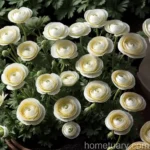
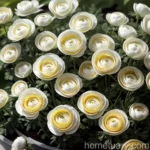
Ranunculus asiaticus ‘Tomer Picotee’, a member of the Ranunculaceae family, is a herbaceous perennial plant that is cherished for its striking blooms and lush, fern-like foliage. This particular variety, ‘Tomer Picotee’, is renowned for its captivating bicolor flowers, which feature delicate petals with rich, contrasting hues. The Persian Buttercup is native to the eastern Mediterranean region, where it thrives in the wild, adorning landscapes with its vibrant presence. It is also cultivated in various regions across the globe, where it is cherished for its ornamental value and elegance.
Key Takeaways – Ranunculus asiaticus ‘Tomer Picotee’ (Persian Buttercup)
- Botanical Name: Ranunculus asiaticus ‘Tomer Picotee’
- Common Name: Persian Buttercup
- Family: Ranunculaceae
- Color: Bicolor flowers with rich, contrasting hues
- Lifespan: Herbaceous perennial
- Native Habitat: Eastern Mediterranean region
- Special Feature: Exquisite fern-like foliage
Now that we have uncovered the basic attributes of the Persian Buttercup, let’s delve deeper into the various aspects of its cultivation and care.
Cultivation of Ranunculus asiaticus ‘Tomer Picotee’
Uses
Ranunculus asiaticus ‘Tomer Picotee’ is primarily cultivated for its ornamental value, adding a touch of elegance and charm to gardens, landscapes, and floral arrangements. Its captivating blooms and lush foliage make it a sought-after choice for floral displays, events, and special occasions.
Water
Proper watering is essential for the healthy growth and blooming of Persian Buttercup ‘Tomer Picotee’. It is crucial to maintain moist soil, ensuring that the plant receives adequate water without becoming waterlogged. During the growing season, regular watering is recommended, particularly during dry spells and hot weather. However, it is important to avoid overwatering, as excessive moisture can lead to root rot and other complications.
Watering Tips:
– Water the plants in the morning to allow for sufficient absorption and to prevent the foliage from remaining wet overnight, which can make the plant susceptible to diseases.
– Avoid overhead watering to prevent the flowers from getting damaged and to minimize the risk of foliar diseases.
Sunlight
In terms of sunlight requirements, Ranunculus asiaticus ‘Tomer Picotee’ thrives in bright, indirect light. While it appreciates ample sunlight, it is essential to protect it from harsh midday sun, which can scorch the delicate petals. Therefore, providing partial shade during the hottest part of the day is beneficial for the plant’s overall health and vigor.
Sunlight Tips:
– Plant the Persian Buttercup in a location that receives morning sunlight and partial shade in the afternoon.
– In hotter climates, ensure that the plant is sheltered from intense midday sun to prevent heat stress.
Fertilizer
To promote healthy growth and abundant flowering, it is beneficial to supplement the soil with a balanced fertilizer, particularly during the active growth phases of the Persian Buttercup. An appropriate fertilizer, rich in essential nutrients such as nitrogen, phosphorus, and potassium, can enhance the plant’s overall performance and resilience.
Fertilization Guidelines:
– Apply a slow-release granular fertilizer in early spring, when new growth emerges, to provide the plant with essential nutrients throughout the growing season.
– Avoid over-fertilization, as excessive nutrients can lead to excessive foliage growth at the expense of flower production.
Soil
The soil composition plays a pivotal role in the successful cultivation of Ranunculus asiaticus ‘Tomer Picotee’. This plant thrives in well-draining, fertile soil with a slightly acidic to neutral pH. Additionally, a loamy, sandy soil with good aeration is conducive to healthy root development and overall plant vigor.
Soil Requirements:
– Ensure that the soil is well-draining to prevent waterlogging, which can be detrimental to the plant’s health.
– Incorporate organic matter, such as compost or well-rotted manure, into the soil to improve its fertility and structure.
Pruning
Pruning is an important aspect of Ranunculus asiaticus ‘Tomer Picotee’ maintenance, contributing to the plant’s overall health, appearance, and blooming capacity. Deadheading, or the removal of spent blooms, is particularly beneficial, as it encourages the plant to produce new flowers and prevents the formation of seeds, redirecting the energy towards vegetative growth and flowering.
Pruning Guidelines:
– Regularly deadhead faded flowers to prolong the blooming period and encourage continuous flowering.
– Trim back any yellowing or diseased foliage to maintain the plant’s overall health and appearance.
Propagation
The propagation of Ranunculus asiaticus ‘Tomer Picotee’ can be achieved through various methods, including division, seed sowing, and bulb offsets. Each propagation technique offers unique advantages and challenges, allowing plant enthusiasts to explore different approaches based on their preferences and resources.
Propagation Methods:
– Division: In early spring, divide mature clumps of Persian Buttercup to create new plants, ensuring that each division has healthy roots and shoots.
– Seed Sowing: Collect and sow fresh seeds in well-prepared soil, providing adequate moisture and warmth for successful germination.
– Bulb Offsets: Harvest and replant the bulb offsets produced by mature plants during the dormant season, ensuring that each offset has sufficient energy reserves for establishment and growth.
Container Popularity
Ranunculus asiaticus ‘Tomer Picotee’ is well-suited for container cultivation, adding a delightful pop of color and elegance to patios, balconies, and outdoor living spaces. Its compact growth habit and stunning blooms make it a popular choice for container gardening enthusiasts, offering versatility and ornamental appeal.
Container Gardening Tips:
– Select a spacious container with adequate drainage holes to accommodate the plant’s root system and prevent waterlogging.
– Use a well-draining potting mix, enriched with organic matter, to provide the plant with essential nutrients and optimal growing conditions.
Common Diseases and Pest Management
Disease Diagnosis
Despite its ornamental allure, Ranunculus asiaticus ‘Tomer Picotee’ is susceptible to certain diseases that can affect its overall health and vigor. Common fungal diseases, such as powdery mildew and botrytis, can arise under unfavorable environmental conditions, compromising the plant’s foliage and blooms.
Disease Identification:
– Powdery Mildew: Characterized by a powdery white coating on the leaves and stems, powdery mildew can hinder photosynthesis and weaken the plant’s immune system.
– Botrytis (Gray Mold): This fungal disease is identified by the presence of gray, fuzzy mold on the plant’s foliage and flowers, often leading to rapid decay and wilting.
Common Pests
In addition to diseases, Persian Buttercup ‘Tomer Picotee’ is also vulnerable to pest infestations, particularly by aphids, thrips, and spider mites. These tiny, sap-feeding insects can cause visible damage to the plant’s tender foliage and blooms, warranting prompt intervention and control measures.
Common Pests:
– Aphids: These small, soft-bodied insects congregate on the undersides of leaves, piercing the plant tissue and extracting sap, leading to distorted growth and weakened plants.
– Thrips: Thrips feed on the plant’s cells, leaving behind silver speckling on the leaves and petals, and can also transmit viral diseases, posing a threat to the plant’s health.
– Spider Mites: These minuscule pests infest the plant’s foliage, causing stippling, webbing, and leaf discoloration, leading to diminished plant vigor and aesthetic appeal.
Botanist’s Tips for Growing Ranunculus asiaticus ‘Tomer Picotee’
Fun Facts
- Persian Buttercup ‘Tomer Picotee’ is renowned for its vibrant bicolor flowers, which showcase a captivating interplay of colors, ranging from soft pastels to rich, bold hues.
- The name “Ranunculus” is derived from the Latin word for “little frog,” possibly alluding to the plant’s affinity for damp, marshy habitats.
Links to External Resources
- Royal Horticultural Society – Persian Buttercup Growing Guide
- University of California Integrated Pest Management Program – Ranunculus Diseases
As we navigate through the intricacies of the Persian Buttercup ‘Tomer Picotee’, it is evident that this enchanting plant holds both aesthetic and horticultural significance. From its stunning blooms to its cultivation requirements and pest management strategies, the Persian Buttercup offers a captivating journey for gardening enthusiasts and botanists alike.
Please note that the information provided in this guide is intended for educational and informational purposes and should not be considered as professional horticultural or medical advice. For specific guidance on plant cultivation and health, consulting with certified horticulturists and plant health experts is recommended.
In conclusion, Ranunculus asiaticus ‘Tomer Picotee’ stands as a testament to the beauty and diversity of the plant kingdom, inviting us to explore and appreciate the nuances of its cultivation and allure. From its vibrant flowers to its cultural significance, the Persian Buttercup continues to captivate and inspire plant enthusiasts around the world, serving as a testament to nature’s boundless splendor and charm.