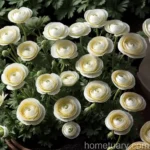
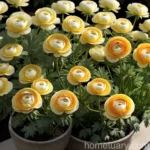
What is Ranunculus asiaticus ‘Tecolote Pink’ (Persian Buttercup)?
Ranunculus asiaticus ‘Tecolote Pink’ is a vibrant and popular flowering plant commonly known as Persian Buttercup. It belongs to the Ranunculaceae family and is native to the Eastern Mediterranean region, including Greece and Turkey. This plant is revered for its enchanting, bowl-shaped, multi-petaled blooms that come in a multitude of colors, with ‘Tecolote Pink’ being one of the most sought-after varieties for its stunning pink flowers.
Key Takeaways – Ranunculus asiaticus ‘Tecolote Pink’ (Persian Buttercup)
- Scientific Name: Ranunculus asiaticus ‘Tecolote Pink’
- Common Name: Persian Buttercup
- Family: Ranunculaceae
- Plant Type: Perennial
Culture
Uses
Ranunculus asiaticus ‘Tecolote Pink’ holds a special place in horticulture and is favored for various uses, including:
- Gardening: It is a popular choice for gardeners and landscaping due to its colorful flowers.
- Cut Flowers: The Persian Buttercup is often cultivated for its use in floral arrangements and bouquets.
Care
Water
- Watering: These plants prefer consistently moist soil. It is crucial to ensure the soil is well-draining to avoid waterlogging, which can lead to root rot.
Sunlight
- Light: Ranunculus asiaticus ‘Tecolote Pink’ thrives in full sun or partial shade.
Fertilizer
- Fertilization: It is recommended to fertilize the soil before planting with a balanced, all-purpose fertilizer. Additionally, applying a high-potassium liquid feed during the flowering period can promote healthy blooms.
Soil
- Soil Type: Well-draining, fertile soil is ideal for these plants. A mix of organic matter such as compost can further enhance soil quality.
Pruning
- Pruning: Regular deadheading of spent blooms can encourage the plant to produce more flowers. Additionally, once the foliage has turned yellow and withered, it can be cut back to ground level.
Propagation
Container
- Propagation in Containers: Persian Buttercup can be successfully propagated in containers, making it a versatile choice for urban and small-space gardening.
Popularity
Ranunculus asiaticus ‘Tecolote Pink’ has gained immense popularity among gardeners and horticulture enthusiasts for its:
- Striking and plentiful blooms
- Versatility in different garden settings
- Optimal performance as a cut flower
Common Diseases
Despite its resilience, Persian Buttercup can be susceptible to certain diseases, including:
- Botrytis: This fungal disease can result from excess moisture or inadequate air circulation.
- Root Rot: Overwatering and waterlogged soil can lead to root rot.
Disease Diagnosis
Regularly monitoring plant health and promptly addressing any signs of disease or distress is essential for maintaining thriving Ranunculus asiaticus ‘Tecolote Pink’ specimens.
Common Pests
While generally resilient, Persian Buttercup can attract some common garden pests such as aphids and thrips if planted in less than optimal conditions. Regular inspection and proper pest management are crucial for preventing any infestations.
Botanist’s Tips
- Proper Planting Depth: When planting Ranunculus asiaticus ‘Tecolote Pink’ bulbs, ensure they are positioned at a depth of approximately 2 inches for optimal growth and flowering.
- Mulching: Applying a layer of organic mulch around the plants can help retain soil moisture and suppress weeds while providing essential nutrients as it decomposes.
- Support and Staking: As the Persian Buttercup stems can be delicate, providing support for the plants, especially in windy conditions, can prevent damage and bending.
Fun Facts
- Ranunculus asiaticus ‘Tecolote Pink’ belongs to the Ranunculaceae family, which includes approximately 600 species of plants, and is also commonly known as the buttercup family.
- The name “Ranunculus” is derived from the Latin word for “little frog,” possibly inspired by the plant’s preference for moist environments.
- Persian Buttercup symbolizes charm and attractiveness, making it an ideal choice for vibrant and eye-catching garden displays and arrangements.
Links to External Resources
For more information on growing and caring for Ranunculus asiaticus ‘Tecolote Pink’ and other related topics, you can explore the following reputable resources:
- Royal Horticultural Society (RHS) – Ranunculus asiaticus Growing Guide
- The American Phytopathological Society – Common Diseases of the Ranunculaceae
- University of California, Davis – Integrated Pest Management for Ranunculus