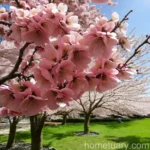
The Mysterious Ramona Horkelia (Horkelia Truncata): A Complete Plant Care Guide
Plants have always fascinated mankind with their diversity, beauty, and resilience. One such intriguing plant is the Ramona Horkelia (Horkelia Truncata). With its unique features and characteristics, this plant has garnered the attention of plant enthusiasts and horticulturists alike. In this comprehensive guide, we will delve into the world of the Ramona Horkelia, exploring its culture, uses, growth requirements, maintenance, and much more. Whether you are an experienced gardener or a novice plant enthusiast, this guide will provide you with invaluable insights into the care and cultivation of the fascinating Ramona Horkelia.
What is Ramona Horkelia (Horkelia Truncata)?
The Ramona Horkelia, scientifically known as Horkelia Truncata, is a captivating perennial plant that belongs to the rose family Rosaceae. This native California plant is characterized by its delicate, fern-like foliage and stunning clusters of pink or white flowers. The Ramona Horkelia typically thrives in dry, open habitats such as chaparral and coastal sage scrub, making it well-adapted to arid conditions.
Key Takeaways – Ramona Horkelia (Horkelia Truncata)
Before we delve deeper into the intricacies of caring for the Ramona Horkelia, here are some key takeaways about this plant:
- Scientific Name: Horkelia Truncata
- Common Name: Ramona Horkelia
- Family: Rosaceae
- Native Habitat: California
- Characteristics: Delicate foliage, pink or white flowers
- Growth Habit: Perennial
- Special Features: Drought-tolerant, wildlife-attracting
Now that we have a brief overview of the Ramona Horkelia, let’s explore the specific care requirements and characteristics of this intriguing plant.
Culture
Understanding the culture or environment in which the Ramona Horkelia thrives is crucial for successfully cultivating and maintaining this plant. The following factors play a significant role in the culture of the Ramona Horkelia:
- Native Habitat: As a native California plant, the Ramona Horkelia is well-adapted to the dry, open habitats of the region, including chaparral and coastal sage scrub.
- Climate Adaptability: It exhibits a remarkable ability to thrive in arid and drought-prone environments.
- Soil Preference: Thrives in well-draining, sandy or loamy soil types with a preference for slightly acidic to neutral pH levels.
- Wildlife Attraction: The Ramona Horkelia has the unique ability to attract wildlife, including pollinators and beneficial insects, due to its nectar-rich flowers.
Understanding the cultural requirements of the Ramona Horkelia lays the foundation for providing an ideal growing environment for this fascinating plant.
Uses
The Ramona Horkelia boasts several notable uses, ranging from ornamental to ecological contributions. Let’s explore the diverse uses of this intriguing plant:
- Ornamental Value: The delicate foliage and clusters of pink or white flowers make the Ramona Horkelia a visually captivating addition to gardens and landscapes.
- Wildlife Habitat: Due to its ability to attract pollinators and beneficial insects, the Ramona Horkelia contributes to the ecological balance of its native habitat.
- Erosion Control: Its extensive root system and resilience make it an effective plant for erosion control in dry, open landscapes.
Understanding the various uses of the Ramona Horkelia sheds light on its multi-faceted contributions in both ornamental and ecological contexts.
Water
Watering the Ramona Horkelia is a crucial aspect of its care, especially considering its native habitat in arid environments. Understanding its watering needs is essential for promoting healthy growth and blooming. Here are some key points to consider regarding watering the Ramona Horkelia:
- Watering Frequency: While the Ramona Horkelia exhibits drought tolerance, it benefits from regular watering during the active growing season, especially in periods of prolonged drought.
- Soil Moisture: It thrives in well-draining soil and prefers to dry out slightly between waterings to prevent waterlogged conditions.
- Established Plants: Once established, the Ramona Horkelia demonstrates a higher level of drought tolerance and can withstand periods of reduced watering.
Ensuring appropriate watering practices is pivotal in maintaining the health and vitality of the Ramona Horkelia in both garden and landscape settings.
Sunlight
Proper exposure to sunlight is crucial for the growth and blooming of the Ramona Horkelia. Understanding its sunlight requirements is essential for providing an optimal growing environment. Here’s what you need to know about sunlight for the Ramona Horkelia:
- Full Sun: Thrives in full sun exposure, receiving at least 6-8 hours of direct sunlight per day.
- Partial Shade: Can tolerate some light afternoon shade in exceptionally hot climates or during periods of intense heat.
- Optimal Blooming: Adequate sunlight is essential for promoting prolific blooming and ensuring vibrant flower clusters.
By providing the Ramona Horkelia with the appropriate sunlight conditions, you can encourage vigorous growth and abundant flowering in this captivating plant.
Fertilizer
Fertilization plays a significant role in promoting the healthy growth and blooming of the Ramona Horkelia. Understanding the specific fertilizer needs of this plant is essential for providing the necessary nutrients. Here are some key points to consider regarding fertilizing the Ramona Horkelia:
- Balanced Fertilizer: Applying a balanced, slow-release fertilizer in the early spring can provide the necessary nutrients for the plant’s active growth phase.
- Minimal Fertilization: Due to its adaptation to nutrient-poor soils, the Ramona Horkelia may require minimal fertilization, especially in native or naturalized settings.
- Organic Amendments: Incorporating organic amendments such as compost or well-rotted manure can enhance soil fertility and contribute to the overall health of the plant.
Understanding the principles of fertilization is crucial for promoting the vigor and vitality of the Ramona Horkelia in various cultivation settings.
Soil
The soil composition and quality play a pivotal role in the successful cultivation of the Ramona Horkelia. Understanding the soil preferences of this plant is essential for providing an optimal growing medium. Here’s what you need to know about the soil requirements of the Ramona Horkelia:
- Well-Draining Soil: Thrives in well-draining soil to prevent waterlogged conditions, especially in regions with regular or occasional rainfall.
- Sandy or Loamy Soil: Shows a preference for sandy or loamy soil types with good aeration and drainage properties.
- pH Tolerance: Exhibits adaptability to slightly acidic to neutral pH levels, ranging from 6.0 to 7.0.
By ensuring the provision of suitable soil conditions, you can create an ideal foundation for the healthy growth and development of the Ramona Horkelia.
Pruning
Pruning plays a crucial role in shaping the growth habit and promoting the overall health of the Ramona Horkelia. Understanding the appropriate pruning techniques is essential for maintaining the plant’s form and vigor. Here are some key points to consider regarding the pruning of the Ramona Horkelia:
- Deadheading: Removing spent flowers promotes continuous blooming and prevents the plant from expending energy on seed production.
- Maintenance Pruning: Trimming back any dead or damaged foliage and stems helps maintain the plant’s overall appearance and health.
- Seasonal Pruning: Light pruning in the early spring can stimulate new growth and encourage a compact, bushy form.
Proper pruning practices contribute to the aesthetic appeal and vitality of the Ramona Horkelia, enhancing its overall performance in the garden or landscape.
Propagation
Understanding the methods of propagating the Ramona Horkelia is essential for expanding its presence in the garden or landscape. Here are some common methods of propagation for this intriguing plant:
- Seed Propagation: Collecting and sowing mature seeds in a prepared seedbed can be an effective method of raising new Ramona Horkelia plants.
- Division: Dividing established clumps of the Ramona Horkelia in the early spring can yield multiple plantings and promote rejuvenation.
By exploring the various propagation methods, you can propagate the Ramona Horkelia with confidence, expanding its presence in your gardening endeavors.
Container Popularity
The Ramona Horkelia is increasingly gaining popularity as a container plant due to its ornamental value and adaptability to container cultivation. Here are some reasons why it has become a popular choice for container gardening:
- Compact Growth: The plant’s restrained growth habit makes it well-suited for container culture, especially in smaller urban or patio gardens.
- Versatility: Its ability to thrive in containers allows for creative placement and design possibilities, adding visual interest to outdoor spaces.
- Drought Tolerance: Its adaptability to dry conditions makes it a resilient choice for container gardening, requiring minimal water compared to more water-dependent plants.
Exploring the popularity of the Ramona Horkelia in container gardening unveils its potential as a versatile and visually appealing container plant.
Common Diseases
While the Ramona Horkelia is generally resilient, it may be susceptible to certain diseases under unfavorable conditions. Understanding common diseases and their prevention is crucial for maintaining the plant’s health. Here are some common diseases that may affect the Ramona Horkelia:
| Disease | Symptoms | Prevention and Treatment |
|---|---|---|
| Powdery Mildew | White powdery spots on foliage | Provide proper air circulation and avoid overhead watering. |
| Root Rot | Wilting, yellowing foliage, rotting roots | Ensure well-draining soil and avoid overwatering. |
| Botrytis Blight | Brown spots, wilting foliage | Prune affected areas, improve air circulation. |
Recognizing the signs of common diseases and implementing preventative measures can effectively safeguard the health of the Ramona Horkelia in various cultivation settings.
Disease Diagnosis
Diagnosing potential diseases affecting the Ramona Horkelia is essential for implementing timely and effective management strategies. Here are some diagnostic steps to consider:
- Visual Inspection: Carefully examine the foliage, stems, and overall appearance of the plant for any signs of discoloration, spots, or abnormal growth.
- Symptom Identification: Identify specific symptoms such as wilting, yellowing, or unusual spots to narrow down potential disease causes.
- Environmental Assessment: Evaluate environmental factors such as soil moisture, air circulation, and sunlight exposure to assess their impact on the plant’s health.
Engaging in thorough disease diagnosis empowers gardeners to address potential issues and maintain the resilience of the Ramona Horkelia in various growing conditions.
Common Pests
Despite its resilience, the Ramona Horkelia may face challenges from common pests that can affect its health and vigor. Recognizing these pests and implementing appropriate control measures is essential for safeguarding the plant. Here are some common pests that may affect the Ramona Horkelia:
| Pest | Symptoms | Control Measures |
|---|---|---|
| Aphids | Sticky residue, stunted growth | Insecticidal soap, neem oil, natural predators. |
| Spider Mites | Fine webbing, yellowing foliage | Miticidal soap, regular plant washdowns. |
| Leaf Miners | Irregular trails on leaves, leaf damage | Remove affected leaves, use reflective mulch. |
By understanding the potential pests and their associated symptoms, gardeners can take proactive measures to protect the Ramona Horkelia from pest infestations.
Botanist’s Tips
As a plant scientist, I have some valuable tips for enhancing the care and cultivation of the Ramona Horkelia. Here are some expert insights and recommendations for successfully growing this intriguing plant:
- Ideal Growing Conditions: Provide well-draining soil, ample sunlight, and adequate air circulation to create an optimal growing environment for the Ramona Horkelia.
- Moderate Watering: While tolerant of drought, the Ramona Horkelia benefits from periodic, deep watering during the active growing season to support robust growth and flowering.
- Seasonal Maintenance: Engage in seasonal pruning and maintenance to promote the plant’s overall health and rejuvenation, ensuring its longevity in the garden or landscape.
- Wildlife Integration: Embrace the plant’s wildlife-attracting qualities by incorporating it into wildlife-friendly garden designs, enhancing ecological diversity and balance.
By implementing these expert tips, gardeners can cultivate and enjoy the beauty of the Ramona Horkelia while promoting its health and resilience.
Fun Facts
The Ramona Horkelia is not only intriguing in its care requirements but also comes with a fascinating set of fun facts that highlights its unique characteristics and ecological significance:
- Wildlife Attraction: The nectar-rich flowers of the Ramona Horkelia attract various pollinators, including butterflies and bees, enriching the surrounding ecosystem.
- Drought Tolerance: Its remarkable ability to thrive in dry and arid conditions makes it a valuable plant for water-wise and xeriscape landscapes.
- Native Habitat: Found in the wild landscapes of California, the Ramona Horkelia contributes to the biodiversity and resilience of its native ecosystem.
Exploring these fun facts adds an additional layer of appreciation for the ecological and ornamental value of the Ramona Horkelia, enriching the overall gardening experience.
Links to External Resources
For further information and in-depth insights into the Ramona Horkelia (Horkelia Truncata), explore the following external resources:
- California Native Plant Society
- University of California Agriculture and Natural Resources
- American Horticultural Society
- The Xerces Society for Invertebrate Conservation
These external resources offer a wealth of knowledge and practical guidance for gardeners and horticulturists interested in the cultivation and conservation of the Ramona Horkelia.
In conclusion, the Ramona Horkelia (Horkelia Truncata) stands as an intriguing and resilient plant with notable ornamental and ecological qualities. By understanding its culture, growth requirements, and care guidelines, gardeners can foster the health and vitality of this captivating plant, enriching their outdoor spaces and contributing to the conservation of native flora.
By: [Your Name]
Date: [Current Date]
Plant Scientist and Horticulturist