Ramgoat Dashalong (Turnera Ulmifolia)
The world of plants is vast and diverse, offering an abundance of species with unique characteristics and properties. One such fascinating plant is the.
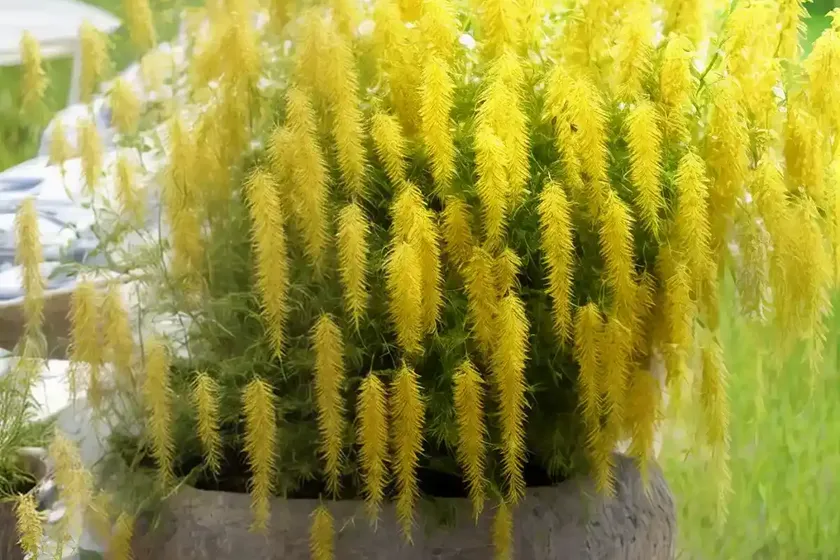
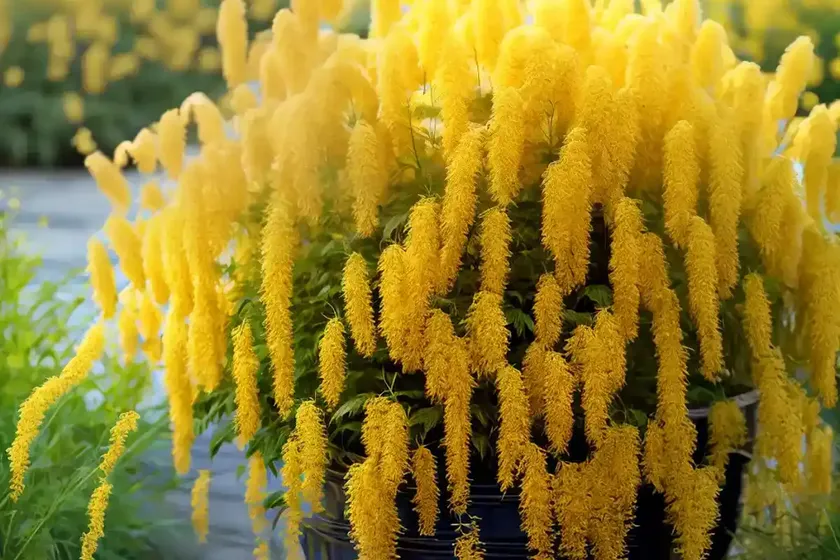
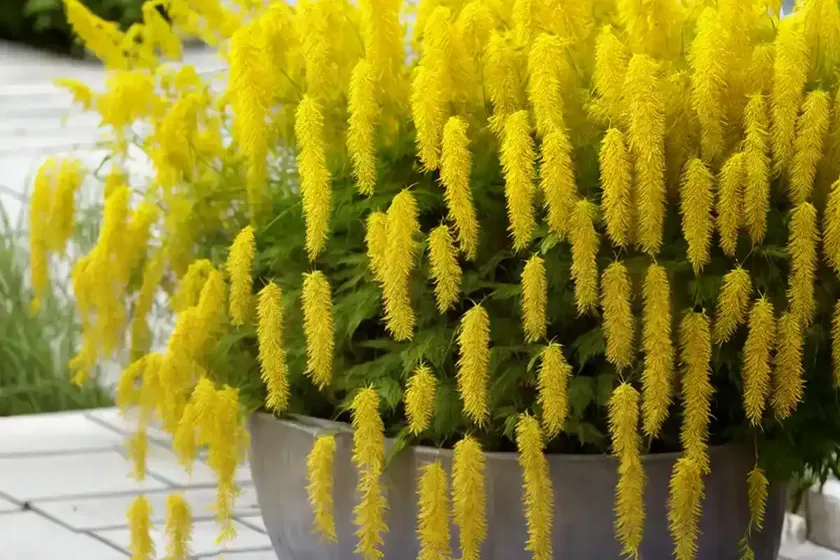
The world of plants is vast and diverse, offering an abundance of species with unique characteristics and properties. One such fascinating plant is the Ramgoat Dashalong, scientifically known as Turnera ulmifolia. This plant holds significant cultural, medicinal, and horticultural importance, making it a captivating subject for plant enthusiasts and scientists alike. In this comprehensive guide, we will delve into the various aspects of the Ramgoat Dashalong, from its origins and folklore to its cultivation, uses, and symbolism.
What is Ramgoat Dashalong (Turnera Ulmifolia)?
Ramgoat Dashalong, or Turnera ulmifolia, is a species of flowering plant that belongs to the passionflower family, Passifloraceae. It is indigenous to the Caribbean, Central America, and parts of South America, thriving in warm, tropical climates. The plant’s distinctive name, Ramgoat Dashalong, reflects its presence in numerous cultural traditions and its historical uses as a medicinal herb.
Plant Description
Ramgoat Dashalong is a small, perennial shrub that typically reaches a height of one to three feet. It boasts vibrant, lance-shaped, dark green leaves and produces dainty, yellow flowers with striking red markings at the base. The flowers tend to bloom in abundance, adding a splash of color to the landscape where the plant is grown. The plant’s compact size and attractive blossoms make it a sought-after addition to gardens and natural landscapes.
Plant Family and Taxonomy
As mentioned earlier, Ramgoat Dashalong belongs to the Passifloraceae family, which encompasses a wide array of plants known for their intricate and often showy flowers. Within the genus Turnera, to which Ramgoat Dashalong belongs, there are several other species that share similar characteristics and uses.
Natural Habitat
Ramgoat Dashalong thrives in its natural habitat within tropical and subtropical regions. Its native range includes countries such as Jamaica, Cuba, Costa Rica, and Brazil, where it can be found in open woodlands, savannas, and disturbed areas. The plant exhibits remarkable adaptability to different soil types and environmental conditions, contributing to its widespread distribution in its native regions.
Plant Origin and Classification
The origins of Ramgoat Dashalong can be traced back to the Americas, where it has been an integral part of indigenous cultures and traditional herbal medicine practices. The plant’s classification as a member of the Passifloraceae family aligns it with other notable species such as passionflowers, which are renowned for their symbolic significance and ornamental value.
Cultural Significance and Symbolism
Ramgoat Dashalong holds significant cultural symbolism in various traditions, particularly in the Caribbean, where it is regarded as a plant of spiritual and metaphysical importance. In Jamaican folklore, the plant is believed to possess mystical properties and is often associated with rituals and traditional healing practices. Its presence in cultural ceremonies and folk medicine underscores its enduring significance in local customs and beliefs.
Key Takeaways – Ramgoat Dashalong (Turnera Ulmifolia)
Before delving deeper into the intricacies of Ramgoat Dashalong, let’s explore some key takeaways about this remarkable plant. Understanding these fundamental aspects will provide a solid foundation for comprehending its cultural, horticultural, and medicinal significance.
- Ramgoat Dashalong (Turnera ulmifolia) is a flowering plant that belongs to the passionflower family, Passifloraceae, and is native to the Caribbean, Central America, and parts of South America.
- The plant exhibits vibrant yellow flowers with distinctive red markings at the base, adding ornamental value to gardens and natural landscapes.
- Ramgoat Dashalong has historical and cultural significance, particularly in Caribbean folklore, where it is associated with spiritual rituals and traditional healing practices.
- Its natural habitat encompasses tropical and subtropical regions, and the plant demonstrates adaptability to various environmental conditions, making it a resilient species in its native range.
Now that we have established a foundational understanding of Ramgoat Dashalong, let’s embark on a comprehensive exploration of its cultivation, uses, and horticultural practices.
Cultivation
Cultivating Ramgoat Dashalong can be a rewarding endeavor for both casual gardeners and horticulture enthusiasts. Its vibrant flowers and lush foliage lend visual appeal to outdoor spaces, while its historical uses in herbal medicine add an intriguing dimension to its cultivation. In this section, we will delve into the key factors to consider when growing and caring for Ramgoat Dashalong.
Water
Providing adequate water is essential for the healthy growth and development of Ramgoat Dashalong. As a tropical plant, it thrives in moist, well-draining soil, and consistent watering is necessary, particularly during periods of dryness or drought. However, it is important to avoid waterlogged conditions, as excessive moisture can lead to root rot and other detrimental effects on the plant’s health.
Sunlight
Ramgoat Dashalong thrives in partial to full sunlight, making it well-suited for outdoor cultivation in areas with ample sunlight exposure. When selecting a location for planting, it is advisable to choose a spot that receives several hours of sunlight each day. Adequate sunlight promotes vibrant flower production and ensures the plant’s overall vigor and resilience.
Fertilizer
Fertilizing Ramgoat Dashalong can bolster its growth and flowering capacity, particularly when using a balanced, all-purpose fertilizer. Applying a slow-release fertilizer in the spring and summer months can provide the plant with essential nutrients for sustained growth and blooming. It is important to follow recommended dosage guidelines and avoid over-fertilization, which can lead to potential nutrient imbalances and adverse effects.
Soil
The right soil composition is crucial for cultivating healthy Ramgoat Dashalong plants. A well-draining, loamy soil with good moisture retention is ideal for promoting robust growth and blooming. Amending the soil with organic matter such as compost can enhance its fertility and structure, creating an optimal growing environment for the plant.
Pruning
Regular pruning can help maintain the shape and vigor of Ramgoat Dashalong plants, as well as encourage continuous blooming. Trimming away spent flowers and leggy growth can improve the plant’s aesthetic appeal and prevent the exhaustion of resources on non-productive areas. Additionally, pruning helps to eliminate diseased or damaged parts, promoting overall plant health.
Propagation
Propagating Ramgoat Dashalong can be achieved through various methods, including seeds, cuttings, and division. Each propagation technique offers unique advantages and considerations, allowing for flexibility in expanding the plant’s presence in gardens and landscapes.
Seed Propagation
Propagating Ramgoat Dashalong from seeds can be an engaging and rewarding process. To begin, collect mature seeds from the plant’s flowers and prepare a seed-starting mix in trays or containers. Sow the seeds at a shallow depth and ensure consistent moisture and warmth to facilitate germination. Once the seedlings have developed several sets of true leaves, they can be transplanted into individual pots or directly into the garden.
Cutting Propagation
Using cuttings to propagate Ramgoat Dashalong offers a simple and effective means of producing new plants. Select healthy, non-flowering stems and take cuttings of approximately 4-6 inches in length. Remove the lower leaves from the cuttings and dip the ends in a rooting hormone to expedite the rooting process. Plant the cuttings in a well-draining propagation mix and maintain adequate moisture and warmth to encourage root development.
Division
For established Ramgoat Dashalong plants, division presents an opportunity to multiply and rejuvenate existing clumps. Carefully lift the plant from the ground and divide the root mass into sections, ensuring that each division contains viable shoots and roots. Replant the divisions in prepared soil and provide the necessary care to promote establishment and new growth.
Container Popularity
Ramgoat Dashalong’s compact size and ornamental appeal make it an excellent candidate for container cultivation. Cultivating the plant in containers offers several advantages, including the ability to control soil conditions, portability, and the opportunity to showcase its vibrant flowers on patios, balconies, and indoor settings. When selecting containers for Ramgoat Dashalong, ensure that they provide adequate drainage and sufficient space for the plant’s root system to thrive.
Container Common Diseases
While growing Ramgoat Dashalong in containers can mitigate certain disease risks associated with outdoor cultivation, it is important to remain vigilant for potential issues that may arise. Common container diseases that may affect Ramgoat Dashalong include:
-
Root Rot: Excessive moisture and poor drainage can lead to root rot in container-grown plants. To prevent this, use well-draining potting mix and avoid overwatering.
-
Powdery Mildew: This fungal disease can affect the foliage of Ramgoat Dashalong, particularly in humid or poorly ventilated conditions. Maintain adequate air circulation around the plant and consider fungal treatments if powdery mildew symptoms appear.
-
Pest Infestations: Containers may still be susceptible to pest infestations, such as aphids or spider mites. Regular monitoring of the plant and the use of natural pest control methods can help prevent and manage these issues.
Disease Diagnosis
Identifying and diagnosing diseases in Ramgoat Dashalong is essential for implementing appropriate management and treatment strategies. Common symptoms of diseases in the plant may include wilting, yellowing or browning of leaves, abnormal growth patterns, and the presence of unusual spots or lesions on the foliage. Consulting with plant health professionals or utilizing disease diagnostic services can aid in accurate disease identification and the application of targeted interventions.
Common Pests
Ramgoat Dashalong may be susceptible to various pests, particularly when grown in outdoor settings or alongside other plants. Vigilance and proactive pest management practices can help prevent infestations and minimize potential damage to the plant.
Some common pests that may affect Ramgoat Dashalong include:
-
Aphids: These small, sap-sucking insects can congregate on the plant’s tender shoots and foliage, causing distortion and yellowing of the affected areas. Regularly inspect the plant for aphid infestations and use natural control methods, such as insecticidal soaps, to manage their populations.
-
Spider Mites: Spider mites are tiny arachnids that feed on plant tissues, leading to stippled and discolored leaves. Increasing humidity around the plant and utilizing natural predators of spider mites can help control their numbers.
-
Whiteflies: Whiteflies are small, moth-like insects that can swarm around the undersides of the plant’s leaves, causing yellowing and premature leaf drop. Managing whitefly infestations may involve using reflective mulches or applying insecticidal oils.
Botanist’s Tips
As a plant scientist, I am keen to offer valuable tips for cultivating, maintaining, and appreciating Ramgoat Dashalong in various settings. These insights draw from scientific knowledge, practical experience, and an appreciation for the unique qualities of this enchanting plant.
-
Sunlight Considerations: While Ramgoat Dashalong thrives in partial to full sunlight, it is important to acclimate newly planted specimens to direct sunlight gradually to prevent sunburn and stress. This can be achieved by providing dappled or filtered sunlight initially before transitioning to stronger light exposure.
-
Monitoring Moisture: Given the plant’s preference for consistent moisture, regular monitoring of soil moisture levels is crucial. Utilize moisture meters or conduct manual soil checks to ensure that the plant’s water needs are met without leading to waterlogging.
-
Natural Pest Control: Encouraging natural predators of common pests, such as ladybugs and lacewings, can contribute to sustainable pest management practices. Additionally, introducing companion plants known for their pest-repelling properties can create a balanced ecosystem and deter detrimental insect populations.
-
Cultural Significance: Embrace the cultural significance and folklore associated with Ramgoat Dashalong, appreciating its historical uses in traditional medicine and its symbolic resonance in various cultural traditions. Understanding the plant’s heritage adds depth to the gardening experience and cultivates respect for its broader significance.
Fun Facts
To further enrich our exploration of Ramgoat Dashalong, here are some captivating fun facts that illuminate the plant’s allure and historical resonance:
- In Jamaican folklore, Ramgoat Dashalong is revered for its purported spiritual properties and is often used in rituals and healing ceremonies. Its presence in traditional medicine reflects its enduring significance in local customs and beliefs.
- The plant’s scientific name, Turnera ulmifolia, is derived from the Latin word “ulmus,” which means “elm,” and references the similarity of its leaves to those of the elm tree. This botanical connection underscores the plant’s taxonomical identity and botanical context.
- Ramgoat Dashalong’s vibrant yellow flowers, often tinged with red, serve as a magnet for pollinators such as butterflies and bees, contributing to the plant’s ecological role as a nectar source in its native habitat.
Links to External Resources
For those seeking to delve deeper into the world of Ramgoat Dashalong, consider exploring the following resources for additional insights, historical context, and scientific perspectives:
- Royal Botanic Gardens, Kew – Turnera ulmifolia
- Journal of Ethnopharmacology – Traditional Uses and Medicinal Properties of Turnera ulmifolia
- Missouri Botanical Garden – Gardening Information for Turnera ulmifolia
Conclusion
Ramgoat Dashalong, or Turnera ulmifolia, stands as a captivating testament to the rich tapestry of plant life, combining ornamental beauty, historical significance, and cultural resonance. From its vibrant flowers to its role in traditional medicine and folklore, this plant offers a multifaceted exploration of nature’s wonders. By embracing the plant’s diversity and heritage, we gain a deeper appreciation for the interconnectedness of plants and human cultures, and the enduring allure of botanical treasures such as the Ramgoat Dashalong. Whether as a garden centerpiece, a subject of scientific inquiry, or a symbol of cultural tradition, this remarkable plant continues to captivate and inspire with its timeless charm and intrinsic value.


