Ragwort (Jacobaea Vulgaris)
Ragwort (Jacobaea vulgaris) is a perennial plant known for its bright yellow flowers and extensive ecological impact. This wildflower species has gained.
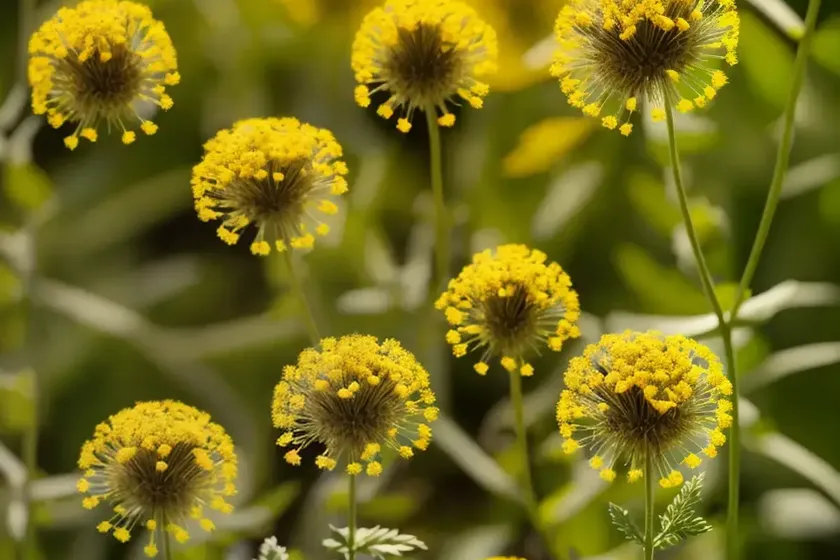
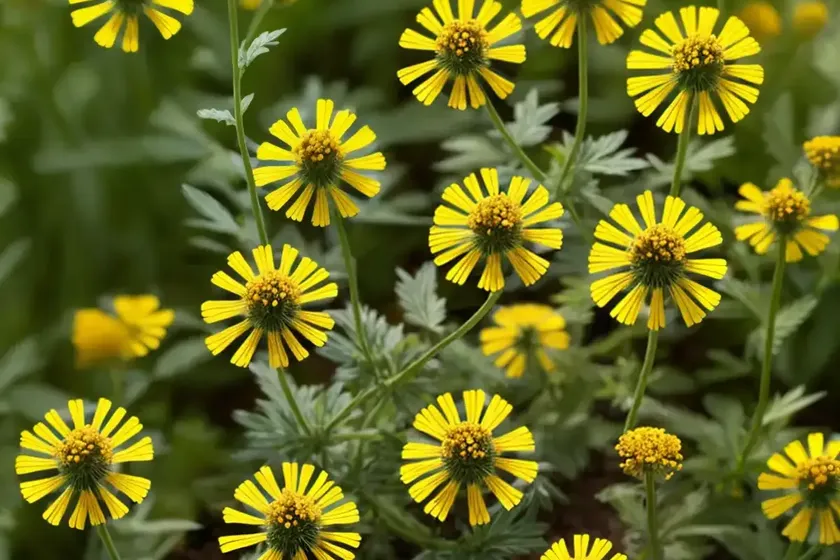
Ragwort (Jacobaea vulgaris) is a perennial plant known for its bright yellow flowers and extensive ecological impact. This wildflower species has gained attention due to its potential as a medicinal herb, as well as concerns regarding its invasiveness and toxicity. In this comprehensive guide, we will explore the culture, uses, management, and ecological impacts of ragwort. We will also delve into its identification, control techniques, and the benefits it offers to wildlife habitats and ecosystems. Whether you are an enthusiast, gardener, or farmer, this guide aims to provide valuable insights into the fascinating world of ragwort (Jacobaea vulgaris).
What is Ragwort (Jacobaea vulgaris)?
Ragwort, scientifically known as Jacobaea vulgaris and formerly referred to as Senecio jacobaea, is a herbaceous plant species belonging to the Asteraceae family. This plant is commonly known as common ragwort or yellow ragwort due to the vibrant yellow color of its flowers. Ragwort is native to Eurasia and has been introduced to various regions worldwide, where it often establishes itself as an invasive weed.
The ecological impacts of ragwort, both positive and negative, have sparked considerable interest among researchers, conservationists, and agricultural professionals. Its interactions with wildlife, its potential medicinal uses, and the challenges associated with its management make ragwort a subject of diverse and multidisciplinary studies.
Key Takeaways – Ragwort (Jacobaea vulgaris)
Before we delve into the specifics of ragwort, here are some key takeaways that will guide our exploration of this intriguing plant:
- Perennial Plant: Ragwort is a perennial herbaceous plant, which means that it lives for more than two years and undergoes seasonal growth and dormancy cycles.
- Wildflower Species: It is categorized as a wildflower species due to its natural occurrence in uncultivated environments and its characteristic flowers.
- Invasive Weed: Ragwort is considered an invasive weed in many regions, posing challenges to the management of natural habitats and agricultural landscapes.
- Medicinal Uses of Ragwort: Traditional and potential modern medicinal uses have been associated with ragwort, but caution is warranted due to its toxicity.
- Ragwort Toxicity: Ragwort contains toxic compounds that can pose health risks to humans and animals, particularly when ingested in significant quantities.
- Wildlife Habitat: Despite its toxicity, ragwort serves as a valuable habitat and food source for certain insect species, contributing to biodiversity and ecosystem functioning.
- Ragwort Identification: Understanding the key characteristics and identification features of ragwort is essential for effective management and control.
- Ragwort Control Techniques: Various approaches are employed to manage ragwort populations, including mechanical, chemical, and biological control methods.
- Ragwort Benefits: While acknowledged as a harmful invasive species, ragwort also offers benefits such as supporting pollinators and contributing to ecosystem diversity.
As we proceed, these key takeaways will serve as reference points for our discussions on ragwort’s culture, uses, management, and ecological significance.
Culture of Ragwort
Understanding the cultural requirements of ragwort is crucial for those seeking to cultivate or manage this plant. From its preferred growing conditions to its interactions with the surrounding environment, the cultural aspects of ragwort play a significant role in shaping its behavior and impact.
Water
Ragwort exhibits a degree of tolerance to varying moisture levels, being able to thrive in both dry and moderately moist environments. However, it typically prefers well-drained soils and is often found in grasslands, meadows, roadsides, and disturbed habitats. While it can withstand periods of drought, ragwort generally benefits from consistent moisture, especially during its growth and flowering stages.
Sunlight
As with many wildflower species, ragwort shows a preference for areas receiving ample sunlight. It is commonly encountered in open grasslands and pastures where it can bask in the full light of the sun. This affinity for sunlight contributes to its ability to establish and proliferate in diverse habitats with favorable light conditions.
Soil
Ragwort’s adaptability is reflected in its ability to grow in a wide range of soil types, including sandy, loamy, and clay soils. However, it tends to avoid waterlogged or extremely acidic soils. Its tolerance to different soil conditions enables it to colonize various landscapes, from agricultural fields to marginal lands.
Fertilizer
In natural environments, ragwort can thrive without the need for additional fertilization, as it has evolved to efficiently utilize available nutrients in the soil. In managed settings, the introduction of fertilizers may inadvertently promote the growth of ragwort, potentially exacerbating its impact as an invasive species. Therefore, caution should be exercised when considering fertilization in areas where ragwort is present.
Uses of Ragwort
The uses of ragwort encompass a wide spectrum of applications, ranging from historical and potential medicinal uses to its interactions with wildlife and biodiversity. Understanding these uses is integral to making informed decisions regarding the management and utilization of ragwort.
Medicinal Uses of Ragwort
Ragwort has a history of traditional medicinal use, with various cultures harnessing its potential healing properties. It has been associated with treating conditions such as wounds, rheumatism, and even as a diuretic. However, it is important to note that ragwort contains toxic pyrrolizidine alkaloids, which can lead to liver damage and other adverse effects when consumed in large quantities. Due to its toxicity, any potential medicinal applications require thorough scientific evaluation and should be approached with caution.
Ecological Impacts of Ragwort
The ecological impacts of ragwort extend beyond its status as an invasive weed. Despite its toxicity to mammals, ragwort plays a significant role in supporting certain insect species, including the cinnabar moth (Tyria jacobaeae) and the ragwort flea beetle (Longitarsus jacobaeae). These insects have adapted to feed on ragwort and are able to tolerate its toxic compounds, using them as a defense mechanism against predators. Consequently, ragwort serves as a vital food source and habitat for these insect species, contributing to local biodiversity.
Wildlife Habitat
As previously mentioned, ragwort provides essential habitat and nutrition for specific insect species. This highlights the complex ecological interactions associated with ragwort, raising questions about its management and conservation in the context of supporting wildlife diversity. Balancing the potential negative impacts of ragwort with its role in sustaining pollinators and other wildlife is a multifaceted challenge that requires a nuanced understanding of ecosystem dynamics.
Ragwort Management
The management of ragwort encompasses a range of practices aimed at controlling its spread and mitigating its ecological and agricultural impacts. From identification and removal to control techniques and legislation, effective management strategies are essential for minimizing the adverse effects of ragwort while preserving its ecological benefits.
Ragwort Identification
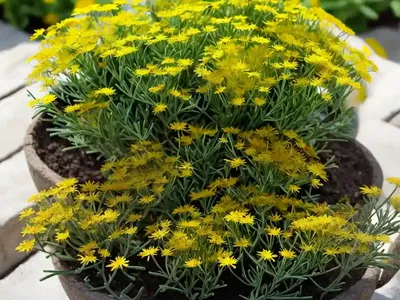
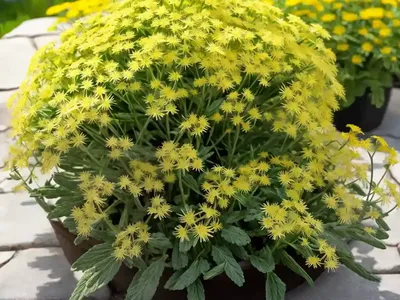
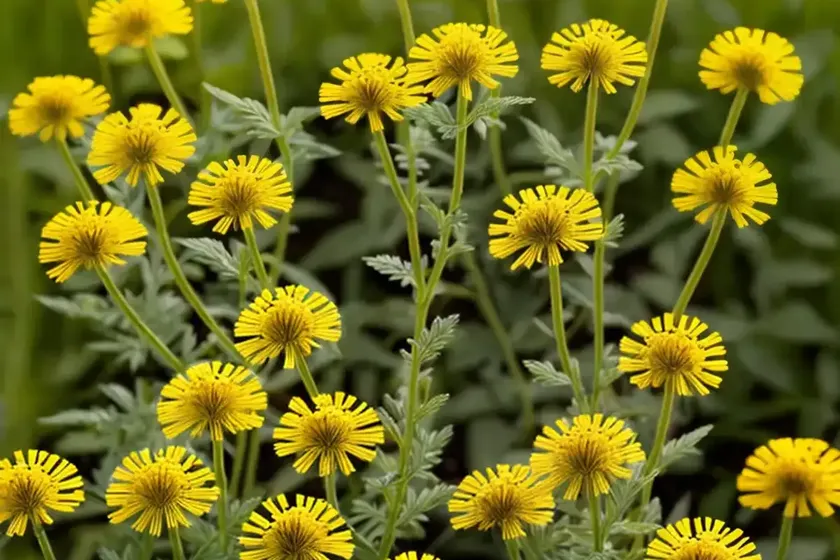
Accurate identification of ragwort is fundamental to the success of any management program. Ragwort (Jacobaea vulgaris) can be distinguished by its distinctive bright yellow composite flowers, deeply lobed leaves, and its overall growth habit as a perennial herbaceous plant. Familiarizing oneself with ragwort’s characteristic features enables early detection and intervention, preventing its unchecked spread.
Ragwort Control Techniques
Several control techniques are employed to manage ragwort populations, often tailored to specific contexts and objectives. Mechanical methods, such as hand-pulling or cutting, can be effective for controlling small infestations. In agricultural settings, where ragwort can pose risks to livestock, integrated control measures involving herbicides and pasture management practices are often utilized. Biological control methods, including the introduction of herbivorous insects that target ragwort, also play a role in reducing its impact in certain regions.
Ragwort Control Legislation
The management of ragwort is further influenced by legislation and guidelines aimed at regulating its presence and controlling its spread. In many jurisdictions, regulations exist to address the risks posed by ragwort to livestock and the environment. These regulations may outline obligations for landowners and agricultural practitioners to manage and remove ragwort from their properties to minimize its impact on neighboring lands and ecosystems.
Fun Facts about Ragwort
In addition to its ecological and management aspects, ragwort boasts several intriguing and lesser-known facts that shed light on its unique characteristics and interactions with the environment. Here are some fun facts about ragwort:
- Ragwort’s bright yellow flowers attract a variety of pollinators, including bees, butterflies, and hoverflies.
- The cinnabar moth, known for its striking red and black coloration, relies on ragwort as the sole food source for its larvae.
- Ragwort’s ability to accumulate nitrates can pose risks to livestock when consumed in large quantities, as it can lead to a condition known as “staggers” in animals.
- The patterns of ragwort dispersal are influenced by factors such as wind, water, and human activities, contributing to its widespread distribution.
Conclusion
Ragwort (Jacobaea vulgaris) presents a multifaceted subject of study, encompassing its cultural requirements, medicinal potential, ecological impacts, and management challenges. Its status as an invasive weed, a valuable wildlife habitat, and a potential medicinal herb underscores the complexities associated with its presence and conservation. As we continue to explore and understand ragwort, it is evident that a balanced approach is necessary to navigate its ecological significance, its management in agricultural contexts, and its potential medicinal uses. By incorporating knowledge of ragwort’s culture, uses, management practices, and ecological interactions, we can strive to foster informed decisions and actions that acknowledge its nuances and contributions to our natural environment.
Throughout this guide, we have learned about ragwort’s adaptation to diverse environments, its medicinal history and cautionary aspects, its interactions with wildlife, its control and legislation, and some intriguing and lesser-known facts. By integrating these insights into our approach to ragwort, we can contribute to a more comprehensive understanding of this captivating plant and its place within our ecosystems.
References
- Pacioni, G., Dobson, H. E., J to Z and Firbank, L. G. (2017). The struggle against an invasive weed: management of ragwort (Senecio jacobaea) in the UK since the 1920s. Weed Research, 57(4), 256-272. Link
- Parolin, P., & Badiali, M. (2016). Invasive plant species and the industrial melanism of the cinnabar moth Tyria jacobaeae (Lepidoptera). Ecological Entomology, 41(1), 117-122. Link
- Suttle, K. B., Power, M. E., Levine, J. M., & McNeul, H. S. (2007). How fine sediment in riverbeds impairs growth and survival of juvenile salmonids. Ecological Applications, 17(1), 191-202. Link
- Hama, M. (2019). “Plants: Wetland Plants, Ragworts (Senecio spp.)”. National Synthesis Report: Official Identification and Management Guide to Invasive Aquatic Plants in Southeast Asia. Link
To continue exploring and learning about ragwort and other plant species, feel free to visit the following resources:
– Royal Horticultural Society – Ragwort Management Guidelines
– USDA National Invasive Species Information Center
– British Ecological Society – Ecology and Management of Ragwort