Raceme Catnip (Nepeta Racemosa)
Welcome to the comprehensive guide to raceme catnip (Nepeta racemosa). As a plant scientist, I am excited to share valuable insights about the culture.
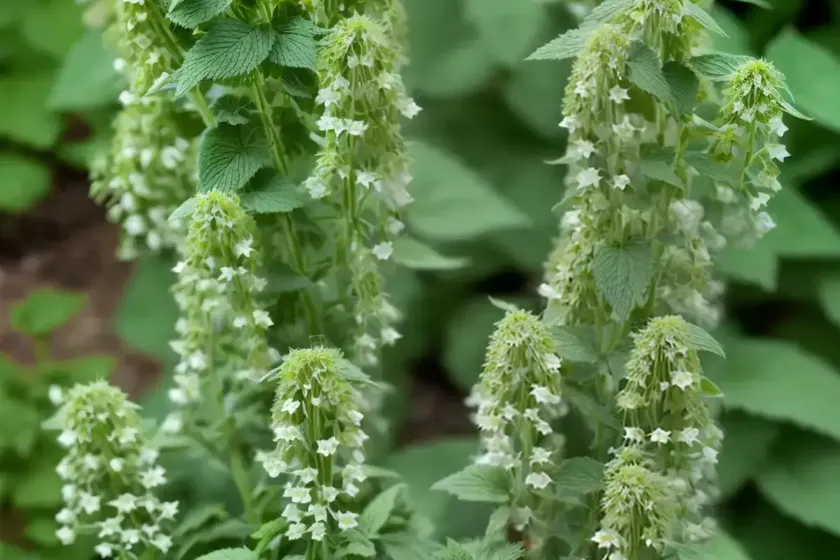
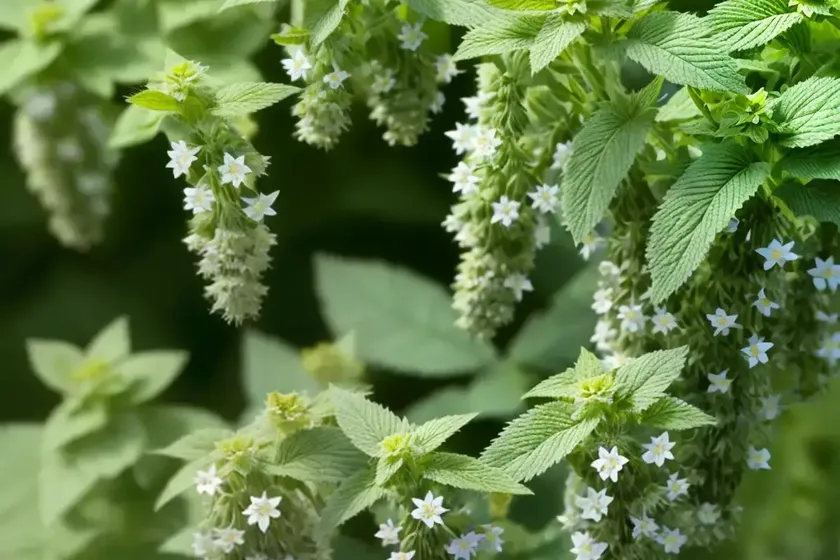
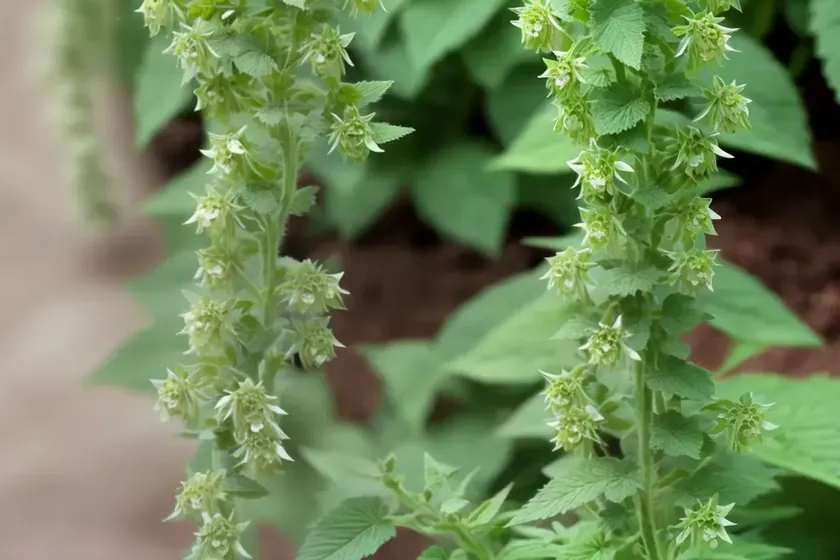
Welcome to the comprehensive guide to raceme catnip (Nepeta racemosa). As a plant scientist, I am excited to share valuable insights about the culture, uses, care, and benefits of this fascinating plant. In this blog post, we will explore the various aspects of raceme catnip, including its medicinal properties, propagation methods, and its role in traditional medicine and gardening.
What is Raceme Catnip?
Raceme catnip, scientifically known as Nepeta racemosa, is a perennial herbaceous plant belonging to the Lamiaceae family. It is native to Europe and Western Asia and is widely cultivated for its aromatic foliage and attractive flowers. The plant is commonly referred to as raceme catnip, racemose catmint, or simply Nepeta.
Raceme catnip is renowned for its ornamental and therapeutic properties, making it a popular choice among gardeners and herbal enthusiasts. Its lush foliage and clusters of delicate, tubular flowers make it an appealing addition to any garden or landscape.
Key Takeaways
Before delving into the specifics of raceme catnip, let’s take a moment to highlight some key takeaways about this remarkable plant:
- Benefits of Raceme Catnip: Raceme catnip offers a range of benefits, including medicinal, culinary, and ornamental uses.
- Nepeta Racemosa Uses: The uses of raceme catnip span across traditional medicine, culinary applications, and its role as an insect attractant in gardens.
- Growing Raceme Catnip: Understanding the cultural requirements and growth habits of raceme catnip is essential for successful cultivation.
- Raceme Catnip Varieties: There are several varieties of raceme catnip, each with its unique characteristics and features.
- Raceme Catnip Care Tips: Proper care and maintenance are crucial for ensuring the health and vitality of raceme catnip plants.
Now, let’s delve into each of these aspects in detail to gain a comprehensive understanding of raceme catnip.
Culture of Raceme Catnip
Cultivating raceme catnip involves understanding its specific cultural requirements to ensure optimal growth and development. From water and sunlight needs to soil preferences and pruning techniques, each aspect contributes to the overall well-being of the plant.
Water
Raceme catnip thrives in well-drained soil and prefers moderate moisture levels. Overly soggy conditions can lead to root rot, while prolonged drought can hinder its growth. To maintain an optimal moisture balance, it is recommended to water the plant when the top inch of soil feels dry. During hot and dry periods, more frequent watering may be necessary to support the plant’s needs.
Sunlight
As a sun-loving plant, raceme catnip flourishes in full sun to partial shade. Providing at least 6-8 hours of direct sunlight each day ensures vigorous growth and abundant flowering. In regions with scorching summers, providing some afternoon shade can protect the plant from excessive heat stress.
Fertilizer
When it comes to fertilization, raceme catnip does not require heavy feeding. A balanced, slow-release fertilizer applied in early spring can provide the necessary nutrients for healthy growth. Excessive nitrogen can lead to lush foliage at the expense of flowers, so a conservative approach to fertilization is ideal.
Soil
Raceme catnip thrives in well-drained, fertile soil with a slightly alkaline to neutral pH. Amending the soil with organic matter such as compost can improve its texture and fertility. Additionally, ensuring good airflow around the plant’s base can help prevent fungal diseases.
Pruning
Pruning plays a vital role in maintaining the compact and tidy appearance of raceme catnip. Regular deadheading of spent blooms can prolong the flowering period and prevent the plant from self-seeding excessively. In late winter or early spring, cutting back the plant to a few inches above the ground can rejuvenate its growth and encourage fresh foliage.
Uses of Raceme Catnip
The versatile nature of raceme catnip extends to its wide array of uses, ranging from medicinal and culinary applications to its role in gardening and landscaping. Let’s explore the diverse uses of Nepeta racemosa.
Medicinal Properties
Raceme catnip has been traditionally used for its medicinal properties, particularly in herbal medicine. The leaves and flowers of the plant contain essential oils, tannins, and other bioactive compounds that contribute to its therapeutic qualities. Some of its potential medicinal uses include:
- Anxiety Relief: The calming effects of raceme catnip make it a popular choice for alleviating anxiety and promoting relaxation. Infusions of the dried leaves and flowers can be prepared as a soothing herbal tea.
- Sleep Aid: Raceme catnip is known for its mild sedative properties, making it beneficial for individuals struggling with sleep disturbances. A cup of catnip tea before bedtime can help induce a sense of tranquility and facilitate restful sleep.
- Digestive Health: The consumption of raceme catnip tea is believed to aid in digestion and alleviate gastrointestinal discomfort. It is often used to soothe upset stomachs and minimize digestive issues.
Culinary Uses
In addition to its medicinal attributes, raceme catnip is valued for its culinary applications. The tender young leaves can be used to impart a subtle minty flavor to a variety of dishes, including salads, sauces, and herbal infusions. Its culinary uses include:
- Herbal Infusions: The aromatic leaves of raceme catnip can be steeped in hot water to create a refreshing herbal infusion. Catnip tea is enjoyed for its delicate flavor and calming effects.
- Culinary Garnish: Sprigs of fresh raceme catnip can serve as an attractive and flavorful garnish for both sweet and savory dishes.
- Cooking Ingredient: The leaves of raceme catnip can be finely chopped and added to salads, marinades, and sauces, imparting a hint of mint-like freshness to the culinary creations.
Garden and Landscape
In garden settings, raceme catnip serves multiple purposes, from attracting beneficial insects to enhancing the visual appeal of the landscape. The aromatic foliage and vibrant blooms add an element of charm to gardens and outdoor spaces. Some notable uses of raceme catnip in gardening include:
- Pollinator Magnet: The nectar-rich flowers of raceme catnip attract an array of pollinators, including bees, butterflies, and hummingbirds, making it a valuable addition to pollinator gardens.
- Natural Pest Repellent: The strong scent of catnip acts as a natural deterrent for certain garden pests, serving as a companion plant to help protect more vulnerable species from insect damage.
- Ornamental Beauty: Raceme catnip’s compact growth habit and profusion of flowers make it an attractive choice for borders, rock gardens, and mixed perennial beds.
How to Propagate Raceme Catnip
Propagating raceme catnip is a rewarding endeavor that allows for the expansion of its presence in the garden or landscape. Understanding the various propagation methods is essential for successfully multiplying this versatile plant. Let’s explore some effective techniques for propagating raceme catnip.
Seed Propagation
Growing raceme catnip from seeds is a straightforward and cost-effective method of propagation. Whether sowing seeds directly in the garden or starting them indoors, the following steps can guide the process:
- Seed Collection: Harvest mature seed heads from established raceme catnip plants once they have dried on the stem. Gently crush the seed heads to release the small, brown seeds.
- Indoor Sowing: Start the seeds indoors in late winter, using well-draining seed starting mix in small containers. Press the seeds lightly into the soil, mist with water, and cover the containers with plastic wrap to create a mini greenhouse environment.
- Outdoor Sowing: In early spring, directly sow the seeds in prepared soil that has warmed to a suitable temperature for germination. Ensure good seed-to-soil contact and keep the planting area consistently moist until seedlings emerge.
Division
Raceme catnip can also be propagated through division, particularly when rejuvenating older clumps or creating new plantings. Follow these steps for successful division propagation:
- Clump Preparation: In early spring or fall, carefully dig up the established raceme catnip plant, taking care to preserve the root system.
- Division: Using a sharp, clean garden knife or spade, separate the clump into smaller sections, each containing both roots and shoots.
- Replanting: Plant the divisions in prepared soil at the same depth they were previously growing. Water the newly divided plants thoroughly to promote establishment.
Softwood Cuttings
Taking softwood cuttings is an effective way to propagate raceme catnip, particularly for obtaining genetically identical clones of a specific plant. Follow these steps to propagate raceme catnip from softwood cuttings:
- Cutting Preparation: Select healthy, non-flowering shoots from the raceme catnip plant, and take 4-6 inch cuttings early in the growing season. Remove the lower leaves to expose the nodes.
- Rooting Medium: Dip the cut ends of the softwood cuttings in a rooting hormone powder and insert them into a well-draining rooting medium, such as perlite or a mix of peat and sand.
- Ideal Conditions: Place the cuttings in a warm, humid environment with bright, indirect light. Enclose the cuttings in a clear plastic bag or place them in a propagation tray with a humidity dome to create a mini greenhouse.
Popular Varieties of Raceme Catnip
Raceme catnip is available in several attractive varieties, each offering unique features and characteristics. Whether you are seeking compact growth habits, specific flower colors, or enhanced aromatic qualities, there is a raceme catnip variety to meet your preferences. Here are some popular varieties of Nepeta racemosa:
| Variety | Description |
|---|---|
| Nepeta racemosa | The standard species, featuring compact growth, gray-green foliage, and lavender-blue flowers. |
| ‘Walker’s Low’ | A widely acclaimed variety known for its long blooming season, low mounding habit, and profusion of deep violet-blue flowers. |
| ‘Blue Wonder’ | This variety boasts a compact growth habit, aromatic foliage, and abundant vibrant blue flowers, making it an ideal choice for containers and borders. |
| ‘Snowflake’ | A distinctive variety with variegated foliage, displaying shades of green and creamy white. It produces clusters of white flowers, adding a touch of elegance to garden settings. |
| ‘Six Hills Giant’ | Known for its robust growth and larger-than-average blue flowers, this variety makes a bold statement in the garden, particularly when planted in mass or as a border. |
Each of these varieties brings its own charm to the garden, offering diverse options for incorporating raceme catnip into various landscape designs and plantings.
Common Diseases of Raceme Catnip
While raceme catnip is generally resistant to most pests and diseases, it can occasionally encounter certain issues that impact its health. Understanding the common diseases that affect raceme catnip is crucial for timely intervention and effective management.
Disease Diagnosis
Here are some of the common diseases that may affect raceme catnip and their associated symptoms:
- Powdery Mildew: This fungal disease presents as a powdery, white coating on the leaves, leading to wilting and stunted growth. It thrives in humid conditions and can spread rapidly if not addressed promptly.
- Root Rot: Excessive moisture can cause the roots of raceme catnip to rot, leading to yellowing foliage, wilting, and eventual plant decline. Root rot is often exacerbated by poorly draining soil and overwatering.
- Leaf Spot: Characterized by the appearance of dark, circular lesions on the foliage, leaf spot can diminish the aesthetic appeal of raceme catnip and weaken the plant over time.
Disease Management
Implementing preventive measures and early intervention can help manage and minimize the impact of common diseases on raceme catnip. Here are some strategies for disease management:
- Cultural Practices: Ensure proper spacing between plants to promote good air circulation and reduce humidity levels, minimizing the risk of fungal diseases such as powdery mildew.
- Watering Practices: Avoid overhead watering to prevent excess moisture on the foliage, which can contribute to the development of powdery mildew. Water the plants at the base to keep the foliage dry.
- Soil Drainage: Plant raceme catnip in well-draining soil and avoid waterlogged conditions to prevent the onset of root rot. Incorporating organic matter into the soil can improve its structure and drainage.
Common Pests Affecting Raceme Catnip
While raceme catnip is known for its natural insect-repellent properties, it can still fall victim to certain pests that may impact its vitality. Understanding the common pests that affect raceme catnip is essential for implementing targeted pest management strategies.
Pest Identification
Here are some of the common pests that may affect raceme catnip and their associated signs of infestation:
- Aphids: These small, soft-bodied insects feed on the sap of raceme catnip, causing curling or yellowing of the leaves and the formation of sticky honeydew.
- Spider Mites: Spider mites are tiny pests that suck the plant’s juices, leading to stippled, discolored foliage and fine webbing on the leaves.
- Whiteflies: Whiteflies are small, winged insects that congregate on the underside of the leaves, feeding on the plant’s sap and causing yellowing and wilting of the foliage.
Pest Management
Implementing integrated pest management practices can help control and mitigate the impact of common pests on raceme catnip. Here are some effective pest management strategies:
- Beneficial Insects: Encourage the presence of predatory insects, such as ladybugs and lacewings, which feed on aphids and other small pests, helping to naturally control their populations.
- Horticultural Oils: Spraying the foliage with horticultural oils can suffocate and control spider mites and whiteflies, reducing their numbers and preventing further damage to the plant.
- Neem Oil: Neem oil, derived from the neem tree, can be an effective organic treatment for aphids and other soft-bodied pests, disrupting their feeding and reproductive patterns.
Botanist’s Tips for Raceme Catnip
As a plant scientist with a passion for raceme catnip, I am pleased to share some expert tips for growing, caring for, and maximizing the potential of this remarkable plant. These tips are designed to help you make the most of your raceme catnip plants and foster their health and vitality.
Expert Insights
- Regular Deadheading: Make it a habit to regularly deadhead the spent blooms of raceme catnip to encourage continuous flowering and prevent the plant from self-seeding excessively.
- Avoid Overfertilizing: While raceme catnip benefits from light fertilization, excessive nitrogen can lead to rampant vegetative growth at the expense of flowers. Apply fertilizers conservatively.
- Companion Planting: Integrate raceme catnip into your garden as a companion plant to help repel certain pests and attract beneficial insects, contributing to a balanced and thriving ecosystem.
- Pruning Techniques: In early spring, give raceme catnip a light pruning to promote vigorous growth and maintain its compact form. Trimming back the plant can rejuvenate its appearance and encourage fresh foliage.
Fun Facts about Raceme Catnip
To further enrich your knowledge and appreciation of raceme catnip, here are some intriguing and delightful fun facts about this captivating plant:
- Feline Attraction: The aromatic compounds in raceme catnip, particularly nepetalactone, are known to elicit a euphoric response in many cats, making it a popular addition to feline toys and accessories.
- Insect Magnet: The fragrant flowers of raceme catnip act as a magnet for various pollinators, including bees, butterflies, and beneficial insects, contributing to the biodiversity of the garden.
- Historical Uses: Throughout history, raceme catnip has been valued for its medicinal and aromatic properties, with references to its uses dating back to ancient civilizations.
- Traditional Medicine: Raceme catnip has been used in traditional medicine for its soothing and calming effects, often employed to alleviate anxiety and promote relaxation.
Links to External Resources
As part of our commitment to providing comprehensive insights into raceme catnip, we have curated a selection of reliable and informative external resources for further exploration. These resources offer additional perspectives on the cultivation, uses, and benefits of raceme catnip, enhancing your understanding of this exceptional plant.
- The Herb Society – Nepeta racemosa
- RHS – Nepeta racemosa
- Missouri Botanical Garden – Nepeta racemosa
- University of Maryland Medical Center – Catnip
- Royal Botanic Gardens, Kew – Nepeta racemosa ‘Walker’s Low’
Conclusion
In conclusion, raceme catnip (Nepeta racemosa) stands as a versatile and enchanting plant with a multitude of uses, from its medicinal and culinary applications to its ornamental and ecological value in gardens. By understanding its cultural requirements, propagation methods, and potential uses, gardeners and enthusiasts can fully appreciate and harness the potential of raceme catnip in various settings.
As a plant scientist, I hope this comprehensive guide has provided you with valuable insights and practical knowledge to enrich your experience with raceme catnip. Whether you are drawn to its aromatic foliage, therapeutic properties, or ecological contributions, raceme catnip remains an exceptional addition to any garden or landscape, offering a wealth of benefits for both people and wildlife.
Remember to explore the external resources provided to further expand your understanding of raceme catnip and discover new perspectives on its uses and cultivation. Embrace the beauty and versatility of raceme catnip, and let it thrive in your outdoor spaces, bringing joy and enrichment to your botanical endeavors.
Happy gardening and exploring the wonders of raceme catnip!


