Plant Scientist’s Guide to downy oak (Quercus pubescens)
As a plant scientist, I am excited to delve into the captivating world of the downy oak (Quercus pubescens). In this comprehensive guide, we will explore the characteristics, habitat, growth requirements, uses, and conservation aspects of this remarkable tree species. Whether you are an avid botany enthusiast, a gardening aficionado, or simply curious about the natural world, this article aims to provide an in-depth understanding of the downy oak and its significance in ecological and cultural contexts.
What is downy oak (Quercus pubescens)?
Quercus pubescens Characteristics
The downy oak, scientifically known as Quercus pubescens, is a species of oak tree native to southern Europe and southwestern Asia. It belongs to the family Fagaceae, which includes many other important deciduous and evergreen trees. The specific epithet “pubescens” refers to the fine downy hairs that cover the underside of the tree’s leaves, giving it a distinctive appearance. This species is highly valued for its environmental, ecological, and cultural significance.
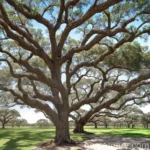
Downy Oak Tree
The downy oak is a medium to large-sized tree, known for its robust and wide-spreading crown. It typically reaches heights of 20 to 25 meters, with some exceptional specimens surpassing 30 meters in height. The tree’s trunk is sturdy and often develops a gnarled texture as it matures. The branches of the downy oak extend gracefully, creating a striking silhouette in the landscape.
Quercus Pubescens Facts
- Latin Name: Quercus pubescens
- Common Name: Downy oak
- Family: Fagaceae
- Native Range: Southern Europe, Southwestern Asia
- Height: 20-25 meters (exceptional specimens can exceed 30 meters)
- Leaf Characteristics: Underside covered with downy hairs
Downy Oak Leaves
The leaves of the downy oak are an iconic feature of the tree. They are characterized by their distinct lobed shape and a velvety texture on the underside, owing to the presence of fine hairs. The leaves exhibit a rich green color during the growing season and transform into warm shades of yellow and brown during the autumn, creating breathtaking displays of fall foliage.
Quercus Pubescens Habitat
The downy oak thrives in diverse habitats, ranging from lowland forests to mountainous regions. It is well-adapted to a Mediterranean climate, where it can tolerate hot, dry summers and mild, rainy winters. The tree is often found in mixed woodland environments, alongside other deciduous and evergreen species, contributing to the biodiversity of its habitat.
Downy Oak Identification
Identifying the downy oak is relatively straightforward, especially during the growing season when the tree’s distinctive leaves and overall structure make it easily recognizable. The presence of downy hairs on the underside of the leaves serves as a key identifying characteristic when distinguishing it from other oak species.
Quercus Pubescens Growth
The growth of the downy oak is steady and reliable, making it an excellent choice for landscaping and reforestation projects. Given the right conditions, this species demonstrates vigorous growth, with young trees establishing themselves relatively quickly and mature trees contributing to the overall canopy cover and forest structure.
Downy Oak Uses
The downy oak has a rich history of traditional uses, ranging from timber production to medicinal and cultural applications. Its wood, with its strength and durability, has been utilized in carpentry, furniture making, and construction. Furthermore, various parts of the tree have been incorporated into traditional medicine and folklore, highlighting its cultural significance.
Quercus Pubescens Species
As a species, Quercus pubescens holds a special place within the oak genus. Its distinct features, ecological roles, and historical importance contribute to the fascinating diversity of oak species worldwide. Studying the unique characteristics of Quercus pubescens provides invaluable insights into the evolutionary adaptations and ecological interactions of oak trees.
Downy Oak Bark
The bark of the downy oak is characterized by its rough texture and deep furrows, particularly in older individuals. The bark plays a crucial role in protecting the tree from environmental stressors and provides structural support to the trunk and branches. The distinct bark patterns of the downy oak add to its visual appeal and contribute to its overall resilience.
Quercus Pubescens Distribution
The distribution of Quercus pubescens extends across southern Europe and into parts of southwestern Asia. This species occurs in countries such as France, Italy, Greece, and Turkey, where it forms an integral part of the native forest ecosystems. Understanding the distribution patterns of the downy oak is essential for conservation efforts and sustainable forest management.
Key Takeaways – downy oak (Quercus pubescens)
After exploring the fundamental aspects of the downy oak, it is evident that this species holds immense ecological, cultural, and economic value. From its distinctive leaf characteristics to its versatile uses, the downy oak continues to captivate researchers, conservationists, and nature enthusiasts alike. The following key takeaways summarize the essential points of interest pertaining to Quercus pubescens:
- Distinctive Leaf Characteristics: The downy oak’s velvety, lobed leaves with fine hairs on the underside are a defining feature of the species, aiding in its identification and recognition.
- Mediterranean Habitat Adaptation: Well-adapted to the Mediterranean climate, the downy oak thrives in diverse habitats, contributing to the ecological richness of its native range.
- Traditional and Cultural Significance: With a history of diverse uses in timber production, traditional medicine, and cultural practices, the downy oak holds deep-rooted significance in local and regional contexts.
- Distribution and Conservation: Understanding the distribution and conservation status of Quercus pubescens is vital for preserving its ecological role and ensuring sustainable management of oak-dominated landscapes.
In the subsequent sections, we will delve into the cultivation, uses, and conservation aspects of the downy oak, providing valuable insights for gardeners, conservationists, and enthusiasts seeking to deepen their understanding of this remarkable tree species.
Culture
Water
The downy oak, while resilient once established, benefits from adequate water during its initial establishment phase and periods of prolonged drought. When cultivating young downy oak trees, it is important to provide regular watering, particularly during dry spells, to support healthy root development and overall growth.
Sunlight
An abundant source of sunlight is essential for the optimal growth and development of downy oak trees. Planting them in sunny locations where they can receive ample sunlight throughout the day is crucial for ensuring robust growth and the expression of their characteristic foliage.
Fertilizer
In nutrient-poor soils or when cultivating downy oaks in urban environments, applying a balanced, slow-release fertilizer can support the tree’s vigor. However, it is important to avoid over-fertilization, as excessive nitrogen can lead to imbalanced growth and potential environmental impacts.
Soil
The downy oak thrives in well-drained soils with a balanced composition of organic matter. It is adaptable to various soil types, including sandy and loamy soils, but it is essential to ensure good drainage to prevent waterlogging, particularly during the establishment phase.
Uses
Timber Production
The wood of the downy oak is highly valued for its strength, durability, and attractive grain patterns. It has been used in traditional woodworking, furniture making, and construction, where its resilience and aesthetic qualities are highly prized.
Traditional Medicine
In some cultures, various parts of the downy oak have been incorporated into traditional medicine for their purported medicinal properties. Extracts from the bark and leaves have been used to address certain health concerns, emphasizing the tree’s historical significance beyond its ecological roles.
Cultural Practices
The downy oak holds cultural significance in many regions where it occurs. It has been celebrated in art, literature, and folklore, symbolizing resilience, wisdom, and enduring beauty. Additionally, cultural practices and rituals have been associated with the presence of the downy oak, enriching its role in local traditions.
Water & Sunlight
Watering Needs
| Growth Stage | Watering Frequency | Notes |
|---|---|---|
| Establishment Phase | Regular, thorough watering | Promotes healthy root development |
| Mature Trees | Periodic watering during drought | Helps maintain overall tree vigor |
Sunlight Requirements
| Sunlight Conditions | Suitability | Notes |
|---|---|---|
| Full Sun | Highly Suitable | Promotes robust growth and leaf development |
| Partial Shade | Tolerated, but may affect overall growth and foliage density | Adequate sunlight is preferable for optimal growth |
Fertilizer & Soil
Fertilization Guidelines
- Opt for balanced, slow-release fertilizer to support growth
- Apply fertilizer sparingly to avoid over-fertilization
- Consider soil composition and nutrient levels before fertilization
Soil Requirements
| Soil Type | Suitability | Notes |
|---|---|---|
| Well-Drained Loam | Highly Suitable | Supports healthy root development and overall tree vigor |
| Sandy Soil | Tolerated, but may require additional organic matter amendments to enhance water retention | Good drainage is essential to prevent waterlogging |
Pruning
Pruning Techniques
- Remove dead or diseased branches regularly
- Promote a balanced crown structure by selectively pruning overcrowded or poorly positioned branches
- Prune during the dormant season to minimize stress and allow for efficient wound healing
Propagation
Propagation Methods
- Collect acorns from healthy, mature trees
- Soak acorns in water for several days to identify viable seeds
- Plant acorns in well-prepared seedbeds or containers for germination
Container Popularity
The downy oak is increasingly popular for container cultivation, particularly in urban and suburban settings, where space may be limited. Its adaptability to container growth makes it an attractive choice for individuals looking to incorporate native tree species into their gardens and outdoor spaces.
Container Common Diseases
| Disease | Symptoms | Management |
|---|---|---|
| Phytophthora Root Rot | Wilting, yellowing leaves, root decay | Improve drainage, avoid waterlogged conditions |
| Anthracnose | Leaf spots, premature defoliation | Maintain good air circulation, prune affected foliage |
Disease Diagnosis
Common Pests
- Oak Processionary Moth: Caterpillars can defoliate trees and pose health risks due to their stinging hairs.
- Gypsy Moth: Larvae feed on foliage, potentially defoliating large sections of the crown.
Disease Diagnosis
- Sudden wilting or discoloration of foliage may indicate root rot or other soil-borne diseases.
- Leaf spots, especially with concentric rings, could signify a fungal infection such as anthracnose.
Botanist’s Tips
- Regularly monitor the tree for signs of stress, disease, or pest infestations.
- Consider the tree’s natural habitat when planning its cultivation to ensure environmental compatibility.
- Partner with local conservation organizations to contribute to the preservation of downy oak populations in their native range.
Fun Facts
- The downy oak is known for its resilience and can withstand challenging environmental conditions, making it a symbol of endurance and strength in many cultures.
- Acorns from the downy oak are an important food source for various wildlife species, contributing to the ecological food web and ecosystem dynamics.
- The downy oak’s historical uses in traditional medicine and cultural practices highlight its multifaceted significance beyond its ecological roles.
Links to External Resources
To further deepen your understanding of the downy oak and its ecological, cultural, and conservation aspects, explore the following external resources:
- European Forest Genetic Resources Programme – Quercus pubescens
- Wildscreen Arkive – Downy Oak Information
- Flora of Italy – Quercus pubescens
Conclusion
As we conclude our exploration of the downy oak (Quercus pubescens), it is evident that this species embodies a rich tapestry of ecological, cultural, and practical significance. From its resilient growth in diverse habitats to its historical uses and contemporary conservation efforts, the downy oak remains an emblem of strength, endurance, and natural beauty. As a plant scientist, I encourage you to celebrate and steward the remarkable qualities of the downy oak, recognizing its role as a vital component of our natural heritage and ecological landscapes. Whether you are considering the cultivation of a downy oak in your garden, studying its ecological interactions, or simply appreciating its contributions to our shared environment, may the captivating essence of Quercus pubescens continue to inspire and enrich our connection to the natural world.