Quercus phellos (Willow Oak): Everything You Need to Know
Introduction
Welcome to our in-depth guide on Quercus phellos, commonly known as the Willow Oak. In this comprehensive guide, we will explore the various aspects of this beautiful tree, from its cultural significance and uses to its specific growth requirements and potential diseases or pests. Whether you’re a seasoned horticulturist or simply interested in learning more about this iconic species, there’s something here for everyone to discover. Let’s dive in and uncover the fascinating world of Quercus phellos.
What is Quercus phellos (Willow Oak)?
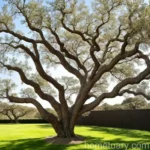
Quercus phellos is a species of oak native to eastern North America and belongs to the Fagaceae family. It is a deciduous tree known for its tall, straight trunk and willow-like leaves, which give it the common name “Willow Oak.” The tree is highly valued for its ornamental beauty, adaptability to various landscapes, and ecological significance.
Key Characteristics of Quercus phellos
Before delving into the details of Willow Oak care and cultivation, it’s essential to understand the key characteristics that define this species:
- Scientific Name: Quercus phellos
- Common Name: Willow Oak
- Family: Fagaceae
- Native Region: Eastern North America
- Foliage: Deciduous
- Foliage Color: Green in the growing season, transitioning to bronze or red in the fall
- Mature Height: Can reach up to 100 feet
- Growth Rate: Moderate to fast
- Shape: Symmetrical, conical when young, becoming more rounded with age
With these fundamental attributes in mind, let’s explore the intricacies of cultivating and caring for Quercus phellos.
Culture
Cultivating Quercus phellos successfully requires a comprehensive understanding of its cultural preferences, including soil conditions, watering needs, sunlight requirements, and other environmental factors. Here’s a detailed overview of its cultural considerations:
Soil
Willow Oaks thrive in well-drained, acidic soils, but they are also adaptable to a wide range of soil types, including clay and loamy soils. However, they do not tolerate waterlogged or highly compacted soils. Prioritize a soil pH between 4.5 and 6.5 for optimal growth.
Water
While Willow Oaks exhibit good drought tolerance once established, consistent watering is crucial during the tree’s initial establishment period. Adequate moisture is particularly important in dry or hot climates. Aim to provide approximately 1 inch of water per week, either through rainfall or supplemental irrigation.
Sunlight
Quercus phellos thrives in full sun to partial shade, though it tends to achieve its best growth and foliage density in full sunlight. When selecting a planting location, prioritize spots that receive ample sunlight, especially during the morning hours.
Fertilizer
These trees typically do not require intensive fertilization if they are planted in nutrient-rich soil. However, if growth appears stunted or leaves exhibit signs of nutrient deficiencies, consider applying a balanced, slow-release fertilizer in early spring.
Pruning
Regular pruning is generally not necessary for Willow Oaks, as they naturally develop a balanced and symmetrical canopy. However, to remove dead or diseased branches and maintain overall tree health, occasional pruning may be warranted.
Container Cultivation
While Quercus phellos is not commonly cultivated in containers due to its large size, it can theoretically be grown in large containers for several years when young. Ensure the container provides ample room for root development and maintain a consistent watering and fertilization schedule.
Uses
The versatility of Quercus phellos extends beyond its aesthetic appeal, encompassing diverse applications ranging from landscaping to ecological value. Let’s delve into the various uses of Willow Oaks:
Landscape Ornamentation
One of the primary uses of Quercus phellos is as a stunning ornamental tree in residential, commercial, and public landscapes. Its elegant form, vibrant foliage, and picturesque crown make it a favorite choice for parks, large gardens, and urban plantings.
Urban Tree Planting
Given its adaptability to urban environments and tolerance of various soil conditions, Willow Oak is often selected for street tree planting initiatives. Its ability to thrive in challenging urban landscapes while providing ample shade and visual interest makes it an ideal candidate for urban forestry projects.
Ecological Significance
Beyond its ornamental value, Quercus phellos plays a vital role in supporting local ecosystems. Its acorns serve as a food source for numerous wildlife species, including birds, squirrels, and deer, contributing to the overall biodiversity of forested areas.
Timber Production
While not as commonly utilized for timber as other oak species, the wood of Quercus phellos is occasionally harvested for use in construction, furniture-making, and decorative woodworking projects. Its moderate durability and attractive grain make it suitable for various woodworking applications.
Environmental Benefits
As a shade tree, Willow Oak contributes to the mitigation of urban heat islands, reduces energy consumption by providing natural cooling, and improves air quality by trapping airborne pollutants. Its role in enhancing environmental quality underscores its value beyond mere aesthetics.
Popularity
The popularity of Quercus phellos as a landscaping and urban forestry species continues to rise, driven by its numerous benefits and aesthetic appeal. Whether you’re a homeowner, landscape architect, or city planner, understanding the factors contributing to its popularity can provide valuable insights. Let’s explore the elements fueling the widespread appeal of Willow Oak:
Aesthetic Appeal
The graceful form of Quercus phellos, coupled with its vibrant foliage and visually appealing acorns, makes it a sought-after addition to any landscape. Its attractive silhouette and seasonal color changes contribute to its enduring popularity as an ornamental tree.
Adaptability
Willow Oaks are known for their adaptability to a wide range of soil types and environmental conditions, including urban settings. This resilience, coupled with their low maintenance requirements, makes them a top choice for urban planting and landscaping projects.
Ecological Contribution
From providing habitat and food for wildlife to actively contributing to urban environmental quality, the ecological benefits of Willow Oaks resonate with environmentally conscious property owners, conservation organizations, and city planners.
Long-Term Value
The longevity of Quercus phellos and its ability to enhance property value while requiring minimal care over the years make it a wise investment for homeowners and municipalities alike.
Evaluating the primary reasons behind the tree’s popularity can offer valuable insights into its widespread adoption and relevance in contemporary landscape design and urban planning.
Common Diseases
Despite their overall hardiness, Quercus phellos can be susceptible to certain diseases, necessitating vigilant monitoring and proactive management strategies. Below, we’ll explore some of the most prevalent diseases that can affect Willow Oaks:
Powdery Mildew (Erysiphe alphitoides)
Powdery mildew is a common fungal disease that manifests as a white, powdery coating on the tree’s foliage. It can lead to stunted growth and diminished aesthetic appeal. To mitigate powdery mildew, ensure proper air circulation around the tree, and consider applying fungicidal treatments if the infection becomes severe.
Oak Wilt (Ceratocystis fagacearum)
Oak wilt is a serious vascular disease that affects numerous oak species, including Quercus phellos. It is characterized by wilting foliage, browning of leaves, and eventual tree decline. Preventive measures include avoiding pruning during the active transmission season and promptly removing and destroying infected trees.
Anthracnose (Apiognomonia quercina)
Anthracnose is a fungal disease that causes brown spots and irregular lesions on the leaves of Willow Oaks. While the damage is mostly cosmetic and doesn’t pose a significant threat to the tree’s overall health, severe cases may warrant fungicidal treatments to protect new foliage.
Hypoxylon Canker (Hypoxylon atropunctatum)
Hypoxylon canker is a potentially lethal fungal disease that targets stressed or weakened trees, often entering through wounds or bark injuries. Symptoms include dark, sunken lesions on the trunk and dieback of branches. Proper maintenance, including regular watering, mulching, and avoiding mechanical injuries, can help prevent hypoxylon canker.
Vigilance and timely intervention are crucial for mitigating the impact of these diseases and preserving the health and vigor of Quercus phellos.
Common Pests
In addition to diseases, Willow Oaks may also face challenges from various pests that can affect their growth and overall well-being. Understanding these potential threats is essential for implementing effective pest management strategies. Let’s explore some common pests that can target Quercus phellos:
Gypsy Moth (Lymantria dispar)
The larvae of gypsy moths can defoliate entire trees if left unchecked, posing a significant threat to the vigor of Willow Oaks. Monitoring for egg masses and employing targeted insecticidal treatments during the caterpillar stage can help manage gypsy moth infestations.
Oak Leaf Caterpillar (Pristiphora rufipes)
The larvae of oak leaf caterpillars can skeletonize the foliage of Willow Oaks, potentially leading to diminished photosynthetic capacity and overall stress on the tree. Introducing natural predators, such as parasitic wasps, or applying Bacillus thuringiensis-based insecticides can effectively control oak leaf caterpillar populations.
Scale Insects (Family: Coccidae)
Scale insects can affix themselves to the branches and twigs of Quercus phellos, sapping vital nutrients and weakening the tree over time. Horticultural oils and insecticidal soaps can be applied during the dormant season to suppress scale populations without harming beneficial insects.
Oak Bark Beetles (Family: Scolytidae)
Weakened or stressed Willow Oaks are particularly vulnerable to attack by oak bark beetles, which tunnel into the tree’s bark and create galleries for egg laying, potentially leading to secondary infections and decline. Ensuring tree vigor through proper cultural care is the most effective strategy for preventing oak bark beetle infestations.
By being aware of these potential pest threats and implementing proactive monitoring and control measures, you can safeguard the health and vitality of Quercus phellos in various landscape settings.
Botanist’s Tips
Drawing from botanical knowledge and practical experience, seasoned botanists can offer valuable insights and tips for successfully cultivating and caring for Quercus phellos. Here are some expert tips to enhance your understanding and management of Willow Oaks:
-
Species Selection: When selecting Willow Oaks for planting projects, prioritize disease-resistant cultivars, such as ‘Pringreen’ and ‘Willow Oakden,’ to minimize the risk of disease outbreaks and ensure long-term tree health.
-
Mulching: Apply a 2- to 4-inch layer of organic mulch around the base of Quercus phellos to conserve soil moisture, suppress weed growth, and insulate the roots from temperature extremes. However, avoid piling the mulch against the tree’s trunk to prevent potential stress and bark diseases.
-
Aeration: Periodically aerate compacted soils around the tree to improve root oxygenation and nutrient uptake, especially in urban settings where soil compaction is common.
-
Integrated Pest Management: Embrace integrated pest management (IPM) strategies that prioritize non-chemical control methods, such as biological control agents and cultural practices, before resorting to chemical treatments. This approach promotes sustainable and environmentally conscious pest control.
-
Seasonal Pruning: Schedule routine pruning activities during the dormant season to minimize stress on the tree and encourage proper wound healing. Avoid heavy pruning during the growing season to prevent excessive sap bleeding and potential disease entry points.
These botanist-endorsed recommendations can serve as valuable guidelines for maximizing the health, longevity, and visual appeal of Quercus phellos in diverse horticultural and ecological contexts.
Fun Facts
Uncover the fascinating and lesser-known aspects of Quercus phellos with these intriguing fun facts that shed light on its cultural, historical, and ecological significance:
- Historical Symbolism: In Native American folklore, Willow Oaks are often associated with themes of wisdom, strength, and longevity, serving as symbols of resilience and spiritual significance.
- Shade Tree of Choice: With its expansive canopy and dense foliage, the Willow Oak is frequently planted as a shade tree in parks, university campuses, and residential neighborhoods across the United States.
- Monumental Specimens: Several exemplary Willow Oaks, including the famous “Wye Oak” in Maryland, have attained iconic status due to their immense size, historical importance, and cultural prominence.
- Hybridization Potential: Willow Oaks are known for their hybridization capabilities, readily crossbreeding with other oak species and resulting in unique offspring with diverse genetic traits.
- Celebrated Fall Color: The foliage of Quercus phellos transitions into stunning shades of yellow, bronze, and red during the autumn season, offering a breathtaking display of seasonal beauty.
- Urban Heat Island Mitigation: As a preferred tree for urban planting, Willow Oaks contribute to cooling urban environments, reducing energy consumption, and mitigating the adverse impacts of urban heat islands.
- Acorn Production: Mature Quercus phellos trees reliably produce abundant acorn crops, sustaining local wildlife populations and contributing to the intricate web of ecological interactions within forest ecosystems.
These captivating fun facts offer a glimpse into the multifaceted allure and ecological importance of Willow Oaks, enriching our appreciation for this distinctive tree species.
External Resources
Expand your knowledge and deepen your understanding of Quercus phellos by exploring these authoritative external resources from renowned botanical organizations, universities, and horticultural experts:
- The Morton Arboretum – Quercus phellos
- United States Department of Agriculture – Willow Oak Plant Guide
- Lady Bird Johnson Wildflower Center – Willow Oak
- North Carolina State Extension – Willow Oak Selection and Landscape Uses
- Royal Horticultural Society – Quercus phellos Cultivation and Care
These reputable sources offer a wealth of information on Willow Oak cultivation, species management, and ecological significance, serving as invaluable references for both novice and experienced horticulturists.
In conclusion, Quercus phellos, or the Willow Oak, stands as a testament to the enduring allure and ecological importance of native tree species. From its graceful form and vibrant autumn foliage to its role in enhancing urban environments and supporting local wildlife, this majestic tree embodies a rich tapestry of cultural, historical, and ecological significance. By understanding and embracing the nuances of Willow Oak cultivation and care, we can foster a deeper appreciation for this iconic species while contributing to the preservation and enhancement of our natural landscapes.
We hope this comprehensive guide has provided you with valuable insights and practical knowledge for cultivating, enjoying, and conserving Quercus phellos in various horticultural, urban forestry, and ecological settings.
Would you like to contribute to the cultivation and care of Quercus phellos? Feel free to share your experiences, insights, or questions in the comments section below. Let’s continue our exploration of the captivating world of Willow Oaks together.