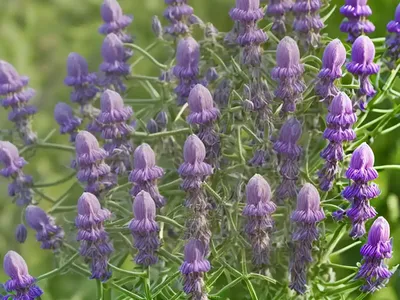
Phaseolus Coccineus ‘� Runner Beans)
Phaseolus coccineus, commonly known as the runner bean or scarlet runner bean, is a fascinating and versatile plant that has captured the attention of both.
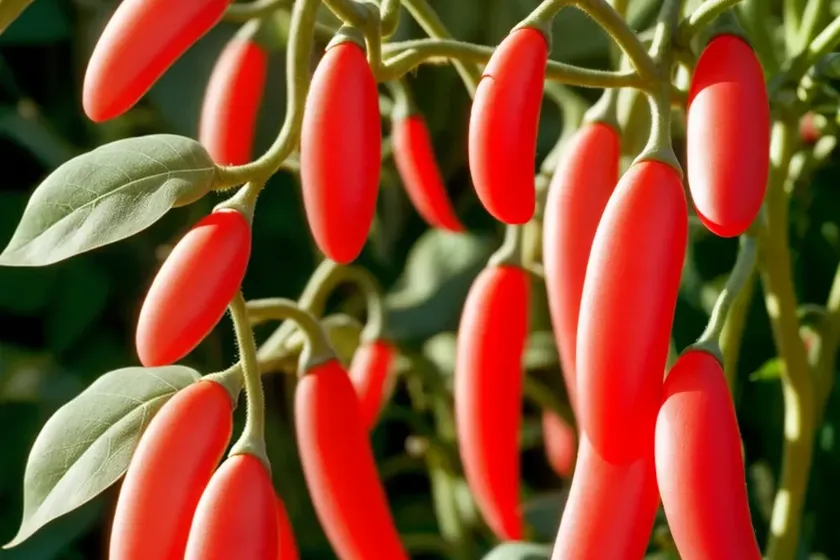
Phaseolus coccineus, commonly known as the runner bean or scarlet runner bean, is a fascinating and versatile plant that has captured the attention of both gardeners and plant enthusiasts alike. Its vibrant red flowers, vining habits, and delectable produce make it a favorite among horticulturists. In this comprehensive guide, we will delve into the enchanting realm of Phaseolus coccineus, exploring its culture, uses, care requirements, and much more.
What is Phaseolus coccineus ‘Runner Beans’?
Phaseolus coccineus, belonging to the Fabaceae family, is a herbaceous perennial plant known for its striking red flowers and vigorous growth. Originating from Central America, particularly Mexico, the runner bean has made its way into gardens and kitchens across the globe. The plant is valued for its ornamental beauty and its edible pods, making it a dual-purpose addition to any garden.
Key Takeaways – Phaseolus coccineus ‘Runner Beans’
Before we dive into the intricacies of nurturing the Phaseolus coccineus ‘Runner Beans’, here are some key takeaways that will guide us through this exploration:
- Phaseolus coccineus ‘Scarlet Runner Beans’
- Phaseolus coccineus ‘Runner Bean Cultivar’
- Phaseolus coccineus ‘Crimson Runner Bean’
- Phaseolus coccineus ‘Red Flowering Bean’
- Phaseolus coccineus ‘Vining Bean Variety’
We will discuss the culture, uses, water requirements, sunlight preferences, fertilization needs, soil considerations, pruning techniques, propagation methods, and container gardening for Phaseolus coccineus ‘Runner Beans’. Moreover, we will explore the plant’s popularity, common diseases, disease diagnosis, and common pests that affect it. Additionally, I will share some valuable botanist’s tips, interesting facts, and provide links to external resources for further information on this captivating plant.
Culture of Phaseolus coccineus ‘Runner Beans’
Understanding the culture or general growth habits of Phaseolus coccineus ‘Runner Beans’ is crucial in providing the optimal conditions for its development and yielding a bountiful harvest.
Uses
The Phaseolus coccineus ‘Runner Beans’ offers a multitude of uses, making it a highly versatile plant:
- Ornamental: The plant’s vibrant red flowers make it an ideal ornamental addition to gardens, attracting pollinators and adding aesthetic appeal to the landscape.
- Edible Pods: The young, tender pods of the runner bean are a delightful addition to culinary creations, adding flavor and nutrition to various dishes.
- Nitrogen Fixation: As a member of the legume family, Phaseolus coccineus has the remarkable ability to fix nitrogen in the soil, benefiting neighboring plants and enhancing soil fertility.
Water
Proper watering is essential for the healthy growth and development of Phaseolus coccineus ‘Runner Beans’. Here are some recommendations for watering the plant:
- Consistent Moisture: The runner bean thrives in consistently moist soil, especially during the flowering and pod development stages.
- Avoid Waterlogging: While the plant appreciates moisture, it is crucial to prevent waterlogging, which can lead to root rot and other detrimental conditions.
Sunlight
Sunlight is a key factor in the successful cultivation of Phaseolus coccineus ‘Runner Beans’. Understanding the plant’s sunlight requirements is vital for its well-being:
- Full Sun: The runner bean flourishes in full sunlight, requiring a minimum of 6-8 hours of direct sunlight for optimal growth and productivity.
- Partial Shade: In hotter climates, providing some afternoon shade can prevent excessive heat stress on the plant.
Fertilizer
To support the vigorous growth and prolific flowering of Phaseolus coccineus ‘Runner Beans’, appropriate fertilization is essential:
- Rich Soil: Plant the runner beans in nutrient-rich soil to provide a good foundation for growth. Incorporate well-rotted compost or aged manure into the soil before planting.
- Nitrogen Fixation: Limit the use of high-nitrogen fertilizers, as the plant’s ability to fix atmospheric nitrogen reduces the need for additional nitrogen supplementation.
Soil
The soil composition plays a crucial role in the overall health and productivity of Phaseolus coccineus ‘Runner Beans’:
- Well-Drained: Ensure that the soil is well-drained to prevent waterlogging, which can lead to root diseases and poor growth.
- pH Level: The ideal soil pH for runner beans ranges from 6.0 to 7.0, providing an optimal environment for nutrient uptake.
Pruning
Pruning is an essential practice in managing the growth and promoting productivity in Phaseolus coccineus ‘Runner Beans’:
- Vining Structure: As a vining plant, the runner bean benefits from regular pruning to control excess growth, improve air circulation, and facilitate harvesting.
- Deadheading: Removing spent flowers can encourage continuous blooming and prolong the plant’s ornamental display.
Propagation
Understanding the propagation methods for Phaseolus coccineus ‘Runner Beans’ allows for the expansion of plant populations and the preservation of desirable traits:
- Seed Propagation: The most common and reliable method for propagating runner beans is through seed sowing. Selecting high-quality, viable seeds is crucial for successful germination and healthy plant establishment.
- Direct Sowing: Runner beans are often directly sown in the garden after the danger of frost has passed, providing favorable conditions for rapid germination and growth.
Container Popularity
The popularity of growing Phaseolus coccineus ‘Runner Beans’ in containers has surged due to various factors, including limited space and the plant’s adaptability to container gardening:
- Space Considerations: The vining habit of the runner bean makes it an excellent candidate for vertical gardening in containers, optimizing space utilization in small gardens or urban settings.
- Ornamental Appeal: The attractive red flowers and lush foliage of the runner bean make it a decorative and functional addition to container gardens, patios, and balconies.
Container Common Diseases
While container gardening offers several benefits, it is essential to be mindful of common diseases that can affect Phaseolus coccineus ‘Runner Beans’ in containers:
- Root Rot: Overwatering and poor drainage in containers can lead to root rot, causing wilting, yellowing foliage, and stunted growth.
- Powdery Mildew: Limited airflow and high humidity in container environments can predispose the runner bean to powdery mildew, characterized by white, powdery patches on the leaves.
Disease Diagnosis
Diagnosing and addressing diseases in Phaseolus coccineus ‘Runner Beans’ is pivotal to preventing widespread damage and conserving plant health:
- Symptom Observation: Regularly inspect the plants for signs of discoloration, wilting, mold, or unusual growth patterns, as these can indicate underlying disease issues.
- Prompt Action: Upon detecting potential disease symptoms, promptly isolate affected plants, improve cultural practices, and consider targeted interventions to manage the issue.
Common Pests
Pests can pose a threat to the optimal growth and yield of Phaseolus coccineus ‘Runner Beans’. Recognizing common pests and their management is crucial for preserving the plant’s vigor:
- Aphids: These small, sap-sucking insects can infest the runner beans, causing distortion of new growth and the transmission of viral diseases.
- Bean Beetles: Bean beetles can defoliate the plants and compromise their overall health, particularly during the reproductive stage.
Botanist’s Tips
Drawing from botanical expertise and practical experience, consider the following tips for successful cultivation of Phaseolus coccineus ‘Runner Beans’:
- Companion Planting: Pair runner beans with companion plants such as marigolds, nasturtiums, and carrots to deter pests and enhance overall garden biodiversity.
- Mulching: Apply a layer of organic mulch around the base of the plants to conserve moisture, suppress weeds, and maintain optimal soil temperatures.
Fun Facts
Delving into the captivating realm of Phaseolus coccineus ‘Runner Beans’ unveils several intriguing and remarkable facts:
- Historical Significance: Runner beans have a rich history and have been cultivated for centuries, with their domestication dating back to ancient Mesoamerican civilizations.
- Pollinator Attraction: The vibrant red flowers of the runner bean serve as a magnet for pollinators, including bees, butterflies, and hummingbirds, contributing to garden biodiversity.
Links to External Resources
For further exploration and in-depth information on Phaseolus coccineus ‘Runner Beans’, consider the following external resources:
- Royal Horticultural Society – Phaseolus coccineus
- Missouri Botanical Garden – Scarlet Runner Bean
- University of Florida IFAS Extension – Runner Bean Production Guide
The remarkable Phaseolus coccineus ‘Runner Beans’ holds an esteemed place in the realm of horticulture, captivating enthusiasts with its ornamental allure and culinary potential. Embracing the art of cultivating and cherishing this exceptional plant enriches the world of gardening and elevates the diversity of edible and ornamental flora.
Exploring the nuanced care requirements, propagation techniques, and pest management strategies equips plant enthusiasts with the knowledge to nurture and appreciate Phaseolus coccineus ‘Runner Beans’ to their fullest potential. As we continue to cherish and cultivate these botanical treasures, we celebrate the fusion of beauty, sustainability, and gastronomic delight embodied by the runner bean.
In this comprehensive guide, we have explored the captivating realm of Phaseolus coccineus ‘Runner Beans’, unraveling the intrinsic details of its culture, uses, care requirements, and much more. From understanding its ornamental and culinary value to addressing common diseases and pests, this guide serves as a valuable resource for both novice and seasoned horticulturists.
As we embrace the enchanting allure of Phaseolus coccineus ‘Runner Beans’, may we continue to foster a deep appreciation for the resilient beauty and abundant gifts of the natural world, as embodied by this remarkable plant.
References:
1. Royal Horticultural Society. “Phaseolus coccineus”. https://www.rhs.org.uk/plants/197133/phaseolus-coccineus/details
2. Missouri Botanical Garden. “Scarlet Runner Bean”. https://www.missouribotanicalgarden.org/PlantFinder/PlantFinderDetails.aspx?kempercode=d684
3. University of Florida IFAS Extension. “Runner Bean Production Guide”. https://edis.ifas.ufl.edu/publication/cv234