Quercus imbricaria (Shingle Oak)
As a plant scientist, I am excited to delve into the fascinating world of Quercus imbricaria, also known as the Shingle Oak. This magnificent tree species holds a significant ecological and cultural importance, making it a subject of great interest to botanists, gardeners, and nature enthusiasts alike. In this comprehensive guide, we will explore the characteristics, uses, care tips, and ecological significance of Q. imbricaria, while also delving into aspects such as its native range, diseases, and propagation methods.
What is Quercus imbricaria?
Quercus imbricaria, commonly referred to as the Shingle Oak, is a deciduous tree belonging to the Fagaceae family. Native to North America, this species is renowned for its distinctive foliage, adaptable nature, and ecological contributions. The Shingle Oak typically thrives in diverse habitats, ranging from moist woodlands to urban landscapes, showcasing its remarkable versatility.
Quercus imbricaria Characteristics
The Shingle Oak is characterized by the following features:
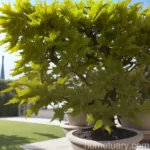
– Leaves: The leaves are simple, alternate, and deeply lobed with bristle-tipped lobes. They exhibit a glossy dark green color in the summer and transform into vibrant shades of yellow-brown in the fall.
– Bark: The bark of mature trees is dark gray and deeply furrowed, adding to the tree’s aesthetic appeal and providing essential protection.
– Habitat: Quercus imbricaria is most commonly found in rich, moist soils of lowlands, floodplains, and well-drained upland sites. It showcases a notable tolerance for urban conditions, making it a valuable urban tree species.
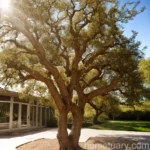
– Growth Habit: The Shingle Oak typically forms a rounded crown with a symmetrical and well-structured appearance, contributing to its desirability in landscaping and urban forestry.
Key Takeaways – Quercus imbricaria (Shingle Oak)
Culture
Quercus imbricaria is deeply ingrained in the cultural and ecological tapestry of its native regions. Recognized for its aesthetic appeal, adaptability, and ecological contributions, the Shingle Oak has become an integral component of various ecosystems and urban landscapes.
Uses
The Shingle Oak serves a myriad of practical and ecological purposes, including its utilization in landscaping, timber production, and its role in supporting diverse wildlife.
Water
Understanding the water requirements of Quercus imbricaria is crucial for ensuring its optimal growth and health. This species demonstrates a moderate tolerance to both drought conditions and periodic flooding, reflecting its adaptable nature.
Sunlight
As a sun-loving tree species, the Shingle Oak thrives in full sunlight, though it also exhibits a commendable tolerance for partial shade. This adaptability contributes to its versatility in various landscape settings.
Fertilizer
Fertilization practices play a key role in enhancing the growth and vigor of Quercus imbricaria, particularly in nutrient-deficient soils or urban environments.
Soil
The preferred soil conditions for Shingle Oaks encompass a well-drained, fertile substrate with a preference for slightly acidic to neutral pH levels. Understanding soil requirements is crucial for successful cultivation.
Pruning
Pruning is an essential aspect of managing the Shingle Oak’s growth and promoting its structural integrity. By adhering to proper pruning techniques, individuals can enhance the health and aesthetics of these trees.
Propagation
Exploring the propagation techniques for Quercus imbricaria is instrumental for those seeking to propagate this species for ecological restoration, landscaping, or research purposes.
Container Popularity
The feasibility of growing Quercus imbricaria in containers opens up new possibilities for urban greening, horticultural displays, and research endeavors, showcasing its adaptability to confined spaces.
Container Common Diseases
Understanding the common diseases that may affect container-grown Shingle Oaks is crucial for implementing proactive management strategies and maintaining the health of these trees.
Disease Diagnosis
Recognizing and diagnosing diseases that can afflict Quercus imbricaria is imperative for preserving the vitality and ecological contributions of this esteemed tree species.
Common Pests
Identifying and managing common pests that can impact the health and longevity of Shingle Oaks is vital for promoting their resilience in diverse environments.
Botanist’s Tips
Insights from botanists and plant scientists can offer invaluable guidance on the cultivation, conservation, and ecological significance of Quercus imbricaria, providing a holistic perspective on this species.
Fun Facts
Delving into the captivating and lesser-known aspects of Quercus imbricaria’s biology, cultural significance, and ecological roles can enrich our appreciation for this remarkable tree species.
Links to External Resources
Referencing authoritative external resources can enrich our understanding of Quercus imbricaria, offering valuable insights from research, conservation efforts, and horticultural practices.
Now, let’s delve into the specific details of each of these aspects, shedding light on the diverse dimensions of this captivating tree species.
Quercus imbricaria (Shingle Oak) in Detail
Quercus imbricaria Characteristics
Shingle Oak Tree
- Quercus imbricaria Facts:
- The Shingle Oak is an esteemed native tree species in North America, valued for its ornamental qualities, ecological contributions, and timber value.
- Shingle Oak Leaves:
- The leaves of Quercus imbricaria are renowned for their deep lobes and glossy, dark green appearance in the summer, transitioning to warm hues of yellow and brown in the fall.
- Quercus imbricaria Growth Habit:
- The Shingle Oak typically forms a symmetrical, rounded crown, contributing to its aesthetic appeal and suitability for landscaping.
- Shingle Oak Habitat:
- Quercus imbricaria demonstrates a notable adaptability to diverse habitats, including moist woodlands, floodplains, and urban settings, underscoring its ecological versatility.
Quercus imbricaria Uses
Quercus imbricaria Uses
- Shingle Oak Planting Tips:
- The successful cultivation and establishment of Shingle Oaks are supported by adherence to appropriate planting techniques, site selection, and care practices.
- Quercus imbricaria Care:
- Understanding the fundamental care requirements for Quercus imbricaria is pivotal for ensuring its health, longevity, and aesthetic appeal in diverse settings.
- Shingle Oak Tree Varieties:
- Exploring the diverse varieties and cultivars of Quercus imbricaria offers insights into the adaptability and aesthetic diversity within this species.
Quercus imbricaria Ecology and Management
Shingle Oak Diseases and Pests
- Quercus imbricaria Diseases:
- Identifying and understanding the diseases that affect Quercus imbricaria is essential for implementing effective management strategies and preserving the health of these trees.
- Shingle Oak Tree Identification:
- Accurately identifying Shingle Oaks within their native range and cultivated landscapes is instrumental for conservation, research, and horticultural purposes.
- Quercus imbricaria Leaf Shape:
- The unique leaf morphology of Quercus imbricaria contributes to its distinctiveness and recognition within natural and urban environments.
- Shingle Oak Tree Benefits:
- Recognizing the diverse ecological contributions and practical benefits of Shingle Oaks highlights their significance in forestry, conservation, and urban greening efforts.
- Quercus imbricaria Ecological Importance:
- The ecological role of Quercus imbricaria encompasses its contributions to wildlife habitat, soil stabilization, and overall ecosystem health.
Quercus imbricaria: Planting and Maintenance
Shingle Oak Maintenance
- Quercus imbricaria Pruning:
- Adopting proper pruning practices is crucial for promoting the structural integrity, aesthetics, and health of Shingle Oaks in diverse landscape settings.
- Shingle Oak Medicinal Uses:
- Exploring the potential medicinal uses and ethnobotanical significance of Quercus imbricaria offers insights into its historical and cultural relevance.
- Quercus imbricaria Wildlife Interactions:
- The interactions between Quercus imbricaria and wildlife species underscore its ecological importance and support for diverse animal communities.
Quercus imbricaria: Landscape and Environmental Significance
Shingle Oak Landscape Design
- Shingle Oak Tree Planting Guide:
- Providing comprehensive guidelines for planting Shingle Oaks enables individuals and organizations to support the successful establishment of this species in diverse settings.
- Quercus imbricaria Tree Benefits:
- Understanding the diverse benefits of Quercus imbricaria within landscape design, urban forestry, and ecological restoration enhances its value in diverse contexts.
- Shingle Oak Tree Ecosystem Role:
- The role of Shingle Oaks within ecosystems encompasses their contributions to biodiversity, soil health, and overall ecosystem resilience.
Quercus imbricaria: Unique Aspects and Management Considerations
Shingle Oak Tree Diseases and Pests
- Quercus imbricaria Common Names:
- Exploring the diverse common names associated with Quercus imbricaria sheds light on its cultural significance and regional connections.
- Shingle Oak Tree Lifespan:
- Understanding the lifespan and longevity of Shingle Oaks is instrumental for their sustainable management and conservation within natural and urban environments.
- Quercus imbricaria Native Range:
- Exploring the native range of Quercus imbricaria provides insights into its adaptability, genetic diversity, and conservation priorities.
- Shingle Oak Tree Pruning:
- Proper pruning practices for Shingle Oaks contribute to their long-term health, aesthetics, and structural integrity within diverse landscape settings.
- Quercus imbricaria Bark:
- The distinct bark characteristics of Quercus imbricaria contribute to its recognition and aesthetic appeal within natural and urban environments.
Quercus imbricaria: Ecological Significance and Utilization
Shingle Oak Environmental Benefits
- Shingle Oak Tree Medicinal Uses:
- Exploring the potential medicinal uses of Quercus imbricaria provides insights into its ethnobotanical significance and historical utilization by Indigenous peoples.
- Quercus imbricaria Wildlife Interactions:
- The interactions between Quercus imbricaria and wildlife species underscore its ecological importance and its support for diverse animal communities.
- Shingle Oak Tree Wood Properties:
- Understanding the wood properties and timber value of Quercus imbricaria is essential for sustainable forestry practices and utilization in woodworking.
Quercus imbricaria: Landscape and Urban Forestry
Shingle Oak Tree Planting Guide
- Quercus imbricaria Tree Planting Guide:
- Providing comprehensive guidelines for planting Shingle Oaks enables individuals and organizations to support the successful establishment of this species in diverse settings.
- Shingle Oak Tree Landscape Uses:
- The use of Quercus imbricaria within landscape design and urban forestry enriches the aesthetic and ecological qualities of diverse environments.
Quercus imbricaria: Conservation and Biodiversity
Shingle Oak Tree Benefits
- Quercus imbricaria Tree Benefits:
- Understanding the diverse ecological and practical benefits of Quercus imbricaria highlights its significance in forestry, conservation, and urban greening efforts.
- Shingle Oak Tree Ecosystem Role:
- The role of Shingle Oaks within ecosystems encompasses their contributions to biodiversity, soil health, and overall ecosystem resilience.
Quercus imbricaria: Botanical Insights and Management
Shingle Oak Tree Species
- Quercus imbricaria Tree Symbolism:
- Understanding the cultural and symbolic significance of Quercus imbricaria enriches our appreciation for its role in art, literature, and regional identity.
- Shingle Oak Tree Climate Requirements:
- Exploring the climate preferences of Quercus imbricaria offers insights into its adaptability, range expansion potential, and conservation considerations.
- Quercus imbricaria Tree Functions:
- The diverse ecological functions of Quercus imbricaria underscore its ecological significance within natural and urban ecosystems.
Quercus imbricaria: Ecological Services and Utilization
Shingle Oak Tree Canopy
- Shingle Oak Tree Wood Quality:
- Understanding the wood quality and utilization potential of Quercus imbricaria contributes to sustainable forestry practices and woodworking applications.
- Quercus imbricaria Tree Diseases and Pests:
- Recognizing and managing diseases and pests that can affect Quercus imbricaria is vital for promoting their resilience in diverse environments.
- Shingle Oak Tree Fall Colors:
- The vibrant fall colors of Shingle Oaks add to their aesthetic appeal and showcase their seasonal beauty within diverse landscapes.
Quercus imbricaria: Growth and Adaptation
Shingle Oak Tree Growth Rate
- Quercus imbricaria Tree Growth Rate:
- Understanding the growth rate of Quercus imbricaria provides insights into its resilience, adaptability, and potential for long-term ecosystem contributions.
- Shingle Oak Tree Root System:
- Exploring the root system of Shingle Oaks contributes to their successful establishment, landscape management, and overall ecological contributions.
- Quercus imbricaria Tree Adaptations:
- The diverse adaptations of Quercus imbricaria underscore its resilience, versatility, and suitability for diverse ecological niches.
Quercus imbricaria: Urban Forestry and Greening
Shingle Oak Tree Shade Tolerance
- Shingle Oak Tree Adaptations:
- The diverse adaptations of Quercus imbricaria underscore its resilience, versatility, and suitability for diverse ecological niches.
- Quercus imbricaria Tree Leaf Arrangement:
- Exploring the unique leaf arrangement of Quercus imbricaria contributes to its recognition and ecological significance within natural and urban ecosystems.
- Shingle Oak Tree Environmental Benefits:
- Understanding the diverse environmental benefits of Quercus imbricaria enriches our appreciation for its contributions to urban greening and ecological restoration.
Quercus imbricaria: Forestry and Utilization
Shingle Oak Tree Timber Uses
- Quercus imbricaria Timber Uses:
- Exploring the various timber uses of Quercus imbricaria provides insights into its commercial value, woodworking potential, and sustainability considerations.
- Shingle Oak Tree Seed Germination:
- Understanding the seed germination process of Shingle Oaks is instrumental for supporting their natural regeneration and sustainable management.
- Quercus imbricaria Tree Flower Characteristics:
- Exploring the flower characteristics of Quercus imbricaria contributes to our understanding of its reproductive biology and ecological interactions.
Quercus imbricaria: Habitat and Eco-System Support
Shingle Oak Tree Landscape Uses
- Shingle Oak Tree Landscape Uses:
- The use of Quercus imbricaria within landscape design and urban forestry enriches the aesthetic and ecological qualities of diverse environments.
- Quercus imbricaria Tree Genetic Diversity:
- Understanding the genetic diversity of Quercus imbricaria contributes to its conservation, adaptability, and long-term ecological resilience.
- Shingle Oak Tree Urban Planting:
- The suitability of Quercus imbricaria for urban planting enhances its value in urban greening efforts, sustainable landscaping, and ecological restoration.
Conclusion
Quercus imbricaria, or the Shingle Oak, stands as a remarkable tree species that embodies resilience, ecological significance, and aesthetic appeal. From its adaptable nature to its diverse ecological interactions, this tree holds a cherished place within natural and urban landscapes. As we continue to explore, conserve, and utilize Quercus imbricaria, let us celebrate and embrace the multifaceted contributions of this remarkable species in shaping our environments, cultures, and ecological legacies.