Quercus Macrocarpa (Bur Oak) – A Comprehensive Guide
Quercus macrocarpa, commonly known as Bur Oak, is a magnificent tree that is native to North America. This majestic species is known for its resilience and adaptability, making it a popular choice for landscaping, wildlife habitat, and ecological restoration. In this comprehensive guide, we will delve into the various aspects of Quercus macrocarpa, including its cultural requirements, uses, common diseases, pests, and fascinating facts.
What is Quercus macrocarpa (Bur Oak)?
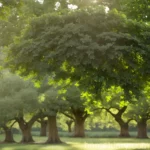
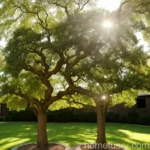
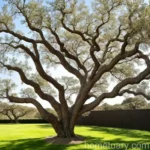
Quercus macrocarpa is a species of oak tree belonging to the Fagaceae family. This deciduous tree is renowned for its massive size, with some specimens reaching heights of up to 100 feet. The Bur Oak is characterized by its broad, spreading crown and deeply lobed, glossy green leaves, which turn a stunning shade of yellow in the fall.
Key Takeaways – Quercus macrocarpa (Bur Oak)
Before we delve into the specific cultural requirements and characteristics of the Bur Oak, let’s take a look at the key takeaways associated with this remarkable tree:
- Common Name: Bur Oak tree
- Scientific Name: Quercus macrocarpa
- Family: Fagaceae
- Type: Deciduous tree
- Size: Up to 100 feet in height
- Leaves: Deeply lobed, glossy green, turning yellow in the fall
Now that we have a general overview of Quercus macrocarpa, it’s time to explore the specifics of its culture, uses, and maintenance requirements.
Culture
Water
Quercus macrocarpa is known for its drought tolerance once established, making it suitable for planting in areas with limited water availability. However, during the tree’s establishment phase, regular watering is essential to facilitate root development and overall growth.
watering benefits
proper watering
Sunlight
Bur Oak trees thrive in full sun to partial shade. They require at least 6 hours of direct sunlight per day to support healthy growth and development. Adequate sunlight exposure also contributes to the tree’s ability to produce an abundance of acorns, which are an important food source for wildlife.
light importance
plentiful sunlight
Fertilizer
While Bur Oak trees are relatively low-maintenance, they can benefit from occasional fertilization to support their overall health and vigor. It’s advisable to use a balanced, slow-release fertilizer formulated for woody plants. Fertilization is usually carried out in the early spring or late fall, avoiding the peak of summer heat.
fertilizer benefits
support tree health
Soil
Quercus macrocarpa thrives in a variety of soil types, including loamy, well-draining soils. However, it’s important to avoid waterlogged or excessively compacted soils, as they can impede the tree’s growth and lead to root rot. Prior to planting, a soil test can provide valuable insights into the soil’s pH and nutrient levels, allowing for any necessary amendments to be made.
soil types
well-draining soils
Pruning
Pruning is generally minimal for Bur Oak trees, as they develop a strong and well-structured framework with age. However, occasional pruning may be necessary to remove dead or diseased branches, improve overall tree form, or to raise the canopy to clear obstacles. It’s important to utilize proper pruning techniques to avoid causing damage to the tree.
pruning tips
minimal pruning
Uses
Ornamental Value
Quercus macrocarpa is highly esteemed for its ornamental value in landscapes and urban environments. The tree’s majestic silhouette, impressive size, and attractive foliage make it a sought-after choice for parks, large gardens, and along streets.
ornamental importance
landscape appeal
Wildlife Habitat
The Bur Oak plays a crucial role in providing habitat and food for various wildlife species. The tree’s acorns are a valuable food source for birds, squirrels, and other small mammals, contributing to the ecological diversity of the surrounding environment.
wildlife benefits
ecological diversity
Environmental Benefits
Beyond its aesthetic appeal, the Bur Oak offers numerous environmental benefits, including carbon sequestration, soil stabilization, and shade provision. Its extensive root system also contributes to soil aeration and erosion control.
environmental contributions
carbon sequestration
Propagation
Bur Oak trees can be propagated through both seed and vegetative methods. Seed propagation involves collecting acorns in the fall, treating them to break their dormancy, and planting them in a suitable location.
Seed Propagation
- Collect mature acorns from healthy Bur Oak trees.
- Remove the acorns from their caps and place them in a container of water.
- Discard any acorns that float, as they are not viable for planting.
- Store the remaining acorns in a cool, moist environment until the following spring.
- Plant the acorns in prepared soil, ensuring they are covered to a depth equal to their diameter.
Vegetative Propagation
Vegetative propagation involves the use of cuttings or grafting to create new trees with identical genetic characteristics to the parent plant. While this method is less commonly used for Bur Oak trees, it allows for the production of genetically identical clones.
Container Popularity
While Bur Oak trees are typically planted in open landscapes due to their large size, container planting offers a viable alternative for individuals with limited outdoor space. When selecting a container for a Bur Oak, it’s crucial to choose a sizeable, sturdy pot that can accommodate the tree’s extensive root system.
Container Care
- Ensure the container has drainage holes to prevent waterlogging.
- Use a high-quality potting mix that provides adequate aeration and drainage.
- Regularly monitor the soil moisture levels to ensure the tree’s hydration needs are met.
- Provide the tree with ample sunlight by placing the container in a sunny location.
Common Diseases
Anthracnose
Anthracnose is a fungal disease that can affect Quercus macrocarpa, causing irregularly shaped lesions on the leaves and leading to premature defoliation. The use of fungicidal treatments and proper sanitation measures can help manage and prevent the spread of anthracnose.
Oak Wilt
Oak wilt is a serious vascular disease that affects various oak species, including Bur Oak. It is caused by the fungus Bretziella fagacearum and can result in rapid tree decline and mortality. Prompt identification and implementation of preventative measures are crucial for managing oak wilt.
Heart Rot
Heart rot, caused by various wood-decay fungi, can impact the structural integrity of Bur Oak trees, leading to the development of hollow cavities and increased susceptibility to wind damage. Regular inspections and prompt management of infected trees are essential for mitigating the effects of heart rot.
Disease Diagnosis
Diagnosing diseases in Bur Oak trees requires a combination of visual assessment, symptom identification, and potential laboratory analysis. By closely inspecting the tree’s foliage, bark, and overall appearance, as well as considering environmental factors and history, arborists and plant pathologists can make informed diagnoses.
Common Pests
Gypsy Moth
The gypsy moth (Lymantria dispar) is a notorious defoliating pest that can impact Bur Oak trees, particularly during outbreaks. The caterpillars feed voraciously on the tree’s leaves, potentially leading to reduced photosynthetic capacity and overall tree vigor.
Two-Lined Chestnut Borer
The two-lined chestnut borer (Agrilus bilineatus) is a destructive wood-boring beetle that targets weakened or stressed oak trees. Infestations can result in the development of extensive galleries beneath the tree’s bark, disrupting nutrient and water transport mechanisms.
Botanist’s Tips
1. Regular Monitoring
Frequent monitoring of Bur Oak trees is essential for detecting any signs of pest infestation, diseases, or environmental stress. Early intervention can significantly improve the tree’s chances of recovery and long-term health.
2. Corrective Pruning
Engage in corrective pruning to address any structural irregularities or defects in young Bur Oak trees, promoting a robust and balanced canopy development.
3. Holistic Tree Care
Adopt a holistic approach to tree care, encompassing proper watering, soil management, and integrated pest management strategies to support the overall well-being of Bur Oak trees.
Fun Facts
- The Bur Oak is named for the distinctive, corky bur-like structures that adorn its acorns.
- Bur Oak wood is valued for its strength and durability, making it suitable for various woodworking applications.
- Mature Bur Oak trees can support an array of epiphytic plant species, such as lichens and mosses, on their branches and trunks.
Now that we’ve explored the diverse facets of Quercus macrocarpa, it’s clear that this species holds immense ecological, aesthetic, and cultural significance. By understanding and appreciating its unique characteristics, uses, and requirements, we can foster a deeper connection with the natural world and contribute to the preservation of this remarkable tree.
Links to External Resources
For further information on Quercus macrocarpa and related topics, I encourage you to explore the following resources:
- USDA Plants Database – Quercus macrocarpa
- Arbor Day Foundation – Bur Oak
- Missouri Botanical Garden – Quercus macrocarpa
- The Morton Arboretum – Bur Oak
I hope this guide has enriched your knowledge of Quercus macrocarpa and inspired a deeper appreciation for the diversity and beauty of the natural world. Happy planting!
Through this comprehensive guide, we have truly delved into the world of Quercus macrocarpa, uncovering its cultural needs, uses, and fascinating attributes. Whether in urban landscapes or natural habitats, the Bur Oak stands as a testament to the resiliency and splendor of native tree species.