Pennisetum Setaceum ‘Fireworks’ (Purple Fountain Grass)
Pennisetum setaceum ‘Fireworks,’ commonly known as Purple Fountain Grass, is a popular ornamental grass known for its striking foliage. This perennial.
What is Pennisetum setaceum ‘Fireworks’?
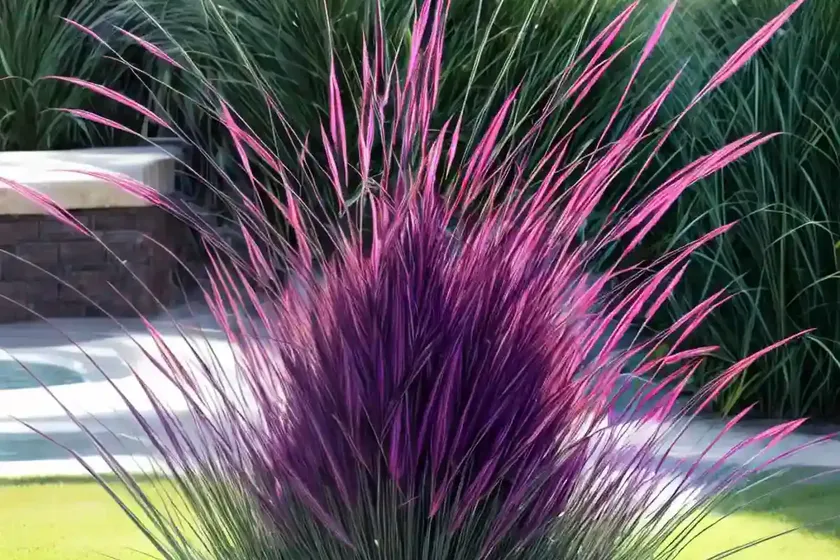
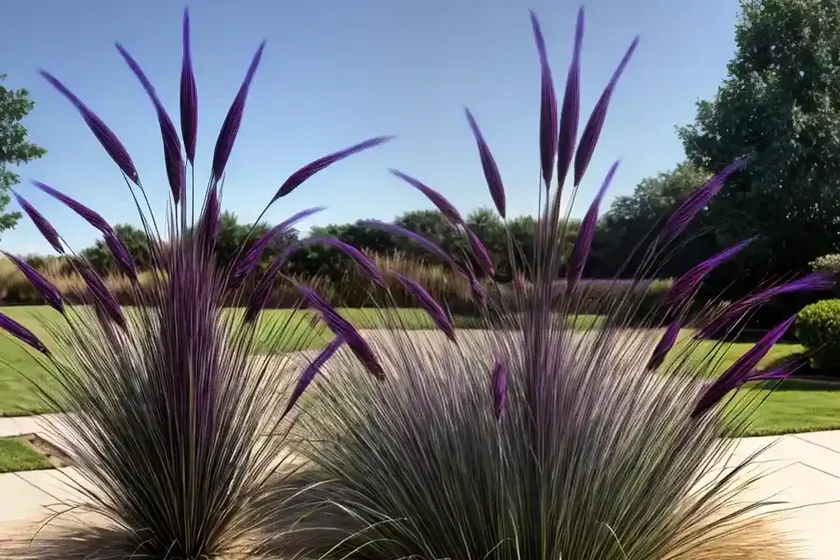
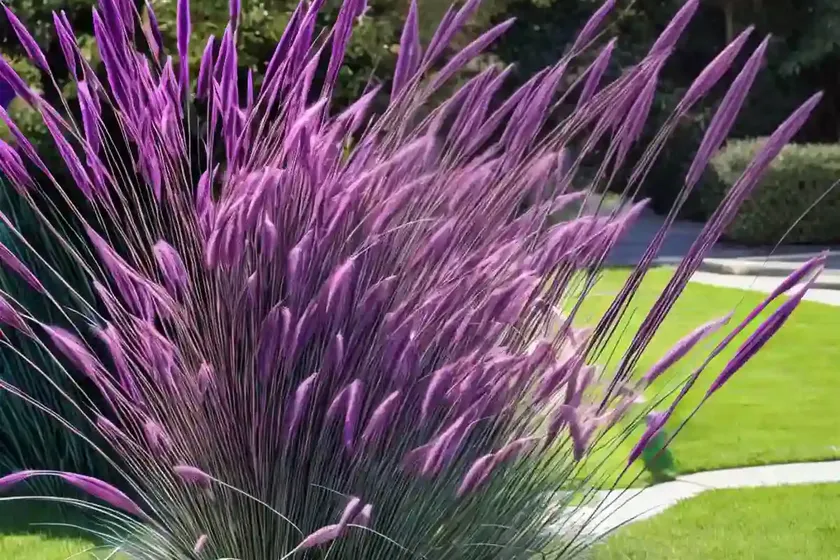
Pennisetum setaceum ‘Fireworks,’ commonly known as Purple Fountain Grass, is a popular ornamental grass known for its striking foliage. This perennial grass belongs to the Poaceae family and is native to tropical and subtropical regions of Africa, the Middle East, and Southwest Asia. With its attractive reddish-purple foliage that gracefully arches and sways in the wind, ‘Fireworks’ has become a favorite among gardeners and landscapers.
The unique color and texture of its foliage make ‘Fireworks’ a versatile plant that can be used in a variety of landscaping projects. Whether used as a standalone feature, a border plant, or in container gardens, Purple Fountain Grass adds a touch of elegance and drama to any outdoor space.
In this comprehensive guide, we will delve into the cultivation, care, and uses of Pennisetum setaceum ‘Fireworks,’ exploring its cultural requirements, propagation methods, common diseases, and maintenance tips. Additionally, we’ll uncover interesting facts and provide valuable insights into the characteristics and benefits of this captivating ornamental grass.
Key Takeaways
Before we embark on our journey to explore the intricacies of caring for Purple Fountain Grass, let’s summarize the key takeaways of this comprehensive guide:
- Understanding the cultural requirements of Pennisetum setaceum ‘Fireworks’ is essential for successful cultivation.
- ‘Fireworks’ thrives in well-drained soil and requires adequate sunlight for optimal growth.
- Proper watering and fertilization are crucial for maintaining the health and vigor of Purple Fountain Grass.
- Regular pruning and maintenance help enhance the aesthetic appeal of ‘Fireworks’ and prevent overgrowth.
- Propagation methods such as division and seed sowing offer opportunities to expand your Purple Fountain Grass collection.
- Container gardening presents a versatile and creative way to showcase Pennisetum setaceum ‘Fireworks’ in various outdoor settings.
- Despite its resilience, Purple Fountain Grass is susceptible to certain diseases and pests, requiring vigilance and preventive measures.
- Incorporating ‘Fireworks’ into landscaping projects offers opportunities for creative expression and environmental benefits.
Now, let’s embark on our journey to delve deeper into the world of Pennisetum setaceum ‘Fireworks’ and unlock the secrets to successfully cultivating and caring for this stunning ornamental grass.
Culture
Water
One of the critical aspects of caring for Pennisetum setaceum ‘Fireworks’ is ensuring proper watering practices. While Purple Fountain Grass is known for its tolerance to drought and heat, consistent moisture is essential for its overall health and vitality, particularly during the establishment phase and hot, dry periods.
When establishing ‘Fireworks’ or during prolonged dry spells, it’s important to water the plant deeply to encourage robust root development. However, it’s equally important to allow the soil to dry out partially between waterings to prevent waterlogged conditions, which can lead to root rot.
In regions with regular rainfall, Purple Fountain Grass may require minimal supplemental watering, especially once it’s well-established. Monitoring the soil moisture and adjusting the watering frequency based on seasonal variations and weather patterns is crucial for promoting the longevity and lushness of ‘Fireworks.’
Sunlight
As a sun-loving ornamental grass, Pennisetum setaceum ‘Fireworks’ thrives in full sunlight and requires a minimum of 6-8 hours of direct sunlight per day for optimal growth and vibrant foliage coloration. When selecting a planting site for ‘Fireworks,’ it’s essential to choose a location that receives ample sunlight and provides the necessary warmth for the plant to flourish.
Insufficient sunlight can result in leggy growth and a diminished display of the characteristic reddish-purple hues that make ‘Fireworks’ a standout feature in the landscape. Therefore, positioning Purple Fountain Grass in a sun-drenched area will ensure that it remains healthy, vigorous, and visually captivating throughout the growing season.
Fertilizer
Proper fertilization plays a crucial role in sustaining the vigor and coloration of Pennisetum setaceum ‘Fireworks.’ Providing essential nutrients to the soil helps support robust growth and vibrant foliage, resulting in a more stunning visual impact.
When fertilizing ‘Fireworks,’ it’s advisable to use a balanced, slow-release fertilizer formulated for ornamental grasses. Applying fertilizer in early spring as new growth emerges can promote healthy development and contribute to the overall beauty of the plant. Additionally, a supplemental application of fertilizer in midsummer can provide a boost of nutrients to sustain ‘Fireworks’ through the remainder of the growing season.
It’s important to follow the manufacturer’s recommendations and avoid over-fertilizing, as excessive nitrogen can lead to excessive foliage growth at the expense of vibrant coloration. By adopting a balanced fertilization regimen, you can help your Purple Fountain Grass thrive and maintain its stunning visual appeal.
Soil
The selection of well-drained soil is pivotal to the success of Pennisetum setaceum ‘Fireworks.’ This ornamental grass prefers soil that is fertile, loamy, and capable of retaining adequate moisture without becoming waterlogged. Amending the soil with organic matter such as compost or well-rotted manure can enhance its fertility and drainage, creating an ideal growing medium for ‘Fireworks.’
Incorporating organic material into the soil not only improves its structure and moisture retention but also provides essential nutrients that support the growth and vitality of Purple Fountain Grass. Prior to planting or transplanting ‘Fireworks,’ preparing the soil by amending it with compost or organic matter can set the stage for healthy establishment and sustained growth.
The pH level of the soil also plays a crucial role in the cultivation of ‘Fireworks.’ This ornamental grass thrives in slightly acidic to neutral soil, with a pH range of 6.0 to 7.0 being optimal for its growth and development. Conducting a soil test and adjusting the pH as needed can create an ideal environment for Purple Fountain Grass to flourish.
Pruning
Pruning is an essential aspect of caring for Pennisetum setaceum ‘Fireworks’ and plays a vital role in maintaining its aesthetic appeal, controlling its size, and promoting new growth. Regular pruning helps prevent the plant from becoming overly dense and encourages the emergence of fresh foliage, ensuring that ‘Fireworks’ remains visually striking and well-proportioned.
When pruning Purple Fountain Grass, it’s advisable to perform the following steps:
-
Spring Maintenance: In late winter to early spring, remove any dead or damaged foliage from the previous year to make way for new growth. Utilize sharp, clean pruners to trim back the dead portions of the plant, being mindful not to cut into the healthy green growth emerging from the base.
-
Annual Trimming: As Purple Fountain Grass enters its active growth phase in spring, consider trimming the entire plant to a height of 6-8 inches. This practice helps stimulate vigorous new growth and promotes a more compact, lush habit.
-
Maintenance Pruning: Throughout the growing season, inspect ‘Fireworks’ for any spent or unsightly foliage and remove it as needed. By snipping away faded or damaged leaves, you can maintain the plant’s visual allure and prevent the accumulation of decaying material within the canopy.
-
Late Season Tidying: In late autumn, as Purple Fountain Grass begins to enter dormancy, consider trimming back the foliage to a height of 4-6 inches. This will help prevent the accumulation of heavy, snow-laden foliage in colder regions and prepare ‘Fireworks’ for the onset of winter.
By adhering to a regular pruning regimen, you can help maintain the health and appearance of Pennisetum setaceum ‘Fireworks’ while fostering a neat, vibrant display of foliage throughout the growing season.
Propagation
The propagation of Pennisetum setaceum ‘Fireworks’ offers an opportunity to expand your collection of this captivating ornamental grass. Whether through division or seed sowing, propagating ‘Fireworks’ can be a rewarding endeavor that allows you to share the beauty of this plant with others and integrate it into new garden areas.
Division
Dividing established clumps of Purple Fountain Grass is a reliable method of propagation that can rejuvenate the plant and create new individuals. Dividing ‘Fireworks’ is typically done in early spring before new growth emerges, enabling the divided portions to establish themselves and commence growth in the coming season.
To divide Pennisetum setaceum ‘Fireworks,’ follow these steps:
-
Preparing the Plant: Using a sharp spade or garden knife, carefully dig around the outer perimeter of the plant to loosen the soil and expose the root system. Gently lift the entire clump from the ground, being mindful to preserve as much of the root mass as possible.
-
Division Process: With the clump lifted, inspect the root system for natural points of division, such as distinct sections with their own emerging growth points. Using a clean, sharp tool, carefully divide the clump into smaller sections, ensuring that each portion possesses adequate roots and foliage for sustained growth.
-
Replanting: Once divided, transplant the individual sections of ‘Fireworks’ into prepared planting holes in the desired location. Water the newly divided plants thoroughly to promote root establishment and reduce transplant shock.
Dividing Pennisetum setaceum ‘Fireworks’ at the appropriate time and with care can yield new, healthy plants while revitalizing the original specimen for continued growth and beauty.
Seed Sowing
Germinating Purple Fountain Grass from seed presents an alternative propagation method that can be both rewarding and cost-effective. Sowing ‘Fireworks’ seeds indoors or directly in the garden can yield new plants that inherit the distinct characteristics of the parent plant, providing an exciting opportunity to expand your collection of this striking ornamental grass.
To sow Pennisetum setaceum ‘Fireworks’ seeds, consider the following steps:
-
Seed Collection: Collect mature seeds from the existing seed heads of ‘Fireworks,’ ensuring that the seeds are fully developed and dry. Store the seeds in a cool, dry location until you are ready to sow them.
-
Indoor Sowing: Prior to the last frost date, sow ‘Fireworks’ seeds in containers filled with a well-draining seed-starting mix. Place the containers in a warm, bright location and maintain consistent moisture until the seeds germinate.
-
Outdoor Sowing: In regions with a longer growing season, ‘Fireworks’ seeds can be sown directly into the garden during the spring or early summer. Prepare a seedbed by loosening the soil and creating furrows for sowing the seeds. Cover the seeds lightly with soil and keep the area consistently moist until germination occurs.
-
Seedling Care: Once the seeds have germinated, provide adequate sunlight and water to the seedlings to support their early growth. Thin out overcrowded seedlings as needed to ensure proper spacing and encourage robust development.
By utilizing division and seed sowing as propagation methods, you can expand your collection of Pennisetum setaceum ‘Fireworks’ while preserving its distinctive traits and sharing its beauty with others.
Container Popularity
The use of containers to showcase Pennisetum setaceum ‘Fireworks’ offers a versatile and creative approach to incorporating this stunning ornamental grass into a variety of outdoor settings. Whether used on patios, balconies, or within garden beds, ‘Fireworks’ thrives in containers and provides a visually captivating focal point that can be easily customized to suit different design themes and preferences.
Container Selection
When selecting containers for planting Purple Fountain Grass, consider choosing pots or planters that provide adequate space for the plant’s root system to expand and thrive. Additionally, opt for containers with drainage holes to ensure proper moisture management and prevent waterlogging, which can be detrimental to the health of ‘Fireworks.’
The choice of container material can also impact the aesthetic and functional aspects of displaying ‘Fireworks.’ While terracotta and ceramic pots offer a classic, timeless appeal, lightweight and durable options such as fiberglass and resin containers provide practical advantages for moving and arranging ‘Fireworks’ in various outdoor settings.
Design Ideas
Incorporating Pennisetum setaceum ‘Fireworks’ into container gardens presents endless possibilities for creative expression and design innovation. Whether used as a standalone feature or combined with complementary plants and ornamental elements, ‘Fireworks’ adds a dynamic element to container arrangements and elevates the visual allure of outdoor spaces.
Here are some design ideas for incorporating ‘Fireworks’ in containers:
-
Thriller in Thriller-Filler-Spiller Arrangements: Use ‘Fireworks’ as the “thriller” element in container arrangements, pairing it with complementary “filler” and “spiller” plants to create visually captivating compositions that provide depth and texture.
-
Solo Showcase: Showcase a single specimen of ‘Fireworks’ in a large, decorative container to create a stunning focal point on a patio, deck, or within a garden bed. The bold foliage and graceful habit of ‘Fireworks’ make it an ideal candidate for creating eye-catching standalone displays.
-
Seasonal Combinations: Pair ‘Fireworks’ with seasonal annuals or perennials to create ever-evolving container displays that transition with the changing seasons. Combining ‘Fireworks’ with colorful flowering plants and foliage accents adds versatility and visual interest to container arrangements.
By embracing the versatility of containers, you can harness the beauty and adaptability of Pennisetum setaceum ‘Fireworks’ to create captivating displays that enhance outdoor living spaces and express your unique style and creativity.
Common Diseases
While Pennisetum setaceum ‘Fireworks’ is generally resilient and low-maintenance, it is susceptible to certain diseases and pests that can impact its health and appearance. Understanding the common diseases that affect ‘Fireworks’ and adopting preventive measures are essential for safeguarding the well-being of this ornamental grass.
Some of the common diseases that may affect Pennisetum setaceum ‘Fireworks’ include:
-
Fungal Diseases: Diseases such as leaf spot and rust can impact the foliage of ‘Fireworks,’ resulting in the development of discolored spots or rust-colored pustules on the leaves. Maintaining proper airflow and avoiding overhead watering can help minimize the risk of fungal diseases.
-
Root Rot: Overly wet or waterlogged soil can lead to root rot, causing the roots of ‘Fireworks’ to decay and compromise the plant’s overall health. Ensuring well-drained soil and exercising caution with watering practices can help prevent root rot.
-
Powdery Mildew: In conditions of high humidity and poor air circulation, ‘Fireworks’ may be susceptible to powdery mildew, which manifests as a powdery white substance on the leaves. Pruning to improve airflow and avoiding overhead watering can help mitigate powdery mildew.
-
Bacterial Diseases: Certain bacterial diseases can affect the health of ‘Fireworks,’ leading to symptoms such as leaf spots or wilting. Implementing good sanitation practices and avoiding excessive moisture can help reduce the risk of bacterial diseases.
By monitoring the health of Pennisetum setaceum ‘Fireworks’ and taking proactive measures to promote optimal growing conditions, you can minimize the occurrence and impact of diseases, ensuring that this stunning ornamental grass remains vibrant and visually appealing in the landscape.
Disease Diagnosis
Diagnosing and addressing diseases that affect Pennisetum setaceum ‘Fireworks’ requires a keen eye for observing symptoms, identifying causal factors, and implementing corrective measures to restore the plant’s health. By familiarizing yourself with the common disease symptoms and causes, you can effectively diagnose and manage potential issues that arise in your ‘Fireworks’ plantings.
Symptoms to Look For
When inspecting ‘Fireworks’ for signs of disease, watch for the following symptoms:
-
Discolored Spots or Lesions: Irregular or defined spots, lesions, or discoloration on the foliage may indicate the presence of fungal or bacterial diseases.
-
Powdery Residue: The presence of a powdery white or gray residue on the leaves and stems can be indicative of powdery mildew, a common fungal disease.
-
Wilting or Leaf Drop: Sudden wilting, leaf yellowing, or premature leaf drop can signal stress or disease in ‘Fireworks’ and should be investigated promptly.
-
Abnormal Growth or Stunted Development: Any abnormal growth patterns or stunted development in ‘Fireworks,’ such as malformed foliage or reduced vigor, may indicate underlying disease issues.
Causal Factors
In addition to recognizing the symptoms, it’s important to consider the potential causal factors that contribute to disease development in Pennisetum setaceum ‘Fireworks’:
-
Environmental Conditions: Excessive humidity, poor air circulation, and prolonged leaf wetness can create favorable conditions for the development of fungal diseases such as powdery mildew and leaf spot.
-
Overwatering: Waterlogged or poorly drained soil can lead to root rot and create an environment conducive to the proliferation of fungal pathogens, affecting the overall health of ‘Fireworks.’
-
Sanitation Practices: Failure to remove and dispose of debris, spent foliage, or infected plant material can contribute to the spread of diseases, necessitating the implementation of proper sanitation measures.
By conducting regular inspections, promptly addressing symptoms, and identifying causal factors, you can effectively diagnose and manage diseases that may affect Pennisetum setaceum ‘Fireworks,’ promoting the plant’s resilience and longevity in the landscape.
Common Pests
While Pennisetum setaceum ‘Fireworks’ is relatively resilient to pest infestations, it can occasionally attract certain pests that may have a detrimental impact on its growth and appearance. Identifying and understanding the common pests that may affect ‘Fireworks’ is crucial for implementing appropriate management strategies and safeguarding the health of this ornamental grass.
Some of the common pests that may target Pennisetum setaceum ‘Fireworks’ include:
-
Aphids: These small, soft-bodied insects can colonize the foliage of ‘Fireworks,’ feeding on sap and potentially causing distortion or discoloration of the leaves. Regular inspection and the use of insecticidal soaps can help control aphid populations.
-
Spider Mites: Spider mites are tiny arachnids that may infest ‘Fireworks,’ particularly in hot, dry conditions. Their feeding can lead to stippled or discolored foliage, and the use of horticultural oils or insecticidal soaps can help manage spider mite infestations.
-
Grasshoppers: These voracious herbivores may feed on the foliage of ‘Fireworks,’ causing significant damage to the leaves and stems. Physical removal or the use of insecticidal treatments can help mitigate grasshopper populations in the garden.
-
Caterpillars: Certain caterpillar species may consume the foliage of ‘Fireworks,’ leading to defoliation and aesthetic damage. Manual removal of caterpillars or the application of Bt (Bacillus thuringiensis) can aid in controlling caterpillar infestations.
By remaining vigilant and implementing integrated pest management practices, you can effectively mitigate pest pressures and protect the health and visual appeal of Pennisetum setaceum ‘Fireworks’ in the landscape.
Botanist’s Tips
As a plant scientist dedicated to the study and cultivation of ornamental grasses, I am pleased to share some valuable tips and insights for successfully growing and caring for Pennisetum setaceum ‘Fireworks.’ These botanist’s tips provide practical guidance and expert recommendations to help you enhance the beauty and resilience of ‘Fireworks’ in your garden or landscape.
Tip 1: Selecting Suitable Planting Sites
When choosing a planting site for Pennisetum setaceum ‘Fireworks,’ prioritize locations that offer full sunlight and well-dr


