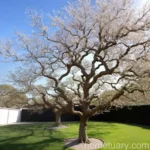
Quercus laurifolia (Laurel Oak): A Comprehensive Guide
Quercus laurifolia, commonly known as the Laurel Oak, is a magnificent tree species that belongs to the Fagaceae family. Its impressive size and elegant appearance make it a popular choice for landscaping and urban beautification projects. This comprehensive guide aims to provide valuable insights into the characteristics, cultivation, care, and ecological significance of Quercus laurifolia, catering to both novice and experienced plant enthusiasts.
What is Quercus laurifolia?
Quercus laurifolia, or the Laurel Oak, is a large deciduous tree that can reach heights of up to 80 feet at maturity. It is native to the southeastern United States, where it thrives in a diverse array of habitats, from wet bottomlands to drier upland sites. This majestic oak species is recognized for its broad, spreading crown and glossy, dark green foliage, which turns a vibrant red in the fall.
Key Takeaways – Quercus laurifolia (Laurel Oak)
Before delving into the various aspects of Laurel Oak cultivation and care, let’s explore some key takeaways that encompass the essential information about this remarkable tree:
| Key Aspect | Description |
|---|---|
| Scientific Name | Quercus laurifolia |
| Common Name | Laurel Oak |
| Family | Fagaceae |
| Native Habitat | Southeastern United States |
| Growth Height | Up to 80 feet |
| Foliage Characteristics | Dark green, glossy leaves; turns red in autumn |
| Special Features | Broad, spreading crown |
With these key takeaways in mind, let’s delve into the details of cultivating and caring for Quercus laurifolia.
Cultivation of Quercus laurifolia
Uses
The Laurel Oak offers a wide range of uses, making it a valuable addition to any landscape or natural ecosystem. Some of its primary uses include:
- Ornamental Purposes: Due to its impressive size and attractive foliage, Quercus laurifolia is often used as an ornamental tree in parks, gardens, and urban landscapes.
- Wildlife Habitat: The tree provides valuable habitat and food for various wildlife species, including birds and mammals.
- Shade Tree: Its broad crown offers ample shade, making it an ideal candidate for creating cool, shaded areas in public spaces and residential gardens.
Water
Quercus laurifolia typically prefers moist, well-drained soil, especially during its initial establishment phase. Once mature, the tree exhibits a moderate drought tolerance, although it benefits from regular watering during dry spells, particularly in urban environments.
Sunlight
As with most oak species, the Laurel Oak thrives in full sun, which is essential for promoting healthy growth and robust foliage development. Providing ample sunlight ensures that the tree can photosynthesize efficiently and maintain its vigor.
Fertilizer
While Quercus laurifolia can thrive in nutrient-poor soils, occasional fertilization may be beneficial, particularly in urban settings where soil conditions can be less than ideal. A balanced, slow-release fertilizer applied in early spring can support the tree’s growth and overall health.
Soil
The Laurel Oak prefers slightly acidic to neutral soil and can tolerate a wide range of soil types, including sandy, loamy, and clay soils. However, ensuring good drainage is critical to prevent waterlogging, especially during the tree’s early growth stages.
Pruning
Proper pruning is essential for maintaining the health, shape, and structural integrity of Quercus laurifolia. Consider the following pruning tips for this oak species:
- Early Training: Young Laurel Oaks should be trained to develop a strong central leader and well-spaced lateral branches, promoting a balanced canopy structure.
- Pruning Considerations: Regular pruning may be necessary to remove dead, damaged, or crossing branches, ensuring good air circulation within the canopy and reducing the risk of disease.
Propagation
The propagation of Quercus laurifolia can be achieved through both seed and vegetative methods. However, it’s important to note that the cultivation of oak trees from seed requires patience, as they may take several years to reach a size suitable for transplanting.
Container Popularity
In addition to its cultivation in traditional landscapes, the Laurel Oak is also popular as a container tree, especially when selected for urban beautification projects, patios, and outdoor living spaces.
Container Common Diseases
However, container-grown Laurel Oaks may be vulnerable to certain diseases, such as root rot, which can occur due to overwatering or poor drainage. Regular monitoring and appropriate watering practices are essential for mitigating disease risks in container-grown trees.
Common Pests
While Quercus laurifolia is generally resilient against pests, it may occasionally face challenges from insect pests such as oak borers and caterpillars. Vigilant observation and prompt intervention, if necessary, can help protect the tree from significant pest damage.
Botanist’s Tips
To ensure the successful cultivation of Quercus laurifolia, consider the following tips from botanists and horticulturists:
- Soil Testing: Conduct regular soil tests to assess pH and nutrient levels, enabling you to amend the soil as needed to create an optimal growing environment.
- Observation: Take the time to observe the tree’s growth habits, leaf development, and overall condition, as this can provide valuable insights into the tree’s health and any potential issues.
Fun Facts
As we continue to explore the intriguing world of Quercus laurifolia, let’s uncover some fun and fascinating facts about this magnificent oak species:
- Longevity: Laurel Oaks have the potential to live for several hundred years, showcasing remarkable resilience and longevity in the natural environment.
- Wildlife Support: The acorns produced by Quercus laurifolia serve as a vital food source for numerous wildlife species, contributing to the ecological balance of its native habitat.
With these fun facts in mind, it’s evident that the Laurel Oak holds great ecological and cultural significance, making it a tree of immense value in various contexts.
Links to External Resources
To further expand your knowledge and exploration of Quercus laurifolia, consider exploring the following external resources:
- USDA Plant Guide: Laurel Oak
- University of Florida IFAS Extension: Laurel Oak
- Lady Bird Johnson Wildflower Center: Quercus laurifolia
By accessing these resources, you can gain a deeper understanding of the botanical, ecological, and horticultural aspects of Quercus laurifolia.
Conclusion
In conclusion, Quercus laurifolia, or the Laurel Oak, stands as a captivating and beneficial species that enriches landscapes and natural ecosystems alike. By understanding its cultivation, care, and ecological role, we can appreciate the profound significance of this remarkable tree. Whether adorning urban streetscapes or thriving in its native woodlands, the Laurel Oak remains a symbol of enduring strength and natural beauty, embodying the timeless splendor of the oak genus.
As you embark on your journey of plant exploration and horticultural endeavors, may the knowledge and insights shared within this guide serve as a source of inspiration and guidance, empowering you to appreciate and cultivate the wondrous Quercus laurifolia with confidence and enthusiasm.