Pyrus Nivalis (Snow Pear)
Pyrus nivalis, commonly known as Snow Pear, is a delightful tree species cherished for its ornamental and edible features. This tree, belonging to the.
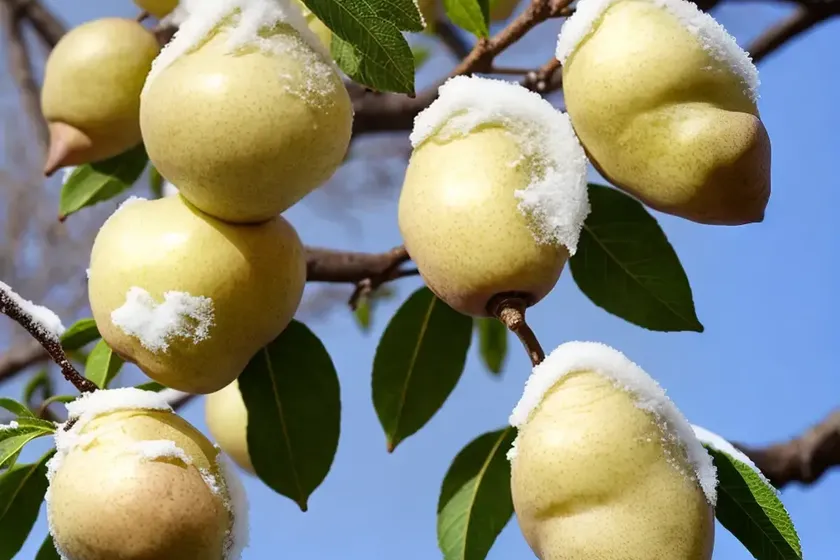
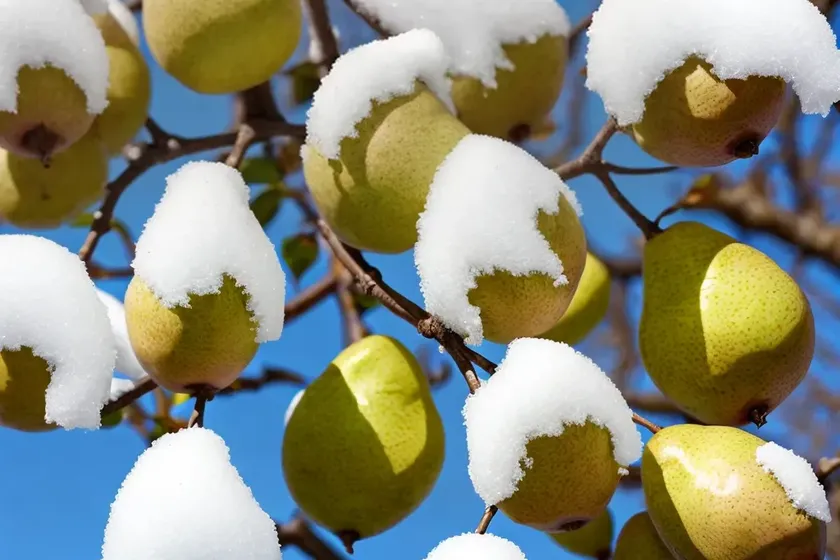
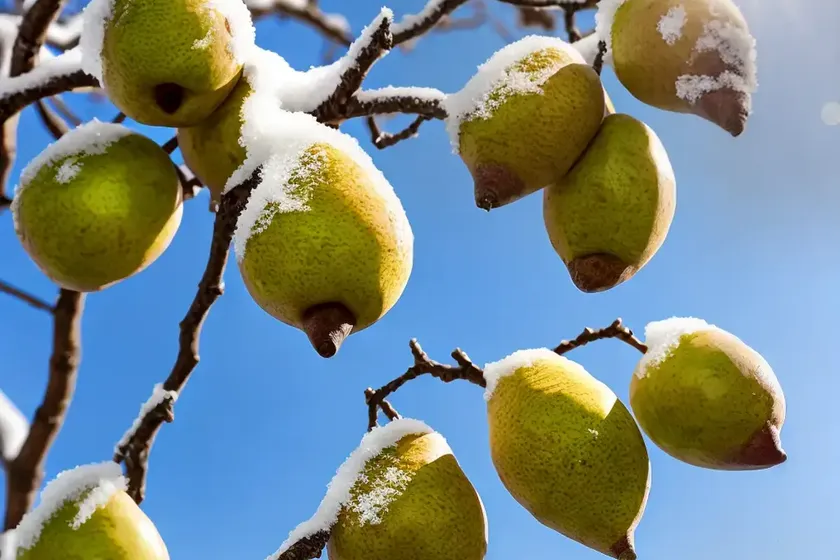
Pyrus nivalis, commonly known as Snow Pear, is a delightful tree species cherished for its ornamental and edible features. This tree, belonging to the Rosaceae family, is native to certain regions of Europe and Asia. With a stunning display of blossoms in the spring and striking autumn foliage, Snow Pear is a charming addition to any landscape. In this comprehensive guide, we will delve into the characteristics, cultivation, uses, care, diseases, and much more related to Pyrus nivalis.
What is Pyrus nivalis (Snow Pear)?
Pyrus nivalis is a deciduous tree that can attain a height of 4-12 meters, making it an excellent choice for medium-sized gardens and even large containers. The tree is renowned for its white flowers that emerge in early spring, creating a pristine and enchanting spectacle. Furthermore, its fruit, known as snow pears, are small, round, and sweet, and are often enjoyed fresh or used for making jams and jellies.
Pyrus nivalis Characteristics
- Scientific Name: Pyrus nivalis
- Common Name: Snow Pear
- Family: Rosaceae
- Height: 4-12 meters
- Flowering: Spring
- Foliage: Deciduous
- Fruit: Small, round, sweet, edible
- Habitat: Europe and Asia
- Ornamental Features: White flowers, striking autumn foliage
Now, let’s dive into the key takeaways of Pyrus nivalis, including its culture, uses, care requirements, common diseases, pests, and interesting facts.
Key Takeaways – Pyrus nivalis (Snow Pear)
Culture
When it comes to cultivating Pyrus nivalis, certain factors such as water, sunlight, fertilizer, soil, and pruning play crucial roles in ensuring the health and vitality of the tree.
Uses
The uses of Pyrus nivalis are diverse, ranging from its ornamental value to its edible fruit. Understanding its various uses can help in maximizing its potential in different settings.
Water
Proper watering is essential for the optimal growth of Pyrus nivalis. Understanding its water requirements and implementing suitable watering practices is vital for its overall well-being.
Sunlight
As with any plant, sunlight is a vital factor for the growth and development of Pyrus nivalis. Understanding its sunlight preferences aids in its successful cultivation.
Fertilizer
Fertilization plays a significant role in enhancing the growth and fruiting of Pyrus nivalis. Knowing the appropriate fertilizer and application methods is crucial for its prosperity.
Soil
The type of soil and its characteristics significantly influence the health and development of Pyrus nivalis. Understanding its soil preferences is essential for successful cultivation.
Pruning
Pruning is an important aspect of Pyrus nivalis care, aiding in shaping the tree, promoting fruit production, and maintaining overall health.
Propagation
Understanding the methods of propagating Pyrus nivalis is valuable for multiplying the trees and preserving desirable traits.
Container Popularity
Pyrus nivalis is also suitable for container gardening, and understanding its requirements in a containerized environment is essential for successful cultivation.
Container Common Diseases
Despite its beauty, Pyrus nivalis is susceptible to certain diseases, and recognizing these and taking preventive measures is essential for its well-being.
Disease Diagnosis
Prompt diagnosis of diseases affecting Pyrus nivalis is critical for implementing effective treatment and preventing extensive damage.
Common Pests
Pests can pose a threat to the health of Pyrus nivalis, and understanding these pests and their control measures is crucial for its protection.
Botanist’s Tips
Insights and tips from botanists can greatly enhance our understanding of Pyrus nivalis and aid in its successful cultivation.
Fun Facts
Discovering interesting and lesser-known facts about Pyrus nivalis adds an element of fascination to this delightful plant.
Now, let’s delve into each of these aspects in detail to gain a comprehensive understanding of Pyrus nivalis.
Culture: Growing Pyrus nivalis (Snow Pear)
Cultivating Pyrus nivalis involves various aspects such as water, sunlight, fertilizer, soil, pruning, propagation, and container gardening. Understanding the cultural requirements of this species is key to ensuring its health and vitality.
Water
One of the most critical aspects of plant care is proper watering, and the same holds true for Pyrus nivalis. Understanding its water needs and implementing appropriate watering practices can significantly impact its growth and productivity.
Pyrus nivalis Water Requirements
- Young Trees: Young Pyrus nivalis trees require regular watering to establish strong root systems. Adequate moisture is essential for their initial growth and development.
- Mature Trees: Once established, mature Pyrus nivalis trees generally have good drought tolerance. However, during prolonged dry spells, supplemental watering may be necessary to support fruit production and overall vitality.
- Watering Practices: Deep, infrequent watering is beneficial for Pyrus nivalis. This encourages the development of deep, robust root systems, enhancing the tree’s resilience to environmental stresses.
Sunlight
Another vital factor for the successful cultivation of Pyrus nivalis is sunlight. Understanding its sunlight preferences is crucial for determining the most suitable planting locations and ensuring its healthy growth.
Pyrus nivalis Sun Exposure
- Full Sun: Pyrus nivalis thrives in full sun exposure, benefiting from at least 6-8 hours of direct sunlight daily. Adequate sunlight promotes vigorous growth and enhances the tree’s flower and fruit production.
- Shade Tolerance: While Pyrus nivalis prefers full sun, it can tolerate partial shade, especially in regions with intense summer heat. However, to ensure optimal growth and fruiting, it is best planted in locations with ample sunlight.
Fertilizer
Proper fertilization is essential for enhancing the growth, flower production, and fruiting of Pyrus nivalis. Understanding its nutritional needs and the appropriate fertilization practices is crucial for its overall well-being.
Pyrus nivalis Fertilization
- Nutrient Requirements: Pyrus nivalis benefits from a balanced fertilizer with a higher ratio of nitrogen for promoting vegetative growth and blooming, and a balanced formulation to support fruit development.
- Application Timing: Fertilize Pyrus nivalis in early spring before the start of new growth and again in late spring or early summer to support fruit formation.
- Application Method: Broadcasting granular fertilizer around the tree’s drip line and watering thoroughly is an effective method of fertilizing Pyrus nivalis. Alternatively, liquid fertilizers can be applied directly to the soil around the tree.
Soil
The type of soil and its characteristics significantly influence the health and development of Pyrus nivalis. Understanding its soil preferences and making appropriate soil amendments is essential for its successful cultivation.
Pyrus nivalis Soil Preferences
- Well-Drained Soil: Pyrus nivalis thrives in well-drained, loamy soil with a slightly acidic to neutral pH. Good drainage is crucial for preventing waterlogging, which can lead to root rot and other detrimental conditions.
- Soil Amendments: Adding organic matter such as compost or well-rotted manure to the planting site can improve soil structure and fertility, providing an optimal growing environment for Pyrus nivalis.
- Mulching: Mulching the soil around Pyrus nivalis helps conserve moisture, suppress weeds, and maintain a more uniform soil temperature, benefiting the tree’s overall health.
Pruning
Pruning is an essential aspect of Pyrus nivalis care, contributing to the tree’s overall health, shape, and fruit production. Understanding the reasons for pruning and the appropriate techniques is vital for its proper maintenance.
Pyrus nivalis Pruning Techniques
- Shape and Structure: Regular pruning helps maintain a balanced and open canopy, allowing adequate sunlight and air circulation throughout the tree. This contributes to reduced disease incidence and better fruit quality.
- Dead Wood Removal: Removing dead, diseased, or damaged branches not only enhances the tree’s appearance but also minimizes potential entry points for pests and diseases.
- Fruit Bearing Wood: Pruning helps promote the development of fruit-bearing wood, leading to better fruit production and easier harvest.
Propagation
Understanding the methods of propagating Pyrus nivalis is valuable for creating new trees and preserving desirable traits. Propagation can be achieved through various techniques such as seeds, cuttings, and grafting.
Pyrus nivalis Propagation Methods
- Seeds: Growing Pyrus nivalis from seeds is one method of propagation, though it may take several years for the trees to reach fruit-bearing age. Seeds should be sown in well-prepared soil and kept consistently moist until germination occurs.
- Cuttings: Softwood or hardwood cuttings can be used to propagate Pyrus nivalis. Softwood cuttings are typically taken in early summer and treated with rooting hormones to encourage root formation. Hardwood cuttings, taken during the dormant season, can also be used for propagation.
- Grafting: Utilizing suitable rootstocks, Pyrus nivalis can be propagated through grafting, allowing for the preservation of specific fruiting or ornamental characteristics.
Container Popularity
Pyrus nivalis is suitable for container gardening, offering an opportunity to enjoy its beauty and harvest fruit in a limited space. Understanding its requirements in a container environment is essential for successful cultivation.
Pyrus nivalis in Containers
- Container Size: Selecting a sufficiently large container is vital for accommodating the tree’s root system and providing stability. A container with good drainage is essential to prevent waterlogging.
- Soil Mix: Using a well-draining, loamy potting mix enriched with organic matter provides an optimal growing medium for Pyrus nivalis in containers.
- Maintenance: Regular watering, fertilization, and occasional root pruning to prevent pot-bound conditions are essential for maintaining the health and vigor of Pyrus nivalis in containers.
Now that we’ve explored the cultural aspects of Pyrus nivalis, let’s delve into its diverse uses.
Uses of Pyrus nivalis (Snow Pear)
Pyrus nivalis offers a range of uses, from its ornamental value to its edible fruit. Understanding its multifaceted uses can aid in leveraging its potential in various settings.
Ornamental Value
One of the primary uses of Pyrus nivalis is its ornamental value. The tree’s stunning display of white blossoms in spring, followed by vibrant autumn foliage, makes it a captivating addition to landscapes, gardens, and parks.
Fruit Production
Pyrus nivalis also serves as a fruit-bearing tree, producing small, round, sweet pears. These pears can be enjoyed fresh, used in culinary creations such as jams and jellies, or preserved for later use.
Wildlife Habitat
The flowers and fruit of Pyrus nivalis attract pollinators such as bees and butterflies, contributing to the biodiversity of the surrounding environment. Additionally, the tree provides habitat and food for various wildlife species.
Erosion Control
In certain landscapes, Pyrus nivalis can be utilized for erosion control due to its deep roots and ability to stabilize soil, particularly on slopes and hillsides.
Windbreaks and Shade
The dense foliage of Pyrus nivalis makes it suitable for use as a windbreak, providing protection to surrounding plants and structures. It also offers shade, creating cooler microclimates in garden or park settings.
Culinary Uses
The edible fruit of Pyrus nivalis can be incorporated into various culinary dishes, adding a sweet and flavorful element to recipes. The pears can be used in jams, jellies, desserts, and even as a fresh, healthy snack.
By understanding the diverse uses of Pyrus nivalis, individuals can make informed decisions regarding its integration into different landscapes and gardening projects. Now, let’s move on to the care requirements specific to the cultivation of Pyrus nivalis.
Snow Pear Tree Care: Pyrus nivalis
Caring for Pyrus nivalis encompasses several facets, from disease prevention and pest management to pruning and fertilization. Understanding the specific care requirements of this delightful tree is essential for ensuring its health and productivity.
Pyrus nivalis Diseases
Like any other plant, Pyrus nivalis is susceptible to certain diseases that can affect its overall health. Recognizing common diseases and implementing preventive measures is crucial for maintaining the tree’s well-being.
Common Diseases of Pyrus nivalis
- Fire Blight: This bacterial disease can cause wilting and blackening of blossoms and shoots. Pruning out affected areas and promoting good air circulation can help manage fire blight.
- Fungal Leaf Spots: Various fungal pathogens can cause leaf spots on Pyrus nivalis, leading to defoliation and reduced vigor. Fungicidal treatments or cultural practices to improve air circulation can aid in disease control.
- Pear Rust: This fungal disease can cause ornamental and fruit trees, including Pyrus nivalis, to develop rust-like symptoms on leaves and fruit. Fungicidal treatments and removing alternate host plants can help manage pear rust.
- Root Rot: Overly wet or poorly drained soil can lead to root rot in Pyrus nivalis. Ensuring proper soil drainage and avoiding overwatering can help prevent this damaging disease.
Disease Diagnosis
Prompt identification and diagnosis of diseases affecting Pyrus nivalis are essential for implementing effective treatment measures. Regular monitoring and inspection of the tree can aid in early disease detection and management.
Recognizing Disease Symptoms
- Leaf Discoloration: Changes in leaf color, spots, or lesions can indicate the presence of fungal or bacterial diseases.
- Wilting or Dieback: Wilting of foliage or dieback of shoots can signal potential diseases such as fire blight or root rot.
- Fruit Abnormalities: Deformed or discolored fruit may be a sign of fungal or bacterial infections affecting fruit development.
Snow Pear Tree Pest Control
In addition to diseases, Pyrus nivalis is also susceptible to various pests that can impact its health and fruit production. Understanding common pests and implementing control measures is essential for protecting the tree.
Common Pests Affecting Pyrus nivalis
- Aphids: These small insects can cause damage to Pyrus nivalis by feeding on the sap of the foliage, leading to distorted growth and honeydew secretion. Natural predators and insecticidal soaps can help manage aphid populations.
- Pear Psylla: Psylla insects can affect Pyrus nivalis, causing leaf curling and honeydew secretion. Pruning and insecticidal treatments can aid in controlling pear psylla infestations.
- Caterpillars: Various caterpillar species can feed on the foliage of Pyrus nivalis, leading to defoliation and reduced vigor. Manual removal and biological insecticides can help manage caterpillar populations.
- Scale Insects: Scale insects can infest Pyrus nivalis, causing yellowing of leaves and reduced plant vigor. Horticultural oils and insecticidal soaps are effective in managing scale infestations.
Botanist’s Tips for Snow Pear Tree Care
Insights and recommendations from botanists and horticulturists can greatly enhance our understanding of Pyrus nivalis and aid in its successful cultivation. Experienced professionals often offer valuable tips for maximizing the health and beauty of this delightful tree.
Botanist’s Recommendations
- Regular Monitoring: Regularly inspecting Pyrus nivalis for signs of pests, diseases, and nutrient deficiencies helps in timely intervention and maintenance.
- Pruning Guidance: Botanists often provide specific pruning techniques and schedules to promote the overall health and aesthetic appeal of Pyrus nivalis.
- Soil Management: Recommendations for soil amendments, mulching, and proper drainage techniques can contribute to the long-term vitality of Pyrus nivalis.
Fun Facts about Pyrus nivalis
Discovering interesting and lesser-known facts about Pyrus nivalis adds an element of fascination to this delightful plant. Let’s explore some intriguing facts that contribute to the charm of the Snow Pear tree.
Fascinating Snow Pear Tree Facts
- Regional Diversity: Pyrus nivalis is native to parts of Europe and Asia, showcasing its adaptability to diverse climatic and environmental conditions.
- Symbolic Significance: In certain cultures, the white blossoms of Pyrus nivalis are associated with purity and renewal, often featured in traditional ceremonies and celebrations.
- Historical Uses: Historically, the fruit of Pyrus nivalis has been used in culinary and medicinal applications, reflecting its cultural and practical significance.
- Seasonal Beauty: The autumn foliage of Pyrus nivalis exhibits vibrant colors, ranging from rich reds to golden yellows, adding a striking visual element to landscapes.
These fascinating facts offer a deeper appreciation for the natural and cultural significance of Pyrus nivalis. Now, let’s explore botanically-relevant information about Pyrus nivalis and its growth habits.
Botanical Insights: Growth Habits of Pyrus nivalis
Understanding the growth habits and requirements of Pyrus nivalis is essential for fostering its health and vitality. Factors such as water, soil, sun exposure, and seasonal considerations significantly influence the tree’s growth and development.
Pyrus nivalis Water Requirements
Proper watering is essential for the optimal growth and development of Pyrus nivalis, ensuring strong root systems and healthy foliage and fruit production.
Watering Guidelines
- Young Trees: Young Pyrus nivalis trees require consistent moisture to establish robust root systems and support initial growth.
- Mature Trees: Once established, mature Pyrus nivalis trees generally exhibit good drought tolerance, though supplemental watering may be necessary during extended dry periods, particularly to support fruit production.
Snow Pear Tree Soil Preferences
The soil type and conditions greatly influence the growth and vitality of Pyrus nivalis, with well-drained, loamy soil providing an optimal growing medium.
Ideal Soil Conditions
- Well-Drained Soil: Pyrus nivalis thrives in well-drained soil, and poor drainage can lead to root-related issues and reduced vigor.
- Soil Amendments: Incorporating organic matter into the soil can improve its structure and fertility, fostering a more favorable environment for Pyrus nivalis growth.
Pyrus nivalis Sun Exposure
Sunlight is a vital factor in the growth and development of Pyrus nivalis, with adequate sun exposure contributing to its overall vigor and fruit production.
Sunlight Preferences
- **Full Sun: ** Pyrus nivalis thrives in full sun exposure, benefitting from at least 6-8 hours of direct sunlight daily to promote vigorous growth and blooming.
Seasonal Considerations
Seasonal changes and considerations have a significant impact on the growth and development of Pyrus nivalis, influencing its flowering, fruiting, and overall health.
Seasonal Growth Patterns
- Spring: Pyrus nivalis exhibits its stunning display of white blossoms in early spring, signaling the onset of the growing season and the tree’s initial growth.
- Summer: During the summer months, Pyrus nivalis focuses on fruit development and maintaining overall vitality through proper watering and sun exposure.
- Autumn: The autumn foliage of Pyrus n


