Pygmy Water-lily (Nymphaea Tetragona)
Welcome to the comprehensive care guide for Pygmy Water-lily, scientifically known as Nymphaea Tetragona. Whether you are a seasoned gardener or a.
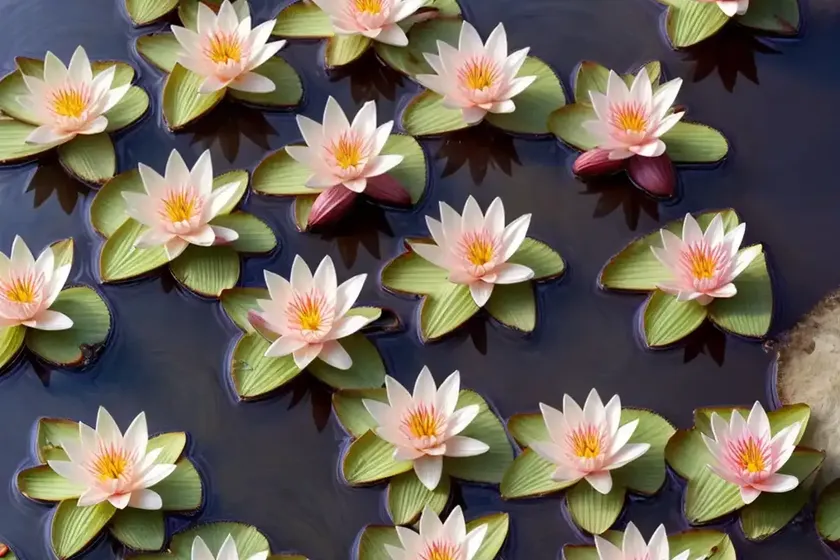
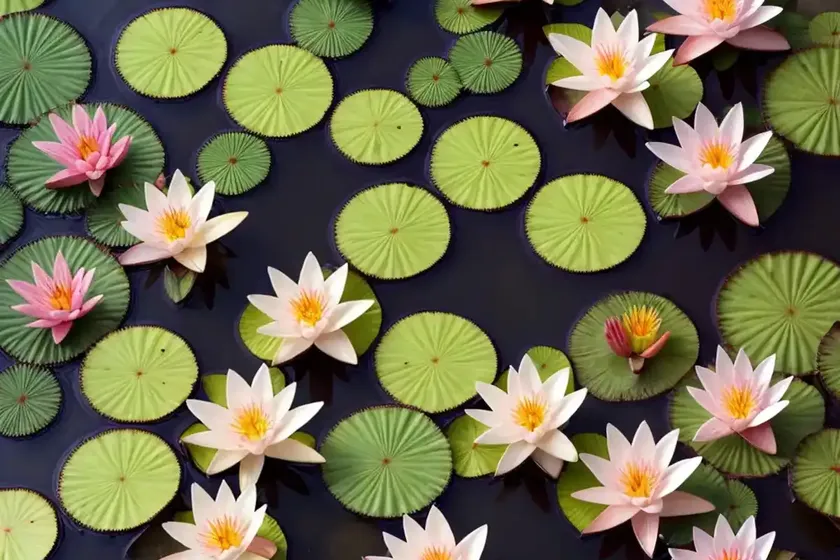
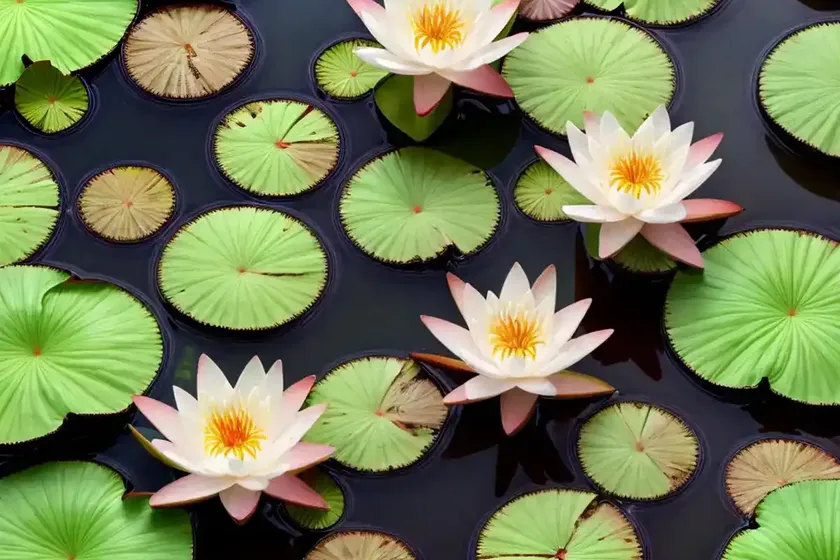
Welcome to the comprehensive care guide for Pygmy Water-lily, scientifically known as Nymphaea Tetragona. Whether you are a seasoned gardener or a beginner, this article will provide you with all the necessary information to successfully grow and maintain this beautiful aquatic plant. From its culture and uses to its specific water, sunlight, fertilizer, and soil requirements, this guide covers everything you need to know about nurturing Pygmy Water-lily in your garden, pond, or water feature.
What is Pygmy Water-lily?
Pygmy Water-lily (Nymphaea Tetragona) is a captivating aquatic plant that belongs to the Nymphaeaceae family. This charming species is characterized by its petite size, making it an ideal addition to small ponds, water features, and container gardens. With delicate floating leaves and enchanting blooms, the Pygmy Water-lily adds a touch of elegance and tranquility to any aquatic environment. Its adaptability and ease of care make it a popular choice among water garden enthusiasts and landscape designers.
Key Takeaways – Pygmy Water-lily (Nymphaea Tetragona)
Before we delve into the specifics of caring for Pygmy Water-lily, let’s outline some key takeaways that will guide us through the various aspects of its cultivation and maintenance.
- Plant Name: Pygmy Water-lily (Nymphaea Tetragona)
- Common Name: Pygmy Water-lily
- Family: Nymphaeaceae
- Type: Aquatic perennial
- Native Habitat: Europe, Asia
- Ideal Growing Conditions: Still or slow-moving water, full sunlight
- Notable Features: Small size, floating leaves, fragrant flowers
- Special Considerations: Frost-sensitive, requires winter protection in colder climates
Now that we have the basic overview, let’s explore the essential factors for successfully growing and caring for Pygmy Water-lily.
Culture
Uses
Pygmy Water-lily serves both aesthetic and ecological purposes in various environments. Some of its primary uses include:
- Ornamental Plant: The charming and delicate appearance of Pygmy Water-lily makes it a popular choice for adding visual appeal to garden ponds, water features, and container gardens.
- Habitat Enhancement: In natural pond ecosystems, Pygmy Water-lily can contribute to the overall biodiversity by providing cover and food sources for aquatic organisms.
- Educational Purposes: Due to its unique growth habits and stunning flowers, Pygmy Water-lily is often used in botanical gardens and educational settings to showcase aquatic plant diversity.
Water
The success of Pygmy Water-lily cultivation hinges on providing the ideal water conditions for its growth and development.
- Water Type: Prefers still or slow-moving water. In a garden pond or water feature, ensure that the water is not excessively turbulent, as it may damage the delicate foliage of the plant.
- Water Quality: High water quality is essential for the health of Pygmy Water-lily. Regular water testing and maintenance of appropriate nutrient levels are crucial for its well-being.
- Water Depth: Pygmy Water-lily prefers shallow water, with a recommended planting depth of 6 to 18 inches (15 to 45 centimeters).
Sunlight
Adequate sunlight is vital for the overall growth and flowering of Pygmy Water-lily.
- Sun Exposure: Requires full sunlight for at least 6 to 8 hours per day. Position the plant in a location where it can receive direct sunlight for the majority of the day.
- Shading: Avoid placing Pygmy Water-lily in areas with excessive shading from surrounding trees or structures, as this can hinder its photosynthetic activity and flowering.
Fertilizer
While Pygmy Water-lily gathers nutrients from its aquatic environment, supplemental fertilization may be beneficial under certain circumstances.
- Fertilizer Type: Consider using a specialized aquatic plant fertilizer to promote healthy growth and vibrant blooms.
- Application Frequency: Apply fertilizer according to the manufacturer’s instructions, typically during the active growing season. Take care not to over-fertilize, as this can lead to water pollution and harm aquatic organisms.
Soil
In the case of aquatic plants such as Pygmy Water-lily, soil considerations revolve around the substrate used for planting in aquatic environments.
- Substrate Type: Opt for a specialized aquatic planting medium or a mixture of clay, loam, and aquatic plant fertilizer. This ensures that the plant receives essential nutrients and provides a stable base for its roots.
- Soil Stability: Secure the substrate to prevent it from becoming loose and clouding the water in the pond or water feature.
Pruning
Regular maintenance and pruning are essential for managing the growth and vitality of Pygmy Water-lily.
- Leaf Pruning: Trim yellowing or damaged leaves to maintain the plant’s aesthetic appeal and prevent decaying matter from affecting water quality.
- Flower Pruning: Deadhead spent blooms to encourage continuous flowering and prevent the plant from expending energy on seed production.
Propagation
Multiplying Pygmy Water-lily allows you to expand your aquatic garden or share the plant with other enthusiasts.
- Propagation Methods: Division is the primary propagation method for Pygmy Water-lily. Divide established clumps in early spring to create new plants.
- Division Process: Gently remove the plant from the water, divide the rhizomes using a sharp, clean knife, and replant the sections in suitable locations.
Container Popularity
The compact size and graceful features of Pygmy Water-lily make it a popular choice for container gardens and smaller water features.
- Container Options: Consider using aquatic plant containers or sturdy containers specifically designed for use in water gardens.
- Advantages: Container planting allows for greater control over the plant’s environment, making it suitable for patios, balconies, and small outdoor spaces.
Common Diseases
While Pygmy Water-lily is generally resilient, it may be susceptible to certain diseases and issues in suboptimal conditions.
- Common Diseases: Leaf spots, rotting rhizomes, and crown rot are potential issues to watch for in Pygmy Water-lily.
- Preventive Measures: Ensure proper water quality, adequate sunlight, and regular maintenance to minimize the risk of disease.
Disease Diagnosis
Early detection and diagnosis of plant diseases are crucial for implementing timely and effective treatment.
- Symptoms to Monitor: Look for discolored or deformed leaves, abnormal growth patterns, and signs of decay.
- Professional Consultation: If you suspect disease or health issues with your Pygmy Water-lily, consider seeking assistance from a local horticulturist or plant health expert.
Common Pests
Pest infestations can hinder the growth and vitality of Pygmy Water-lily, necessitating pest management measures.
- Potential Pests: Aphids, snails, and certain aquatic insects may feed on Pygmy Water-lily, causing damage to its foliage and blooms.
- Control Methods: Manual removal, natural predators, and targeted pest control products may be employed to manage pest populations.
Botanist’s Tips
Expert advice and insights can greatly enhance your experience in growing and caring for Pygmy Water-lily.
- Seasonal Considerations: Adjust your care routine based on seasonal changes, such as temperature fluctuations and daylight duration.
- Observation and Adaptation: Regularly observe the plant’s growth and response to its environment, and make adjustments as needed to optimize its health and beauty.
Fun Facts
As you immerse yourself in the world of Pygmy Water-lily, discover some intriguing and delightful fun facts about this captivating aquatic plant:
- The delicate flowers of Pygmy Water-lily often open during the morning and close in the afternoon, creating a captivating display of blooming and reposing.
- In addition to their ornamental value, the floating leaves of Pygmy Water-lily contribute to the natural balance of ponds and water features by providing shade and habitat for aquatic creatures.
Links to External Resources
To further enrich your knowledge and appreciation of Pygmy Water-lily, consider exploring the following resources:
- Royal Horticultural Society – Nymphaea Tetragona
- Missouri Botanical Garden – Water Garden Plants
- The Spruce – Tips for Growing Water Lilies
Conclusion
In this comprehensive care guide, we have explored the intricate details of nurturing Pygmy Water-lily (Nymphaea Tetragona) and witnessed the beauty and charm that it brings to aquatic environments. By understanding its cultural requirements, the importance of water quality, and the nuances of its growth habits, you are equipped to embark on a rewarding journey of cultivating and enjoying this captivating aquatic plant. Whether you incorporate Pygmy Water-lily into a small water feature on your patio or let it grace the serene waters of a garden pond, the presence of this exquisite plant is sure to evoke a sense of tranquility and wonder in your outdoor space.
In this blog post, we have explored the comprehensive care guidelines for Pygmy Water-lily (Nymphaea Tetragona), providing valuable insights and practical advice for successfully growing and maintaining this captivating aquatic plant. From its culture and uses to specific care instructions, propagation methods, and essential resources, this article serves as a go-to reference for plant enthusiasts seeking to enhance their aquatic landscapes and gardens.


