Pussy Willow (Salix Discolor)
The Pussy Willow, scientifically known as Salix discolor, is a deciduous shrub belonging to the Salix family. This fascinating plant is renowned for its.
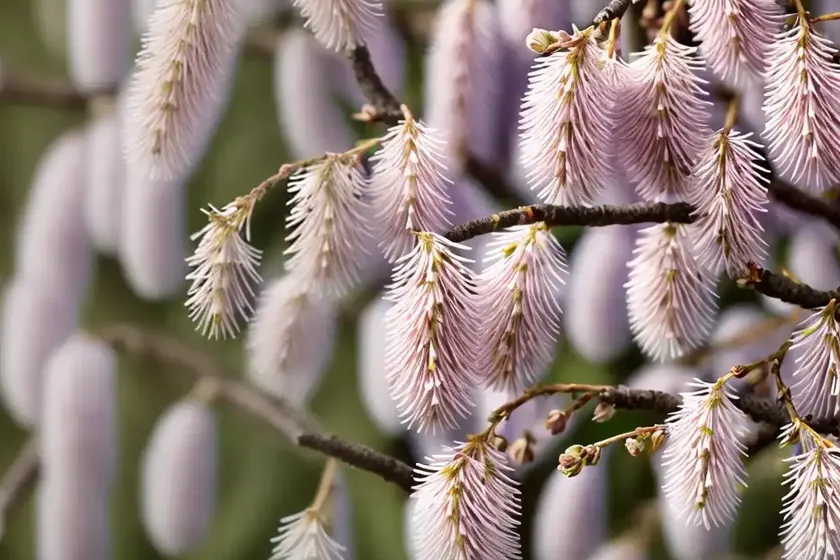
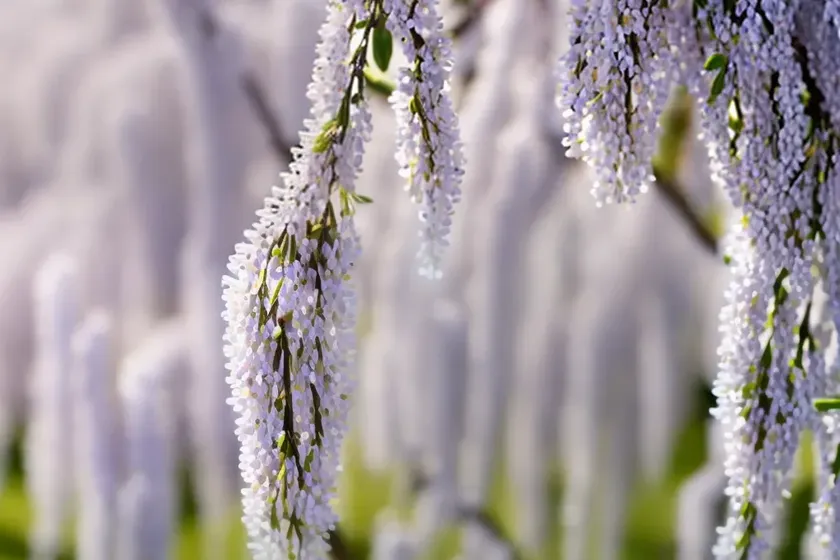
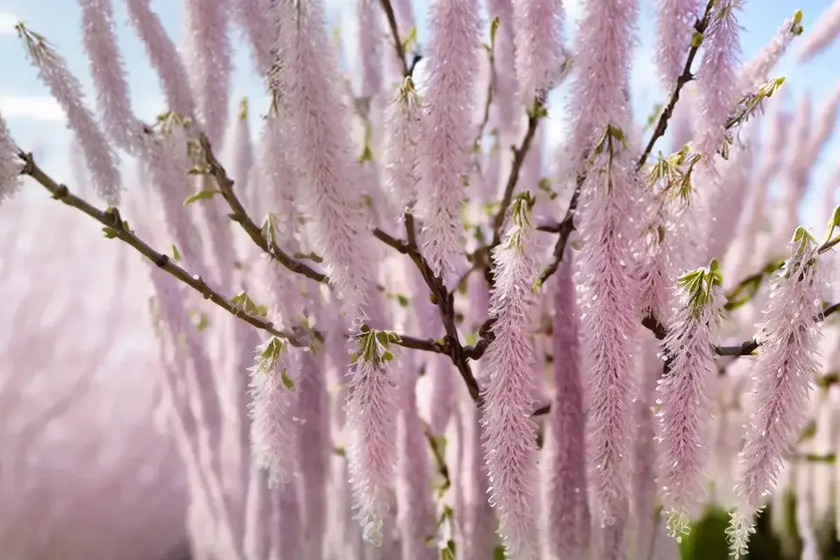
The Pussy Willow, scientifically known as Salix discolor, is a deciduous shrub belonging to the Salix family. This fascinating plant is renowned for its unique and charming appearance, making it a popular choice for both gardeners and nature enthusiasts. With its characteristic furry catkins, this plant has earned its place in folklore, art, and gardening. In this comprehensive guide, we will delve into the key aspects of the Pussy Willow, covering its cultural significance, uses, care requirements, propagation, and much more.
Key Takeaways – Pussy Willow (Salix discolor)
Before diving into the details of the Pussy Willow plant, let’s take a quick overview of the key takeaways:
- Scientific Name: Salix discolor
- Common Names: Pussy willow, willow tree
- Family: Salix
- Characteristics: Furry catkins, narrow leaves
- Cultural Significance: Folklore, art
- Uses: Landscaping, floral arrangements, medicinal properties
- Care: Moderate water, full sunlight, well-draining soil
- Propagation: Seed, cuttings
- Popularity: Well-loved in gardens and natural landscapes
- Common Diseases: Rust, powdery mildew
- Common Pests: Aphids, caterpillars
Now, let’s explore each of these aspects in detail.
Culture
The Pussy Willow has acquired a special place in various cultures and traditions around the world. Often associated with the arrival of spring, the soft and fuzzy appearance of its catkins symbolizes new beginnings and the rejuvenation of nature. It is not uncommon to see Pussy Willow branches used in religious ceremonies, weddings, and festivals as a representation of purity and fertility.
Symbolism
In folklore, the Pussy Willow carries symbolic significance across different cultures. In some parts of the world, it is considered a symbol of protection and good luck. Its presence in art and literature further solidifies its symbolism and charm, reflecting its timeless appeal that transcends generations.
Uses
The versatility of the Pussy Willow extends to its various uses, ranging from landscaping to medicinal properties.
Landscaping
In landscaping, the Pussy Willow adds a delightful touch to gardens and natural settings. Whether planted as a standalone feature or as part of a larger arrangement, its distinctive catkins create a visually appealing display, especially in the early spring when they emerge in all their furry splendor.
Floral Arrangements
Pussy Willow branches are highly sought after for floral arrangements. Their unique texture and appearance make them a favorite choice for adding an element of whimsy and charm to bouquets and centerpieces.
Medicinal Properties
Beyond its ornamental uses, the Pussy Willow also possesses certain medicinal properties. In traditional medicine, extracts from the plant have been used for their potential anti-inflammatory and pain-relieving effects. However, it is important to consult a healthcare professional before using any plant-derived remedies.
Care
To ensure the healthy growth of your Pussy Willow, it’s crucial to understand its basic care requirements, including water, sunlight, fertilizer, soil, and pruning.
Water
While the Pussy Willow thrives near water bodies and in moist environments, it can adapt to various levels of moisture. When establishing a new plant, it is important to ensure regular watering to support its initial growth. Once established, it can tolerate moderate drought, but consistent watering during prolonged dry spells will help maintain its vigor.
Sunlight
This shrub prefers full sunlight to flourish. When selecting a location for planting, choose an area that receives ample sunlight throughout the day. Adequate sunlight not only promotes healthy growth but also enhances the development of its iconic catkins.
Fertilizer
To promote optimal growth and flowering, fertilize the Pussy Willow in early spring before the onset of new growth. Use a balanced, slow-release fertilizer to provide essential nutrients for the plant.
Soil
The Pussy Willow thrives in moist, well-draining soil. It is adaptable to a range of soil types, including loamy and sandy soils. However, it is important to avoid waterlogged conditions, as excessive moisture can lead to root rot.
Pruning
Pruning helps shape the plant, promote new growth, and maintain its overall health. It is best to prune the Pussy Willow during late winter or early spring before the emergence of new growth. Remove any dead or diseased branches and trim to achieve the desired shape.
Propagation
The propagation of the Pussy Willow can be achieved through seeds or cuttings.
Seed Propagation
To grow the Pussy Willow from seeds, collect mature catkins in late spring. Extract the tiny seeds from the catkins and sow them in a well-prepared seedbed. Keep the soil consistently moist until the seeds germinate.
Cutting Propagation
Propagation from cuttings is another common method for multiplying Pussy Willows. Take hardwood cuttings in late winter or early spring, and plant them in a well-prepared rooting medium. Ensure that the cuttings receive adequate moisture and warmth to encourage root development.
Container Popularity
The adaptability of the Pussy Willow makes it suitable for container planting. Whether on a balcony, terrace, or patio, a container-grown Pussy Willow can bring a touch of nature to urban settings. When opting for container planting, it is essential to select a spacious container with adequate drainage holes to prevent waterlogging. Regular watering and occasional fertilization will support the growth of the shrub in a container environment.
Common Diseases
Like all plants, the Pussy Willow is susceptible to certain diseases, with rust and powdery mildew being among the most common.
Rust
Rust is a fungal disease that manifests as orange or yellow spots on the leaves. To manage rust, promptly remove and dispose of the affected leaves to prevent the spread of the disease. Fungicidal sprays can be used as a preventive measure to protect healthy foliage.
Powdery Mildew
Powdery mildew presents as a white, powdery coating on the leaves and stems. Adequate air circulation and maintaining proper spacing between plants can help mitigate the occurrence of powdery mildew. Fungicidal treatments can be used as a control measure when necessary.
Disease Diagnosis
Identifying plant diseases is crucial for implementing appropriate management strategies. When observing any unusual symptoms on the plant, such as discoloration, spots, or abnormal growth, it is important to conduct a thorough diagnosis to ascertain the nature of the issue. This may involve consulting with a plant pathologist or experienced gardeners to accurately diagnose the disease and implement effective control measures.
Common Pests
Several pests pose potential threats to the health of Pussy Willows, including aphids and caterpillars.
Aphids
Aphids are small, sap-sucking insects that can weaken the plant and distort its growth. Regular monitoring and the application of insecticidal soap or horticultural oils can help manage aphid populations effectively.
Caterpillars
Certain caterpillar species may feed on the leaves of the Pussy Willow, causing noticeable damage. Manual removal of caterpillars and the use of biological control agents, such as Bacillus thuringiensis (Bt), can aid in controlling caterpillar infestations without harming beneficial insects.
Botanist’s Tips
For enthusiasts and aspiring botanists, here are a few insightful tips to enhance your experience with the Pussy Willow:
- Seasonal Changes: Observe and document the plant’s seasonal changes, from the emergence of catkins in spring to the development of new foliage and the transition into winter dormancy.
- Wildlife Habitat: Note the visitors and inhabitants attracted to the Pussy Willow, including birds, insects, and other wildlife. This shrub provides valuable habitat and food sources for various creatures.
- Companion Plants: Explore suitable companion plants to grow alongside the Pussy Willow, considering factors such as soil compatibility, sunlight requirements, and visual appeal.
Fun Facts
Uncover some intriguing facts about the Pussy Willow that highlight its unique character and charm:
- The catkins of the Pussy Willow are a rich source of nectar for early pollinators, making it an important plant for supporting pollinating insects.
- In some cultures, Pussy Willow branches are incorporated into decorative crafts, such as woven baskets and wreaths, showcasing the plant’s versatility in arts and crafts.
Links to External Resources
To further expand your knowledge and appreciation of the Pussy Willow, consider exploring the following resources:
- Pussy Willow symbolism: The Meaning and Symbolism of Pussy Willows
- Growing willow trees: Willow Tree Care and Planting Guide
- Salix discolor information: USDA – Salix discolor
In conclusion, the Pussy Willow, with its captivating appearance and rich cultural heritage, stands as a beloved plant with a multitude of uses and a place in the hearts of many. By understanding its cultural significance, mastering its care requirements, and delving into its propagation methods, one can truly appreciate the essence of this remarkable shrub. Whether adorning gardens, bouquets, or folklore, the Pussy Willow continues to weave its enchanting presence into the fabric of our natural and cultural landscapes.


