Purpletop Vervain (Verbena Bonariensis)
When it comes to versatile, low-maintenance, and aesthetically pleasing plants, Purpletop Vervain (Verbena bonariensis) has gained popularity among.
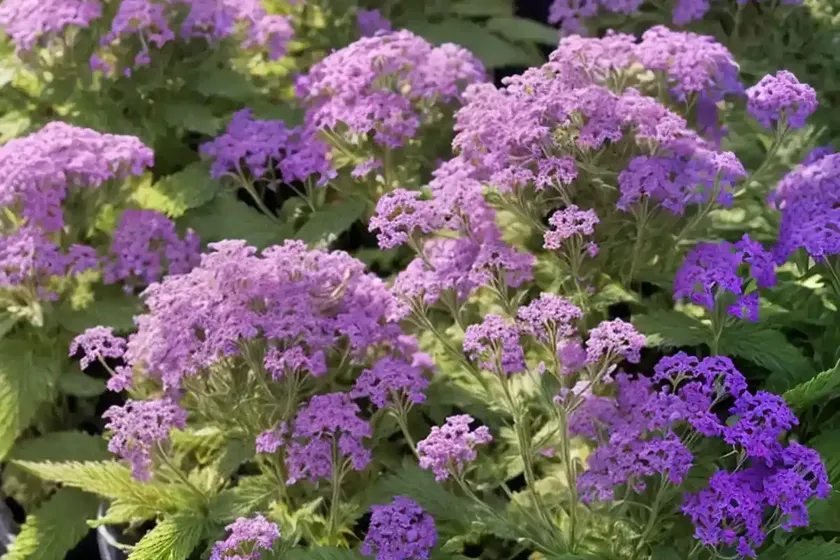
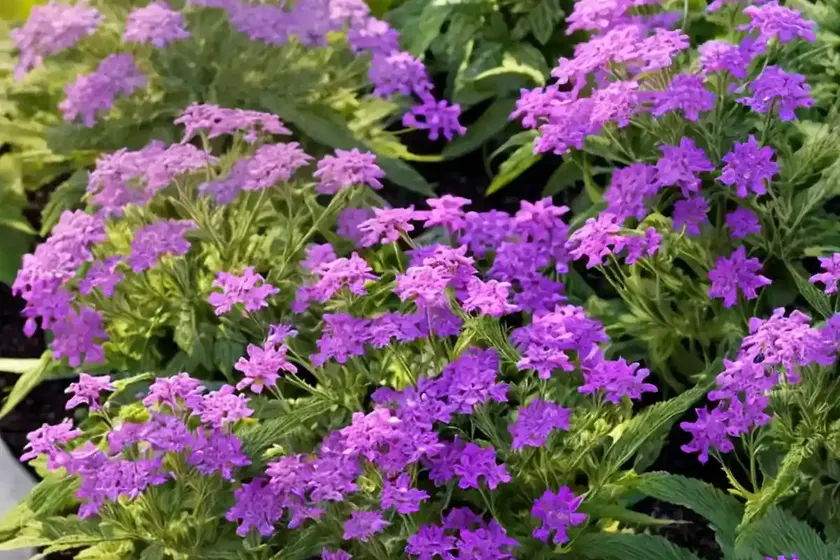
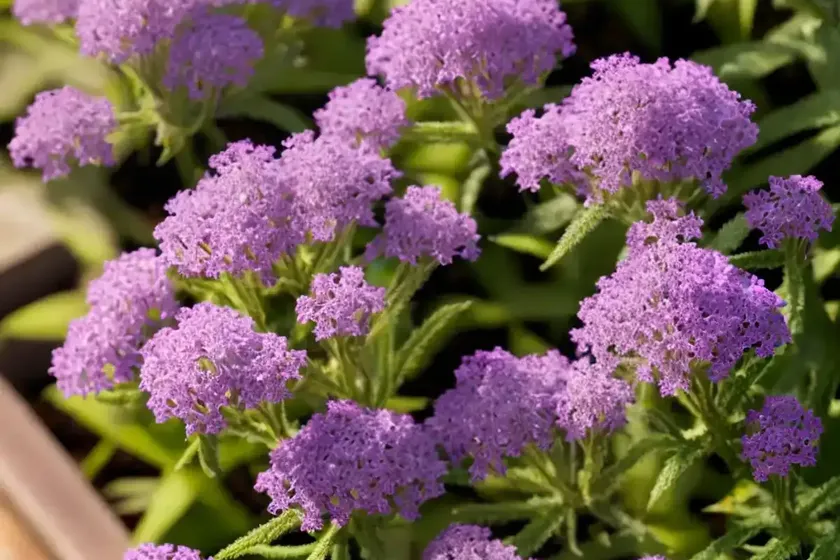
When it comes to versatile, low-maintenance, and aesthetically pleasing plants, Purpletop Vervain (Verbena bonariensis) has gained popularity among gardeners and horticulturists. Its delicate clusters of purple flowers and slender, elegant stems make it an eye-catching addition to any garden or landscape. In this comprehensive guide, we will delve into the various aspects of Purpletop Vervain, from its cultural requirements to its propagation and maintenance, and explore its uses, benefits, and potential drawbacks.
What is Purpletop Vervain?
Purpletop Vervain, scientifically known as Verbena bonariensis, is a herbaceous perennial plant belonging to the Verbenaceae family. Native to South America, specifically Argentina and Brazil, it has naturalized in many other regions around the world due to its hardiness and adaptability. This plant is widely valued for its striking, long-lasting purple flowers, which add a pop of color to gardens, meadows, and landscapes.
Key Takeaways – Purpletop Vervain (Verbena bonariensis)
Before we delve into the specifics of Purpletop Vervain, let’s highlight some key takeaways regarding this plant:
- Botanical Name: Verbena bonariensis
- Common Names: Purpletop Vervain, Tall Verbena, Brazilian Verbena
- Plant Type: Herbaceous Perennial
- Flower Color: Purple
- Sunlight: Full sun to partial shade
- Watering: Moderate
- Soil Type: Well-draining, fertile soil
- Height: 3-6 feet (0.9-1.8 meters)
- Spread: 1-3 feet (0.3-0.9 meters)
- USDA Hardiness Zones: 7-11
Now, let’s explore the various aspects of Purpletop Vervain in detail, including its cultural requirements, uses, maintenance, and more.
Culture
Cultivating Purpletop Vervain successfully involves understanding its specific cultural requirements. From sunlight and watering to soil and fertilization, each aspect plays a crucial role in the plant’s overall health and vigor. Let’s examine the cultural needs of Purpletop Vervain in detail:
Sunlight
Purpletop Vervain thrives in full sun and can tolerate partial shade, making it a versatile choice for various garden settings. When planted in full sun, it tends to produce more flowers and maintain a more compact, upright growth habit. Therefore, it is best to position Purpletop Vervain in a location where it receives at least 6-8 hours of direct sunlight per day for optimal growth and flowering.
Water
While Purpletop Vervain is relatively drought-tolerant once established, it still requires regular watering, especially during periods of prolonged drought or high temperatures. However, it is essential to avoid overwatering, as this can lead to root rot and other moisture-related issues. A general rule of thumb is to provide the plant with approximately 1 inch of water per week, either through rainfall or supplemental irrigation. Adequate moisture is particularly critical during the plant’s establishment phase and in the absence of consistent rainfall.
Soil
The soil in which Purpletop Vervain is planted plays a crucial role in its overall health and performance. Well-draining, fertile soil with a slightly acidic to neutral pH is ideal for this plant. Heavy clay soils should be amended with organic matter, such as compost or well-rotted manure, to improve drainage and nutrient retention. Additionally, incorporating a layer of mulch around the base of the plant can help maintain soil moisture, suppress weed growth, and provide insulation against temperature fluctuations.
Fertilizer
Purpletop Vervain generally does not require heavy feeding, especially if grown in nutrient-rich soil. However, applying a balanced, slow-release fertilizer in early spring can promote healthy growth and abundant flowering. Look for a fertilizer with an NPK ratio of 10-10-10 or similar, and follow the manufacturer’s instructions for application rates. Over-fertilization can lead to excessive vegetative growth at the expense of flowering, so it is essential to err on the side of caution when fertilizing Purpletop Vervain.
Uses
Purpletop Vervain holds several valuable uses, ranging from its ornamental appeal to its potential medicinal and ecological benefits. Understanding the diverse applications of this plant can provide insight into its wide-ranging value in horticulture, landscaping, and beyond. Let’s explore the various uses of Purpletop Vervain:
Ornamental
One of the primary uses of Purpletop Vervain is its ornamental value in gardens, landscapes, and naturalistic plantings. The plant’s tall, slender stems topped with clusters of small, violet-purple flowers create a visually stunning display, especially when massed together or interplanted with other flowering perennials and ornamental grasses. Its airy, ethereal appearance adds a sense of movement and grace to borders, meadows, and cottage-style gardens, making it a favorite among garden designers and landscape architects.
Wildlife Habitat
In addition to its aesthetic appeal, Purpletop Vervain serves as a valuable resource for pollinators, including bees, butterflies, and other beneficial insects. The nectar-rich flowers attract these pollinators, contributing to the overall health and biodiversity of the surrounding ecosystem. By incorporating Purpletop Vervain into garden designs and naturalized landscapes, individuals can actively support local pollinator populations and promote a more sustainable and balanced environment.
Medicinal and Herbal Uses
In some cultures, Purpletop Vervain has been used for its potential medicinal properties. While research on its therapeutic applications is ongoing, the plant has been traditionally employed in herbal remedies for various ailments. Its leaves and flowers are believed to possess anti-inflammatory and diuretic properties, and infusions or extracts derived from the plant have been used in traditional medicine for their potential health benefits. However, it is essential to consult a qualified healthcare professional before using any plant for medicinal purposes.
Natural Dye
The vibrant, purplish hue of Purpletop Vervain flowers has also sparked interest in their potential as a natural dye source. When processed and extracted, the flowers yield a range of purple to pink dyes that can be used to color textiles, yarn, and other natural materials. This eco-friendly alternative to synthetic dyes aligns with the growing interest in sustainable, plant-based colorants and contributes to the revival of traditional dyeing techniques.
Pruning
Pruning plays a crucial role in maintaining the health, aesthetics, and longevity of Purpletop Vervain. By understanding the proper techniques and timing for pruning, gardeners can ensure that the plant remains vigorous and well-structured throughout the growing season. Let’s delve into the essential aspects of pruning Purpletop Vervain:
Deadheading
Regular deadheading of spent flowers is beneficial for prolonging the blooming period of Purpletop Vervain and encouraging the production of new flower clusters. As the flowers fade and begin to form seed heads, they should be promptly removed using sharp, clean pruners. This not only promotes a tidier appearance but also redirects the plant’s energy towards further flowering and vegetative growth.
Rejuvenation
In late winter or early spring, Purpletop Vervain can benefit from rejuvenation pruning to remove any overwintered foliage and improve overall plant vigor. Cutting back the stems to a height of 4-6 inches above ground level stimulates the emergence of fresh growth and prevents the formation of a woody, leggy appearance. Rejuvenation pruning is particularly useful for maintaining compact, bushy growth and enhancing the plant’s ornamental appeal.
Maintenance Pruning
Throughout the growing season, occasional maintenance pruning may be necessary to eliminate damaged or overcrowded stems, improve airflow, and maintain a balanced shape. Using sharp, sterile pruners, selectively remove any discolored, diseased, or congested growth to promote overall plant health and reduce the risk of pest and disease issues.
Propagation
Propagation of Purpletop Vervain can be accomplished through several methods, including seed sowing and division. Each approach offers distinct advantages and considerations, allowing gardeners to expand their stock of Purpletop Vervain and introduce new plants to their gardens. Let’s explore the propagation techniques for this versatile perennial:
Seed Sowing
One of the most common methods of propagating Purpletop Vervain is through seed sowing. The plant produces small, lightweight seeds that can be collected from mature seed heads and sown directly into prepared seedbeds or containers. Sow the seeds thinly on the surface of moist, well-draining seed-starting mix, gently pressing them into the soil without covering them. Maintain consistent moisture and warmth to facilitate germination, which typically occurs within 2-3 weeks under optimal conditions.
Division
Division is another effective method for propagating Purpletop Vervain and is particularly useful for rejuvenating established clumps and encouraging the spread of the plant. In early spring, lift the mature, overcrowded plants using a garden fork, taking care to avoid damaging the roots. Using a sharp knife or dividing tool, separate the clump into smaller sections, ensuring that each division has a sufficient number of healthy roots and shoots. Replant the divisions in prepared soil, water thoroughly, and provide appropriate care until they become established.
Cuttings
While less commonly used than seed sowing and division, stem cuttings can also be employed to propagate Purpletop Vervain. Take 4-6 inch cuttings from healthy, non-flowering stems, ensuring that each cutting includes at least two sets of leaves. Remove the lower set of leaves and dip the cut end in rooting hormone to enhance the rooting process. Plant the cuttings in a well-draining rooting medium, provide gentle bottom heat, and maintain consistent moisture to promote root development. Once rooted, the cuttings can be transplanted into individual containers or directly into the garden.
Container Popularity
The compact growth habit and striking appearance of Purpletop Vervain make it an excellent candidate for container gardening. Whether grown in decorative pots on patios, balconies, or terraces, or utilized in mixed container plantings, Purpletop Vervain adds vertical interest and texture to container arrangements. Its adaptability to confined growing spaces and relatively low-maintenance nature further enhance its appeal for container gardening enthusiasts.
Container Growing Requirements
Successfully growing Purpletop Vervain in containers necessitates attention to specific growing requirements to ensure the plant’s health and vitality. Here are the key considerations for container cultivation:
- Container Size: Select a container with a sufficient depth and width to accommodate the plant’s root system and provide stability. A pot with a diameter of 12-18 inches works well for a single Purpletop Vervain plant.
- Drainage: Opt for containers with drainage holes to prevent waterlogging and maintain proper soil aeration. Additionally, use a well-draining potting mix to promote healthy root development.
- Sunlight: Position the containers in a location that receives at least 6-8 hours of direct sunlight daily to support optimal growth and flowering.
- Watering: Monitor the moisture level in the container to prevent drying out or waterlogging. Water the plant when the top inch of the soil feels dry, providing thorough, consistent moisture without allowing the roots to sit in standing water.
- Fertilization: Apply a balanced, water-soluble fertilizer according to the manufacturer’s instructions to provide essential nutrients for healthy growth.
Common Diseases
While generally resilient, Purpletop Vervain is susceptible to certain diseases and environmental stressors that can impact its overall vigor and appearance. Familiarizing oneself with the common diseases affecting this plant is essential for implementing preventive measures and timely interventions to mitigate potential damage. Let’s explore some of the primary diseases that can affect Purpletop Vervain:
Powdery Mildew
Powdery mildew is a fungal disease that can affect Purpletop Vervain, especially during periods of high humidity and poor air circulation. Its presence is characterized by the development of a white, powdery growth on the surfaces of the leaves and stems. To prevent powdery mildew, ensure proper spacing between plants, provide adequate ventilation, and avoid overhead watering. If detected, remove and destroy affected plant parts and consider applying a fungicidal treatment as a preventive measure.
Root Rot
Excessive moisture and poorly drained soil can lead to the development of root rot, a condition caused by various soil-borne pathogens. Signs of root rot in Purpletop Vervain include wilting, yellowing foliage, and a general decline in plant vigor. To minimize the risk of root rot, ensure proper soil drainage and avoid overwatering. When planting in containers, use a well-draining potting mix and establish a consistent watering regimen to maintain optimal soil moisture levels.
Leaf Spot
Leaf spot diseases, caused by various fungal pathogens, can manifest as dark, irregularly shaped lesions on the leaves of Purpletop Vervain. These lesions may develop a water-soaked appearance and can eventually lead to leaf yellowing, defoliation, and overall weakening of the plant. To manage leaf spot, promote good air circulation around the plant, avoid overhead irrigation, and remove and dispose of any infected plant material. Applying a copper-based fungicide may also aid in controlling the spread of leaf spot pathogens.
Disease Diagnosis
Accurately diagnosing diseases affecting Purpletop Vervain involves careful observation of symptoms and signs, as well as understanding the prevailing environmental conditions and cultural practices. When confronted with potential disease issues, consider the following steps to diagnose and address the problem effectively:
- Symptom Identification: Take note of any abnormalities in the plant’s appearance, including changes in leaf color and texture, wilting, stunted growth, or the presence of unusual growths.
- Environmental Review: Evaluate the prevailing environmental conditions, such as sunlight exposure, temperature, and moisture levels, to identify any stressors that may be contributing to the plant’s health status.
- Cultural Assessment: Review the plant’s cultural history, including watering practices, fertilization, and soil type, to identify potential issues related to cultural care.
- Pathogen Analysis: If fungal or bacterial diseases are suspected, consider sending a sample of the affected plant material to a diagnostic lab for pathogen identification and further guidance on disease management.
By conducting a thorough assessment and seeking professional guidance when necessary, gardeners can take proactive measures to safeguard the health and vitality of Purpletop Vervain and prevent the spread of diseases within the landscape.
Common Pests
While Purpletop Vervain is relatively resistant to many pests, certain insects may pose a threat to its overall health and appearance. Vigilance and prompt intervention are critical for preventing pest-related damage and maintaining the plant’s vigor. Let’s explore some of the common pests that can affect Purpletop Vervain:
Aphids
Aphids are small, soft-bodied insects that feed on the sap of plants, including Purpletop Vervain. Their presence can lead to distorted growth, yellowing leaves, and the development of sticky honeydew on the plant’s surfaces. To control aphids, consider releasing natural predators, such as ladybugs, lacewings, or predatory insects, to manage infestations. Additionally, a strong blast of water or insecticidal soap can help dislodge and suppress aphid populations without harming beneficial insects.
Spider Mites
Spider mites are tiny arachnids that feed on plant juices, causing stippling, discoloration, and webbing on the undersides of leaves. When dealing with spider mite infestations, introduce natural predators like predatory mites or employ a targeted application of horticultural oil to suffocate and suppress the pest population. Regularly inspect the undersides of leaves for signs of spider mite activity and take prompt action to prevent widespread damage.
Whiteflies
Whiteflies are small, winged insects that cluster on the undersides of leaves and can cause wilting, yellowing, and stunted growth in affected plants. To manage whiteflies, introduce natural enemies like parasitic wasps or use yellow sticky traps to capture and reduce the population. In severe infestations, consider applying insecticidal soap or neem oil to control whitefly populations effectively.
Pest Prevention
Preventive measures, such as maintaining plant vigor, promoting biodiversity, and avoiding excessive use of broad-spectrum insecticides, play a crucial role in reducing the risk of pest infestations on Purpletop Vervain. By practicing integrated pest management (IPM) principles and adopting environmentally friendly pest control strategies, gardeners can minimize the impact of pests on the plant and preserve the overall ecological balance in the landscape.
Botanist’s Tips
As a botanist with a passion for Purpletop Vervain and its ecological significance, I would like to offer some expert tips to help enthusiasts successfully grow and care for this remarkable plant:
- When selecting a planting site for Purpletop Vervain, consider its potential to attract pollinators and beneficial insects, and incorporate it into wildlife-friendly or pollinator gardens to maximize its ecological benefits.
- To extend the blooming period of Purpletop Vervain, consider interplanting it with late-blooming perennials or annuals to create a continuous display of color and nectar sources for pollinators.
- Embrace the naturalistic appeal of Purpletop Vervain by integrating it into prairie-style plantings, meadow gardens, or informal landscapes, where its tall, airy presence can contribute to an enchanting, pastoral aesthetic.
- Experiment with companion plantings that complement the slender, vertical form of Purpletop Vervain, such as ornamental grasses, coneflowers, salvias, and other plants with contrasting textures and heights.
Fun Facts
Now, let’s explore some fascinating and lesser-known facts about Purpletop Vervain to deepen our appreciation for this captivating plant:
- Bird-Friendly: In addition to attracting pollinators, the seed heads of Purpletop Vervain serve as a food source for certain bird species, adding to its ecological value in the landscape.
- Self-Sowing: Under favorable conditions, Purpletop Vervain has the potential to self-sow and naturalize in open, sunny locations, creating spontaneous displays of purple flowers in meadows and along roadsides.
- Perennial Performance: In mild-winter climates, Purpletop Vervain often behaves as a long-lived perennial, persisting and flowering for multiple seasons with proper care and maintenance.
- Drought Tolerance: Once established, Purpletop Vervain exhibits remarkable drought tolerance, making it a valuable addition to water-wise and xeriscape gardens.
- Butterfly Magnet: Along with attracting bees, Purpletop Vervain is a favored nectar source for butterflies, including monarchs, swallowtails, and fritillaries, enhancing its appeal as a pollinator-friendly plant.
Links to External Resources
For further information and resources on Purpletop Vervain, consider exploring the following links:
- Planting Guide for Verbena bonariensis (Purpletop Vervain)
- Growing Tips and Care for Purpletop Vervain
- Medicinal Uses and Folklore of Verbena bonariensis
- [Landscaping Ideas with Purpletop Vervain](https


