Purple Magnolia (Magnolia Liliiflora)
As a plant scientist deeply passionate about ornamental plants, I am excited to share an in-depth guide on the captivating and exquisite Purple Magnolia.
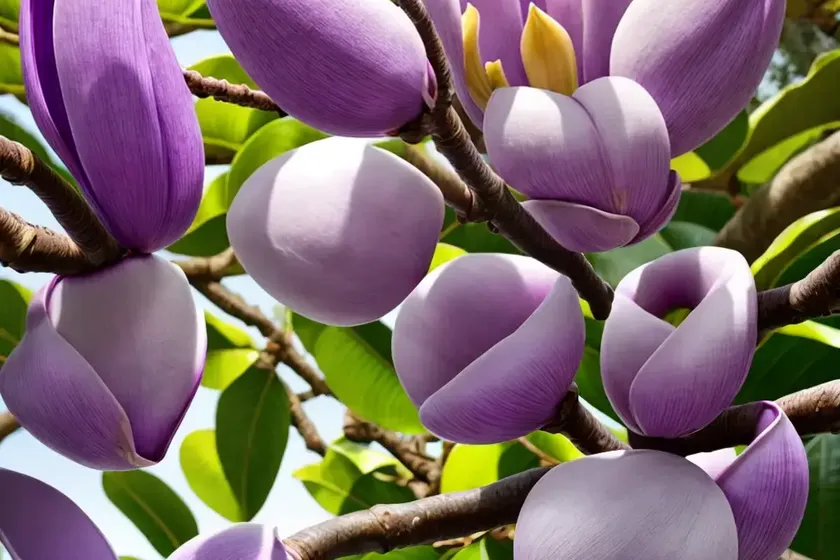
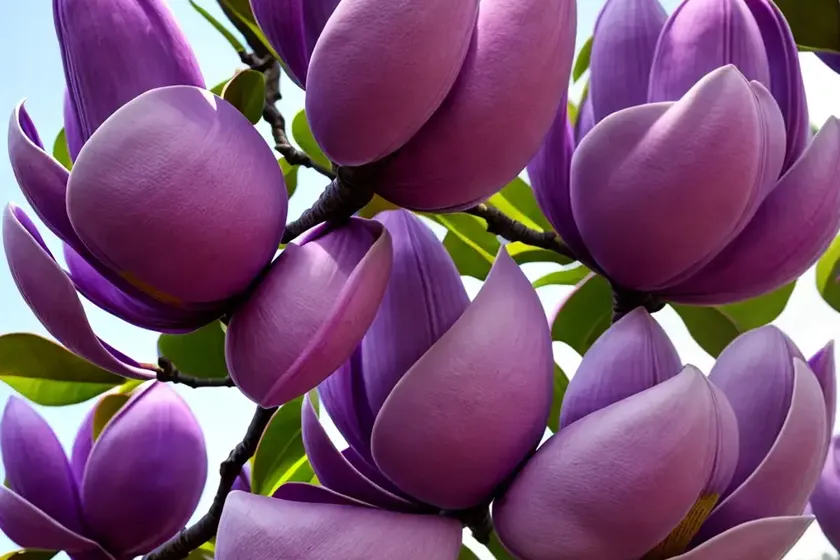
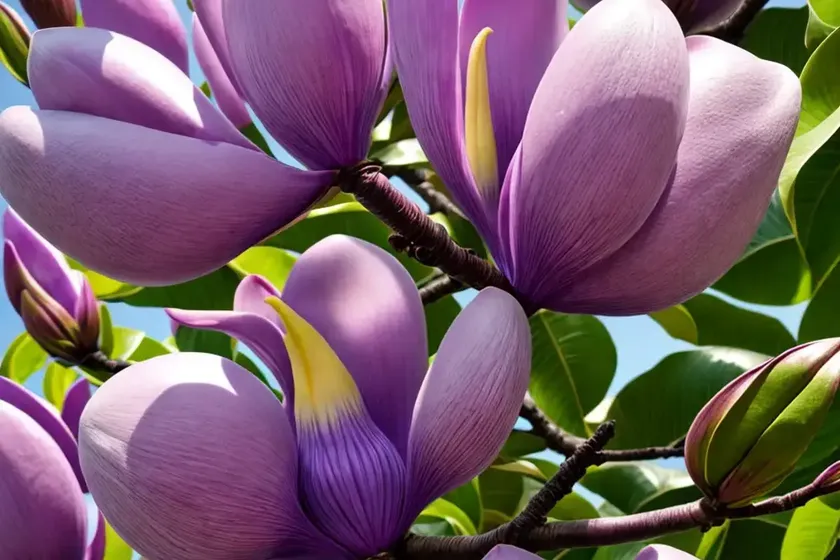
As a plant scientist deeply passionate about ornamental plants, I am excited to share an in-depth guide on the captivating and exquisite Purple Magnolia (Magnolia liliiflora). This stunning species of magnolia is cherished for its vibrant flowers and elegant appearance, making it a popular choice for gardeners and horticulturists alike.
In this comprehensive guide, we will delve into the various aspects of the Purple Magnolia, including its cultural significance, uses, ideal growing conditions, maintenance practices, common diseases and pests, propagation techniques, and much more. Whether you are a seasoned horticulture enthusiast or a beginner looking to enhance your gardening skills, this article aims to provide valuable insights into the world of Purple Magnolias, their care, and cultivation.
What is Purple Magnolia (Magnolia liliiflora)?
Purple Magnolia, scientifically known as Magnolia liliiflora, is a deciduous flowering shrub or small tree belonging to the Magnoliaceae family. Native to China, Japan, and Korea, this captivating plant is renowned for its spectacular, tulip-shaped flowers that adorn its branches during the spring season. The name “liliiflora” is derived from the Latin word “lilium,” which means lily, a reference to the resemblance of its flowers to lilies.
With its enchanting blooms and graceful form, Purple Magnolia is a valuable addition to gardens, landscapes, and public parks, where it serves as a focal point and a source of visual delight. Its ease of cultivation, coupled with its aesthetic appeal, has made it a popular choice for both amateur and experienced gardeners seeking to introduce a touch of elegance to their outdoor spaces.
Key Takeaways – Purple Magnolia (Magnolia liliiflora)
Before delving into the specifics of Purple Magnolia care and cultivation, it is essential to highlight key takeaways that will guide our exploration of this magnificent plant’s characteristics and requirements. The following key takeaways will serve as a roadmap for the comprehensive information provided in this guide:
- Plant Name: Purple Magnolia (Magnolia liliiflora)
- Cultural Significance: An ornamental flowering shrub or small tree valued for its vibrant and tulip-shaped flowers.
- Native Habitat: Indigenous to China, Japan, and Korea.
- Flowering Season: Typically blooms in the spring season, producing captivating floral displays.
- Ideal Growing Conditions: Requires well-drained soil, adequate sunlight, and regular watering for optimal growth.
- Maintenance Practices: Pruning, fertilization, and disease management are essential for ensuring the plant’s health and vigor.
- Propagation Techniques: Can be propagated through seeds, cuttings, or grafting methods.
- Common Diseases: Susceptible to certain fungal diseases and environmental stressors.
- Common Pests: Occasionally affected by pests such as scale insects and aphids.
With these key takeaways in mind, we will now explore each aspect of Purple Magnolia care and cultivation in detail, offering valuable insights for plant enthusiasts and horticulturists.
Culture
Cultural practices play a pivotal role in the successful growth and development of Purple Magnolia. By understanding its cultural requirements, including watering, sunlight exposure, fertilizer application, and pruning techniques, gardeners can foster healthy and flourishing specimens, adorned with an abundance of captivating blooms.
Uses
Before immersing ourselves in the specific cultural requirements, it is important to appreciate the diverse uses of Purple Magnolia in various settings. Its applications extend beyond ornamental gardening, encompassing landscaping, public gardens, and floral exhibitions. The following are some common uses of Purple Magnolia:
- Landscaping: Adds visual appeal and a sense of elegance to residential and commercial landscapes.
- Public Gardens: Showcases the plant’s beauty in public parks, botanical gardens, and arboretums.
- Cut Flower Industry: Serves as a source of cut flowers for floral arrangements and bouquets.
Understanding the cultural significance and uses of Purple Magnolia sets the stage for exploring the specific practices that contribute to its vitality and aesthetic allure.
Water
Proper watering is essential for the health and vigor of Purple Magnolia. Adequate moisture levels support robust growth, facilitate nutrient uptake, and contribute to the plant’s ability to produce an abundance of flowers. However, it is equally crucial to avoid waterlogged or overly saturated soil, as it can lead to root rot and other detrimental conditions.
Watering Guidelines
- Established Plants: Water deeply once a week during the growing season, ensuring that the soil is moist but not waterlogged.
- Newly Planted Specimens: Provide consistent moisture during the establishment phase, with more frequent watering in the absence of rainfall.
- Drought Conditions: During prolonged periods of drought, supplemental watering may be necessary to maintain the plant’s vitality.
By adhering to appropriate watering practices, gardeners can promote the overall health and resilience of Purple Magnolia, ultimately contributing to its impressive floral displays and robust growth.
Sunlight
As a flowering plant, Purple Magnolia thrives in bright sunlight, which is conducive to its blooming capacity and overall vigor. Adequate sunlight exposure is critical for stimulating the plant’s metabolic processes, including photosynthesis and flower development. However, considerations should be made to protect the plant from excessive heat and intense sunlight, particularly in regions with hot summers.
Sunlight Requirements
- Partial Shade: In areas with intense sunlight, providing partial shade during the hottest part of the day can prevent leaf scorch and heat stress.
- Morning Sun: Morning sunlight exposure is particularly beneficial, as it facilitates the efficient utilization of solar energy without subjecting the plant to harsh afternoon sun.
Recognizing the plant’s sunlight requirements and ensuring appropriate exposure will help maximize its potential for robust growth and bountiful blooms.
Fertilizer
Applying a balanced and appropriate fertilizer is integral to enhancing the growth and blooming capacity of Purple Magnolia. By supplying essential nutrients, such as nitrogen, phosphorus, and potassium, gardeners can bolster the plant’s overall health and ensure the production of vibrant and abundant flowers.
Fertilization Practices
- Timing: Apply a balanced fertilizer in early spring, just before the onset of new growth, to provide the plant with essential nutrients for the upcoming growing season.
- Type of Fertilizer: Utilize a slow-release, balanced fertilizer specifically formulated for flowering shrubs and trees, ensuring adequate availability of essential nutrients over an extended period.
- Application Method: Distribute the fertilizer evenly around the plant’s root zone, avoiding direct contact with the trunk or stems, and water thoroughly to facilitate nutrient absorption.
Strategic and judicious fertilization practices play a key role in fostering the health and vitality of Purple Magnolia, ultimately contributing to its striking visual appeal and floral abundance.
Soil
The selection of suitable soil and the maintenance of optimal soil conditions are fundamental to the successful cultivation of Purple Magnolia. Well-drained, fertile soil provides a supportive foundation for healthy root development and robust growth, thereby influencing the plant’s overall vigor and flowering capacity.
Soil Requirements
- Composition: Select well-drained, loamy soil with good drainage properties, ensuring that excess moisture does not accumulate around the plant’s root system.
- Soil pH: Aim for a slightly acidic to neutral pH range (6.0-7.0) to create an environment conducive to nutrient uptake and overall plant health.
- Amendments: Incorporate organic matter, such as compost or well-rotted manure, to improve soil structure and fertility, promoting optimal root growth and nutrient availability.
Attention to soil quality and the implementation of appropriate soil management practices are pivotal in fostering the vigorous growth and floral brilliance of Purple Magnolia.
Pruning
Strategic pruning is an essential component of Purple Magnolia maintenance, contributing to the plant’s structural integrity, aesthetics, and blooming performance. Pruning practices are designed to remove dead or diseased wood, shape the plant for aesthetic appeal, and stimulate vigorous new growth.
Pruning Guidelines
- Timing: Prune Purple Magnolia immediately after flowering, as it sets flower buds for the following year on the previous season’s growth.
- Deadwood Removal: Eliminate dead or diseased branches, promoting overall plant health and reducing the risk of fungal infections.
- Shaping and Size Control: Trim and shape the plant to maintain a desirable form and size, ensuring that it harmonizes with its surroundings and does not encroach on neighboring plants or structures.
Adhering to appropriate pruning techniques and schedule is crucial for preserving the health, aesthetics, and flowering capacity of Purple Magnolia, contributing to its enduring appeal in various settings.
Propagation
The propagation of Purple Magnolia encompasses various techniques, including seed propagation, cutting propagation, and grafting methods. Each method offers unique advantages and considerations, providing gardeners with diverse options for propagating new plants and preserving desirable traits.
Propagation Methods
- Seed Propagation: Collect and sow fresh seeds in a suitable growing medium, providing consistent moisture and warmth to facilitate germination and early growth.
- Cutting Propagation: Harvest semi-hardwood or hardwood cuttings and propagate them under favorable conditions, such as high humidity and optimal temperature, to encourage root formation.
- Grafting: Utilize grafting techniques, such as budding or cleft grafting, to propagate desirable cultivars and ensure the retention of specific genetic traits.
The ability to propagate Purple Magnolia through various methods empowers gardeners to expand their plant collection, preserve unique cultivars, and contribute to the conservation and dissemination of these captivating ornamental plants.
Container Popularity
While Purple Magnolia is often grown as a landscape plant, its enchanting beauty and manageable size make it a popular choice for container gardening. Cultivating Purple Magnolia in containers offers flexibility in placement and provides an opportunity for gardeners with limited space to enjoy the plant’s aesthetic allure and floral displays.
Container Considerations
- Container Size: Select a container that accommodates the plant’s root system and allows for sufficient soil volume to support healthy growth and moisture retention.
- Drainage: Ensure that the container has adequate drainage holes to prevent waterlogging and maintain optimal soil moisture levels.
- Soil Mix: Use a well-draining and fertile potting mix, amended with organic matter, to provide essential nutrients and promote robust growth.
Cultivating Purple Magnolia in containers opens up new possibilities for incorporating this captivating plant into diverse settings, such as patios, balconies, and urban landscapes, where it can serve as a focal point and a source of natural beauty.
Common Diseases
While Purple Magnolia is generally resilient, it is susceptible to certain diseases, particularly those caused by fungal pathogens and environmental stressors. Understanding the common diseases affecting this plant and implementing appropriate management strategies is essential for safeguarding its health and longevity.
Disease Diagnosis
- Leaf Spot: Identified by the presence of circular, dark spots on the foliage, often accompanied by yellowing or browning of the affected areas.
- Powdery Mildew: Manifests as a powdery, white coating on the leaves, stems, and buds, potentially impairing photosynthesis and compromising overall plant health.
- Anthracnose: Characterized by dark, sunken lesions on the stems, leaves, and flowers, leading to defoliation and reduced vigour.
By proactively monitoring for signs of disease and implementing appropriate preventive measures and treatments, gardeners can mitigate the impact of common diseases and preserve the health and vibrancy of their Purple Magnolia specimens.
Common Pests
In addition to fungal diseases, Purple Magnolia may occasionally encounter pest infestations, such as scale insects and aphids, which can affect its overall growth and vitality. Recognizing the signs of pest infestations and employing targeted pest management strategies are crucial for preventing significant damage and ensuring the plant’s well-being.
Pest Control
- Scale Insects: Address scale infestations by using horticultural oil sprays or insecticidal soaps, targeting the undersides of leaves and other vulnerable areas.
- Aphids: Employ natural predators, such as ladybugs or lacewings, to control aphid populations, or utilize insecticidal sprays if infestations are severe.
Vigilance and prompt intervention are key in effectively managing pest infestations and safeguarding the health and vitality of Purple Magnolia, thereby preserving its visual appeal and ornamental value.
Botanist’s Tips
As a botanist deeply familiar with the intricacies of cultivating ornamental plants, I am pleased to offer valuable tips and insights that can enhance the success and enjoyment of growing Purple Magnolia. These tips encompass practical guidance, expert recommendations, and best practices for maximizing the plant’s potential in various settings and environments.
Fun Facts
- Historical Significance: Purple Magnolia has been cultivated in East Asia for centuries and holds cultural and symbolic significance in various traditions and folklore.
- Fragrance: Some varieties of Purple Magnolia emit a delicate, sweet fragrance, adding an olfactory dimension to their visual allure.
- Wildlife Attraction: The flowers of Purple Magnolia attract pollinators, such as bees and butterflies, promoting biodiversity and ecological interactions in the garden.
Links to External Resources
For further exploration of Purple Magnolia care and cultivation, as well as access to additional insights and resources, I recommend the following external references and sources of information:
- Magnolia liliiflora Care Guide – Royal Horticultural Society
- Growing Magnolias in the Home Garden – University of Florida Extension
- Magnolia liliiflora Cultivation and Maintenance – Missouri Botanical Garden
Conclusion
In conclusion, Purple Magnolia (Magnolia liliiflora) stands as a captivating and revered ornamental plant, celebrated for its vibrant flowers, cultural significance, and enduring appeal in diverse landscapes and garden settings. By understanding and implementing the cultural practices, maintenance strategies, and disease management techniques outlined in this comprehensive guide, gardeners can cultivate thriving and visually stunning Purple Magnolia specimens, enriching their natural surroundings and fostering a connection to the captivating world of ornamental horticulture.
As we embrace the enchanting allure of Purple Magnolia and strive to preserve its beauty and vitality, may we continue to explore and appreciate the wonders of nature, nurturing the growth of ornamental plants and cherishing the timeless elegance of botanical treasures such as Magnolia liliiflora.
Keywords: Magnolia liliiflora care, Magnolia liliiflora planting, Purple magnolia tree, Magnolia liliiflora varieties, Magnolia liliiflora pruning, Growing purple magnolias, Magnolia liliiflora diseases, Purple magnolia flowers, Magnolia liliiflora garden, Purple magnolia shrubs, Magnolia liliiflora maintenance


