Purple-Heart Plant (Tradescantia Pallida)
The Purple-Heart plant, scientifically known as Tradescantia pallida, is a stunning and versatile plant that has gained popularity among gardeners and.
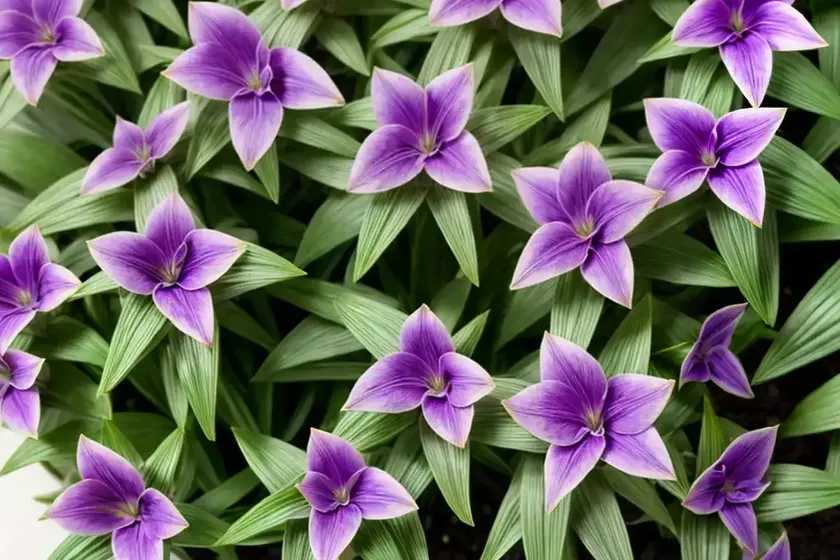
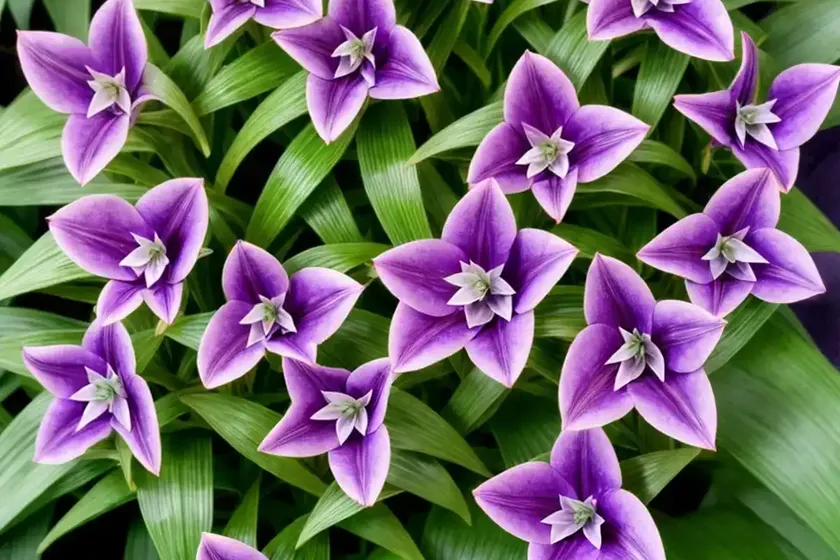
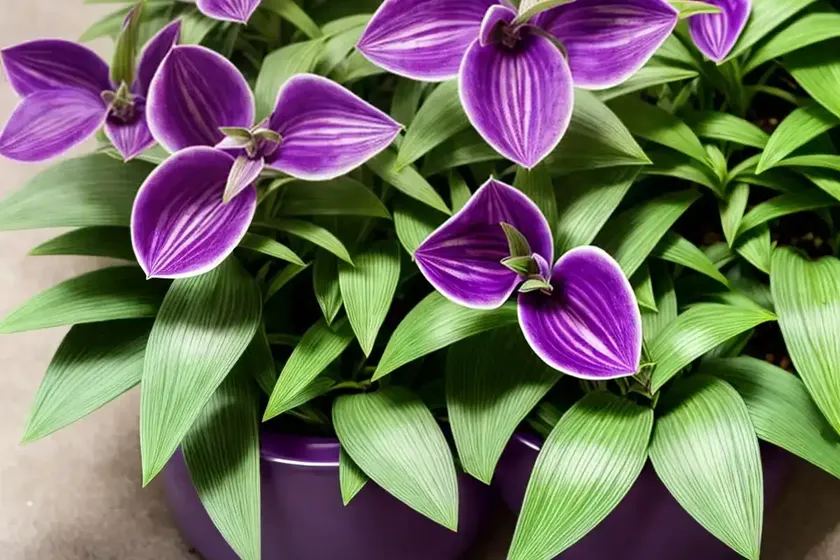
The Purple-Heart plant, scientifically known as Tradescantia pallida, is a stunning and versatile plant that has gained popularity among gardeners and plant enthusiasts. This article delves into the all-encompassing characteristics, care tips, and interesting facts about this unique plant species.
What is a Plant?
Plants are living organisms belonging to the kingdom Plantae. They are multicellular, eukaryotic organisms with cell walls primarily composed of cellulose. Plants play a vital role in the ecosystem by producing oxygen through photosynthesis and serving as the base of the food chain for many organisms. They exhibit a wide range of forms, from tiny mosses to towering trees, and fulfill various ecological functions, such as providing habitats, stabilizing soils, and contributing to the water cycle.
Purple-Heart Plant (Tradescantia Pallida) Overview
The Purple-Heart plant, or Tradescantia pallida, is a species of flowering plant in the family Commelinaceae. Also known as Purple Queen, Purple Secretia, and Wandering Jew, this herbaceous perennial is native to the Gulf Coast region of Eastern Mexico. The plant is prized for its striking foliage, characterized by vibrant purple and green leaves. Tradescantia pallida is often used as a ground cover, in landscapes, or as a container plant, adding a pop of color to any setting.
Key Takeaways – Purple-Heart Plant (Tradescantia Pallida)
Let’s explore some key takeaways about the Purple-Heart plant to gain a comprehensive understanding of its characteristics, growing requirements, and more.
Culture
The culture of the Purple-Heart plant encompasses its overall care, growth habits, and environmental preferences.
- Hardiness Zones: Tradescantia pallida thrives in USDA hardiness zones 7 to 11, where temperatures remain above 10-20°F (-6.7 to -12.2°C) in winter.
- Growth Rate: It is a fast-growing plant and can quickly fill in spaces within a garden or container.
- Foliage: The plant is renowned for its striking purple foliage, which adds a unique aesthetic to any garden setting.
- Flowers: Tradescantia pallida produces small, three-petaled pink flowers, adding a delightful contrast to its purple leaves.
Uses
The Purple-Heart plant boasts several uses, making it a popular choice among gardeners and landscapers.
- Ground Cover: It is often used as a ground cover due to its trailing growth habit and vibrant foliage.
- Container Plant: Tradescantia pallida thrives in containers, making it an excellent choice for indoor or outdoor potted arrangements.
- Landscape Plant: In landscaping, it serves as an eye-catching accent or feature plant, bringing color and texture to garden borders and flower beds.
Water
Proper watering is essential for the health and vitality of the Purple-Heart plant.
- Watering Frequency: Water the plant moderately and consistently, allowing the soil to dry slightly between waterings to prevent waterlogged conditions, which can lead to root rot.
- Moisture Level: It prefers slightly moist soil and can withstand short periods of drought once established. However, prolonged dryness can cause the plant to wilt and suffer from stress.
Sunlight
Understanding the sunlight requirements of Tradescantia pallida is crucial for its optimal growth.
- Light Conditions: The plant thrives in bright, indirect light to partial shade. While it can tolerate some direct sunlight, intense or prolonged exposure to the sun may cause leaf burn.
- Indoor Placement: When grown indoors, ensure it receives ample natural light, such as placing it near a south- or west-facing window.
Fertilizer
Applying the right type and amount of fertilizer can significantly enhance the plant’s growth and appearance.
- Fertilizer Type: Use a balanced, water-soluble fertilizer formulated for houseplants or general-purpose use.
- Application Frequency: Feed the Purple-Heart plant every 4-6 weeks during the growing season (spring through fall) to provide essential nutrients for robust growth and color development.
Soil
The soil composition greatly influences the overall health and vigor of the Purple-Heart plant.
- Well-Draining Soil: Plant Tradescantia pallida in well-draining potting mix or garden soil to prevent waterlogged conditions and root rot.
- Soil pH: It prefers slightly acidic to neutral soil with a pH range of 6.0 to 7.0, promoting optimal nutrient uptake and overall plant health.
Pruning
Regular pruning is essential to maintain the plant’s shape, control its growth, and promote denser foliage.
- Pruning Frequency: Trim back overgrown or leggy stems as needed, especially during the growing season, to encourage branching and fullness.
- Propagation: Pruning also presents an opportunity to propagate the plant by using the cuttings to grow new Purple-Heart plants.
Propagation
Tradescantia pallida can be easily propagated through stem cuttings, allowing for the expansion of its presence in various settings.
- Propagation Method: Take 4-6 inch (10-15 cm) stem cuttings from the plant, remove the lower leaves, and place the cuttings in a jar of water or directly into a moist potting mix.
- Rooting Time: The cuttings readily root within a few weeks, and once established, can be transplanted to their desired location.
Container Popularity
The Purple-Heart plant’s adaptability to containers makes it a popular choice for diverse indoor and outdoor settings.
- Indoor Containers: It thrives in containers and hanging baskets indoors, adding a splash of vibrant color to home interiors.
- Outdoor Pots: When grown in outdoor pots, it serves as a beautiful accent on patios, decks, and balconies, contributing to a visually appealing outdoor environment.
Container Common Diseases
Container cultivation may expose the Purple-Heart plant to certain diseases and conditions that require attention.
- Root Rot: Overwatering or poorly draining soil can lead to root rot, causing the plant to wilt, lose vigor, and develop yellowing or browning leaves.
- Fungal Diseases: These may occur in excessively moist or humid conditions, leading to leaf spots or mildew on the foliage.
Disease Diagnosis
Prompt diagnosis of diseases and issues is crucial in implementing effective control measures.
- Observation: Regularly inspect the plant for signs of discoloration, wilting, or unusual growth patterns.
- Treatment: If a disease is suspected, promptly isolate the affected plant, provide appropriate care, and consider applying organic or chemical remedies if necessary.
Common Pests
Various pests can pose a threat to the Purple-Heart plant’s health and vitality.
- Spider Mites: These tiny arachnids may infest the plant, causing webbing on the leaves and a stippled or discolored appearance.
- Aphids: These sap-sucking insects may congregate on young shoots and leaf undersides, potentially causing distortion and yellowing of the foliage.
Botanist’s Tips
Implementing expert tips and best practices can contribute to the successful cultivation of Tradescantia pallida.
- Adequate Drainage: Ensure containers have drainage holes to prevent waterlogging, promoting optimal root health and reducing the risk of root diseases.
- Balanced Nutrition: Use a well-balanced fertilizer and avoid over-fertilization, as excessive nutrients may adversely affect the plant’s growth and appearance.
Fun Facts
Dive into some intriguing and lesser-known facts about the Purple-Heart plant.
- The plant’s vibrant purple leaves often intensify in color when exposed to brighter light, adding a captivating visual appeal to its surroundings.
- Tradescantia pallida exhibits a unique phenomenon known as nyctinasty, where its leaves undergo pronounced movements in response to changes in light levels, appearing to “sleep” at night and “wake up” during the day.
For direct access to specific sections, click on the links below:
- Culture
- Uses
- Water
- Sunlight
- Fertilizer
- Soil
- Pruning
- Propagation
- Container Popularity
- Container Common Diseases
- Disease Diagnosis
- Common Pests
- Botanist’s Tips
- Fun Facts
Links to External Resources
For further information and resources on Tradescantia pallida, explore the following external links:
- Royal Horticultural Society – Tradescantia Pallida
- University of Florida IFAS Extension – Purple-Heart
- Missouri Botanical Garden – Tradescantia Pallida
In the upcoming sections, we will delve into the topics of disease resistance, outdoor care, and the synergistic use of Purple-Heart plants with other garden flora. Stay tuned for an in-depth exploration of these fascinating aspects of this beloved plant species.