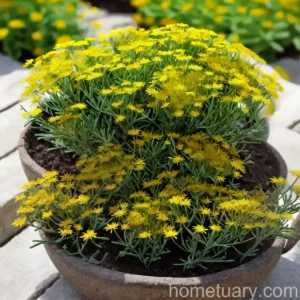
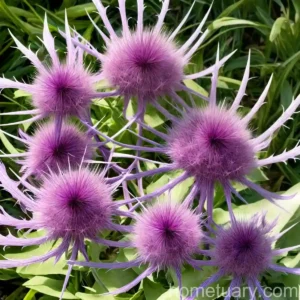
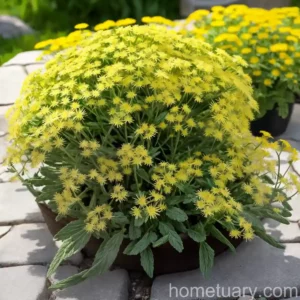
Purple Coneflower (Echinacea purpurea ‘Butterfly Kisses’)
In the world of ornamental plants, the purple coneflower (Echinacea purpurea ‘Butterfly Kisses’) is a beloved and well-known species. This charming plant exhibits stunning flowers and boasts numerous beneficial properties. In this comprehensive guide, we will delve into the various aspects of growing, caring for, and utilizing this captivating plant. From its cultural requirements to common diseases and pest management, this article aims to provide all the necessary information for successful cultivation of the purple coneflower.
What is the Purple Coneflower (Echinacea purpurea ‘Butterfly Kisses’)?
The E. purpurea ‘Butterfly Kisses’ is a cultivar of the purple coneflower (Echinacea purpurea), a perennial herbaceous plant native to the central and southeastern United States. It belongs to the Asteraceae family and is renowned for its distinctive daisy-like flowers with prominent cone-shaped centers. The ‘Butterfly Kisses’ variety is particularly prized for its attractive reddish-pink petals and a compact, well-branched growth habit, making it an excellent addition to gardens and landscapes.
Key Takeaways – Purple Coneflower (Echinacea purpurea ‘Butterfly Kisses’)
Before delving into the specific details of the purple coneflower, let’s take a moment to highlight the key takeaways of this exquisite plant:
- Attractive Flowers: Echinacea purpurea ‘Butterfly Kisses’ is renowned for its striking, daisy-like flowers with prominent cone-shaped centers, making it a visually appealing addition to any garden.
- Compact Growth: The ‘Butterfly Kisses’ variety typically exhibits a compact and well-branched growth habit, making it suitable for both garden beds and containers.
- Medicinal Properties: Like other members of the Echinacea genus, E. purpurea is known for its potential medicinal properties, particularly for supporting the immune system.
Now that we have a general overview of the plant, let’s explore its specific cultural requirements, uses, and maintenance guidelines.
Culture
Cultural practices play a significant role in the successful cultivation of purple coneflowers. By understanding the plant’s preferred growing conditions and care requirements, enthusiasts can ensure its optimal health and vigor.
Uses
Purple coneflowers have a wide range of uses, making them incredibly versatile in various settings. Some of the primary uses include:
- Ornamental Purposes: Echinacea purpurea ‘Butterfly Kisses’ is a popular choice for ornamental gardening, adding vibrant color and a touch of elegance to landscapes.
- Medicinal Applications: The Echinacea genus has been traditionally used in herbal medicine for its potential immune-supporting properties. However, it’s essential to consult a healthcare professional before using any plant for medicinal purposes.
Water
Watering is a critical aspect of maintaining healthy purple coneflowers. Proper moisture management is essential for preventing issues such as root rot and dehydration. Here are some essential watering considerations:
- Establishment Phase: Newly planted purple coneflowers should receive regular watering to help them establish a robust root system. During the first few weeks after planting, ensure that the soil remains consistently moist but not waterlogged.
- Established Plants: Once established, purple coneflowers are relatively drought-tolerant and can withstand periods of moderate dryness. However, during prolonged periods of drought, supplemental watering may be necessary to ensure healthy growth and abundant flowering.
Sunlight
Sunlight plays a crucial role in the growth and flowering of purple coneflowers. As sun-loving plants, they thrive in bright, full sun conditions. Here are some essential sunlight considerations:
- Full Sun: Ideally, purple coneflowers should be planted in locations that receive at least 6-8 hours of direct sunlight per day. Insufficient sunlight can lead to leggy growth and decreased flower production.
- Shade Tolerance: While they prefer full sun, purple coneflowers can tolerate partial shade, especially in regions with hot summers. However, to promote robust flowering and compact growth, providing ample sunlight is highly recommended.
Fertilizer
Proper fertilization can significantly impact the overall health and vigor of purple coneflowers. When applied judiciously, fertilizers can enhance flowering and promote lush, green foliage. Here are some key fertilizer considerations:
- Balanced Fertilizer: A balanced, slow-release fertilizer formulated for flowering perennials can be applied in early spring to provide essential nutrients for the upcoming growing season.
- Organic Amendments: Incorporating organic matter such as compost into the soil during planting or as a topdressing can improve soil fertility and structure, benefiting the long-term health of the plants.
- Caution with Nitrogen: While nitrogen is essential for vegetative growth, excessive nitrogen can lead to overly lush foliage at the expense of flowers. Therefore, it’s crucial to avoid overapplication of high-nitrogen fertilizers, especially once the plants have established.
Soil
The soil composition and quality significantly influence the growth and performance of purple coneflowers. Understanding the plant’s soil preferences and making necessary amendments can ensure optimal growing conditions.
- Well-Draining Soil: Purple coneflowers prefer well-draining soils to prevent waterlogging, which can lead to root rot and other moisture-related issues.
- pH Preference: They thrive in slightly acidic to slightly alkaline soils with a pH range of 6.0 to 7.5. Conducting a soil test can help determine the existing pH levels and guide the necessary adjustments.
Pruning
Pruning is an essential practice that promotes the overall health, appearance, and longevity of purple coneflowers. Proper pruning can help manage plant size, encourage branching, and remove spent flowers, among other benefits.
- Deadheading: Regular deadheading of faded flowers can prolong the flowering period and prevent the formation of seeds, allowing the plants to allocate more energy towards producing new blooms.
- Cutting Back: In late fall or early spring, cutting back the spent stems to ground level can rejuvenate the plants and promote fresh growth in the upcoming season.
Propagation
For enthusiasts interested in propagating purple coneflowers, several methods, such as division and seed propagation, can be employed to expand their plantings. Each propagation method offers unique advantages and considerations:
- Division: Dividing mature clumps every few years not only increases the plant’s vigor but also allows for the creation of new plantings from the separated divisions.
- Seed Propagation: Growing purple coneflowers from seeds provides an opportunity to explore the genetic diversity within the species and can be a rewarding process for gardening enthusiasts.
Container Popularity
The compact growth habit and ornamental appeal of Echinacea purpurea ‘Butterfly Kisses’ make it a popular choice for container gardening. When growing purple coneflowers in containers, several key factors should be considered to ensure their successful cultivation.
- Container Selection: Choose a spacious container with adequate drainage holes to accommodate the plant’s root system and prevent waterlogging.
- Potting Mix: Utilize a high-quality potting mix that provides good drainage while retaining sufficient moisture for the plants.
Common Diseases
Like all plants, purple coneflowers are susceptible to certain diseases that can affect their health and appearance. Understanding these common diseases and implementing appropriate prevention and management strategies is essential for maintaining robust and disease-resistant plants.
Disease Diagnosis
Recognizing the symptoms of common diseases can aid in prompt intervention and control measures. Some prevalent diseases that may affect purple coneflowers include:
- Powdery Mildew: Characterized by a powdery white fungal growth on the leaves and stems, powdery mildew can weaken the plants and hinder their overall growth.
- Septoria Leaf Spot: This fungal disease causes the appearance of small, dark spots on the leaves, eventually leading to leaf yellowing and premature defoliation if left unchecked.
Common Pests
In addition to diseases, purple coneflowers may also encounter various pests that can disrupt their growth and vitality. Vigilant monitoring and proactive pest management can help safeguard the plants from potential infestations.
Botanist’s Tips
To maintain healthy and vibrant purple coneflowers, consider these botanist’s tips for optimal care and cultivation:
- Regular Monitoring: Routinely inspect the plants for signs of pests, diseases, and nutrient deficiencies, addressing any issues promptly.
- Mulching: Apply a layer of organic mulch around the base of the plants to conserve soil moisture, suppress weeds, and provide an insulation layer during temperature fluctuations.
- Supportive Companions: Pair purple coneflowers with companion plants that complement their growth habits and provide mutual benefits, such as attracting beneficial insects or providing shade.
Fun Facts
In addition to their ornamental and medicinal significance, purple coneflowers boast several intriguing and noteworthy attributes. Here are some fun facts about Echinacea purpurea ‘Butterfly Kisses’:
- Wildlife Appeal: The nectar-rich flowers of purple coneflowers attract a diverse array of pollinators, including butterflies, bees, and beneficial insects, making them valuable contributors to ecological diversity.
- Long-Lasting Cut Flowers: The vibrant blossoms of purple coneflowers make stunning cut flowers, adding a touch of natural elegance to floral arrangements and indoor displays.
Links to External Resources
For further exploration of purple coneflowers and related topics, consider consulting the following external resources:
- Echinacea – A Source of Health: An in-depth scientific study discussing the potential health benefits of Echinacea species, including E. purpurea.
- Planting and Growing Echinacea: A comprehensive guide from the University of Minnesota Extension offering detailed insights into the cultivation and care of Echinacea plants.
By incorporating the insights and guidelines presented in this guide, enthusiasts can cultivate thriving and visually captivating purple coneflowers in their gardens and landscapes. Whether grown for their ornamental charm, potential medicinal properties, or ecological contributions, Echinacea purpurea ‘Butterfly Kisses’ remains a beloved and valuable addition to the spectrum of horticultural diversity.
After the “Links to External Resources” section, the complete list of references will be included.