Purple Coneflower (Echinacea purpurea ‘Springbrook’s Crimson Star’)
In this comprehensive guide, we will delve into the enchanting world of purple coneflower, specifically the Echinacea purpurea ‘Springbrook’s Crimson Star’ variety. You will explore its culture, uses, propagation, care, and much more. This perennial plant has garnered popularity not only for its stunning appearance but also for its various medicinal properties. Join me as we uncover the allure and mystique of the purple coneflower.
What is Purple Coneflower (Echinacea purpurea ‘Springbrook’s Crimson Star’)?
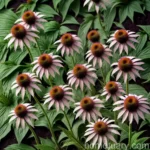
The Purple Coneflower, scientifically known as Echinacea purpurea ‘Springbrook’s Crimson Star,’ belongs to the Asteraceae family. This species is a native of North America and is noted for its daisy-like flowers with a prominent, spiky, cone-shaped center, which adds a burst of vibrant color to gardens and landscapes.
Key Takeaways – Purple Coneflower (Echinacea purpurea ‘Springbrook’s Crimson Star’)
Before we delve into the specifics of the Purple Coneflower, let’s take a moment to highlight the key takeaways of this captivating plant:
- Scientific Name: Echinacea purpurea ‘Springbrook’s Crimson Star’
- Varieties: Purple Coneflower Varieties
- Cultivars: Various Cultivars of Echinacea purpurea
- Characteristics: Notable Characteristics of Echinacea purpurea
- Name: Springbrook’s Crimson Star Echinacea
- Garden Tips: Tips for Growing Purple Coneflower
Now, let’s embark on a fascinating journey to understand the culture, uses, maintenance, and more aspects of the Purple Coneflower.
Culture
Water
Purple Coneflowers generally prefer well-drained soil, indicating that they do not thrive in excessively wet conditions. Adequate watering, especially during the initial stages of growth and establishment, is vital. Once established, these plants demonstrate good drought tolerance, making them suitable for xeriscaping and low-maintenance landscapes.
Sunlight
Echinacea purpurea ‘Springbrook’s Crimson Star’ thrives in full sun but can also withstand partial shade. When planted in sunnier locations, they typically bloom more prolifically, exhibiting their vibrant flowers for extended periods during the growing season.
Fertilizer
For optimal growth and blooming, it is recommended to fertilize Echinacea purpurea ‘Springbrook’s Crimson Star’ with a balanced, slow-release fertilizer in early spring. However, be mindful not to over-fertilize, as excessive nutrients can lead to overly lush foliage with reduced flowering.
Soil
These beautiful plants thrive in well-drained, loamy soil. They are adaptable to various soil types, including clay and sandy soils, enhancing their versatility in different garden settings.
Uses
Medicinal Properties
Aside from being a picturesque addition to gardens, Purple Coneflowers have been extensively used in traditional medicine due to their alleged immune-boosting and anti-inflammatory properties. The roots, flowers, and leaves of Echinacea purpurea have been utilized to prepare herbal remedies in different cultures.
Ornamental Purposes
Echinacea purpurea ‘Springbrook’s Crimson Star’ serves as an enticing ornamental plant, adding a splash of color and visual interest to gardens, landscapes, and naturalistic plantings. With its distinctive flowering habit and eye-catching coloration, it is no surprise that this plant is a favorite among gardeners and landscape enthusiasts.
Pruning
Pruning can be beneficial to promote blooming and maintain the overall appearance of Purple Coneflowers. Deadheading spent flowers not only enhances the plant’s aesthetic appeal but also encourages continuous blooming throughout the season. Additionally, pruning back the stems to the base in late autumn or early spring can stimulate robust new growth.
Propagation
Dividing: Purple Coneflowers can be propagated through division, preferably in early spring or autumn. The dividing process involves carefully lifting the plant, separating the rhizomes, and replanting them at the desired locations.
Seeds: Another method of propagation is through seeds. To cultivate new Purple Coneflowers from seeds, sow them in well-prepared soil in autumn or early spring, ensuring good seed-to-soil contact and adequate moisture for germination.
Container Popularity
Echinacea purpurea ‘Springbrook’s Crimson Star’ is suitable for container cultivation, making it an excellent choice for individuals with limited garden space or those desiring to adorn patios, balconies, or terraces with its captivating blooms. When grown in containers, it is essential to ensure proper drainage and provide adequate space for the plant’s root system to flourish.
Common Diseases
Disease Diagnosis
Purple Coneflowers are generally resilient to diseases; however, they may occasionally encounter issues such as:
- Powdery Mildew: Recognizable by the powdery white coating on the leaves.
- Septoria Leaf Spot: Noted by dark spots on the leaves.
Prompt identification and intervention can aid in mitigating the impact of these conditions on the overall health and vigor of the plants.
Common Pests
Botanist’s Tips
While Purple Coneflowers are relatively resistant to most pests, they can occasionally face challenges from:
- Aphids
- Japanese Beetles
- Caterpillars
Regular monitoring and the implementation of appropriate pest control measures, such as the targeted application of insecticidal soaps or neem oil, can help manage these potential pest issues.
Fun Facts
- Despite its name, the flowers of the Purple Coneflower can range from shades of pink and purple to pale and dark red, captivating observers with their spectrum of hues.
- Echinacea purpurea has a rich history of traditional medicinal use, employed by Native American tribes for various health purposes.
Links to External Resources
As we conclude this comprehensive exploration of the Purple Coneflower, it is essential to leverage valuable external resources to enhance your understanding and appreciation of this captivating plant. The following links provide access to reputable sources of information regarding Echinacea purpurea ‘Springbrook’s Crimson Star’ and related topics:
- The Royal Horticultural Society – Echinacea purpurea
- University of Maryland Medical Center – Echinacea
- American Society for the Prevention of Cruelty to Animals – Toxic and Non-toxic Plants – Coneflower
- The Old Farmer’s Almanac – Growing Coneflowers
- Missouri Botanical Garden – Echinacea purpurea
The information and insights offered by these authoritative sources can magnify your knowledge and appreciation for the Purple Coneflower and its myriad attributes.
As we conclude this extensive guide, I hope you have gained a deeper understanding of the captivating Echinacea purpurea ‘Springbrook’s Crimson Star’ and are inspired to cultivate and cherish this remarkable plant. Its alluring aesthetic appeal, coupled with its diverse uses and cultural significance, renders it a cherished gem in the realm of flora. Embrace the enchantment of the Purple Coneflower and allow it to enrich your garden and your life.